
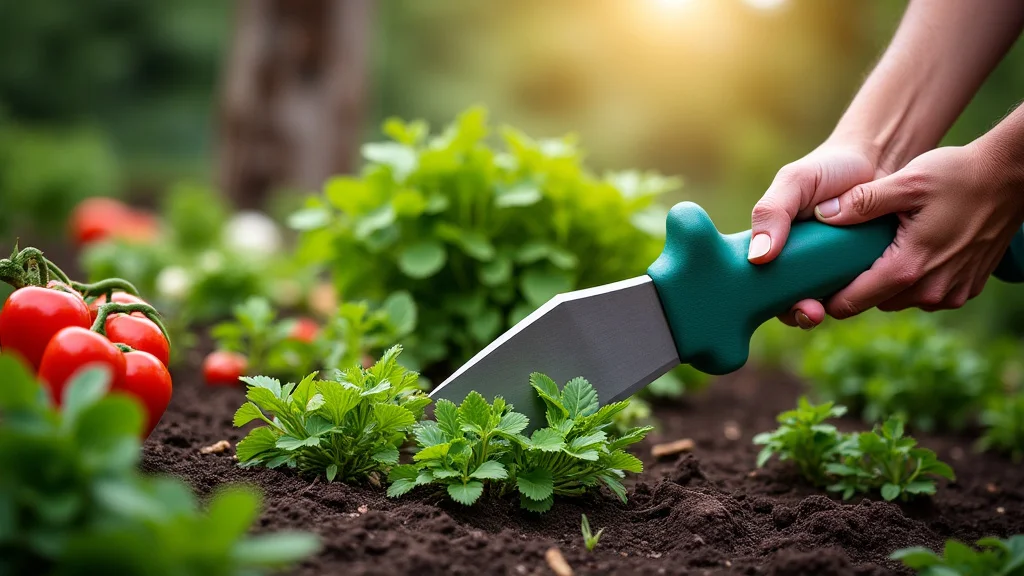
Remember that time your tomato plant decided to stage a dramatic wilt just as the first fruits appeared? Yep, gardening can be like that. But don’t let a little horticultural heartbreak deter you. Whether you’re a seasoned gardener or just starting, having the right tools makes all the difference. This post is all about helping you find the perfect b q store products gardening tools to create a thriving garden, no matter the size of your space or your level of experience. We’ll explore the essentials, discuss the advantages of each, and offer tips to make your gardening journey enjoyable and successful. You’ll gain valuable knowledge about selecting the correct equipment and learn how to use it effectively, setting you up for gardening triumphs and inspiring you to keep growing. Prepare to elevate your gardening and transform your space!
Key Takeaways
- Learn about the essential b q store products gardening tools for any gardener.
- Discover the advantages of different tools and their uses.
- Get insights on how to choose the right tools for your specific gardening needs.
- Find out tips for maintaining and caring for your tools to ensure their longevity.
- Explore a variety of products and how they work.
- Gain information on how to start and maintain a beautiful garden.
Essential B Q Store Products Gardening Tools to Get Started
Choosing the right b q store products gardening tools at the beginning can feel overwhelming. With so many options, how do you know what you truly need? The good news is, you don’t need every tool under the sun to start. Focus on the basics, and you’ll be well on your way to a flourishing garden. We’ll explore the must-have tools, including hand tools for smaller tasks and larger items that will make your life easier. This will help you get started without making large purchases, allowing you to gradually add more tools as your skills and your garden grow. It also encourages experimentation and helps you determine the best tools for the type of gardening you enjoy.
Hand Tools: The Gardener’s Best Friends
Hand tools are the foundation of any good gardening setup. These are the tools you’ll be using the most, directly interacting with the soil and your plants. They’re ideal for smaller spaces, raised beds, or when you need precision work. Starting with a set of reliable hand tools allows you to handle various tasks, from planting seeds to weeding between plants. These will be your go-to tools, providing a physical connection with the earth and enhancing your experience. The right choices can also make the work more efficient and satisfying.
-
Trowel: A small, scoop-shaped tool used for digging, planting, and transplanting. It’s great for scooping up soil and making holes for seedlings.
A high-quality trowel should be made from durable materials like stainless steel to resist rust and wear. The handle should be comfortable to grip for extended use. A trowel is your essential tool for planting seedlings, scooping compost, and filling pots. Choose one with measurement markers etched on the blade to make planting depths easier to manage. This tool makes the work a lot easier and improves the look of the flower beds.
-
Hand Fork: With its small tines, a hand fork is perfect for loosening soil, removing small weeds, and blending compost or fertilizer.
When selecting a hand fork, consider the spacing of the tines. Narrower spaces are better for working with finer soil or in tight spaces. Look for a sturdy fork that won’t bend or break easily under pressure. A hand fork is a great tool for a variety of tasks in your garden, from aerating the soil to removing weeds. It can also be used to spread compost around your plants for a healthy and nutritious boost. This can make all the difference to a healthy garden!
-
Hand Rake: Useful for smoothing soil, removing debris, and preparing seedbeds.
A hand rake with flexible tines is great for a variety of tasks, from raking up fallen leaves to smoothing soil before planting. The hand rake is perfect for small areas, or for the precision that some gardening tasks require. Look for a rake with a comfortable grip. This will help reduce hand fatigue during long hours in the garden. For small areas or raised beds, a hand rake provides excellent control and is a welcome tool.
-
Weeding Knife: Essential for removing weeds, especially those with deep roots.
The best weeding knife features a sharp, serrated blade designed to slice through tough weeds at the soil level. A comfortable handle and sturdy blade make the work easier. Some weeding knives also have a notch for cutting through roots. This is your go-to tool for controlling weeds effectively, making sure they do not return and take over your plants. With a weeding knife, you can quickly clear areas of unwanted growth, creating a better environment for your plants.
-
Gardening Gloves: To protect your hands from dirt, thorns, and blisters.
Gardening gloves are an absolute must-have for comfort and safety. Choose gloves made from breathable materials like leather or synthetic fabrics that offer good grip and dexterity. Look for gloves with reinforced palms and fingertips for added protection. They’re essential for protecting your hands from dirt, thorns, and blisters. Gloves can also help you maintain a good grip when handling tools, especially when they’re wet. This tool allows for a better experience while gardening.
Larger Tools: Expanding Your Gardening Capabilities
Once you’ve mastered the basics, consider expanding your tool collection to include items that can help you with larger tasks. These tools can improve efficiency and reduce the physical effort needed for projects such as preparing soil, watering, and maintaining larger plots. With some additional investment, you can handle larger areas, improve your soil, and create and maintain healthy plants. This will make your gardening experience easier, reducing the time spent on tedious tasks and boosting productivity.
-
Garden Fork: Used for turning and aerating soil. Also, helpful for lifting plants and digging in compost.
A garden fork, also known as a digging fork, is a larger version of the hand fork. It’s perfect for turning over the soil in a larger bed or garden. The tines of the fork are designed to penetrate the soil, breaking up compacted areas. A strong garden fork with a long handle makes this task easier, which allows for deeper penetration. When selecting a garden fork, consider the length and weight to ensure it fits your needs. This is a must-have tool for preparing soil.
-
Spade: Used for digging, edging beds, and moving soil.
A spade is a versatile tool for digging holes, edging beds, and transplanting plants. The sharp, flat blade is designed to slice into the soil with ease. Spades with a long handle can reduce strain on your back while digging. The construction of the blade should be strong enough to withstand different types of soil, whether it’s clay or sandy. Using a spade is an effective way to handle large volumes of soil and prepare your garden beds. This helps create neat edges around beds and planting areas.
-
Watering Can or Hose: Essential for keeping your plants hydrated.
A watering can is great for small gardens and potted plants, while a hose is better suited for larger areas. A watering can gives you more control over the water flow, reducing the risk of overwatering or damaging delicate plants. A hose offers convenience and flexibility, especially if you have a large garden. Choose a watering can with a rose head for gentle watering. Make sure your hose is the right length for your garden. Either choice ensures your plants receive the water they need to thrive.
-
Wheelbarrow: For transporting soil, compost, and other materials.
A wheelbarrow makes moving large quantities of soil, mulch, or compost much easier. The design of the wheelbarrow allows you to distribute weight evenly, reducing strain on your back. Choosing a wheelbarrow with a sturdy frame and a large capacity can handle heavy loads. This is a great tool for a gardener with a large space. A wheelbarrow makes the workload more manageable, and helps you work more efficiently.
-
Pruners/Secateurs: For trimming plants, deadheading flowers, and cutting stems.
These come in various designs, including bypass pruners, anvil pruners, and loppers. Bypass pruners create a clean cut that is ideal for live plants. Anvil pruners are better for dead wood. Choose the appropriate pruners for your needs, considering the size and type of plants you are working with. Clean cuts help prevent disease from spreading. Keeping your plants tidy will enhance their health and appearance, improving your garden’s overall appearance.
Specialized Tools: Expanding Your Skills
As you gain experience, you might want to add some specialized tools to your collection. These will let you tackle specific gardening tasks more easily. From improving soil quality to protecting your plants, each tool offers a specific advantage. These tools are valuable, and can give you a better garden experience. They allow for precision and can help you maintain your garden easily.
-
Soil Testing Kit: To analyze the soil’s pH and nutrient levels.
A soil testing kit will help you find the current status of your soil, allowing you to improve it. The kit should include testing components for pH levels. A comprehensive kit might also measure levels of nitrogen, phosphorus, and potassium. Regularly testing your soil ensures your plants have access to the nutrients they require. Understanding the composition of your soil is key to planting successful plants. This tool gives you the information needed to amend the soil.
-
Compost Bin: To create nutrient-rich compost from kitchen scraps and yard waste.
A compost bin is a great way to turn food scraps and garden waste into rich compost, a nutrient-packed fertilizer for your plants. Compost improves soil structure, increases water retention, and provides essential nutrients. A well-designed compost bin should provide proper airflow. Composting is an excellent way to reduce waste and create a beneficial soil additive. This can lower the amount of fertilizer needed. With compost, your plants will be much healthier and much more productive.
-
Hedge Shears: To shape hedges and topiary plants.
Hedge shears are a valuable tool for shaping hedges and ornamental shrubs. Choose shears with sharp, durable blades and comfortable handles. Regular trimming with hedge shears maintains the shape and health of hedges. Look for a design that balances cutting power with ease of use. A comfortable grip will reduce fatigue when working for long periods. With well-trimmed hedges, you can improve the appearance of your garden.
-
Lawn Aerator: To improve airflow and reduce soil compaction.
A lawn aerator can make your lawn much healthier by improving the airflow to the roots. Aerating your lawn is beneficial for improving its health. Aeration loosens the soil, allowing water, oxygen, and nutrients to reach the roots of the grass. This can lead to a greener, more vibrant lawn. Choose a tool that fits the size of your lawn for a more successful approach. Aerating the lawn will provide a healthy base for your lawn to thrive.
Choosing the Right Tools for Your Gardening Needs
Now that you know what tools are available, how do you choose the perfect ones for your situation? The answer depends on several elements, including the size of your garden, the type of plants you are growing, and your personal preferences. Getting the right tools from the start ensures you can maintain and enjoy your garden. By taking the time to assess your individual needs, you can make informed decisions. This allows you to select tools that make the most of your efforts and help you achieve gardening success. Knowing what to buy allows you to garden without getting frustrated.
Assessing Your Garden Size and Type
The size and setup of your garden will influence which tools you require. The right choices can make the gardening process much easier. A large garden has different requirements than a small balcony garden. Whether you have a small patio garden or a large backyard, understanding the space will help you choose the right tools. From the start, you can decide the best equipment.
-
Small Gardens: For compact spaces, hand tools are generally sufficient. A trowel, hand fork, and watering can will likely be your primary tools.
If you have a small space, you probably don’t need all the tools. Hand tools will be a great way to handle the small spaces. Focus on versatility and ease of use. You can easily manage smaller areas with compact tools. Your tool collection doesn’t have to take up a lot of space, as you will want to work in your small space. These tools will allow you to care for your garden efficiently.
-
Raised Beds: Hand tools and some larger tools like a garden fork or small spade can work well.
Raised beds offer both convenience and control, which will influence your tool choices. Hand tools are ideal for tending raised beds, offering precision and ease of use. A garden fork or small spade is helpful for preparing the soil and mixing amendments. Choosing ergonomic tools will allow for easier work in a raised bed setting. The tools required will streamline the gardening process.
-
Large Gardens: You’ll likely want a combination of hand tools and larger tools, like a wheelbarrow, garden fork, and spade. Consider a hose with a sprayer for efficient watering.
Larger gardens usually require a different approach to gardening tools. You will need a wider range of tools to manage the larger space. Hand tools for smaller tasks and larger ones such as a wheelbarrow, garden fork, and spade will make the work easier. A hose with a sprayer is also essential. This will increase efficiency, reduce your time, and ensure your garden thrives. With these tools, you can work effectively.
-
Flower Beds: Hand tools like trowels, hand forks, and weeding knives are key for planting, weeding, and maintenance.
Focus on tools that allow for precision and gentle handling of plants. A trowel and hand fork are ideal for planting and transplanting flowers. A weeding knife helps remove weeds. Pruners or secateurs are useful for trimming and shaping flowers. This makes your flower beds much more beautiful. Selecting the right tools for flower beds promotes both beauty and health.
-
Vegetable Gardens: A garden fork, spade, and hand tools are useful for prepping soil and planting seeds. A watering can or hose is also important for providing water.
A garden fork and spade are helpful for preparing beds and amending soil. Hand tools are key for precision work, such as planting and weeding. A watering can or hose will ensure your vegetables get enough water. Tools that offer efficiency and care, such as the garden fork and spade, are great for planting. This approach will maximize your vegetable yields.
-
Container Gardening: Hand tools, such as trowels and hand forks, are essential for planting and caring for potted plants.
Container gardening often requires more specialized tools than other types of gardening. A trowel and hand fork are ideal for planting and working in pots. A watering can is great for watering. A good soil mix and fertilizer are necessary for healthy plants in containers. This makes the most of the space. Container gardening can be a great way to grow plants.
Evaluating the Type of Plants
Different plant types have unique care requirements that will influence your tool selection. Deciding the best way to care for your plants will depend on the plants you choose. To care for your plants properly, you need to understand their specific needs. Understanding the plants will help you choose the right tools. This helps you to properly care for them and get great results.
-
Annuals: These plants need less pruning. A trowel, hand fork, and watering can or hose should be the main tools.
Annuals often have simpler care requirements. Basic hand tools are great for planting and maintenance. A trowel and hand fork are essential for planting. A watering can or hose is necessary for watering. Less pruning makes them easier to manage. Selecting the right tools keeps these plants healthy and beautiful.
-
Perennials: They will benefit from a hand fork, spade, and pruning shears for maintenance.
Perennials, which grow year after year, require different tools. A hand fork will help loosen the soil around plants. A spade can be useful for dividing and transplanting perennials. Pruning shears are key for cutting off old blooms. With the right tools, you can care for perennials. That can lead to more blooms.
-
Vegetables: These require a garden fork, spade, hand tools for sowing and harvesting, and a watering can or hose.
Vegetables need a variety of tools. A garden fork and spade will help with the soil. Hand tools are valuable for sowing seeds and harvesting your crops. A watering can or hose is necessary for providing water. Using the right tools will make your vegetable garden productive.
-
Shrubs and Trees: Pruning shears, loppers, and a hand saw will be necessary for pruning and shaping.
Shrubs and trees require more specialized tools. Pruning shears, loppers, and a hand saw are key for cutting off branches and shaping the shrubs. Proper pruning encourages healthy growth. Having the right tools makes pruning much easier. They can also keep your shrubs and trees healthy.
-
Flowers and Ornamental Plants: A trowel, hand fork, pruning shears, and watering can or hose will be helpful.
Hand tools and pruning shears are key for maintaining ornamental plants. A trowel and hand fork are great for planting and general care. Pruning shears are used for shaping and removing dead flowers. A watering can or hose will provide the plants with water. These tools will help you to create beautiful flower beds.
Personal Preferences and Budget
Your personal preferences and budget will influence the tools you select. Starting with the essentials will let you build your collection as you get more experienced. You can decide if you want more specialized tools as you gain knowledge. Consider the level of effort you are willing to spend in the garden. These things help to find the right tools for your specific needs.
-
Budget: Start with the most essential tools and add more as your budget allows. Consider the overall cost of the tools.
Gardening tools range in price. It is best to begin with a core set of essentials. As you progress, you can add more tools. This allows you to spread out costs over time. Prioritizing essentials enables you to start gardening without a big investment. It also ensures you get the tools you need to enjoy the process.
-
Ergonomics: Look for tools with comfortable handles and designs that reduce strain. This can affect how you enjoy the garden.
Ergonomics plays a role in your gardening comfort. Tools with comfortable handles and balanced designs will reduce strain. Ergonomic tools provide comfort. This allows you to work longer in the garden. This makes gardening more enjoyable and prevents fatigue and possible injuries.
-
Maintenance: Consider the maintenance requirements. Tools that are easy to clean and store will be a great help.
Think about how easily the tools are to maintain and clean. Tools made with durable and easy-to-clean materials are a great choice. These tools are easier to keep in good condition. Taking care of your tools will extend their lifespan. That will help you spend more time gardening.
-
Durability: Select tools made from durable materials that can withstand regular use. Consider how often you will be using your tools.
Durable tools are made from high-quality materials, such as stainless steel. This can withstand regular use and exposure to the elements. These tools will last longer. This can also save you money and prevent the need for frequent replacements. When you invest in quality tools, you will be able to enjoy your garden for a longer period of time.
-
Functionality: Select tools that meet your specific gardening needs and preferred methods.
Choose tools that are suitable for your specific tasks. Consider how you prefer to garden. Some gardeners prefer precise hand tools. Others may prefer more efficient tools. The right tools match your needs. This makes the gardening process more enjoyable and efficient. Evaluate the functions and features before purchasing them.
Caring for and Maintaining Your Gardening Tools
Proper care and maintenance is a key part of extending the life of your b q store products gardening tools. Regular maintenance keeps your tools in good working order. These steps will prevent rust, ensure sharpness, and improve the efficiency of your equipment. It also prevents the need to replace your tools. That makes the whole gardening process more enjoyable.
Cleaning Your Tools
Cleaning your tools after each use is an important step. Removing dirt, sap, and other debris can prevent rust and corrosion. Clean tools also work better and last longer. This includes basic cleaning and regular deep cleaning.
-
Basic Cleaning: After each use, wipe down tools with a damp cloth or brush. Remove any dirt, soil, or plant debris.
After each use, take a few minutes to clean your tools. This basic care prevents the buildup of debris and helps to keep the tools sharp. This makes the tools more efficient and extends their life. Clean tools make gardening much more enjoyable.
-
Deep Cleaning: Periodically, use soap and water to clean tools thoroughly. Use a wire brush to remove stubborn soil and rust.
Deep cleaning is necessary to get rid of tougher dirt, rust, and debris. Use soap and water or a specialized tool cleaner. Scrubbing with a wire brush removes rust. Proper cleaning helps restore the tools and prepares them for future use. Regular deep cleaning ensures your tools are always in top condition.
-
Sharpening Blades: Sharpen blades regularly using a file or whetstone. Dull blades can damage plants.
Sharpening blades is a key part of maintaining cutting tools. Sharp blades make clean cuts. Dull blades damage plants, which can cause disease. Regular sharpening will keep your cutting tools in great condition. Sharpening can also prevent injuries, and allows for much easier work.
Storing Your Tools Properly
Storing your tools correctly will prevent damage and extend their lifespan. Proper storage will keep them ready for use. It protects them from the weather. This can keep your tools safe and accessible, which makes your time gardening more enjoyable.
-
Dry Storage: Store tools in a dry location, such as a shed or garage. Moisture is a tool’s enemy.
Storing your tools in a dry location is a key part of proper care. Moisture causes rust and corrosion. A dry area helps to protect your tools from the elements. This keeps them in good condition for future use. Ensuring your tools are dry will prevent any issues.
-
Hanging or Storing Upright: Hang tools on a wall or store them upright to prevent damage. This saves space, too.
Hanging or storing your tools upright will save space and improve their care. Proper storage prevents damage. This also allows for easy access. Hanging tools improves organization. This also makes your gardening activities much easier.
-
Using Tool Racks or Organizers: Use tool racks or organizers to keep tools neat and easily accessible.
Using racks or organizers in your shed or storage area helps organize the tools. A well-organized space makes it easy to find and access the tools. This can improve the efficiency of gardening. The setup makes sure you have everything you need. This makes it easier to keep your tools in excellent condition.
-
Oiling Metal Parts: Apply oil to the metal parts of your tools. This prevents rust.
Oiling metal parts provides a protective layer. This prevents rust and corrosion. Regular oiling makes it easier to use your tools. It also prolongs their lifespan. This will improve their performance and durability. This will make your gardening experience better.
Real-Life Examples
Here are some examples of how the right tools can make a difference in your garden. They show the effect of having the proper tools. These examples show how the right tools can make gardening easier. With proper tools, you will be able to do more gardening.
-
Scenario 1: Starting a Vegetable Garden. Sarah decided to create a vegetable garden in her backyard. She started with a basic set of hand tools including a trowel, hand fork, and a small spade. She used the trowel to plant seedlings. She used the hand fork to loosen the soil around the plants. The spade was helpful for preparing the raised beds. Sarah found that these tools were perfect for her project. They allowed her to work efficiently, which resulted in a successful harvest.
In this scenario, the right tools allowed Sarah to start a garden effectively. This shows the importance of selecting tools based on your specific needs. The chosen hand tools enabled her to complete the job with ease. This resulted in a successful vegetable garden.
-
Scenario 2: Maintaining a Flower Bed. John had a small flower bed at the front of his house that needed maintenance. He acquired a hand rake for smoothing the soil. He used pruning shears to remove dead flowers. A weeding knife got rid of the unwanted weeds. This helped him to keep his flower bed looking good. His experience proved that a combination of the right tools and basic techniques helps you to maintain a healthy and beautiful garden.
In this example, the right tools helped John maintain his flower bed. This showed how simple tools, used correctly, can lead to positive results. With these tools, John was able to improve the quality of his flower bed. It also made his garden more beautiful, improving its appearance.
Frequently Asked Questions
Question: What are the most essential gardening tools for beginners?
Answer: A trowel, hand fork, hand rake, weeding knife, and gardening gloves are the essential tools for a beginner to get started.
Question: How often should I sharpen my pruning shears?
Answer: Sharpen your pruning shears at least once a season, or whenever the blades feel dull. Regular sharpening is key.
Question: How do I choose the right size watering can?
Answer: Select a watering can that is appropriate for the size of your garden and the plants you have. A smaller can is ideal for pots, while larger ones are better for the garden.
Question: How do I store my gardening tools during the winter?
Answer: Clean and dry your tools before storing them in a shed or garage. Apply oil to the metal parts to prevent rust and corrosion.
Question: What kind of gloves are best for gardening?
Answer: Gardening gloves made from leather or synthetic materials provide the best grip and protection. Look for gloves with reinforced palms and fingertips.
Final Thoughts
Selecting the appropriate b q store products gardening tools is an exciting step for any gardener. It will make your gardening experience much more enjoyable. Starting with a set of basic tools, like a trowel, hand fork, and some gloves, will get you started with ease. Remember to pick tools that fit your space and your gardening goals. Don’t be afraid to add more tools as your skills and needs change. Take the time to take good care of your tools by keeping them clean and maintained. This will make your tools long lasting. By using these simple steps, you can ensure your tools last. With the right b q store products gardening tools, you’ll be well-prepared to make the most of your garden. Embrace the joy of gardening, take care of your plants, and watch your garden flourish. Get started today and get ready to grow!