
Picture this: a peaceful morning, sunlight dappling through the leaves, and the gentle sound of a rake smoothing the gravel. This isn’t just a scene from a movie; it’s a reality achievable with the right Japanese gardening tool. Maybe you’ve admired the serene beauty of a Japanese garden and wondered how to create a similar sanctuary. This post explores some of the most helpful tools used in these gardens. You’ll learn the purpose of each item and how to choose the right tools for your space. Get ready to transform your garden into a place of beauty and calm. You’ll also learn the differences between the types and how to properly store them. By the end, you’ll be able to make informed choices. This should improve Time on Page and reduce Bounce Rate for the readers.
Key Takeaways
- Learn about the different types of Japanese gardening tool used for various tasks.
- Discover the key features and uses of each tool.
- Explore the materials and construction of these tools.
- Understand the importance of tool care and maintenance for longevity.
- Find out how to choose the right tools for your garden’s needs.
- Gain a sense of how these tools contribute to the aesthetic of Japanese gardens.
Essential Tools for Japanese Gardens
The beauty of Japanese gardens lies not only in their aesthetic appeal but also in their functionality and the care put into their maintenance. Achieving this requires specific tools crafted for the tasks at hand. Each Japanese gardening tool is thoughtfully designed to perform a particular function, from shaping plants to raking gravel. These tools emphasize precision, respect for nature, and the creation of harmonious landscapes. The tools are not just implements but extensions of the gardener’s craft, connecting them with the garden’s essence. This guide aims to help you familiarize yourself with each essential tool and their respective jobs. This should give you a better idea on where to start when beginning your own garden.
Rakes and Gravel Rakes
Rakes and gravel rakes are fundamental tools in any Japanese garden, playing key roles in the creation and maintenance of the characteristic gravel patterns and overall landscape aesthetics. The use of a rake extends far beyond simple cleaning; it enables the gardener to sculpt the surface, creating waves, lines, and textures. This tool is essential for both the artistic design and the practical upkeep of the garden. A gravel rake is specifically designed for maintaining the patterns in the gravel, while a standard rake is useful for general cleanup. Both types ensure the garden retains its serene and carefully considered appearance. Let’s explore the uses of rakes and gravel rakes.
- Gravel Rake Designs: Japanese gravel rakes feature several designs, each with a different effect on the gravel surface. Some have fine teeth for creating delicate lines, while others have broader teeth for wider, more sweeping patterns. Some have specific shapes that make particular patterns. These patterns often mimic water or other natural elements, adding depth and symbolism to the garden. It is important to know the different variations and select the one that will create the desired effects.
- Raking Techniques: The methods used to rake the gravel are as crucial as the rake itself. Gardeners often rake in a slow, deliberate manner, using their entire body to control the movement of the tool. This deliberate approach ensures consistent patterns and a sense of calm. The way the rake is held and the pressure applied can change the texture of the gravel.
- Material and Construction: Rakes, especially those meant for Japanese gardens, are made with particular materials that last longer. The handles are often made from strong wood such as bamboo or cedar, providing both durability and a natural aesthetic. The teeth are constructed from metal or, more traditionally, from bamboo or other durable materials.
For instance, a rake with slightly curved teeth may be used to make circular patterns, while a rake with straight teeth might produce parallel lines. The choice of rake impacts the overall feel.
For instance, a light touch may produce delicate ripples, while more pressure can create deeper furrows. The goal is to make a natural look.
Bamboo teeth offer a more natural, gentle touch, while metal teeth are suitable for more rigorous work. The quality of materials and the construction methods affect the tool’s feel and durability.
Pruning Shears and Secateurs
Pruning shears and secateurs are central to maintaining the form and health of plants in a Japanese garden. These tools are used to shape trees, shrubs, and other plants. The careful use of these tools is essential for maintaining the overall balance and harmony of the garden’s design. The ability to prune correctly is critical. These tools allow the gardener to remove unwanted growth, promote air circulation, and encourage flowering or fruit production. Proper pruning also prevents disease and ensures the long-term well-being of the plants. Here’s a look at the types and techniques used.
- Types of Pruning Shears: Several types of pruning shears are used in Japanese gardens, each with specific purposes. Bypass shears are favored for clean cuts on living stems, while anvil shears are better suited for dead or thick branches. Secateurs are smaller, handheld shears used for finer work, such as shaping bonsai or pruning delicate flowers. The design of the shears influences the type of cut they make.
- Pruning Techniques: The pruning techniques employed in Japanese gardens prioritize the natural form of the plants. The methods include thinning out crowded branches to let in light, shaping the plant to guide its growth, and removing any dead or diseased wood. Gardeners often aim to maintain a balance.
- Shear Materials and Care: The quality of the materials used in pruning shears significantly affects their performance and longevity. High-carbon steel blades are preferred for their sharpness and ability to hold an edge. The handles are often made from wood or coated with non-slip materials for a good grip. It’s important to keep the tools clean.
Bypass shears cut by passing a sharp blade past a lower blade. Anvil shears use a single blade that presses against a flat surface. Each design is useful for different jobs.
The focus is on maintaining a natural look that harmonizes with the surroundings. Techniques like the “three-cut” method are used for removing larger branches to prevent tearing of the bark.
Regular cleaning, sharpening, and oiling the blades will improve performance and extend the lifespan of the tool. Properly maintained tools make pruning easier and protect the plants.
Hori-Hori Knives
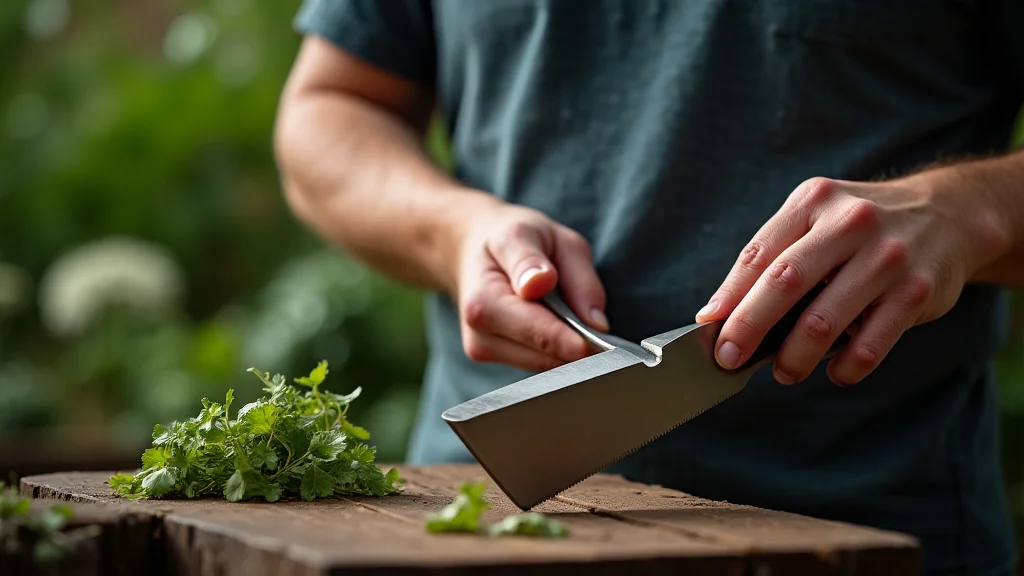
The Hori-Hori knife is a versatile tool used extensively in Japanese gardening for various tasks. This tool can be used for digging, weeding, and transplanting. The design combines the function of a trowel and a knife, making it an indispensable part of a gardener’s collection. The Hori-Hori knife’s robust construction and sharp blade make it ideal for handling tasks. Its uses include everything from breaking up soil to cutting roots. This section will look at what the Hori-Hori is, how to use it, and how to maintain it.
- Design and Features: The Hori-Hori knife is known for its distinctive features. It has a long, sturdy, blade made of stainless steel. The blade’s sharp edge makes cutting easy, while the serrated edge can be used for sawing through roots. The blade is often marked with measurements.
- Uses in the Garden: The Hori-Hori knife serves several purposes. It’s used for digging planting holes, cutting through roots, and transplanting plants. It can also be used for weeding and general soil preparation. Its strong blade and durable construction make it useful for digging in different soil types.
- Material and Maintenance: The Hori-Hori knife’s long life depends on the materials and how it’s cared for. Blades are typically made of stainless steel to avoid corrosion. The handles are designed to be durable. After each use, it should be wiped clean.
The handle is designed for a comfortable grip, often made of wood or rubber. The design helps gardeners carry out a range of tasks.
For instance, the knife helps the gardener remove weeds by the roots, making it an excellent tool. The design allows it to handle many jobs.
Sharpening the blade as needed helps to maintain its cutting efficiency. Proper storage and maintenance ensure the tool’s effectiveness for a long time.
Watering Cans and Sprinklers
Watering cans and sprinklers play essential roles in ensuring the proper hydration of plants in Japanese gardens. These tools are designed to deliver water gently and precisely, a key component in nurturing the garden’s delicate balance. The tools used reflect the care and attention to detail that characterizes these gardens. They are carefully chosen to balance the practical needs of watering with the aesthetic harmony of the garden. Here are some of the tools used in watering and how they help the garden’s balance.
- Watering Can Designs: The designs of watering cans are centered on functionality and aesthetics. Traditional Japanese watering cans are often made of metal, such as copper or galvanized steel, known for their durability and beautiful appearance. The rose is the part of the watering can that spreads the water.
- Sprinkler Systems and Techniques: The use of sprinkler systems is common in Japanese gardens to provide even and consistent watering. These systems can be simple, or automated. The method used influences the garden’s health.
- Material and Maintenance: The choice of materials for watering cans and sprinklers affects their durability and performance. Metal watering cans require regular cleaning and care to prevent rust. Sprinkler systems should be checked often to keep them working well.
Modern watering cans incorporate features to enhance ease of use and water control. These often include ergonomic handles and balanced designs.
The objective is to water plants without disturbing the soil or the careful arrangement of the garden. Sprinklers are used to deliver water, but traditional watering cans are also still often used for smaller areas.
Keeping the tools clean and in good condition protects the plants. Proper care guarantees the tools last longer.
Other Japanese Gardening Tools
Aside from the core tools, several other specialized implements contribute to the creation and upkeep of a Japanese garden. These tools are designed to assist with precise tasks. Each is designed to ensure that the garden reflects the principles of balance, harmony, and natural beauty. This section will explore a number of them. We’ll examine their functions, designs, and importance.
- Bamboo Brooms: Bamboo brooms are used to clean surfaces, remove fallen leaves, and create patterns on gravel. They are often made from natural bamboo. The design of these brooms allows them to sweep gently without disturbing the garden’s elements.
- Stone Lanterns (Tōrō): Stone lanterns are more than decorative items; they also serve practical purposes. These are used to provide light and add a sense of peace to the space. They come in many different designs.
- Bamboo Poles and Trellises: Bamboo poles and trellises are used to support plants, create borders, and shape the garden’s structure. These materials are chosen for their durability and natural beauty. They are used to create living walls or other structures.
The fine bristles are perfect for sweeping pathways and creating patterns in gravel or sand gardens. The use of bamboo brooms reflects a connection to the natural world.
The careful placement of these lanterns is part of creating a balanced and harmonious garden. The placement adds to the overall look.
The poles and trellises are a part of the garden’s design. These elements help in creating different elements.
Choosing the Right Tools for Your Garden
Choosing the correct Japanese gardening tool is important to ensure your garden’s care and maintenance. The choice is determined by the size and style of your garden, the specific tasks you intend to perform, and your own gardening skills. Whether you have a small backyard or a larger garden, the tools you pick will have an impact. Consider these factors to choose the correct tools.
- Assessing Your Garden’s Size and Style: The size of your garden has a big impact on the tools you require. Smaller gardens might need fewer tools. Larger gardens might require more tools. Also, the style impacts the choice.
- Identifying Essential Tasks: List the tasks you will be doing in your garden. These include pruning, weeding, raking, and watering. Tools selected must be useful for these tasks.
- Considering Tool Materials and Quality: The materials used in tool construction affect their durability and performance. High-quality tools are often made of strong materials. These will last longer and perform better.
- Prioritizing Ergonomics and Comfort: Tools that are comfortable to use can reduce physical strain. Look for tools with ergonomic handles. These tools offer a good grip.
A formal garden might need precise pruning shears and gravel rakes. Informal gardens might use tools like Hori-Hori knives. The design helps in the choice of tools.
If you will be pruning often, quality shears are essential. If weeding is the main job, the Hori-Hori knife is an important tool. Consider what is necessary.
Consider tools made of stainless steel, bamboo, or high-carbon steel. Invest in tools. This helps the investment pay off in the long run.
Choose tools that fit comfortably in your hands and are well-balanced. This will make gardening easier.
Frequently Asked Questions
Question: What is a Hori-Hori knife used for in Japanese gardening?
Answer: A Hori-Hori knife is used for various tasks. It is ideal for digging, weeding, transplanting, and cutting through roots.
Question: How do you maintain the gravel patterns in a Japanese garden?
Answer: Maintaining the patterns involves the careful and consistent use of a gravel rake to preserve and redefine patterns as needed.
Question: What are the best materials for pruning shears in Japanese gardens?
Answer: High-carbon steel blades are preferred for their sharpness and longevity. Handles are commonly made of wood or coated with non-slip materials.
Question: Why are watering cans with a rose attachment used in Japanese gardens?
Answer: Watering cans with a rose attachment are used to deliver water gently and evenly. This helps to protect plants.
Question: What is the main purpose of bamboo brooms in Japanese gardens?
Answer: Bamboo brooms are used for cleaning surfaces, removing leaves, and for creating patterns on gravel or sand.
Final Thoughts
Creating and maintaining a Japanese garden is not just about using the correct Japanese gardening tool; it’s also about adopting a mindset that appreciates beauty, balance, and harmony. The right tools help you connect with nature, and they bring you into the peace of your surroundings. Each tool has a specific function and is designed to create a feeling of calmness and tranquility in your garden. Consider what tools you need for your space. Think about the tasks you do and also the style of garden. Remember that selecting high-quality tools that are comfortable to use will improve the enjoyment of your gardening work. This can make the process easier. Start with the basics. Practice and get better. Over time, your garden will become a beautiful reflection of your work and sense of peace.