
Grandma always loved her roses, but as she got older, tending her garden became harder. Bending down to weed, lifting heavy bags of soil, and reaching for high branches were not easy tasks anymore. The joy of gardening started to fade,
Key Takeaways
- Ergonomic tools with extended handles and cushioned grips minimize strain on joints.
- Raised garden beds and vertical gardening systems eliminate the need for bending and stooping.
- Lightweight tools and planters make it easier to move plants and work in the garden.
- Adaptive accessories can modify existing tools for improved usability.
- Safety features like non-slip surfaces are important for reducing falls.
- Simple maintenance tips extend the life of gardening equipment.
Ergonomic Gardening Tools
The core of comfortable gardening for seniors lies in choosing tools that are easy to handle and reduce strain on their bodies. Traditional gardening tools often require bending, twisting, and gripping, which can exacerbate existing conditions like arthritis or back pain. Ergonomic gardening tools are designed with these challenges in mind, offering features that promote a more natural and comfortable posture while working. These tools are not just for the elderly, they are helpful for any gardener who wants to minimize strain.
Extended Handle Tools
One of the most significant advancements in gardening tool design is the extended handle. These tools have longer handles, eliminating the need to bend over excessively. This is particularly helpful for people with back issues or those who find it difficult to get up and down from the ground. Extended handles come in various lengths, catering to different heights and preferences. These tools allow the gardener to work while standing or in a more upright position, reducing pressure on the lower back and knees. This design also helps to improve balance.
- Hoe with Extended Handle: This tool makes weeding and soil preparation much easier, allowing gardeners to maintain a comfortable upright posture. The long handle reduces strain on the back and shoulders, making it easier to maneuver around the garden. A hoe is useful for many tasks.
- Long-Handled Cultivator: Ideal for loosening soil and removing small weeds, this tool with its extended reach offers convenience, as it is easy to cultivate garden beds. A cultivator helps aerate the soil.
- Rake with Extended Handle: Essential for leveling soil, gathering leaves, and preparing beds, a long-handled rake allows for easier access to these areas. A rake is a beneficial tool for any gardener.
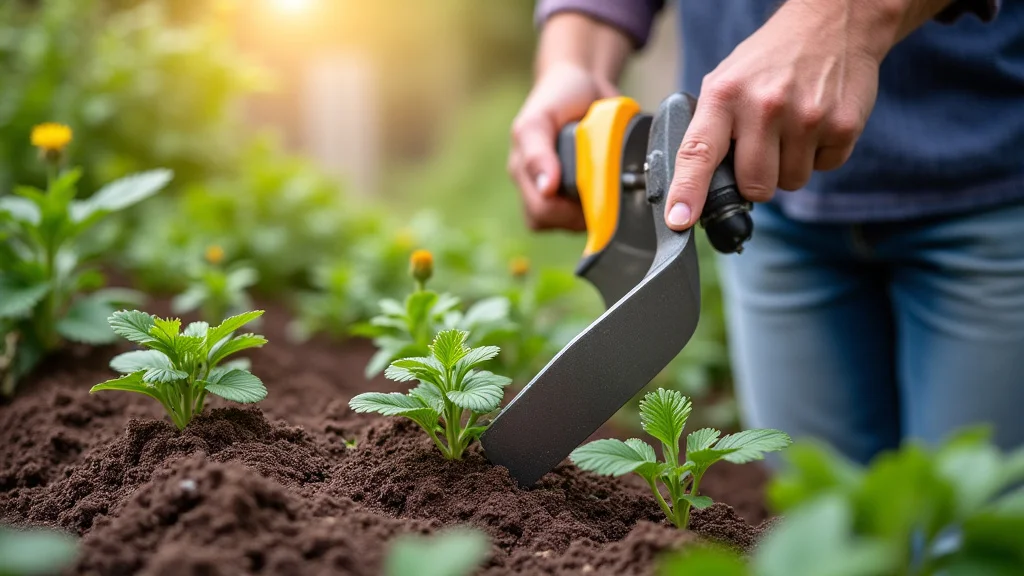
The traditional hoe has a short handle, requiring the user to bend at the waist. An extended handle allows the gardener to stand upright while weeding and cultivating soil. This reduces strain and makes the process more comfortable. The blade angle and the weight of the hoe also impact its effectiveness. Consider a lighter-weight hoe for easier handling, especially if the gardener has mobility issues.
A long-handled cultivator allows the gardener to cultivate the soil without bending, reducing back strain. The tines on the cultivator break up the soil. This is helpful for planting and encouraging root growth. Choosing a cultivator with a lightweight handle further decreases fatigue, allowing the gardener to work for longer periods without discomfort.
The extended handle on a rake reduces the need for bending and stretching. This makes it easier to work over a wider area without strain. Rakes come in different head sizes and tooth spacing. Choose one that suits the specific needs of the gardening project. Consider a lightweight material. This will help with ease of use.
Cushioned Grips and Ergonomic Handles
Beyond extended handles, the design of the grips themselves is essential for reducing hand fatigue and strain. Ergonomic handles are shaped to fit the hand comfortably. They distribute pressure evenly and minimize the need for a tight grip. Cushioned grips provide additional comfort. They also absorb shock. These design choices are helpful for people with arthritis, carpal tunnel, or reduced hand strength. The goal is to make gardening tools comfortable to use.
- Hand Trowel with Cushioned Grip: Perfect for planting seedlings or transplanting small plants, a hand trowel’s cushioned grip reduces pressure and improves comfort. A trowel is important for small-scale digging tasks.
- Hand Weeder with Ergonomic Handle: Designed to remove weeds with minimal effort, the ergonomic handle provides a comfortable grip. A weeder will remove weeds from the garden.
- Secateurs with Spring-Loaded Action and Ergonomic Design: Essential for pruning and trimming plants, secateurs with spring-loaded action help gardeners complete the task efficiently. Secateurs are a crucial tool.
A cushioned grip minimizes strain on the hand and wrist. This makes it easier to use for extended periods. The ergonomic design also aids in gripping and control. Choose a trowel with a sturdy blade to handle various soil types and gardening tasks. A lightweight trowel is ideal for people with hand weakness.
An ergonomic handle reduces strain on the hand and wrist. This makes it easier to remove weeds without excessive force. The handle design often includes a wider grip and a textured surface. This will provide a secure hold, even when wet. It is beneficial to gardeners with limited hand strength.
The spring-loaded action reduces the need to squeeze the handles repeatedly. This lessens hand fatigue. Ergonomic handles distribute pressure evenly. They also provide a comfortable and secure grip. This is helpful for people with arthritis or reduced hand strength. Choosing secateurs with sharp blades ensures that cutting is efficient and reduces strain.
Adaptive Gardening Solutions
Sometimes, modifying existing tools or introducing adaptive equipment is necessary to make gardening more accessible. These solutions can range from simple modifications, like adding grip enhancers, to introducing specialized equipment, such as rolling garden seats. This section focuses on easy modifications and alternative products to create a comfortable gardening experience. Adaptive gardening solutions focus on modifying existing tools or using specialized equipment. Adaptive gardening is accessible for everyone.
Grip Enhancers and Assistive Devices
For those with limited hand strength or dexterity, grip enhancers and assistive devices can make a significant difference. These modifications often involve adding padding, building up handles, or using tools designed to reduce the force required for gripping and manipulating gardening equipment. These simple aids enable seniors to maintain their passion for gardening. They also reduce strain. Grip enhancers offer a cost-effective way to adapt existing gardening tools. Assistive devices make gardening easier.
- Foam Grip Tubing: This is an easy way to increase the size of tool handles. Foam tubing provides a comfortable, non-slip grip. Foam grip tubing is an affordable solution.
- Built-Up Handles: Thickened handles are often made using rubber or custom molding. These handles make tools easier to grip. They also reduce the strain on the hands.
- Adaptive Gloves: Gardening gloves with reinforced palms and fingers offer a better grip. Adaptive gloves protect hands and improve control. Adaptive gloves make gripping easier.
Foam grip tubing slips over the handles of various tools. It provides a comfortable, cushioned surface that is easier to grip. This reduces strain. It also increases the diameter of the handle. Foam grip tubing comes in various sizes to fit different tools. It is beneficial for gardeners with arthritis or weak hands.
These larger handles are easier to grip than standard thin handles. They provide a more secure hold. They also distribute the pressure over a larger area, reducing the strain on the hand and wrist. Built-up handles are particularly helpful for gardeners with arthritis or carpal tunnel syndrome. Consider custom-molded handles.
Adaptive gloves enhance the grip on gardening tools. They also protect the hands from cuts, blisters, and dirt. Look for gloves with textured palms and fingertips. This improves the grip. They should also be made from a breathable material. This will keep the hands comfortable, even during extended gardening sessions. Consider gloves that are easy to put on and take off.
Rolling Garden Seats and Kneeling Pads
Reducing the need to bend or kneel is vital for seniors. Rolling garden seats and kneeling pads are designed to provide support. They enable gardeners to work at a comfortable height. These accessories reduce strain on the back and knees. They also make gardening more enjoyable. Rolling garden seats provide mobility. Kneeling pads provide cushioning.
- Rolling Garden Seats: These seats provide mobility and a comfortable height for working in the garden. Rolling garden seats reduce strain.
- Kneeling Pads and Garden Kneelers: These tools provide cushioning and support for the knees. Kneeling pads reduce strain when working on the ground. Garden kneelers also offer a place to sit.
- Raised Planters: This solution eliminates the need to bend over while planting and tending to plants. Raised planters are easy on the back.
Rolling garden seats allow gardeners to move around the garden easily. They provide a comfortable place to sit. Some models have built-in storage. This will keep tools within reach. Look for seats with adjustable heights. These are best suited for the gardener’s needs. Choose a seat with a sturdy base to prevent tipping and ensure safety. A padded seat is helpful for long periods.
Kneeling pads protect the knees from hard surfaces. They provide cushioning and reduce pressure. Garden kneelers offer a combination of kneeling and sitting options. Garden kneelers often have handles. This aids in getting up and down. Choose a kneeling pad made of durable, water-resistant material. This will provide comfort and protection.
Raised planters elevate the garden beds. This makes it easier to work. Raised planters often come in various heights and styles. They are made from wood, plastic, or metal. They allow seniors to enjoy gardening. Raised planters can be accessible to gardeners of all abilities. The planter also improves soil drainage. Raised planters are easy to maintain.
Creating Accessible Garden Spaces
The layout and design of a garden play a crucial role in its accessibility. By incorporating features such as raised beds, accessible pathways, and carefully chosen planting arrangements, you can transform a garden into a place that is safe and enjoyable for seniors. Creating accessible garden spaces is a good decision. Accessibility ensures seniors can maintain their passion for gardening. Adaptability is important.
Raised Garden Beds and Vertical Gardening
The most effective way to eliminate the need for bending and stooping is to use raised garden beds. Vertical gardening offers an alternative. These systems bring the garden closer to the gardener. They reduce strain on the body. Raised beds are often easier to maintain than ground-level gardens. Vertical gardening can be helpful in limited spaces.
- Raised Beds: These elevated planting areas make it easier to reach plants without bending over. Raised beds are helpful for seniors.
- Vertical Gardening Systems: These systems involve growing plants on walls, fences, or other vertical structures. Vertical gardening maximizes space.
- Modular Planters: Modular planters have flexible designs that allow customization. These planters are beneficial for creating accessible garden layouts.
Raised beds elevate the gardening area. This helps to reduce strain on the back and knees. They can be built at various heights. This ensures that the gardener can work comfortably. They also offer advantages such as better soil drainage. Raised beds provide a more organized and accessible gardening experience.
Vertical gardening uses vertical space to grow plants. This reduces the need to bend and reach. It is a good solution for limited spaces. Vertical systems come in various forms, including hanging planters, wall-mounted structures, and trellises. Vertical gardening provides visual interest. It also increases the variety of plants that can be grown in a small area.
Modular planters are a versatile option. They can be arranged in various configurations to suit the gardener’s needs. The modular design enables easy adjustment and expansion of the gardening space. They often include features such as built-in drainage systems. Modular planters provide an adaptable and accessible gardening experience.
Accessible Pathways and Layouts
The arrangement of pathways and planting areas affects a garden’s accessibility. Paths that are wide, smooth, and free of obstacles are essential for safe movement. The layout should also consider the placement of plants. This will make them easy to reach and maintain. Accessible pathways make it easier to enjoy the garden. A good layout is important.
- Wide and Smooth Pathways: These pathways allow easy navigation. The pathways provide a safe space.
- Strategic Plant Placement: Placing plants within easy reach reduces strain. Proper placement can help make gardening easier.
- Adequate Turning Space: Ensure there is space for wheelchairs and walkers to maneuver. Adequate space is vital for accessibility.
Wide paths allow for easy movement, especially for those using mobility aids. The surface should be smooth and even to prevent tripping hazards. Common materials for pathways include paved stones, gravel, and compacted soil. Consider the width and surface material to ensure safe passage.
Positioning plants close to pathways or at a comfortable height makes them easier to reach and maintain. Arrange plants to minimize the need to stretch or bend. Group plants with similar care requirements. This will streamline the gardening process. Accessible plant placement is critical for the elderly.
Adequate turning space is essential to ensure that gardeners using mobility aids can move freely. Pathways should be wide enough. Planting beds should be positioned to allow for easy access and turning. Ensure the garden layout supports safe and comfortable movement. The garden layout should be easy to use.
Safety and Maintenance
Safety is a significant concern for seniors. Choosing tools with safety features and following proper maintenance procedures is crucial. This will ensure that the tools remain in good working order. These steps help prevent accidents and prolong the life of your gardening tools to help the elderly. Safety and maintenance are important considerations.
Safety Features in Gardening Tools
Several safety features are available to help keep seniors safe. Ergonomic design is essential, but safety features also play a vital role. Choosing tools with safety features reduces the risk of injury. It also improves the overall gardening experience. It is important to know which features are available. Safety features make gardening a safe activity.
- Non-Slip Grips and Handles: These features prevent tools from slipping. Non-slip features reduce the chance of accidents.
- Safety Guards: Safety guards protect against accidental cuts and injuries. They keep the user safe.
- Durable Materials: Tools made from durable materials are less prone to breaking. They also are safer to use. Durable tools are safer tools.
Non-slip grips provide a more secure hold on the tool. This is helpful. Look for handles made from materials with a high friction coefficient. Textured surfaces offer additional grip. Non-slip features are particularly important for tools. They help minimize the risk of dropping tools or losing control, which can lead to injury.
Safety guards shield the user from sharp blades. This protects hands from harm. These guards are commonly found on tools like pruning shears and loppers. Safety guards are beneficial because they help prevent injuries.
Tools made from durable materials are designed to withstand regular use and exposure to the elements. Quality materials can include stainless steel or hardened plastics. They reduce the risk of tool failure during use. Choosing durable tools reduces the potential for accidents.
Tool Maintenance and Storage
Regular maintenance can extend the lifespan of gardening tools and ensure they function properly. Proper maintenance is also important for the safety of the user. Tools should be cleaned and stored properly. This ensures that the tools are ready to use when needed. Good maintenance practices keep the tools in good condition. Storage is also important.
- Cleaning After Use: Removing dirt and debris prevents rust and corrosion. Cleaning tools regularly helps protect them.
- Sharpening Blades: Sharpening blades improves cutting efficiency and reduces strain. Sharpening also extends the life of the tool.
- Proper Storage: Storing tools in a dry place protects them from the elements. This also extends the tool’s lifespan.
After each use, clean tools to remove any soil, plant material, or sap. This will help prevent rust and corrosion. Use a brush or cloth to clean the tools. Remove any debris. Regularly cleaning your tools will help keep them in top condition.
Regularly sharpen blades on pruners, shears, and other cutting tools. This will help them cut efficiently and accurately. Use a file or sharpening stone. This will help maintain sharp edges. Sharp blades reduce the effort required for cutting. Sharpening extends the tool’s lifespan.
Storing tools in a dry, covered area protects them from rust and weather damage. Use a shed or garage. Hang tools on a wall-mounted rack or keep them in a toolbox. This keeps the tools organized. Proper storage is beneficial for preventing accidents.
| Tool Type | Features | Benefits for Seniors |
|---|---|---|
| Extended Handle Hoe | Long handle, angled blade | Reduced bending, easier weeding |
| Cushioned Grip Trowel | Ergonomic handle, padded grip | Reduced hand strain, improved comfort |
| Rolling Garden Seat | Wheels, adjustable height | Mobility in the garden, reduced strain |
Frequently Asked Questions
Question: What is the best type of gardening glove for someone with arthritis?
Answer: Adaptive gardening gloves with reinforced palms, textured grips, and adjustable closures are helpful. They will protect hands.
Question: How can I make my garden paths safer for seniors?
Answer: Ensure paths are wide, smooth, and level. Use slip-resistant materials, and remove obstacles. Good pathways are essential.
Question: What are the benefits of using a raised garden bed?
Answer: Raised beds reduce the need for bending, improve soil drainage, and make gardening easier. Raised beds help with ease of gardening.
Question: How often should I sharpen my pruning shears?
Answer: Sharpen your pruning shears after every use or when you notice they are no longer cutting cleanly. This will ensure a clean cut.
Question: Are there any lightweight tools designed for seniors?
Answer: Yes, many tools are made with lightweight materials like aluminum or composite handles. These tools are easier to manage.
Final Thoughts
Providing seniors with the right gardening tools to help the elderly allows them to enjoy the therapeutic and fulfilling experience of gardening. As we’ve explored, there’s a wide variety of tools and adaptations that can make gardening accessible and enjoyable for people of all ages. From ergonomic designs that reduce strain to accessible garden layouts, the goal is to create a space that encourages activity and well-being. By choosing the right tools, modifying your garden layout, and prioritizing safety and maintenance, you can help the seniors in your life continue to enjoy the pleasure and rewards of gardening. Encourage them to explore ergonomic tools, adaptive equipment, and accessible garden designs. Give them the freedom to garden.