
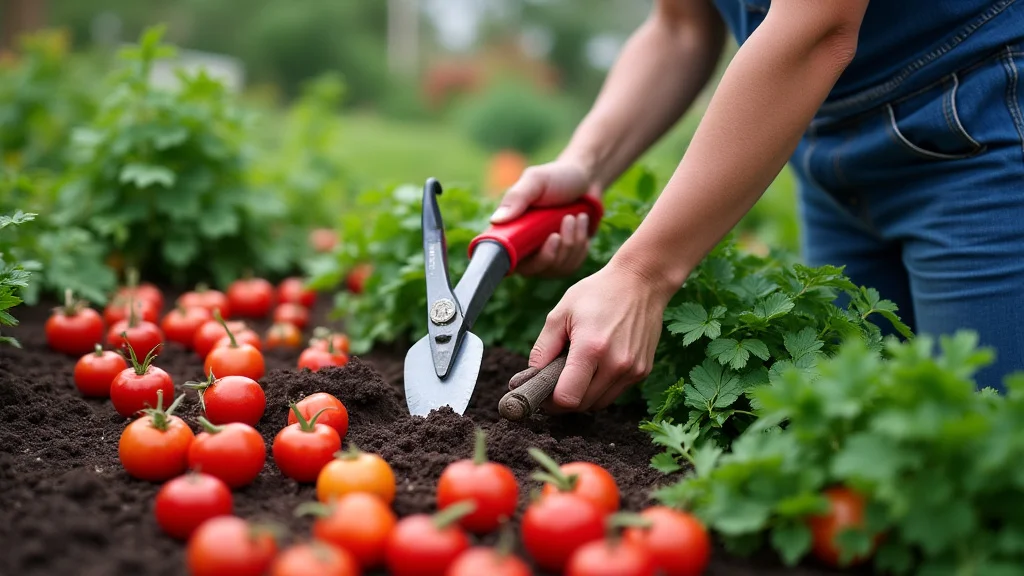
The sun beats down, and the soil beckons. You envision a thriving garden, bursting with life, perhaps a small patch of tomatoes or some vibrant herbs. But then, you realize you need tools. Remembering my own initial struggles, I know the feeling. Trying to dig a hole with a flimsy spoon or weed a bed with bare hands quickly turned my gardening dreams into a frustrating chore. This post provides you with a comprehensive guide to gardening tools tagalog. You’ll learn exactly what you need, with the right Filipino terms, to start or upgrade your garden setup. You’ll discover essential equipment, their Tagalog names, and how to use them, transforming you from a gardening novice into a confident “magtatanim”. This will equip you with knowledge, ensuring your gardening endeavors flourish and saving you valuable time and money.
Key Takeaways
- Learn the essential gardening tools tagalog terms and their uses.
- Discover the correct tools for planting, weeding, and soil preparation.
- Understand the importance of tool quality and how to select durable options.
- Find out where to buy these tools in the Philippines.
- Master basic maintenance tips for extending the lifespan of your tools.
- Gain confidence to cultivate your own thriving Filipino garden.
Essential Gardening Tools for Your Filipino Garden
The foundation of any successful garden, whether a small backyard plot or a larger area, lies in having the right tools. Selecting the correct implements ensures that gardening tasks, such as planting, weeding, and soil preparation, are easier and more efficient. Knowing the correct Tagalog names of these tools helps, too. This section focuses on the key implements every Filipino gardener should possess. We’ll explore the tools, their functions, and some helpful tips to maximize their utility. This will get you started towards the flourishing garden you’ve always desired.
Hand Tools: The Gardener’s First Friends
Hand tools are the workhorses of any garden. They’re what you’ll use most often and what you’ll rely on for the majority of the tasks you perform. From planting seedlings to cultivating the soil around your plants, these implements are indispensable. They are also incredibly versatile. Hand tools allow you to make precise movements, ensuring you have complete control over the job at hand. You can find them in almost every hardware store or gardening supply shop. They are often inexpensive and last a long time if properly cared for. These tools are the best place to start when assembling your gardening tools tagalog collection.
- Trowel (Kutsara): The trowel, or kutsara in Tagalog, is a small, hand-held tool with a curved blade and a handle. It’s perfect for digging small holes for seedlings, transplanting plants, and scooping up soil. It’s an indispensable instrument for the gardener, particularly when working in pots or raised beds. The kutsara helps you move plants safely, causing minimal disturbance to their roots.
- Hand Fork (Tinidor ng Kamay): A hand fork (tinidor ng kamay) is a small, multi-pronged tool. It is perfect for breaking up clods of soil, removing small weeds, and aerating the soil around plants. It’s a great companion to the trowel, as the fork loosens the ground. It prepares the soil to welcome the roots of your seedlings.
- Hand Rake (Kalaykay ng Kamay): The hand rake (kalaykay ng kamay) has a small head with tines. It’s used for leveling soil, removing small debris like leaves and twigs, and preparing seedbeds. It’s useful for creating a smooth surface for planting. It is similar to a bigger rake, only made for smaller jobs.
- Weeder (Pang-alis ng Damo): A weeder (pang-alis ng damo) is designed to remove weeds from the soil. It comes in various forms, including the “hula hoe” and other designs. It helps you get rid of unwanted plants that compete with your crops for water and nutrients.
For example, imagine you want to plant a newly bought tomato seedling. You would use your kutsara to dig a hole the correct size, place the seedling in, and gently cover it with soil. This precise action protects the seedling’s delicate root system, setting it up for success.
For instance, if your soil is compacted, a hand fork will help loosen it, increasing water and nutrient penetration to your plant roots. A loose soil structure encourages healthy root development, critical for thriving plants. The hand fork, used correctly, can also gently uproot shallow-rooted weeds, making your weeding efforts easier.
Suppose you just finished planting seeds in your garden. The kalaykay ng kamay is used to gently cover the seeds with a thin layer of soil. You can also lightly smooth the surface, ensuring seeds are in contact with the soil. The tool also clears the area of leaves. This helps create optimal growing conditions.
Weeders are essential for maintaining a healthy garden, and different types suit different needs. Using a weeder regularly prevents weeds from taking over your garden. With regular weed removal, your crops can get the nutrients and sunlight they need.
Long-Handled Tools: Power and Reach
Long-handled tools are essential for saving your back and extending your reach. They’re designed for larger tasks and work that would be difficult or exhausting using hand tools alone. With these implements, you can stand comfortably while digging, raking, or hoeing. The leverage provided by the long handles makes heavy work like turning soil or moving compost much more manageable. They are the tools you’ll need to make your garden a pleasant place to work, while also boosting productivity.
- Spade (Pala): The spade (pala) is a flat-bladed tool with a long handle. It is ideal for digging, turning over soil, and edging garden beds. Its design and sturdy construction make it perfect for tasks that require breaking up hard ground. It is also good for moving soil and compost from one place to another.
- Garden Fork (Tinidor sa Hardin): A garden fork (tinidor sa hardin) is similar to a spade, but it has tines instead of a solid blade. This makes it ideal for loosening compacted soil, aerating the soil, and turning compost piles. The tines easily pierce the ground.
- Rake (Kalaykay): The rake (kalaykay) has a long handle and a head with tines. It is used for leveling soil, removing debris like leaves and twigs, and preparing seedbeds. It helps create a tidy garden and is essential for many tasks.
- Hoe (Asarol): A hoe (asarol) has a long handle and a flat blade. It is used for weeding, cultivating the soil, and creating rows for planting. The blade can be used to slice off weeds. It can also move soil for planting.
When you’re preparing a new garden bed, the pala will become your best friend. It helps break through the soil surface. Use it to dig, turn, and aerate the soil. This crucial step ensures proper drainage and provides roots with the space to develop. Remember to choose a spade with a comfortable handle and a blade width that is right for the size of your garden.
Imagine you have a compost pile that is packed. A garden fork is perfect for turning and aerating the compost, speeding up the decomposition process and turning it into rich, fertile compost. Similarly, in your garden, the fork can loosen the soil. It can prevent soil compaction and promote drainage.
After you’ve done the heavy lifting, the rake becomes your finisher. For instance, after spreading compost on your garden bed, you will use a rake to level the surface, creating a beautiful planting area. The kalaykay is also useful for removing fallen leaves, which can keep your plants free from pests and diseases.
The asarol is a great tool for the continual fight against weeds. It cuts through the soil surface. This cuts weeds off at the root. The tool is excellent for creating clean rows for planting seeds. It also provides a neat and organized planting bed.
Watering Equipment: Nourishing Your Garden
Water is the essence of life for your plants, and having the right watering equipment is very important. Without sufficient and appropriate irrigation, even the most dedicated gardener will struggle. Choosing the right method depends on factors such as your plant types, the size of your garden, and climate conditions. A well-designed watering system delivers life-giving water directly to the plant’s roots, promoting healthy growth and preventing water wastage.
- Watering Can (Diligan): A watering can (diligan) is a portable container with a spout and a handle. It is perfect for small gardens and container plants. It gives you control over the water flow, directing the water precisely where your plants need it.
- Hose (Manga ng Tubig): A hose (manga ng tubig) is a flexible tube. It is used to transport water from your water source to your garden. It is an efficient method for watering larger areas or those further away from your water tap.
- Sprinkler (Pang-isprayan ng Tubig): A sprinkler (pang-isprayan ng tubig) distributes water over a large area, mimicking natural rainfall. This system is efficient for lawns and larger gardens. It can also save you time and effort compared to hand-watering.
When watering delicate seedlings or potted plants, the diligan becomes a tool of precision. You can gently water around the base of the plant, preventing the soil from getting too saturated. This is especially good for young or sensitive plants that are prone to disease if overwatered. You can also monitor how much water your plants receive.
For larger gardens, the hose is the best choice. With its length, you can easily reach various parts of your garden. You can attach different spray nozzles to vary the water pattern. This ranges from a gentle shower for seedlings to a powerful jet for cleaning equipment.
Sprinklers help water large grassy areas. They can be set up to water your plants in a continuous and consistent way. They help maintain moisture levels, especially in dry weather. Different sprinklers offer different spray patterns. This provides flexibility in managing watering needs.
Choosing the Right Tools for the Job
With the diverse gardening tools tagalog available, choosing the correct tools for your garden can be a little overwhelming. It is important to match your tools to your garden’s size and the types of plants you will be cultivating. Different sizes of gardens need different tools. Consider your specific needs, tasks, and plant types. When choosing the right tools, there are several factors to keep in mind, and these will help you maximize your success.
- Garden Size: The size of your garden will play a big role in your tool choices. For a small container garden or a compact backyard plot, hand tools and a watering can may suffice. For a larger vegetable patch or flower beds, long-handled tools and a hose are a necessity.
- Type of Plants: Different plants have unique needs, and so your tools should also match them. If you grow delicate flowers or herbs, you might prioritize a small, precise trowel and watering can with a rose head. For vegetables, a hoe and rake will be essential for creating rows and managing soil.
- Soil Conditions: Different soil types require different tools. If you have sandy soil, tools such as a rake are useful for leveling the soil and removing weeds. For heavy clay soil, a garden fork may be necessary to break up the compact ground and improve drainage.
- Durability and Quality: It’s always a good idea to focus on quality over quantity. Well-made tools made from durable materials will last longer and perform better than cheap, poorly constructed implements. Look for tools with strong handles, rust-resistant blades, and comfortable grips.
For a small urban garden, a small hand trowel, a hand fork, and a watering can will be enough. In contrast, for a larger garden, a spade, garden fork, rake, and hose will make your work much easier and more efficient. The right tools will match the scale of the area you intend to work on.
If you’re growing herbs, the kutsara is perfect for transplanting seedlings without damaging their fragile roots. If you are planting vegetables like tomatoes, the asarol is perfect for making neat rows and also weeding the area. By knowing the needs of your plants, you can select the most appropriate tools.
In sandy soil, a hand rake can make quick work of smoothing the soil and preparing it for planting. If you have clay soil, use a garden fork to help loosen the soil to help with aeration and drainage. Selecting tools based on your soil conditions will make your gardening endeavors easier and more productive.
Look for tools with solid, well-made handles. Stainless steel blades are preferable because they resist rust. Tools that feel good in your hand will make your work easier. Quality tools are an investment and will provide years of reliable service in your garden.
Where to Buy Gardening Tools in the Philippines
Once you know which tools you need, the next step is to acquire them. Luckily, gardening tools tagalog are readily available throughout the Philippines. From established hardware stores to local markets, you’ll be able to find everything you need to build your collection. Different options offer varying prices, selections, and levels of expertise. The following section will help you explore the best places to buy your gardening supplies. This knowledge will assist you to get the best tools for your garden.
- Hardware Stores: Big-box hardware stores are a good place to start. They offer a wide selection of tools, from hand tools to long-handled implements. They also provide various brands and price points, offering value and convenience.
- Garden Centers and Nurseries: Garden centers and nurseries specialize in gardening supplies and often have a more curated selection of tools. This is a good place to start for expert advice. They may carry specialty tools and products.
- Local Markets and Tiangges: Local markets and “tiangges” often have vendors selling a variety of tools at lower prices. While the selection might be more limited than what you would find in a hardware store, these locations can be a budget-friendly option.
- Online Retailers: Online retailers offer a vast range of gardening tools tagalog, often at competitive prices. You can browse from the comfort of your home. You can compare different brands and read customer reviews.
Hardware stores, such as Home Depot and ACE Hardware, carry the most well-known brands. They have everything you will need. They are easy to find and offer the convenience of shopping. You will also often find advice from staff members.
These specialized shops provide high-quality, professional-grade tools. You can often get expert advice from staff. They have tools that suit unique gardening requirements. They also carry seeds, fertilizers, and other related items. They are the ideal option if you desire in-depth gardening knowledge.
You can find good deals in local markets and “tiangges”. You may discover unique tools and enjoy the experience of supporting local vendors. The products offered may not always be of the highest quality. Examine the tools closely before your purchase.
Sites like Lazada and Shopee offer a wide selection of gardening tools. Online retailers offer convenience and the ability to find specific tools. Do your research. Be sure to check the seller’s rating and also read reviews before making a purchase. The online option provides access to many products, which means you can select the tools that suit your needs.
Basic Tool Maintenance for Longevity
Your gardening tools tagalog are an investment, and like any investment, they require care to last. Regular maintenance will increase the lifespan of your tools. Regular maintenance will make your gardening more efficient and enjoyable. Keeping your tools clean, properly stored, and well-maintained will extend their lifespan, protect them from damage, and ensure they are ready when you need them.
- Cleaning After Each Use: Cleaning your tools after each use is a simple but important step. Remove dirt, mud, and plant debris from the blades and handles. This prevents rust, corrosion, and the spread of diseases.
- Sharpening Blades: Keep your cutting tools sharp. Dull blades require more effort and can damage your plants. Use a file or sharpening tool to keep your spade, hoe, and pruners sharp.
- Storing Tools Properly: Store your tools in a dry, covered area. This protects them from the elements and prevents rust. Consider using a tool rack or hanging them on hooks.
- Lubrication: Lubricate the moving parts of your tools, such as the hinges of pruning shears. This prevents rust and ensures smooth operation. Use a light oil, such as WD-40, for lubrication.
After each use, simply wipe off any dirt or debris with a brush or cloth. For stubborn dirt, use soap and water. Proper cleaning prevents the accumulation of dirt. This helps keep your tools looking good and also protects them from environmental damage.
Regular sharpening of the blades on your tools will make your tasks much easier. Sharpening blades also ensures clean cuts. This reduces the chance of plant diseases. Sharpening should be done every season or whenever you notice the blades are not performing well.
A well-organized storage space will make it easier to find and retrieve your tools. Protect them from rain, direct sunlight, and extreme temperatures. A garage or garden shed is good. Keep the tools away from children.
Lubricating your tools ensures that the moving parts function properly. A simple spray of oil on the moving parts will stop rust and reduce friction. This step helps your tools continue to perform efficiently for many years.
Frequently Asked Questions
Question: What’s the best way to clean rusty tools?
Answer: You can remove rust from your gardening tools tagalog using several methods. For light rust, you can use steel wool or a wire brush to scrub it off. For heavier rust, you can soak the tools in white vinegar or a rust-removing solution, then scrub them. Afterwards, rinse and dry the tools thoroughly and apply a protective oil.
Question: How often should I sharpen my tools?
Answer: Sharpen your gardening tools tagalog whenever the blades feel dull. This will be more frequent if you use your tools often. As a general rule, sharpen blades at the beginning of each gardening season and as needed during the growing season.
Question: What’s the best way to store my long-handled tools?
Answer: Store your long-handled tools in a dry, covered area to prevent rust. You can use a tool rack to keep them organized. You can also hang them on hooks, making them easily accessible. This will also free up space in your garden shed.
Question: What if I don’t know the Tagalog name for a tool?
Answer: Don’t worry! Use the English term, and when possible, ask someone at a hardware store or a fellow gardener. Learning a few basic Tagalog terms is helpful, but the function of the tool is key. Also, feel free to use online resources to help you with the translations.
Question: What’s the most important tool to have for beginners?
Answer: A trowel (kutsara) and a hand fork (tinidor ng kamay) are fantastic starting points. These tools are the most versatile and are used for many different gardening tasks. Having these two tools will get any beginner well on the way to cultivating their own garden.
Final Thoughts
You’re now equipped with the knowledge to make informed decisions about your gardening tools tagalog. You’ve learned about essential tools, their Tagalog names, and how to use them, the importance of quality and where to buy them, as well as crucial maintenance tips. Having the correct tools makes gardening simpler. It helps you save money and increase your garden’s chances of success. Now, explore your local hardware stores, garden centers, or online retailers. Choose the tools that best suit your gardening goals and preferences. Don’t be afraid to experiment, to find what works best for you and your plants. The journey of gardening is one of learning and constant discovery. Start planting those seeds, and watch your garden flourish. Enjoy the satisfaction of nurturing life and producing your own food or beautiful flowers. Happy gardening!