
Remember that time you tried to plant a rose bush with a spoon? It didn’t end well, did it? We’ve all been there, struggling with the wrong tools. But don’t worry, you’re not alone! Many people start their gardening adventure without knowing the basic gardening tools names with pictures. This post will show you exactly what you need to get started and how to use each tool, making your gardening experience a whole lot smoother. You’ll gain a solid foundation in the gardening tools names with pictures, from hand tools to larger equipment, ensuring your garden thrives. This will save you time, effort, and frustration. Prepare to become a gardening pro!
Key Takeaways
- You’ll learn the different types of gardening tools, from small hand tools to larger equipment.
- You’ll see clear pictures of each tool, making identification easy.
- You’ll understand what each tool is used for in the garden.
- You will discover how to select the right tool for the job.
- You will learn about tool care to make them last longer.
- You will be ready to tackle any gardening project.
Essential Hand Tools for Every Gardener
Every gardener, from beginner to expert, needs a core set of hand tools. These are the tools you’ll use most often for planting, weeding, and general garden maintenance. Knowing the gardening tools names with pictures of these items and how to use them correctly is a fundamental first step for anyone starting their gardening hobby. Having the right hand tools will turn your garden work into a pleasure. They’re easy to maneuver and great for smaller tasks and detailed work.
Trowel
The trowel is probably the most commonly used hand tool. It’s a small, handheld shovel with a curved blade. The gardening tools names with pictures usually shows a simple, yet effective tool. It’s typically made from metal or hard plastic, and it’s perfect for a variety of tasks. You’ll use a trowel to dig small holes for planting seedlings, transplanting small plants, and scooping up soil. It’s also great for weeding in tight spaces. Choose a trowel with a comfortable handle and a blade that’s sturdy enough to withstand regular use.
- Planting Seedlings: Use the trowel to dig a hole that’s large enough to accommodate the seedling’s root ball. Gently place the plant in the hole, fill with soil, and lightly pat it down. This is one of the most common applications.
- Transplanting Small Plants: Carefully dig around the plant with the trowel, lifting it and its root system out of the ground. Replant it in its new location. Make sure you water the plant immediately after transplanting to help it settle.
- Weeding: Use the trowel to loosen the soil around weeds, making it easy to pull them out, roots and all. This is effective for small weeds, while larger ones might require a different tool.
Hand Fork
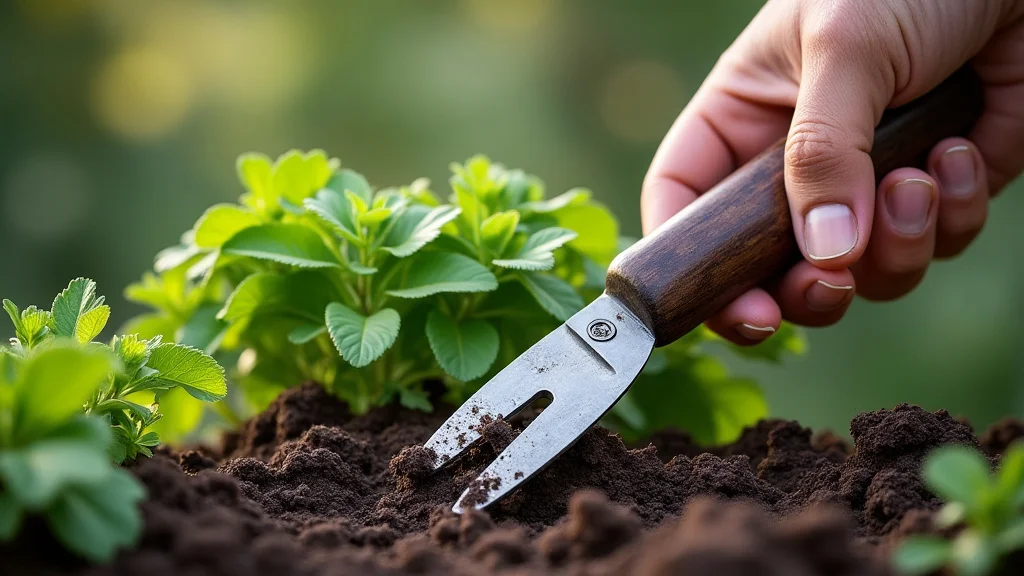
A hand fork is a small, three- or four-pronged tool that is a lifesaver. This helps in soil preparation. A quick search of gardening tools names with pictures will show you that it’s designed to loosen and aerate the soil. It’s also good for removing small rocks and breaking up clumps of soil. It’s often used for working in small areas, such as raised beds or containers, where a larger tool would be difficult to maneuver. Choose one that’s made from durable metal, so it can handle the tough work. Consider the handle to ensure it fits comfortably in your hand.
- Loosening Soil: Use the hand fork to gently break up compacted soil, allowing for better drainage and air circulation. Dig down a few inches and carefully work the fork back and forth.
- Removing Weeds: The hand fork helps lift weeds from the soil, especially those with taproots. This is a very useful tool for removing unwanted plants.
- Mixing Amendments: Incorporate compost or other soil amendments into the soil with a hand fork. This helps improve soil fertility and structure.
Hand Rake
The hand rake is a small version of the larger rake, ideal for tidying up small areas. Looking at gardening tools names with pictures, you will see it usually features a head with several tines. This is effective for smoothing soil, collecting leaves, and removing debris. The hand rake is perfect for small garden beds and containers. They are also useful for preparing soil for planting. Choose a hand rake with a comfortable handle and tines that are sturdy enough to handle the task.
- Smoothing Soil: After digging or tilling, use the hand rake to level the soil surface. This creates a neat base for planting seeds or transplanting.
- Removing Debris: Gather fallen leaves, small twigs, and other garden debris from the soil’s surface. This helps keep your garden looking tidy.
- Preparing Seedbeds: Use the hand rake to create shallow furrows for planting seeds. This helps ensure proper seed placement and depth.
Cutting and Pruning Tools
Keeping your plants healthy and well-shaped involves regular pruning. The right cutting tools will make this task easier and more effective. Understanding the different types of cutting tools and their uses is essential for maintaining a beautiful garden. When checking gardening tools names with pictures, you can often see different types, each with its own specific function. From trimming small stems to cutting larger branches, these tools are indispensable for any gardener.
Hand Pruners (Secateurs)
Hand pruners, also known as secateurs, are small, handheld shears used for cutting stems and small branches. They are one of the most used tools for this purpose. When you browse the gardening tools names with pictures of this type of tool, you will notice they come in two main types: bypass and anvil. Bypass pruners have blades that pass each other, making clean cuts ideal for live, green growth. Anvil pruners have a single blade that cuts against a flat surface, better suited for dead wood. Choosing the right pruner depends on the types of plants you have and the types of cuts you need to make.
- Pruning Stems and Small Branches: Use hand pruners to remove dead, damaged, or overgrown stems and branches. This helps the plant stay healthy and encourages new growth.
- Shaping Plants: Trim plants to maintain their desired shape and size. This will help them look neat and promote a balanced appearance.
- Harvesting Flowers and Herbs: Use hand pruners to cut flowers and herbs for bouquets or culinary use. This allows you to gather your harvest quickly and efficiently.
Loppers
Loppers are long-handled pruners designed for cutting thicker branches that hand pruners can’t handle. The long handles provide extra leverage, making it easier to cut through larger stems. When you view gardening tools names with pictures of loppers, you’ll see they often come in bypass or anvil styles, similar to hand pruners. Choose loppers based on the size and type of branches you need to cut. If you’re working with a lot of larger branches, bypass loppers are often preferred for their clean cuts, promoting the plant’s health.
- Cutting Thicker Branches: Loppers are perfect for cutting branches that are too thick for hand pruners. They are ideal for trimming shrubs and small trees.
- Pruning Hard-to-Reach Branches: The long handles of loppers allow you to reach branches that are out of arm’s reach. This will enable you to maintain your plants’ form without climbing or using a ladder.
- Removing Deadwood: Loppers can be used to remove dead or diseased branches from trees and shrubs. This will improve air circulation and prevent the spread of diseases.
Pruning Saw
A pruning saw is a saw designed for cutting thicker branches and limbs. Pruning saws are essential for any gardener. They are especially useful for cutting branches that are too large for loppers. If you want to expand your knowledge of gardening tools names with pictures, this is another tool to look for. Pruning saws are designed to cut through thick, woody growth. They come in various shapes and sizes. Folding saws are compact and easy to carry, while pole saws have long handles for reaching high branches.
- Cutting Large Branches: Use a pruning saw to remove large branches from trees and shrubs. Ensure you’re making a clean cut to promote healing.
- Removing Deadwood: Pruning saws are effective for removing dead or diseased branches, which can be larger and tougher to cut.
- Shaping Trees and Shrubs: Use the saw to shape trees and shrubs by removing unwanted branches. Maintain the desired form and size of your plants.
Soil Preparation and Cultivation Tools
Preparing the soil is a vital step for any successful garden. Proper soil preparation ensures that your plants have the nutrients and conditions they need to thrive. Several tools are useful for soil preparation and maintenance. Knowing the different gardening tools names with pictures for this category, along with their uses, can make this task much easier and more effective. From breaking up compacted soil to adding compost, these tools help create a healthy foundation for your plants.
Garden Hoe
The garden hoe is a versatile tool used for weeding, cultivating soil, and creating furrows. When looking at gardening tools names with pictures, you’ll see a long handle with a flat or angled blade. This is useful for slicing through weeds just below the soil’s surface, preventing them from resprouting. Hoes come in various styles, each designed for specific tasks. For example, a draw hoe is ideal for pulling soil towards you, while a push-pull hoe is designed to work in both directions.
- Weeding: Use the hoe to remove weeds by slicing them off at the soil’s surface. This is a practical and efficient way to keep your garden weed-free.
- Cultivating Soil: Gently break up the top layer of soil to improve aeration and drainage. This will also make it easier for plant roots to grow.
- Creating Furrows: Use the hoe to create shallow trenches for planting seeds. This helps ensure proper seed placement and depth.
Garden Fork
A garden fork is another versatile tool, best used for turning soil, breaking up clumps, and incorporating compost. When you look up gardening tools names with pictures of this, you’ll see it has long tines and a sturdy handle. It is ideal for larger areas. A garden fork helps improve soil structure, allowing water and air to move more freely. Choose a fork with strong tines and a comfortable handle for efficient use.
- Turning Soil: Use the garden fork to turn over the soil, mixing in organic matter and breaking up clumps.
- Breaking Up Clumps: The fork is useful for breaking up clods of soil, improving aeration.
- Incorporating Compost: Mix compost, manure, or other soil amendments into the soil with a garden fork. This enhances soil fertility.
Rake
Larger rakes are used for leveling soil, collecting debris, and moving large amounts of material. Checking out gardening tools names with pictures of a rake will give you an idea of its large size, along with its wide head with tines. This tool helps prepare soil for planting and maintain a tidy garden. The rake is great for removing stones, leaves, and other debris from the garden, and for leveling the soil surface. Choose a rake with a durable head and a comfortable handle.
- Leveling Soil: Use the rake to even out the soil surface before planting seeds or laying sod. This creates a neat base for your garden.
- Collecting Debris: Gather leaves, twigs, and other garden debris from your lawn or garden beds. This helps keep your garden looking tidy and healthy.
- Moving Materials: Rakes can move mulch or compost easily.
Watering and Irrigation Tools
Proper watering is essential for the health and growth of your plants. Having the right tools for watering ensures that your plants get the right amount of water. Looking at gardening tools names with pictures of irrigation tools will help you find the tools that fit your garden’s needs. From watering cans to sprinklers, the right tools will make watering your garden easier and more efficient.
Watering Can
The watering can is a simple, yet essential tool for watering plants, particularly in small gardens or containers. Browsing gardening tools names with pictures of watering cans will give you a variety of sizes and materials. The can usually has a spout with a rose (a perforated nozzle) to provide a gentle shower, or a solid spout for direct watering. Choose a watering can that is comfortable to carry and holds the right amount of water for your garden. Watering cans are also useful for watering delicate seedlings and plants where a gentle approach is needed.
- Watering Small Areas: Use the watering can to water individual plants or small garden beds. This allows you to control the amount of water your plants are receiving.
- Watering Seedlings and Young Plants: The gentle shower from the rose attachment is perfect for watering delicate seedlings and young plants without disturbing the soil.
- Adding Liquid Fertilizers: Watering cans can be used to apply liquid fertilizers to your plants. This helps ensure that the nutrients reach the roots.
Hoses and Sprinklers
Hoses and sprinklers are great for watering larger areas. When you are looking up gardening tools names with pictures, you will find many different hoses and sprinklers available. Hoses come in various lengths and materials. Sprinklers can cover a large area. Hoses are essential for reaching all parts of your garden, while sprinklers offer an efficient way to water lawns and large beds. Choose a hose that is durable and kink-resistant. Select sprinklers that are adjustable to cover your garden’s specific needs.
- Watering Lawns and Large Beds: Use a hose or sprinkler to water large areas of your lawn or garden beds. This is an efficient way to provide water to many plants at once.
- Controlling Water Flow: Some hoses and sprinklers have adjustable settings for controlling the water flow, so you can adapt your watering to your garden’s needs.
- Saving Time and Effort: Using hoses and sprinklers makes watering easier and faster, freeing up time for other gardening tasks.
Soaker Hoses and Drip Irrigation
Soaker hoses and drip irrigation systems are efficient ways to water plants directly at their roots. Soaker hoses slowly release water along their entire length. Drip irrigation systems use small tubes that deliver water directly to the plant’s roots. Finding gardening tools names with pictures of these systems can make the installation less intimidating. These systems conserve water, reduce water waste, and promote healthy plant growth. Soaker hoses and drip irrigation systems can be used for vegetable gardens, flower beds, and other areas where precise watering is beneficial. These help deliver water directly to the roots. This improves water efficiency.
- Water Conservation: Soaker hoses and drip irrigation deliver water directly to the roots, reducing water loss through evaporation and runoff.
- Preventing Diseases: By watering the roots, these systems keep the foliage dry, which reduces the risk of fungal diseases.
- Efficient Watering: These systems can water your plants slowly and consistently, ensuring that they receive the right amount of water.
Specialty Gardening Tools
In addition to the basic tools, there are also specialty tools that can make specific gardening tasks easier. These tools may be helpful depending on the type of gardening you’re doing. Researching gardening tools names with pictures of specialty tools can help you determine which ones you might need. From cultivating tools to tools for harvesting, these tools can greatly enhance your gardening experience.
Weeding Tools
There are many tools designed specifically for weeding. These make removing unwanted plants much easier. Reviewing gardening tools names with pictures reveals various weeding tools, each designed for a specific approach. For example, a dandelion weeder is perfect for removing taproots, while a weeding hoe is excellent for cutting weeds at the soil surface. Specialized weeding tools can help with removing weeds efficiently, saving you time and effort.
- Dandelion Weeders: These tools have a forked end to get to the taproot of the dandelion.
- Weeding Hoes: Weeding hoes are ideal for slicing through weeds at the soil surface, preventing regrowth.
- Long-Handled Weeders: These help you reach weeds without bending over, reducing back strain.
Transplanting Tools
Transplanting tools help with moving plants from one location to another. These are important tools if you’re growing seedlings or moving established plants. A search for gardening tools names with pictures of transplanting tools reveals several useful options. A transplanting trowel is perfect for digging up small plants with their root balls intact. A bulb planter can be used to create holes for planting bulbs and transplants, making the process much easier.
- Transplanting Trowels: Used for digging up small plants and moving them to their new locations.
- Bulb Planters: These tools help you dig holes easily for planting bulbs.
- Planting Dibbers: Used to create holes for seedlings and transplants.
Harvesting Tools
Harvesting tools are used to collect your fruits, vegetables, and flowers. Researching gardening tools names with pictures of harvesting tools helps identify the right tools for your crops. For example, harvesting shears are used for cutting flowers and herbs, while fruit pickers help you reach high fruits. Harvesting tools are essential for efficiently collecting your harvest without damaging the plants or fruits.
- Harvesting Shears: Used for cutting stems and harvesting flowers.
- Fruit Pickers: Tools with a basket on the end of a pole, to reach and pick fruits from high branches.
- Harvesting Knives: Small knives are useful for harvesting vegetables and fruits.
Tool Care and Maintenance
Proper care and maintenance will extend the life of your gardening tools. Simple maintenance tasks can prevent rust, ensure that your tools are working effectively, and keep you safe. Looking at gardening tools names with pictures is helpful, but proper care and maintenance are also essential to keep them in good condition for years. After each use, clean your tools to remove soil, sap, and plant residue. Keep tools sharp to ensure precise cuts and prevent damage to plants.
Cleaning Your Tools
After each use, clean your tools to remove soil, plant sap, and other residue. This helps prevent the spread of diseases. When exploring gardening tools names with pictures, you will notice that this is a very important step. Washing your tools also helps to prevent rust and corrosion. Use a brush or scraper to remove any dirt. Clean pruners and other cutting tools with alcohol to sanitize them.
- Remove Soil and Debris: Use a brush or scraper to remove soil, mud, and plant residue from your tools.
- Wash and Rinse: Wash your tools with soap and water and rinse them thoroughly to remove all traces of dirt and debris.
- Sanitize Cutting Tools: Use alcohol to sanitize pruners and other cutting tools to prevent the spread of diseases.
Sharpening Your Tools
Sharpening your cutting tools is vital for making clean cuts and preventing damage to your plants. Dull blades can tear stems instead of making a clean cut. Take a look at gardening tools names with pictures to remind yourself of these tools, and then sharpen your tools regularly. Use a file or sharpening stone to sharpen pruners, loppers, and other cutting tools. Always sharpen in the direction of the blade to maintain the cutting edge.
- Use a Sharpening Tool: Use a file or sharpening stone to sharpen pruners, loppers, and other cutting tools.
- Sharpen in the Correct Direction: Sharpen in the direction of the blade to keep the cutting edge.
- Check for Burrs: Remove any burrs from the blade after sharpening to ensure smooth cuts.
Storage and Protection
Proper storage is important to protect your tools from the elements and keep them organized. A well-organized tool shed or storage area makes it easier to find your tools. Checking out gardening tools names with pictures to organize your tools will make your gardening more fun. Store your tools in a dry, covered area to prevent rust and corrosion. Hang your tools on hooks or store them in a tool rack. Consider using a tool chest to keep your tools organized and protected.
- Store Tools in a Dry Place: Store your tools in a shed, garage, or other dry area to prevent rust and corrosion.
- Hang or Rack Your Tools: Hang your tools on hooks or store them in a tool rack to keep them organized and easy to access.
- Use a Tool Chest or Box: Use a tool chest or box to keep your tools organized and protected.
Frequently Asked Questions
Question: What’s the most essential tool for a beginner gardener?
Answer: The trowel is the most essential tool for beginner gardeners. It’s versatile for planting, transplanting, and weeding.
Question: How often should I sharpen my pruning shears?
Answer: Sharpen your pruning shears regularly, usually after every 2-3 uses, or when you notice the cuts are not as clean as they should be.
Question: What is the best way to prevent rust on gardening tools?
Answer: To prevent rust, clean your tools after each use, dry them thoroughly, and store them in a dry place.
Question: What is the difference between a hand fork and a garden fork?
Answer: A hand fork is a small, handheld tool for working in small areas, while a garden fork is larger, for turning soil in larger areas.
Question: Can I use household tools in my garden?
Answer: While some household items can be used, gardening tools are designed specifically for gardening tasks. They are more durable and efficient.
Final Thoughts
Armed with this guide to gardening tools names with pictures, you are ready to venture into the garden! From the essential hand tools like trowels and hand forks, to the cutting and pruning tools like loppers, you’ve learned about the key pieces of equipment. This information helps you build a solid foundation. You now understand how each tool functions and what tasks it’s designed for. Remember to care for your tools and maintain them for long-term use. Now, go forth, and use these tools to create a beautiful and thriving garden. Happy gardening!