
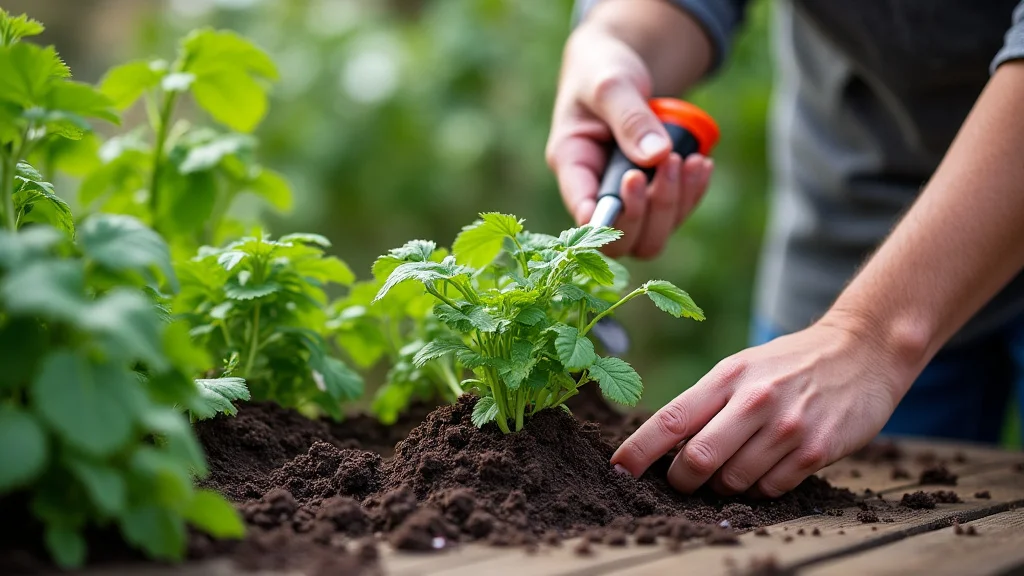
Remember that time you tried to plant a rose bush and ended up wrestling with a stubborn root ball using just your bare hands? Yeah, we’ve all been there! Choosing the right gardening tools can make the difference between a frustrating afternoon and a truly enjoyable gardening experience. This guide will help you build your own basic gardening tools names list, so you can handle any gardening task that comes your way. Get ready to transform your garden into a thriving paradise. You’ll gain a solid grasp of essential tools and learn how to use them, which will boost your gardening confidence and help you get the job done right, every single time.
Key Takeaways
- Identify essential tools for different gardening tasks.
- Learn the purpose of various gardening tools.
- Understand how to choose tools based on quality and your garden needs.
- Discover tools for planting, weeding, and maintaining your garden.
- Find out how to care for your gardening tools to extend their lifespan.
- Prepare to assemble your own comprehensive gardening toolkit.
Essential Gardening Tools Names List for Every Gardener
The world of gardening can be a bit overwhelming, especially when you’re just beginning. The variety of tools available seems endless. This guide aims to simplify things by focusing on the core tools you’ll truly need. This foundational list will set you up for success, allowing you to handle everything from preparing your soil to harvesting your bounty. We’ll explore the fundamental tools, covering their functions and the best ways to incorporate them into your gardening routine. It’s about building a toolkit that’s effective and easy to use.
Hand Trowel
The hand trowel is one of the most essential tools in any gardener’s arsenal. It’s a small, handheld tool with a curved, scoop-shaped blade. Think of it as your primary instrument for planting and transplanting seedlings, digging small holes for bulbs, and moving soil around in tight spaces, such as pots or raised beds. The hand trowel typically has a comfortable handle, allowing you to work with precision and control. Different styles have varying blade shapes: some are rounded, great for general use, and others are more pointed for tougher soil. It’s a versatile tool that quickly becomes indispensable.
- Planting and Transplanting: Ideal for digging small holes to plant seedlings or transplanting smaller plants, making the process neat and efficient.
- Weeding: Useful for removing small weeds from the ground and close to other plants.
- Mixing Soil: Excellent for mixing potting soil in containers or adding amendments.
When you want to add a new plant to your garden, the trowel is perfect for digging a hole just the right size for the roots, placing the plant, and then gently covering the roots with soil. Transplanting small plants, where you move them from one spot to another, is super easy with a trowel, too. You can carefully lift the plant, roots and all, and place it in its new home.
Sometimes, weeds pop up where you don’t want them. The trowel is your friend! You can use the sharp edge to get under the weeds and lift them out, roots and all. This is great for keeping your flowerbeds or vegetable patches neat and tidy. The small size makes it easy to work in tight spots without disturbing the plants you want to keep.
If you’re using a container to grow plants, your hand trowel is super handy for mixing up the soil. You can add things like compost or fertilizer and stir it all in with the trowel, making sure the roots of your plants get all the good stuff they need. This makes it easier to keep your plants healthy and thriving.
Hand Fork
The hand fork is a small, handheld tool with a handle and several tines or prongs, used primarily for breaking up soil, removing small weeds, and mixing compost or fertilizer into the earth. It is a fantastic companion to the hand trowel, offering a different set of capabilities for various gardening tasks. Unlike a hand trowel which is best for scooping, the hand fork excels at loosening and aerating soil, which is crucial for healthy root growth. Hand forks come in a variety of styles, with different numbers and shapes of tines, providing flexibility depending on the task and soil conditions.
- Loosening Soil: This is its main job, helping you break up compacted soil.
- Weed Removal: Great for pulling out weeds, especially those with small roots.
- Mixing and Aerating Compost: Helps integrate compost, manure, or other soil amendments.
When the soil in your garden is packed down, plant roots have a hard time growing. The hand fork lets you gently loosen the soil so roots can breathe and get the water and nutrients they need. Simply insert the fork into the soil and gently move it around, and the roots will benefit immediately.
The hand fork is very useful for getting rid of weeds that are growing in the soil around your other plants. It lets you get underneath the weed roots and gently pull them out without disturbing your other plants. This is an efficient way to keep your garden free of unwanted plants, helping your good plants to flourish.
If you use compost or other things to make your soil richer, the hand fork can help mix everything together. Mixing compost into the soil will give your plants all the nutrients they need to stay healthy, and that’s a plus! The fork ensures an even blend, which is great for root health.
Gardening Gloves
Gardening gloves are a must-have item on your gardening tools names list. They are not merely an accessory; they are a critical piece of equipment that protects your hands. Gardening gloves protect your hands from dirt, thorns, and rough surfaces while gardening. They shield your skin from irritation and injury, whether you are dealing with thorny roses, handling sharp tools, or simply getting down and dirty in the soil. There is a wide range of gardening gloves available, including lightweight options for general tasks and heavy-duty gloves for more demanding jobs. Choosing the right gloves means considering the type of gardening work, the materials and the fit.
- Protection from Cuts and Abrasions: Protects hands from injuries.
- Barrier Against Dirt and Chemicals: Keeps hands clean and safe.
- Enhanced Grip: Improves grip on tools and plants.
When you’re working in the garden, you’ll encounter all kinds of hazards. Gardening gloves create a barrier between your hands and sharp objects, like thorns, stones, and edges of tools. They stop scrapes and cuts, which could lead to infections.
Gardening can be messy. Gloves keep your hands clean from dirt, mud, and other materials. Some gloves are also coated to make them water resistant. You can also work with fertilizers, pesticides, and other chemicals without worrying about direct contact with your skin.
Gloves with a textured surface give you a better hold on your gardening tools, such as trowels, spades, and pruners. You’ll also find it easier to grab and move plants without accidentally dropping them. A good grip will reduce the chance of injuries, too.
More Essential Gardening Tools Names List
Once you’ve got the basics, there are a few other tools you’ll find essential as your gardening skills grow. These tools can make many gardening tasks easier, more enjoyable, and more efficient. The right tools can help you tackle more advanced gardening projects, from pruning trees to watering your plants. They are all crucial tools that should be a part of your gardening tools names list.
Gardening Hoe
The gardening hoe is an important tool used to break up soil and remove weeds. It has a long handle with a flat blade and is used with a swinging motion, making quick work of soil preparation and maintenance. A hoe’s primary purpose is to cultivate soil, which helps to aerate the ground and get rid of weeds. There are several types of hoes, each designed for a different purpose. The standard draw hoe, also known as the garden hoe, is ideal for general-purpose soil cultivation. The Dutch hoe, which cuts weeds just below the surface, is ideal for weeding on a larger scale. The choice of hoe depends on your needs and soil type.
- Weeding: Quickly eliminates weeds.
- Soil Preparation: Breaks up soil for planting.
- Creating Furrows: Makes rows for planting seeds.
The hoe is one of the best tools for removing weeds quickly from your garden. You can easily slice off weeds at the soil surface. This is really useful when you have a lot of weeds to handle, so it saves you time and effort.
Before you plant anything in your garden, you need to prepare the soil. A hoe can break up soil, getting it ready for planting. This step is important, as it helps plants grow. The hoe makes the process efficient. You can do this before planting seeds.
If you’re planting seeds in rows, a hoe makes it simple to make neat furrows. These rows give the seeds a place to grow. This is very useful when planting crops, allowing you to space them appropriately.
Pruning Shears (Secateurs)
Pruning shears, also known as secateurs, are hand-held tools used for cutting stems, branches, and other plant parts. Essential for maintaining the health and appearance of your plants, pruning shears allow you to remove dead or diseased growth, shape plants, and promote better air circulation. Choosing the proper pruning shears makes a big difference in how well you’ll care for your plants. Bypass pruning shears are ideal for making clean cuts, while anvil shears are better for cutting dead wood. The blade style is important, but so is the size, which can affect the type of plants you can prune.
- Pruning: Cutting stems and branches of plants.
- Shaping: Give plants a specific form.
- Harvesting: Cutting flowers and herbs.
Pruning shears are the most important tool for the routine pruning of shrubs, small trees, and other plants. They allow you to remove dead, damaged, or overgrown branches. Removing these stems enhances plant health, making them stronger and more productive.
You can use pruning shears to shape shrubs, hedges, and other plants. This is essential if you want to keep the plants looking nice. Pruning shears can give plants a specific shape. This is particularly crucial for formal gardens.
These tools are also useful when harvesting flowers, herbs, and other crops from your garden. Using shears to cut flowers will give you a clean cut. They are a good way to improve the appearance and health of your plants.
Watering Can
A watering can is a simple yet essential tool. It’s a container with a handle and a spout, often with a rose (a sprinkler head), used for manually watering plants. Watering cans come in different sizes and materials, and you can choose one that matches your needs and garden space. They’re excellent for watering individual plants, pots, or areas where hoses might be difficult to reach, or if you prefer a more targeted approach. Watering cans help you control the water flow, preventing water waste and the overwatering of plants.
- Targeted Watering: Delivering water directly to plants.
- Watering Pots and Containers: Ideal for small gardens.
- Gentle Watering: Less damaging to plants.
A watering can lets you control where water goes. You can water the soil near the roots of your plants. This is better than a hose if you want to avoid watering the leaves. This is great for keeping your plants healthy.
In small gardens, or if you’re growing plants in pots or containers, a watering can is the most convenient way to hydrate your plants. It’s much easier to carry a watering can than a hose. You can get into tight spaces with it.
The gentle flow from the rose on a watering can is gentle to your plants. This means your plants are less likely to get damaged compared to a powerful stream from a hose. This helps protect tender plants and seedlings.
Advanced Gardening Tools You Might Need
As you become more experienced, you’ll likely want to expand your toolkit with some specialized tools. These tools make more complex tasks much easier and help to maintain your garden. These tools are a step up in terms of what they can do, and they’ll help you expand your gardening experience.
Garden Fork
A garden fork is a larger version of a hand fork. It has long tines and a long handle. It is ideal for breaking up compacted soil, turning compost, and moving larger amounts of materials. A garden fork is particularly effective in working with heavier soils. Its robust design allows you to aerate soil more effectively, improving root growth and soil health. Garden forks come in different styles and sizes, suitable for various soil conditions and gardening tasks. Consider the size of your garden and the nature of the soil when choosing your garden fork.
- Turning Compost: Mixes compost piles, helping with decomposition.
- Moving Soil and Mulch: Transports large amounts of material.
- Aerating Soil: Breaks up compacted soil.
You can use a garden fork to turn your compost piles. Turning compost mixes the materials, which ensures that they break down evenly. This process is important if you want to produce nutrient-rich compost to use in your garden.
Garden forks will also let you move soil or mulch around the garden. Whether you are adding mulch to your flower beds or spreading soil around your garden, the garden fork makes these jobs much easier. This can really save you a lot of time and effort.
Garden forks are great for aerating the soil, which helps make sure that the plant roots get enough air. To aerate soil, simply stick the fork into the ground and gently rock it back and forth to loosen the soil. Doing this will let water and nutrients flow to the roots of the plants.
Spade
A spade is a flat-bladed tool with a long handle, used for digging, edging, and moving soil. It’s a key tool in gardening tools names list and is essential for tasks that require cutting through soil or creating clean edges. The flat blade makes it suitable for digging trenches, moving soil, and dividing plants. Spades are very useful for a variety of tasks, from preparing garden beds to building paths. Different blade shapes and handle designs are made to suit your comfort and the task at hand. Learning how to use a spade effectively is an important skill.
- Digging: Create holes for planting trees and shrubs.
- Edging: Creates neat borders for garden beds.
- Moving Soil: Transfers soil from one place to another.
You can use a spade to dig holes for new trees or bushes. The spade makes it easier to dig deeper and create wider holes, making sure that the plant’s roots have enough space to grow and get the nutrients they need to grow well.
Spades can be used to make neat edges for flower beds, lawns, or pathways. You can make clean lines by inserting the spade vertically into the soil and cutting along the edge. This provides a tidy look to your garden. This can help prevent the grass from spreading into your flower beds.
The spade is a great tool for moving soil. You can use it to move large amounts of soil. You can transfer soil from one place to another to fill raised beds or level uneven ground. This makes heavy tasks simple.
Choosing the Right Tools for Your Needs
With so many options, how do you pick the right tools for your garden? Choosing gardening tools involves considering the type of gardening you’ll do, the size of your garden, and the quality of the tools. Consider the specific gardening activities you’ll be doing. A vegetable garden demands different tools than a flower bed. Make sure to consider the size of your garden. A small backyard garden will need fewer tools than a large area. Quality tools will be very useful in your gardening. Investing in good tools makes all of your gardening easier. It’s also important to select tools that are comfortable to use, so you can enjoy your time in the garden!
Assessing Your Garden’s Requirements
Begin by analyzing what needs doing in your garden. Think about what types of plants you plan to grow and the soil conditions. If you have heavy clay soil, for instance, you’ll need tools designed to break it up, like a garden fork or spade. If your garden is small, you can get away with fewer tools. If your soil is sandy, a hand trowel and hand fork might be enough. The type of plants you are growing is also very important. Vegetables, flowers, and trees may all require different tools to grow and maintain.
Considering Tool Quality
The quality of your gardening tools impacts how well they perform and how long they last. Quality tools are often made of more durable materials. Look for tools with strong handles and rust-resistant blades. Good-quality tools will be easier and safer to use. They will perform better and last for many years. Tools made of hardened steel are a smart choice for their durability. The handles are also very important. Tools with ergonomic handles will reduce strain. This helps you work longer and with more comfort.
Prioritizing Essential Tools
If you’re starting, focus on the tools that meet your basic requirements. A hand trowel, hand fork, and gardening gloves are excellent starting points. These tools allow you to handle a range of tasks, from planting and weeding to small soil amendments. As you gain more experience, you can expand your gardening tools names list. You can get more specialized tools to meet more advanced requirements. Starting with a set of essential tools will help you gradually build your collection. This lets you develop your gardening knowledge and skills.
Maintaining and Caring for Your Gardening Tools
Taking care of your gardening tools is critical to ensure their long life and continued performance. The right care prevents rust, keeps blades sharp, and ensures your tools are ready for any gardening job. Proper care is the key to preventing the damage that can affect your tools. It also ensures that your tools last longer and perform at their best. With a bit of care, you can make your gardening tools names list last for years.
Cleaning Your Tools
After each use, clean your tools to prevent rust and damage. Remove any dirt or plant debris with a brush or cloth. Rinse your tools with water and dry them completely, especially the blades. Make sure to remove all traces of soil and moisture. This can cause rust and shorten the life of your tools. After drying, you can apply a light coat of oil to the metal parts of your tools. You can use oil to prevent corrosion and keep the blades in good condition. You can also use oil for moving parts.
Sharpening Blades
Keep the blades of your tools sharp. Sharp blades make clean cuts and require less effort. Sharpen blades regularly using a sharpening stone or file. A good sharpener will make it easier to work with plants. You should make a habit of sharpening your tools. Make sure you use a sharpener meant for the tool you are sharpening. Also, make sure that you are wearing protective equipment, such as gloves and eye protection.
Storing Tools
Store your tools properly. Keep them in a dry place to prevent rust. You can hang your tools on a wall or store them in a shed or garage. Make sure to keep the blades away from children. Store tools so they are easy to find and access. Make sure your tools are protected from weather elements. Store tools in a place that is safe from rain, snow, and extreme temperatures.
Frequently Asked Questions
Question: What’s the best way to clean rust off my gardening tools?
Answer: For light rust, scrub with steel wool or a wire brush. For heavier rust, soak the tool in vinegar for a few hours, then scrub and dry thoroughly.
Question: How often should I sharpen my pruning shears?
Answer: Sharpen your pruning shears at least once or twice a year, or whenever you notice the cuts are not clean and precise.
Question: What type of gloves are best for gardening?
Answer: It depends on the task! For general gardening, leather or synthetic gloves are excellent. For thorny plants, use gloves with long cuffs and reinforced palms.
Question: Where should I store my gardening tools?
Answer: Store your tools in a dry shed, garage, or tool rack. This keeps them protected from the elements and organized for easy access.
Question: How can I prevent my tools from rusting?
Answer: After each use, clean your tools and dry them completely. Apply a light coat of oil to the metal parts to prevent rust from forming.
Final Thoughts
Building your own gardening tools names list doesn’t have to be complicated. Start with the basics: a trowel, a hand fork, gloves, and a watering can. These tools will enable you to plant, weed, and water, setting you up for success. As your gardening grows, add a hoe, pruning shears, and a spade to handle more tasks. Caring for your tools will help them last for many years. Always keep your tools clean, sharpened, and stored properly. Proper maintenance will also improve your efficiency and help you enjoy gardening more. You now have the knowledge to create your own gardening tool kit. So, grab those tools, get outside, and start growing. Happy gardening!