
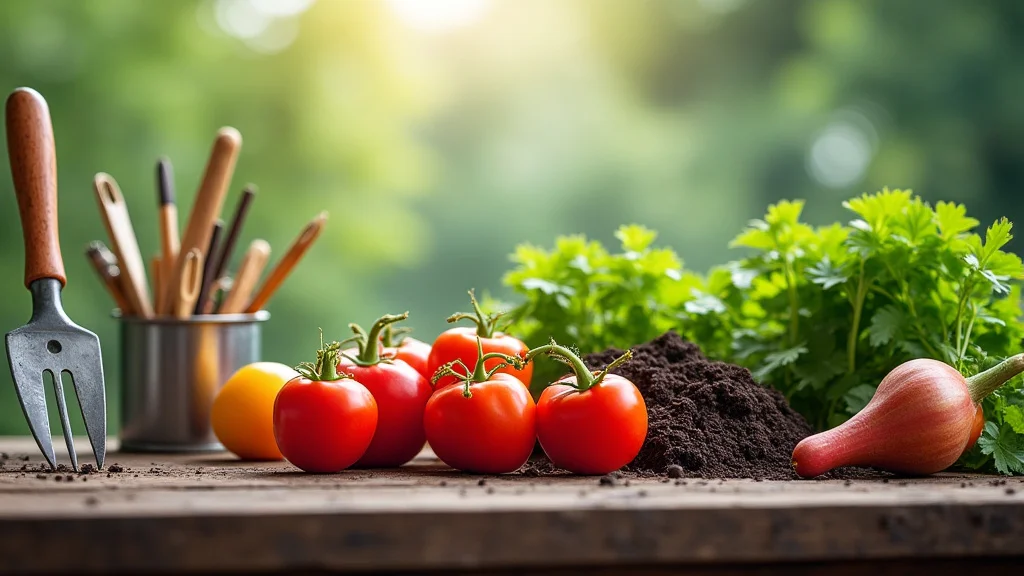
Remember that time you tried to help your parents in the garden, and you weren’t sure what anything was called? Maybe you grabbed the wrong tool and ended up with a muddy mess! Well, this post is here to help! We’re going to explore the fun world of gardening tools names and pictures for kids. You’ll learn the names of different tools, what they do, and even get some cool pictures to help you remember. This guide is made for young gardeners like you, so you can become a gardening pro! You’ll be able to help out in the garden with confidence and maybe even start your own little garden project! By the end, you’ll feel confident identifying and using these tools. This will boost your confidence and make gardening even more enjoyable.
Key Takeaways
- You will learn the names of common gardening tools.
- You will discover what each tool is used for in the garden.
- You will see pictures of the tools to help you identify them.
- You’ll understand how to use these tools safely and effectively.
- You will be equipped to help in the garden with confidence.
- You will be inspired to explore gardening and growing your own plants.
Unearthing the Basics: Essential Gardening Tools
Every great gardener starts with the right equipment. Just like a chef needs pots and pans, a gardener needs tools. These tools make the work easier and help plants grow strong and healthy. We will go through the main gardening tools names and pictures for kids in this section. Learning about these tools is your first step to being a successful gardener. Once you know them, you’ll be ready to dig in and have some fun!
The Trowel: Your Tiny Spade
A trowel is a small hand tool with a curved, scoop-shaped blade. It’s perfect for digging small holes, transplanting seedlings, and scooping up soil. Think of it as a little shovel for your hands! It’s super handy for getting your hands dirty and planting your favorite flowers or vegetables. The trowel is small, easy to use, and perfect for many different garden tasks.
- Purpose: Digging small holes and moving soil.
- How to use it: Hold the trowel firmly and push the blade into the soil.
- Safety tips: Always point the blade away from yourself and others.
- Fun Fact: Trowels are often made of metal or strong plastic.
The main job of a trowel is to dig holes for planting seeds or small plants. It’s also great for scooping up soil to fill in those holes. Think of it as a small scoop for your gardening projects.
Hold the trowel firmly and push the blade into the soil. Scoop up the soil and use it to plant seeds or transplant seedlings. Be gentle when working around roots.
When using the trowel, always be careful. Point the sharp end away from yourself and other people to avoid accidents. It’s always smart to garden with an adult.
Trowels come in many different materials. Some are made of metal, like stainless steel, which won’t rust. Others are made of strong plastic, so they are lightweight. Choose one that feels good in your hand!
The Hand Fork: A Miniature Rake
The hand fork is a small tool with several tines, or prongs, like a tiny fork. It’s great for loosening soil, removing weeds, and mixing in compost. It helps to prepare the soil for planting by making it easier for roots to grow. Imagine this tool as a tiny rake to make the soil light and fluffy.
- Purpose: Loosening soil and removing weeds.
- How to use it: Gently push the tines into the soil and lift.
- Safety tips: Keep the tines away from your skin and eyes.
- Fun Fact: Hand forks are excellent for aerating soil.
The primary use of a hand fork is to loosen the soil in small areas, which helps the plants’ roots grow more easily. It’s also great for gently removing pesky weeds.
Gently push the tines of the hand fork into the soil. Lift up to loosen the dirt and remove weeds. Work carefully to avoid damaging plant roots.
Be careful when using the hand fork. The tines can be sharp. Keep them away from your skin and eyes.
The hand fork helps let air reach the roots of the plants, which helps them breathe. This is a super important part of a healthy garden!
The Hand Rake: Tidying Up the Garden
The hand rake is a small tool with a head of teeth attached to a handle. It’s used for smoothing soil, removing leaves, and gathering small debris. Using this tool is like giving the garden a haircut. This prepares the soil for planting and keeps everything neat and tidy. This is an awesome tool to prepare the soil.
- Purpose: Smoothing soil and removing debris.
- How to use it: Drag the teeth across the surface of the soil.
- Safety tips: Watch out for sharp sticks and stones.
- Fun Fact: Hand rakes come in different sizes for different tasks.
The main tasks for a hand rake include smoothing the soil surface after digging or planting. Also, it helps clean up leaves and small pieces of trash.
Hold the rake by the handle and drag the teeth across the surface of the soil to smooth it. For removing debris, gently rake it towards you.
Be careful when using the rake, because it could snag on sticks and stones. Look carefully before you start to make sure the area is clear.
You can get hand rakes in different sizes! Some are small for use in raised beds or small containers, while others are a bit larger for bigger tasks.
Watering Wonders: Essentials for Thirsty Plants
Water is essential for plant life. These tools help you deliver water in the best possible way. From watering cans to hoses, we’re going to examine the watering tools that help keep plants healthy and happy. Proper watering ensures plants get the hydration they need to thrive. Let’s explore the cool watering options.
The Watering Can: The Classic Choice
The watering can is a container with a handle and a spout, often with a rose (a sprinkler head) at the end. It’s great for watering small areas and individual plants. It gives you precise control over where the water goes. This is a very common tool, and you probably have one at your house.
- Purpose: Watering individual plants and small areas.
- How to use it: Fill with water and gently pour at the base of the plant.
- Safety tips: Carry the can carefully, and watch for spills.
- Fun Fact: Watering cans come in many different shapes and sizes!
The main task for a watering can is to give water directly to the plants. It’s good for small gardens or when you only need to water a few plants.
Fill the can with water, hold it steady, and pour water at the base of the plants, where the roots are. Be careful not to pour too hard, because it could damage the plant.
The can can be heavy when it’s full. Carry it carefully to avoid spilling or dropping it. Watch out for puddles.
You can find watering cans of different colors, shapes, and sizes. Some are made of metal, and some are made of plastic. Have fun choosing your favorite!
The Garden Hose: A Stream of Water
A garden hose is a long, flexible tube used to deliver water to your garden. It is great for watering large areas and keeping the garden well-hydrated. With a nozzle, you can control the water stream. Hoses are very convenient for reaching different parts of the garden.
- Purpose: Watering large areas and washing plants.
- How to use it: Connect to an outdoor faucet and use a nozzle to control the water flow.
- Safety tips: Be careful not to trip over the hose, and turn off the water when done.
- Fun Fact: Hose nozzles offer different spray patterns.
The primary use of a garden hose is to water larger areas of the garden quickly and efficiently. You can also use it to wash leaves and clean your tools.
Connect the hose to an outside faucet and attach a nozzle. Use the nozzle to control the water flow. Point it at the base of the plants for proper watering.
Always watch out for tripping hazards like the hose. Turn off the water when you are done to save water and avoid leaks.
Hoses come with nozzles that can create different spray patterns. This helps make watering easier. Some give a gentle shower, while others give a strong stream.
Planting and Growing: Tools for Green Thumbs
Planting and growing are the most fun parts of gardening! This section goes over tools that help you plant seeds, nurture your plants, and watch them flourish. Each tool helps in different stages of the plant’s life. Now, let’s explore the tools that are crucial to getting started.
The Seed Tray/Pots: Giving Seeds a Head Start
Seed trays and small pots are containers used to start seeds indoors before planting them in the garden. They give young plants a safe and controlled environment to grow. Starting seeds indoors means that you can get a head start on the growing season. This helps your plants grow earlier in the year.
- Purpose: Starting seeds indoors and transplanting seedlings.
- How to use it: Fill with seed-starting mix, sow seeds, and water gently.
- Safety tips: Be gentle when transplanting seedlings.
- Fun Fact: They help you grow plants even if you have a short growing season.
These trays and pots are designed to provide a safe place for seeds to start growing. They are also used to help move young plants to the garden.
Fill the containers with a soil mix made for starting seeds. Plant the seeds following instructions. Keep the soil moist and let the plants grow.
When you are ready to move the seedlings to the garden, be very careful so you do not hurt the roots.
If you don’t have a long growing season in your area, starting seeds indoors gives your plants a head start. Then you can plant them outside when it’s warmer.
The Dibber: Making Perfect Holes
A dibber is a pointed tool used to make holes in the soil for planting seeds or seedlings. It makes it easy to space your plants evenly. This is useful for making sure that plants have enough space to grow properly. It is the perfect tool for getting your seeds or seedlings in the ground.
- Purpose: Making holes for seeds and seedlings.
- How to use it: Push the pointed end into the soil to create a hole.
- Safety tips: Use it gently and be careful when poking the soil.
- Fun Fact: Dibbers come in different sizes, so they work for different types of seeds and seedlings.
The primary use of a dibber is to make holes in the soil, so you can easily put seeds or small plants into the ground.
Press the pointed end of the dibber into the ground. Then remove it to make a hole. Drop the seed or seedling into the hole and cover it.
Use the dibber with care. Don’t push it too hard into the ground or risk damaging the roots of nearby plants.
Dibbers are available in different sizes! This means that you can find the right size to use for small seeds or for larger seedlings.
Weeding and Soil Care: Keeping the Garden Tidy
Maintaining a neat and healthy garden is essential, and weeding and soil care are important parts of that process. By using the right tools, you can keep your garden free of unwanted plants and maintain good soil conditions. In this section, we’ll examine the tools for taking care of your soil.
The Weeder: Saying Goodbye to Weeds
A weeder is a tool with a long handle and a forked or hooked end used for removing weeds from the garden. It is designed to pull weeds out by the roots. This keeps your plants healthy by removing competition for resources. This helps ensure that your plants can grow to their full potential.
- Purpose: Removing weeds from the garden.
- How to use it: Position the forked end around the weed and pull it out.
- Safety tips: Watch out for thorns and other sharp objects.
- Fun Fact: Weeding helps your plants get the nutrients they need to grow.
The main task of a weeder is to pull up weeds from the garden, so that they do not steal water and nutrients from your plants.
Place the forked or hooked end of the weeder around the weed’s base. Pull it up carefully to get the whole root.
When you are weeding, you should watch out for sharp thorns or other hazards. Always take care.
By removing weeds, you give your plants space and nutrients, helping them grow healthy and strong. This is super important to maintaining your garden.
The Hoe: Turning the Soil
A hoe is a long-handled tool with a flat blade used for weeding, loosening soil, and creating rows. This is like a very large tool. It is an important instrument for maintaining the soil. It makes the soil easier to work, so your plants can grow and be healthy. They are very useful for preparing the soil.
- Purpose: Weeding, loosening soil, and creating rows.
- How to use it: Swing the blade horizontally across the surface of the soil.
- Safety tips: Use with care, and keep the blade away from your feet.
- Fun Fact: Hoes have been used for gardening for thousands of years.
The primary uses of a hoe include weeding and loosening soil. It is also used to make rows for planting seeds.
Hold the hoe by the handle. Swing the blade across the surface of the soil. Be careful not to hurt your plants.
Use the hoe carefully and make sure that you are not going to hit your feet with the blade. Maintain awareness of your surroundings.
Hoes are one of the oldest gardening tools. They are a helpful tool for gardeners for many, many years!
Gardening Tool Pictures for Kids: A Visual Guide
Let’s add some pictures to go with the gardening tools names and pictures for kids! It’s fun to see how the tools look. I’ve included some pictures of the tools we’ve explored. Pictures make it easier to remember the tools. Let’s make it easy to remember the tool names.
Here are some examples of tools with pictures.
A trowel is a small, handheld tool with a scoop-shaped blade. It’s perfect for digging small holes and planting.
The hand fork has tines, or prongs, used for loosening soil and getting rid of weeds.
A watering can is a container with a spout that is perfect for watering your plants.
A garden hose is a long tube used to water large parts of the garden. Remember to put the hose away!
Seed trays are used to start seeds indoors. You can use this to get your plants growing!
A dibber makes holes in the soil for planting seeds or seedlings. Using a dibber will make sure you get everything placed properly.
A weeder is for removing unwanted plants from the garden. Get those pesky weeds out of there!
A hoe is a larger tool used to prepare the soil and weed larger areas. This is perfect for the bigger jobs.
Using Gardening Tools Safely
Knowing how to use gardening tools names and pictures for kids is only half the battle. Learning how to use them safely is super important. Gardening can be a blast. You will have a safe, fun, and happy time in the garden.
- Always Ask for Help: If you’re unsure how to use a tool, ask an adult.
- Wear Gloves: Gloves help protect your hands.
- Watch Your Surroundings: Be aware of where you are and what’s around you.
- Store Tools Properly: Put tools away when you’re finished.
Never start using a gardening tool without asking a parent or teacher first. They can show you the right way to use each tool.
Wearing gloves protects your hands from dirt, thorns, and other things you may encounter in the garden. This helps you have a safe and fun experience!
Always watch out for other people, pets, or any hazards in your area. This includes things like tripping hazards.
After you are finished using your tools, make sure they are put away in a safe place. Keep them out of the reach of young children.
Gardening Tool Quiz
Now that you know all the gardening tools names and pictures for kids, let’s have a quiz to make sure you remember everything. It’s time to test your knowledge! Let’s see how much you have learned.
- What tool is used to dig small holes?
- What tool has tines and loosens soil?
- What is used to give water to your plants?
- What do you use to start seeds indoors?
- What tool removes weeds?
The trowel.
The hand fork.
The watering can or garden hose.
Seed trays or pots.
The weeder.
Frequently Asked Questions
Question: What’s the best way to clean my gardening tools?
Answer: Rinse your tools with water after each use to remove dirt and debris. Wipe them dry, and store them in a dry place to prevent rust.
Question: How can I tell which tool to use for a specific job?
Answer: Think about the task. If you’re digging, use a trowel. For weeding, grab the weeder or hoe. For watering, reach for the can or hose.
Question: Can I use adult-sized tools?
Answer: It’s best to use tools made for kids. These are the right size and safer to use. Always have an adult supervise when you are gardening.
Question: Where should I store my gardening tools?
Answer: Store your tools in a shed, garage, or another dry place where they are easy to access. Make sure they are out of the reach of young children.
Question: What are the benefits of using a hand rake?
Answer: Hand rakes help smooth the soil, remove leaves, and create a neat and tidy garden bed. They make your garden look great.
Final Thoughts
You have made it to the end! You are ready to start gardening! You now have the knowledge and tools to get started with your own garden. You now know all the gardening tools names and pictures for kids, how to use them, and how to stay safe. Remember, gardening is a wonderful way to connect with nature, grow food, and have fun. The best advice is to practice and ask questions as you learn. Start small, maybe with a pot of flowers or a small vegetable patch. Don’t be afraid to try new things and make mistakes. Happy gardening, young gardeners!