
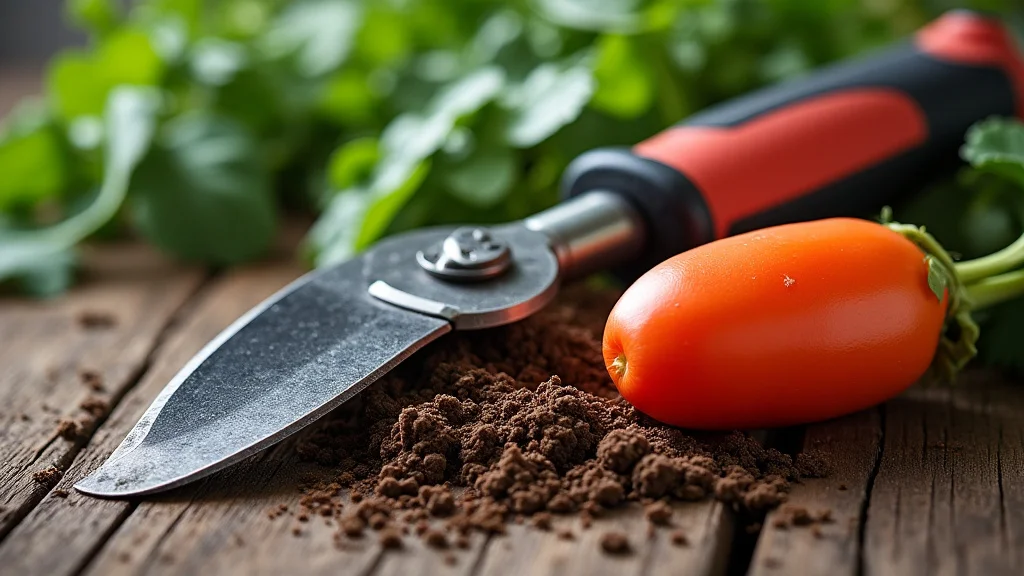
Remember that time you tried to plant a rose bush and ended up with more dirt on you than in the ground? Yeah, gardening can be like that if you don’t have the right tools! Whether you’re a seasoned gardener or just starting, knowing the gardening tools names and pictures can make all the difference. This guide will help you identify essential tools, so you can plant with confidence and avoid those muddy mishaps. You’ll learn the different gardening tools names and pictures and how to use them, transforming your gardening experience.
Key Takeaways
- Learn to identify essential gardening tools.
- Understand the function of each gardening tool.
- Discover the different types of tools for various gardening tasks.
- Gain confidence in choosing the right tool for the job.
- Find resources for purchasing and maintaining your gardening tools.
- Improve your gardening efficiency and enjoyment.
Essential Gardening Tools: A Beginner’s List
Getting started with gardening doesn’t require a mountain of equipment. A few well-chosen tools can handle most tasks, from preparing the soil to harvesting your bounty. We’ll start with the basics, those must-have items that every gardener, regardless of experience, should have in their toolkit. These are the tools that will make the job easier, more effective, and a lot more enjoyable.
Hand Trowel
The hand trowel is a small, handheld shovel, typically with a curved blade and a comfortable handle. It’s one of the most versatile tools in the garden. Imagine trying to plant a small seedling without one; it’s practically impossible! A hand trowel is primarily used for digging small holes for planting seeds, seedlings, and bulbs. It’s also great for scooping up soil, mixing in amendments like compost, and transplanting small plants. The curved blade helps scoop up soil easily and the handle provides leverage for digging.
-
Uses: Planting seeds, seedlings, and small plants; transplanting; digging small holes; mixing soil.
This is your go-to tool for delicate work. Picture gently placing a tiny tomato seedling into its new home. The hand trowel is perfect for this, allowing you to carefully maneuver around the roots without causing damage.
-
Features: Curved blade, comfortable handle, often made of stainless steel or carbon steel.
Look for a trowel with a sturdy handle and a blade that won’t bend easily. Stainless steel is a good choice for rust resistance. Consider the handle shape; a well-designed handle will reduce hand fatigue during extended use.
-
Maintenance: Clean after each use; store in a dry place.
After each session, wipe the trowel clean with a damp cloth or rinse it under running water. A little oil, applied occasionally, will help prevent rust and keep the blade in top shape. Proper storage ensures longevity.
Hand Fork
The hand fork, or garden fork, is a small, handheld tool with three or four tines. It looks like a miniature version of a digging fork. This tool is often underestimated, but it is super helpful. The hand fork excels at loosening compacted soil, aerating the ground, and removing small weeds and debris. It is a perfect tool for working around established plants without disturbing their roots. It is also good for breaking up clumps of soil and mixing in compost or other soil amendments.
-
Uses: Loosening soil; aerating; weeding; mixing soil.
Imagine your soil is a little tightly packed. The hand fork is ideal for gently loosening it up so that water and nutrients can reach the roots of your plants. It’s also great for pulling out small weeds, root and all.
-
Features: Three or four tines, a comfortable handle, made of metal.
Like the hand trowel, look for a hand fork with a sturdy handle and tines. The tines should be strong enough to withstand some force, and the handle should fit comfortably in your hand.
-
Maintenance: Clean after use, store in a dry place.
Simple maintenance is crucial. Rinse off any dirt and debris after use. A quick wipe down and proper storage will prevent rust and prolong the life of the tool.
Gardening Gloves
Gardening gloves aren’t just an accessory; they’re essential for protecting your hands. They shield you from dirt, thorns, and potential irritants. Gloves also improve your grip and make it easier to handle tools and plants. Choosing the right gloves can significantly impact your comfort and efficiency in the garden.
-
Uses: Protecting hands from dirt, thorns, and irritants; improving grip.
Think about the rose bushes with their prickly thorns or handling soil that can dry out your skin. Gardening gloves are your barrier against these challenges, making the work cleaner and more comfortable.
-
Features: Various materials (leather, fabric, nitrile), different levels of protection.
Choose gloves based on your needs. Leather gloves offer excellent protection against thorns. Fabric gloves are good for general use. Nitrile gloves are a great choice for tasks that need dexterity, like transplanting.
-
Maintenance: Clean after each use; air dry.
Wash your gloves after each use, depending on the material. Leather gloves may need special care. Always let them air dry completely before storing them.
Watering Can or Hose
Water is the lifeblood of your garden, and you need a way to deliver it to your plants. A watering can is perfect for smaller gardens and containers. A hose is better for larger areas, allowing you to water more efficiently. The choice depends on the size of your garden and your watering needs.
-
Uses: Watering plants; providing essential moisture.
Imagine your thirsty plants on a sunny day. A watering can or hose helps provide the water they need to thrive. Proper watering is essential for healthy growth and abundant harvests.
-
Features: Watering cans come in different sizes and materials; hoses vary in length and material.
Choose a watering can that’s easy to carry and fits your needs. Hoses come in various lengths and materials. Consider a retractable hose for easy storage.
-
Maintenance: Drain the watering can after use; store hoses properly.
Empty your watering can after watering. For hoses, drain them before storing them to prevent freezing and damage. Properly stored equipment extends its lifespan.
More Tools for Expanding Your Gardening Capabilities
Once you’ve mastered the basics, you may want to expand your toolkit with additional tools that address specific gardening tasks. These tools can increase the efficiency and enjoyment of your gardening efforts. Some may be necessary for tasks such as weeding, pruning, and harvesting. Depending on the size of your garden and the plants you grow, some of the following tools may be beneficial.
Garden Hoe
A garden hoe is a long-handled tool with a flat blade attached at a right angle to the handle. It’s one of the most useful tools for soil management and weeding. It is used for cultivating the soil surface, removing weeds, and creating furrows for planting. This tool allows for the easy removal of weeds and keeping your garden tidy and your plants healthy. There are different types of hoes, each designed for a specific task or soil condition.
-
Uses: Weeding, cultivating soil, creating furrows.
A garden hoe makes quick work of weeding. It can also be used to create shallow trenches for planting seeds or to hill up soil around plants.
-
Features: Long handle, flat blade, various blade shapes (e.g., draw hoe, scuffle hoe).
Consider the type of hoe that will work best in your garden. The draw hoe is used by pulling the blade toward you. Scuffle hoes have a blade that cuts back and forth.
-
Maintenance: Clean blade after use; store in a dry place.
Keep the blade sharp and clean. Sharpening can be needed for efficient weeding.
Gardening Fork
The digging fork, or garden fork, is a long-handled tool with four or more tines, similar to a hand fork but much larger. It’s used for turning over soil, aerating, and mixing in amendments like compost. This tool is a great asset in preparing the soil for planting and improving its overall condition. It’s also helpful for breaking up clumps of soil and removing rocks.
-
Uses: Turning soil, aerating, mixing in amendments.
Prepare your soil for planting by turning it over with the fork to loosen and aerate it. This tool is also helpful for incorporating compost or other soil amendments.
-
Features: Long handle, sturdy tines.
A durable digging fork is a worthwhile investment. Look for one with strong tines that won’t bend under pressure and a handle that is easy to grip.
-
Maintenance: Clean after use; store in a dry place.
Clean your fork after use. Properly stored equipment lasts longer.
Pruning Shears
Pruning shears, also called hand pruners or secateurs, are small, handheld scissors used for cutting stems and branches. They are crucial for maintaining the shape and health of your plants. This tool is used for trimming dead or overgrown growth and promoting new growth. Choose the right type of pruners for your specific plants and tasks.
-
Uses: Trimming plants, removing dead or diseased growth.
Keep your plants healthy and well-shaped by regularly pruning them with pruning shears. Removing dead or diseased branches also prevents the spread of diseases.
-
Features: Bypass and anvil types; choose based on needs.
Bypass pruners have a blade that passes by another blade, making clean cuts. Anvil pruners have a blade that cuts against a flat surface. Bypass pruners are generally better for live plants.
-
Maintenance: Sharpen the blade; clean after use; store properly.
Keep your pruners sharp for clean cuts. Clean the blades after each use to prevent the spread of diseases. Store them in a dry place.
Garden Rake
A garden rake is a long-handled tool with a row of teeth, used for leveling soil, removing debris, and gathering leaves. It is valuable for maintaining a neat and tidy garden. The rake is also a great tool for smoothing the soil surface before planting and preparing the seedbed. The type of rake you need will depend on the tasks you do.
-
Uses: Leveling soil, removing debris, gathering leaves.
Prepare your soil for planting or tidy up your garden after a storm with a garden rake. It is also good for spreading mulch evenly.
-
Features: Various head styles (metal, plastic, bamboo), different tooth spacing.
Choose a rake that suits your needs. Metal rakes are usually more durable. Wider-spaced teeth are good for removing debris, while closer-spaced teeth are good for leveling.
-
Maintenance: Clean after use; store properly.
Rinse off any dirt or debris after each use and store the rake in a dry place to prevent rusting or damage.
Tool Selection, Storage, and Maintenance
Choosing the right tools, maintaining them properly, and storing them safely are key elements of a successful gardening experience. Considering these aspects will improve the efficiency and longevity of your tools, leading to a more pleasurable and productive time in your garden.
Choosing the Right Tools
The right gardening tools names and pictures can make a huge difference in the ease and effectiveness of your gardening efforts. Take the time to consider the types of plants you will grow, the size of your garden, and the soil conditions. You will also need to focus on what you would like to do in your garden.
-
Consider your garden size.
Smaller gardens may only require a basic set of hand tools. Larger gardens might call for long-handled tools and power equipment. A small raised bed requires fewer tools than a large vegetable patch.
-
Think about the types of plants you plan to grow.
Do you plan to grow flowers, vegetables, or shrubs? Different plants require different tools. For example, a rose garden might require pruning shears, while a vegetable garden needs a hoe and a hand fork.
-
Choose quality tools.
While it is tempting to go with the least expensive option, investing in quality tools can pay off in the long run. Look for tools made from durable materials. High-quality tools are more comfortable to use, last longer, and perform better.
Proper Storage and Maintenance
Proper care will extend the life of your gardening tools names and pictures. Regular cleaning, sharpening, and storage will help prevent damage, rust, and wear, ensuring your tools are ready for use. Keep your tools in top condition for peak performance.
-
Clean your tools after each use.
Remove dirt and debris. Use a brush or cloth to wipe off any soil. This helps prevent the spread of diseases and prevents rust.
-
Sharpen cutting tools regularly.
Sharp tools cut more easily and with greater precision. Use a file or sharpening stone to keep your pruning shears, hoes, and other cutting tools sharp.
-
Store your tools properly.
Store your tools in a dry place. A shed or garage is best. Hang tools on a wall or store them in a tool rack to keep them organized and protected. Also, try to keep children and pets away from tools.
Budgeting for Gardening Tools
Start with the essentials and add more tools as your needs grow. Setting a budget helps you avoid overspending and allows you to make informed decisions. There are many ways to get the tools you need without breaking the bank.
-
Start small.
Buy only the basic gardening tools names and pictures you need. As your gardening needs change, you can add more tools. This avoids wasting money on tools you may not use.
-
Consider used tools.
Look at flea markets, yard sales, and online marketplaces. You can often find great deals on gently used tools. Inspect them to make sure they are in good condition.
-
Compare prices.
Shop around before you make a purchase. Compare prices at different stores. You might find sales or discounts on tools that will help you stay within your budget.
Frequently Asked Questions
Question: What is the best material for gardening tools?
Answer: For the blades of tools, stainless steel or carbon steel is a good choice. Stainless steel resists rust, and carbon steel is strong. Handles are often made of wood, fiberglass, or metal. Wood handles are comfortable, but metal and fiberglass are more durable.
Question: How often should I sharpen my pruning shears?
Answer: Sharpen your pruning shears before each season. You can also sharpen them when you notice they are not cutting as cleanly as they should.
Question: Can I use household items for my garden?
Answer: Sure! You can use things like old containers as pots. You can also use kitchen tools like spoons for planting. But, remember, these items are not always the best tools and may not last as long.
Question: What safety tips should I follow when using gardening tools?
Answer: Always wear gloves and eye protection. Keep tools away from children and pets. Carry tools with the sharp edges pointed away from your body. Store tools properly to prevent accidents.
Question: Where can I purchase gardening tools?
Answer: You can find gardening tools at garden centers, hardware stores, and online retailers. Compare prices and read reviews before purchasing.
Final Thoughts
Choosing the right gardening tools names and pictures can be fun and rewarding. Getting the correct gear is like setting up a winning team. From the essential hand trowel and hand fork to the garden hoe and pruning shears, each tool serves a specific purpose in creating a thriving garden. Remember, by investing in the right tools, maintaining them properly, and storing them safely, you’re setting yourself up for success. Understanding the names and uses of these tools is the first step toward a bountiful harvest and the joy of creating a beautiful outdoor space. So, get out there, gather your tools, and start growing!