
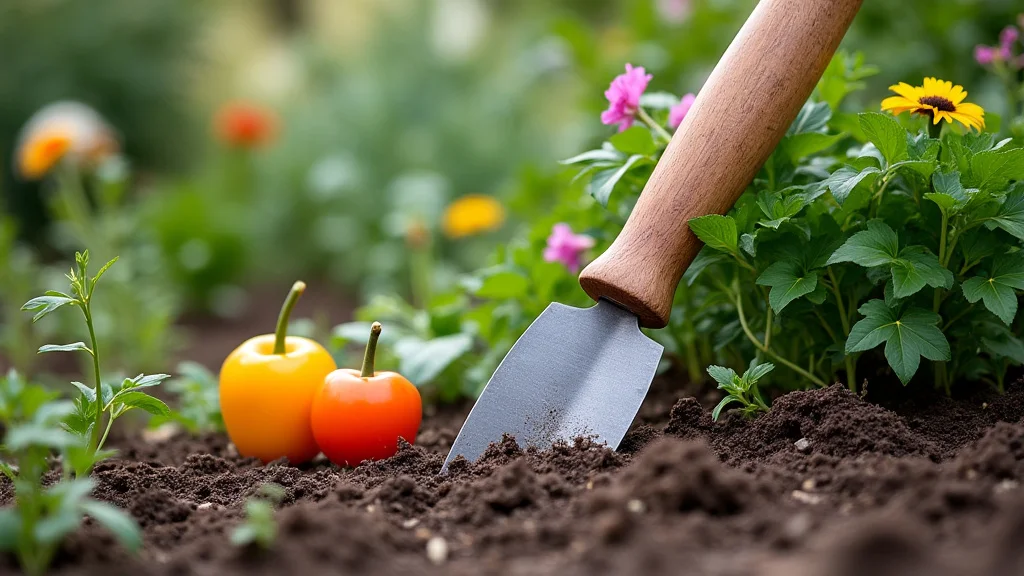
The sun beats down, and you dream of a lush, green paradise. You picture vibrant flowers, plump tomatoes, and herbs that fill your kitchen with delightful aromas. But then reality hits: your rusty old trowel is falling apart, and your shears are dull as a butter knife. Sound familiar? Finding the right gardening tools Malta can be the difference between a frustrating chore and a truly rewarding hobby. This guide will help you find the essential equipment for your gardening needs. You’ll gain valuable insights into choosing quality tools, learn about essential equipment, and discover where to buy the best supplies on the island. Get ready to transform your outdoor space with the right gardening tools Malta.
Key Takeaways
- You’ll learn about the essential gardening tools needed for successful gardening in Malta.
- You’ll discover how to choose high-quality tools that will last for years.
- This guide will provide information on the best places to buy gardening equipment on the island.
- You’ll gain an understanding of the different types of tools available and their specific uses.
- Learn about the importance of tool maintenance to extend their lifespan.
Essential Gardening Tools for Malta’s Climate
Malta’s Mediterranean climate presents unique challenges and opportunities for gardeners. The hot, dry summers and mild winters require specific tools and techniques to ensure your plants thrive. From the smallest herbs to the most robust trees, the right tools will make all the difference. This section outlines the essential tools every Maltese gardener should have in their arsenal. From digging tools to pruning equipment, we will cover all the necessities for a thriving garden.
Digging and Soil Preparation Tools
Preparing the soil is the foundation of any successful garden. In Malta, the soil can vary, and it’s essential to have the right tools to break it up, amend it, and create a healthy environment for your plants. A good dig will help ensure root growth. Whether you are dealing with clay, sand, or a mixture, the following tools will be essential. Understanding soil quality is key to a bountiful yield.
- Spade: A spade is a flat-bladed tool used for digging, turning over soil, and edging.
- Fork: A garden fork is used for turning soil, breaking up clumps, and aerating the ground.
- Hand Trowel: A small hand tool for digging small holes and planting seedlings.
- Hand Fork: A smaller version of the garden fork, ideal for weeding and loosening soil in tight spaces.
A spade is a cornerstone of any gardener’s tool collection. In Malta, where soil can be compact, a sturdy spade is invaluable for breaking ground and preparing beds. The flat blade makes it ideal for slicing through roots, edging lawns, and creating clean planting rows. Look for a spade with a strong, well-balanced handle, preferably made of wood or fiberglass, for durability. The blade should be made from a durable, rust-resistant metal. When using a spade, stand with your feet shoulder-width apart, and use your body weight to drive the blade into the soil. Lift the soil with your legs, not your back, to avoid strain. Regular maintenance, such as cleaning and sharpening the blade, will extend the life of your spade.
A garden fork is similar to a pitchfork. It is used for loosening the soil. Unlike a spade, a fork is specifically designed to work the soil without necessarily inverting it. This is particularly useful in gardens with established plants, where you want to disturb the roots as little as possible. The tines of the fork can penetrate the soil, breaking up compacted areas and improving drainage and aeration. For Maltese gardens, choosing a garden fork with sturdy tines that are closely spaced is recommended. This will help you manage the dense soil often found in the region. Always store your garden fork in a dry location to prevent rust.
The hand trowel is an indispensable companion for any gardener, especially in the context of planting seedlings and small plants. This small, handheld tool is perfect for digging small holes, transplanting delicate plants, and scooping soil. In Malta, a good-quality trowel is vital. Look for a trowel made from stainless steel or other rust-resistant materials. A trowel with a comfortable handle will also make the process more pleasant. The sharp edge of the trowel makes it easier to dig through tough soil, but it’s equally important to keep it clean. After each use, wipe off any dirt or debris and store it in a dry place to prevent rust.
A hand fork, also known as a cultivator, is a smaller version of the garden fork. It is ideal for weeding, breaking up soil clumps, and aerating the soil around established plants. Its compact size makes it perfect for working in confined spaces, such as between plants in a flower bed or in a raised garden. In Malta, hand forks are especially useful for removing weeds that thrive in the rich soil. When purchasing a hand fork, consider the handle material and the strength of the tines. A sturdy handle will provide better control, and strong tines will be able to handle compacted soil. Like other hand tools, clean and store your hand fork carefully after use to extend its life.
Watering Equipment
Water is life, especially in Malta’s hot summers. Having the right watering equipment is essential to ensure your plants receive the moisture they need to thrive. Whether you prefer a simple watering can or a more sophisticated irrigation system, the following tools are important.
- Watering Can: A simple and effective tool for watering small areas or individual plants.
- Hose: A flexible tube used to deliver water to plants.
- Sprinkler: Used to distribute water over a larger area, simulating rainfall.
The watering can is a gardener’s classic, providing a controlled and gentle way to water plants. In Malta, where water conservation is vital, a watering can helps you target specific plants and avoid water waste. It’s especially useful for newly planted seedlings or plants in pots. Look for a watering can with a rose (the sprinkler head) to provide a gentle shower, mimicking natural rainfall. This helps prevent soil erosion and minimizes the risk of damaging delicate foliage. Consider the capacity of the can. A larger can will cover more area but can be heavy when filled. Choose a size that suits your needs. A watering can is a must-have for every Maltese gardener.
A garden hose is an essential tool for watering larger areas and providing a consistent water supply. In Malta, a long hose is important. The hose needs to reach different parts of the garden easily. Opt for a hose made from durable materials. This will withstand the sun and the weather. Many hoses come with spray nozzles that offer different water patterns. This makes it easier to adapt to various watering needs. After each use, drain the hose and store it properly to prevent kinks and damage. A good-quality hose can make watering your garden in Malta a breeze.
Sprinklers are perfect for watering lawns, flower beds, and other large areas. Sprinklers help distribute water evenly. In Malta, where water can be scarce, efficient watering is crucial. There are various types of sprinklers. These include oscillating sprinklers, which move back and forth, and impact sprinklers, which rotate in a circular pattern. Consider your garden’s shape and size. Choose a sprinkler with an adjustable spray pattern. This helps to avoid wasting water on paths or other areas that don’t need watering. Regular maintenance, such as cleaning the sprinkler heads to remove mineral deposits, will ensure optimal performance. Using sprinklers can save you time and conserve water.
Pruning and Cutting Tools
Pruning is essential for maintaining the health and beauty of your plants. Regular pruning promotes growth, encourages flowering, and helps prevent disease. Having the right cutting tools is critical. Malta’s climate can be hard on plants, so proper pruning can help them thrive. This includes maintaining the sharpness and quality of your tools.
- Secateurs: Used for trimming small branches and stems.
- Loppers: Used for cutting thicker branches that are out of reach.
- Hand Saw: A saw used for cutting larger branches.
Secateurs, also known as pruning shears, are essential for trimming small branches and stems. These are handheld tools. They are designed for clean cuts. Secateurs promote plant health. When selecting secateurs, consider the type. Bypass secateurs make clean cuts. Anvil secateurs are better for dead wood. Look for comfortable handles and sharp blades. Regularly sharpen and oil your secateurs. This will ensure clean cuts and extend their lifespan. Clean cuts are important. They will prevent disease. This makes secateurs a must-have tool for every Maltese gardener.
Loppers are long-handled pruning tools. They allow you to reach and cut thicker branches. Loppers are great for trees and shrubs. The longer handles provide leverage. This helps to cut through tough wood. Choosing the right loppers depends on the size of the branches you need to cut. Bypass loppers offer clean cuts. Anvil loppers are good for dead wood. Always wear safety glasses when using loppers. They can send debris flying. Maintain your loppers by cleaning and sharpening them after use. Loppers are a key tool for maintaining your garden. They keep it neat and healthy.
A hand saw is ideal for cutting larger branches that are too thick for loppers. Hand saws are efficient tools for removing larger limbs. They are available in various styles. Folding saws are great for portability. Bow saws are better for larger jobs. Select a saw with a sharp, durable blade. This will make cutting easier and prevent damage to the plant. When using a hand saw, always cut at an angle. This ensures a clean cut. Proper maintenance, including cleaning the blade and applying oil, will keep your hand saw in good condition. Hand saws are important for any Maltese gardener.
Choosing the Right Gardening Tools Malta
Selecting the right tools can be a daunting task. There are many options available. Considering quality, durability, and your specific gardening needs is key. This section provides advice on how to choose the right gardening tools. We will cover tool materials, handle types, and the importance of investing in quality equipment.
Understanding Tool Materials
The materials used to make gardening tools can significantly affect their durability and performance. Understanding the differences will help you make informed decisions when you purchase gardening tools. Considering tool materials helps ensure that your investment lasts.
- Blade Materials: Stainless steel, carbon steel, and other alloys.
- Handle Materials: Wood, fiberglass, and metal.
- Corrosion Resistance: Importance of rust prevention in Malta.
The blades of your gardening tools are the parts that do the most work. Stainless steel is a popular option. It is rust-resistant and low-maintenance. Carbon steel is another option. It is sharper but needs more care to prevent rust. High-carbon steel is also frequently used. It has a great balance between sharpness and durability. Choosing the right blade material depends on your specific needs. If you live near the coast, stainless steel may be a better option due to the salty air. Always keep your blades sharp and clean. This is vital for tool performance and safety.
The handles of your gardening tools affect comfort and durability. Wood handles are traditional. They offer a good grip. Wood can be prone to rot if not properly cared for. Fiberglass handles are strong and weather-resistant. Metal handles can be durable but may be cold to the touch. When selecting a tool, consider how the handle feels in your hand. Look for a handle that is comfortable to hold and provides a secure grip. The handle length is important. It needs to match your height. This helps prevent back strain. Considering handle material ensures that you can work in the garden comfortably and safely.
In Malta’s coastal environment, corrosion resistance is critical for gardening tools. The salty air and humid conditions can quickly corrode tools. This is something to consider when you purchase tools. When you pick your tools, pick tools made from rust-resistant materials. This can include stainless steel, coated steel, or tools made with special finishes. After each use, clean your tools thoroughly. Remove any soil or debris. Dry them well before storing them. Applying a thin coat of oil to metal parts can also help prevent rust. Storing tools in a dry place will further increase their lifespan. Prioritizing corrosion resistance will keep your tools in top condition.
Handle Types and Ergonomics
Choosing tools with comfortable and ergonomic handles can make a huge difference in your gardening experience. Poorly designed handles can cause blisters, fatigue, and even injuries. This section focuses on the different handle types available. It also covers the importance of choosing tools that fit your body. This makes gardening more enjoyable.
- Straight Handles: Common for shovels, spades, and rakes.
- D-Grip Handles: Offer better control and comfort.
- Ergonomic Designs: Prioritizing comfort and reducing strain.
Straight handles are the standard design. These handles are found on many tools, such as shovels, spades, and rakes. They provide good leverage. They are best for tasks that require force. Straight handles are ideal for digging and moving soil. They may not be the most comfortable option. They can be for extended use. When selecting a tool with a straight handle, ensure that the handle is the appropriate length. You want it to match your height. This will help prevent strain and fatigue. Look for handles made from comfortable materials. Wood or fiberglass handles are good options. They offer a good grip and are less likely to cause blisters.
D-grip handles are known for better control and comfort. These handles are shaped like the letter “D”. They are commonly found on shovels and garden forks. This design allows you to grip the tool firmly. You also have better control, especially when lifting and moving soil. D-grip handles are particularly helpful for gardeners who need to work for long periods. They provide a more ergonomic grip. Look for D-grip handles made from durable materials. This will provide a firm grip and prevent the handle from slipping. They can reduce strain on the wrists and hands. They make it easier to work for extended periods. Consider this handle if you value comfort.
Ergonomic designs are designed to prioritize comfort and reduce strain. These tools often have curved handles or grips. These grips are designed to fit the shape of your hand. Ergonomic tools help reduce the risk of repetitive strain injuries. They make gardening more comfortable. Some tools also have padded handles. They can further improve comfort. When choosing tools, look for those with ergonomic designs. This can make gardening a more enjoyable activity. Consider this especially if you have arthritis or other conditions. These can impact hand and wrist health.
Investing in Quality
Investing in quality gardening tools is an investment in your garden’s future. Cheap tools may seem appealing, but they often break easily. This leads to frustration and more frequent
- Durability: Choosing tools that withstand wear and tear.
- Warranty: Understanding the benefits of tool warranties.
- Cost-Effectiveness: Long-term savings of investing in quality tools.
Durability is a key factor. Quality tools are made to withstand wear and tear. They are built with robust materials. This ensures that they can handle the demands of gardening. When buying a tool, look for signs of quality. This includes solid construction, sturdy handles, and rust-resistant blades. Read online reviews to see what other gardeners say. Purchasing a tool from a well-known brand can also increase your chances of getting a durable product. Invest in tools that will last. They will save you time and money. They will make gardening a lot less frustrating.
A warranty is an important factor when you select tools. Warranties protect your investment. A good warranty means the manufacturer stands behind the product. It gives you peace of mind. Review the warranty details before you buy. This ensures that you understand the terms and conditions. Warranties typically cover defects in materials or workmanship. If a tool breaks due to a defect, the manufacturer will repair or
Buying quality tools may cost more upfront. However, they are often more cost-effective. They last longer than cheaper alternatives. They reduce the need for frequent replacements. Quality tools provide a better gardening experience. They are more efficient and less likely to break. Investing in durable tools can prevent future costs. They prevent frustration. Over time, quality tools will save you money. You will appreciate the performance. This makes quality tools the best value for your money. Think about the long-term benefits when buying your tools.
Where to Buy Gardening Tools Malta
Finding the right place to purchase your gardening tools is important. Malta offers a variety of options. From large retailers to small local shops, knowing where to go can save you time and help you find the tools you need. This section highlights the best places to buy gardening tools in Malta. It includes stores, online options, and tips for finding the best deals.
Local Garden Centers and Hardware Stores
Local garden centers and hardware stores offer a personal touch. The staff can provide advice and help you find what you need. These stores often stock a wide range of gardening tools, supplies, and plants. Support your local shops. This helps your local economy. You will find that these stores are a great resource for gardeners of all levels.
- Advantages of shopping locally: Personalized service and expert advice.
- Popular stores: Examples of well-stocked local shops.
- Finding specialized tools: Shops that cater to specific gardening needs.
Shopping locally has many advantages. You’ll get personalized service and expert advice. Local garden centers and hardware stores often employ staff with extensive gardening knowledge. They can answer your questions. They can help you select the right tools and supplies for your garden. Shopping locally supports your community. This helps keep local businesses thriving. You can also see the tools in person. This lets you assess the quality. Local shops provide a hands-on experience that you cannot get online. They also build relationships with staff.
Malta has many popular stores. These include garden centers and hardware stores. These shops are well-stocked. They sell a variety of tools, supplies, and plants. Many local shops offer competitive pricing and special promotions. They also host workshops and gardening events. This allows you to connect with other local gardeners. Shopping at a local store supports the local economy. It gives you access to expert advice. Check online reviews and ask friends. You can find the best local shop for your needs.
If you have specific gardening needs, you can find specialized tools. There are shops catering to certain needs. If you have a specific need, ask the shop. They will have information. Some shops will sell tools for organic gardening. Others have tools for larger gardens. Specialized shops often have experienced staff. They can provide advice. They can help you find the right tools. Do some research. Discover the tools and supplies you need for your type of gardening.
Online Retailers and Marketplaces
Online retailers and marketplaces provide a convenient way to shop for gardening tools. They offer a vast selection. You can often compare prices. They provide reviews and shopping at any time, from any place. This section explores the benefits of buying online. It also discusses tips for safe and effective online shopping.
- Benefits of online shopping: Convenience and a wide selection.
- Popular online platforms: Exploring options for buying gardening tools.
- Tips for safe online shopping: Checking reviews and comparing prices.
Online shopping has several advantages. It provides the greatest convenience. You can shop anytime. You can shop from anywhere. Online retailers offer a wider selection of tools. This is especially true compared to local shops. You can easily compare prices. You can also read reviews from other customers. This can help you make informed decisions. Many online retailers offer shipping. This can save you time. Online shopping is a good option. It is good for people who want convenience. It is good for those who want to find the perfect gardening tools.
There are many popular online platforms. They offer gardening tools. These include global marketplaces. They also include local online shops. When shopping online, research different retailers. Compare prices, shipping costs, and customer reviews. Always check the retailer’s return policy. This protects your purchase. Reading customer reviews can give you insight into the quality. The platforms provide a wide selection. This lets you buy the right tools. It provides a convenient shopping experience.
When shopping online, safety is important. To protect yourself, always shop on secure websites. Look for “https” in the website address. Check for a padlock icon. This indicates a secure connection. Before you buy, read reviews about the product and seller. Make sure the seller has a good reputation. Compare prices from different retailers. This ensures you get the best deal. Use secure payment methods like credit cards. This provides you with extra protection against fraud. By following these tips, you can shop safely and get the tools you need.
Markets and Flea Markets
Markets and flea markets offer a unique and often affordable way to find gardening tools. You can discover unique items. You can also bargain for a good price. This section explores the benefits of shopping at markets. It also covers tips for finding the best deals.
- Advantages of markets: Finding unique and affordable tools.
- Tips for finding the best deals: Bargaining and inspecting tools.
- Events and locations: Exploring local markets and flea markets.
Markets and flea markets have distinct advantages. You might find unique tools. You can also find vintage or used tools. They can be good quality. They are often more affordable. They offer a great opportunity to explore the local culture. You can meet other gardening enthusiasts. Bargaining is often accepted. This can help you get a great deal. They often offer a selection of new and used tools. They are a good option. They are a good place to find tools and support local vendors.
Getting the best deal is always a good idea. Here are some tips. When you bargain, have a price in mind. Be prepared to walk away. Inspect the tools before you purchase them. Check for rust, damage, and wear. See if the tools have any quality issues. Consider the materials. Look for durable construction. You can get good deals. They are a good way to get valuable tools. It is a win-win situation. You can upgrade your tool collection on a budget.
Malta hosts several markets and flea markets. They are a good place to find gardening tools. These events vary. They are held on different days. Research the local events in your area. Ask local gardeners. This can help you find out about the best markets. Some markets specialize in antiques and vintage items. These are excellent places to find unique gardening tools. Attending markets is a fun experience. You will find a diverse selection of tools and supplies.
Maintaining Your Gardening Tools
Proper maintenance is essential to extend the lifespan of your gardening tools and ensure they function efficiently. This section provides tips on cleaning, storing, and sharpening your tools. Regular maintenance will keep your tools in top condition. This ensures that they are ready for action.
Cleaning Your Tools
Cleaning your gardening tools after each use is an important step in their maintenance. Soil, plant debris, and moisture can cause rust and damage. Regular cleaning keeps your tools in good working order.
- Removing soil and debris: Cleaning tools after each use.
- Rust removal: Techniques for dealing with rust and corrosion.
- Disinfecting tools: Preventing the spread of diseases.
After each use, clean your gardening tools. Remove all soil and plant debris. Use a brush or scraper to remove any stuck-on dirt. This keeps your tools clean. It will prevent corrosion. Rinse the tools with water. This can wash away any loose soil. Drying your tools after cleaning is important. It prevents rust and helps maintain their condition. Cleaning is easy. It will extend the life of your tools.
Rust can damage your tools. Dealing with rust is important. If you find any rust, remove it quickly. Use a wire brush or sandpaper to remove the rust. Apply rust remover. Following the product instructions is important. Once the rust is gone, rinse the tool and dry it. Then, apply a thin coat of oil. This helps prevent future rust. Regular rust removal can keep your tools in good condition. This prevents further damage. You can keep your tools clean and functional with rust removal.
Disinfecting your tools is important. This prevents the spread of diseases. Use a solution of bleach and water. This is an effective way to disinfect your tools. After cleaning, dip the tools into the solution. Let the tools sit for about 10 minutes. Then, rinse them with clean water and dry them completely. This is important to help prevent the spread of diseases. Disinfecting your tools is a key step. You will have a healthy garden. This keeps your plants disease-free.
Proper Storage
Storing your gardening tools properly protects them from the elements. This also keeps them organized and easy to find. Correct storage will help extend the life of your tools.
- Dry storage: Protecting tools from moisture.
- Organized storage: Keeping tools easily accessible.
- Winter storage: Preparing tools for the off-season.
Always store your gardening tools in a dry place. Moisture is a tool’s worst enemy. It causes rust and corrosion. A shed or garage is an ideal storage location. It will protect the tools from the elements. If you must store tools outdoors, use a tool shed or a weather-resistant storage container. This protects your tools from rain and sun. Storing your tools in a dry place is important. It will keep them in good condition.
Keeping your tools organized will save you time and effort. Install a tool rack or pegboard. This lets you hang your tools. Group your tools by type. This makes it easier to find what you need. A storage bench can offer extra space. It is perfect for storing larger items. Organization also makes it easy to keep track. You will know if you have all of your tools. A well-organized storage space will make gardening tasks easier.
Preparing your tools for the off-season is important. Clean and dry your tools. Then, apply a thin coat of oil. Store them in a dry place. Sharpen your tools before the winter. This will prepare them for use next year. Check your tools at the start of the gardening season. You may see if any need repairs. Proper winter storage protects your tools. This will extend their life and make gardening a lot easier.
Sharpening and Repairing
Sharpening and repairing your gardening tools is essential to maintain their functionality. Dull blades can damage plants. They can also make gardening tasks difficult. Regular maintenance can keep your tools in top condition.
- Sharpening blades: Techniques for maintaining sharp edges.
- Handle repair: Replacing or repairing broken handles.
- Professional maintenance: When to seek expert help.
Sharpening the blades of your tools is important. Use a file or sharpening stone. This ensures they have a sharp edge. Follow the angle of the blade. Sharpen the edge evenly. For secateurs and shears, you may need a sharpening tool. You can also have a professional sharpen the tools. Sharpening blades improves cutting efficiency. Sharp tools cut through plants cleanly. The quality will increase. Sharpening blades can extend the life of your tools.
Handles can break. Knowing how to repair them is key. If the handle is cracked, you can use epoxy. This reinforces the handle. Replace the handle if it is broken. Wood handles may need to be sanded. They will also need to be sealed. This prevents rot. Handle maintenance can extend the life of your tools. Regular inspections can identify any damage. Then, you can repair the problem.
Sometimes, you might need professional help. If you have damaged tools, you can seek expert help. Professionals can repair complex damage. They can also sharpen blades. You may need professional help if you have expensive tools. You might not want to risk damaging them. Local garden centers and hardware stores offer tool repair services. They have the skill and equipment to handle your needs. If you have any doubts, consult a professional.
Frequently Asked Questions
Question: What are the essential tools for gardening in Malta?
Answer: Essential tools include a spade, garden fork, hand trowel, watering can, hose, secateurs, and loppers.
Question: What should I consider when buying gardening tools?
Answer: Consider the tool’s material, handle type, ergonomics, and durability. Prioritize tools resistant to corrosion.
Question: Where can I buy gardening tools in Malta?
Answer: You can buy tools at local garden centers, hardware stores, online retailers, and sometimes markets.
Question: How do I maintain my gardening tools?
Answer: Clean your tools after each use, remove rust, store them in a dry place, and sharpen blades regularly.
Question: Are there any specific tools suitable for Malta’s climate?
Answer: Tools that help conserve water, like a watering can or sprinkler, are especially useful in Malta.
Final Thoughts
Choosing the right gardening tools Malta is essential. It is more than just buying equipment. It’s about setting yourself up for success in your gardening endeavors. From selecting durable spades and ergonomic handles to discovering the best local suppliers and mastering tool maintenance, the information shared here equips you with the knowledge to make informed decisions. Remember that quality tools are a sound investment. They’ll save you money and headaches in the long run. Embrace the joy of gardening. Invest in high-quality tools. Start your gardening adventure. Get your hands dirty. Watch your garden flourish. Get planting.