
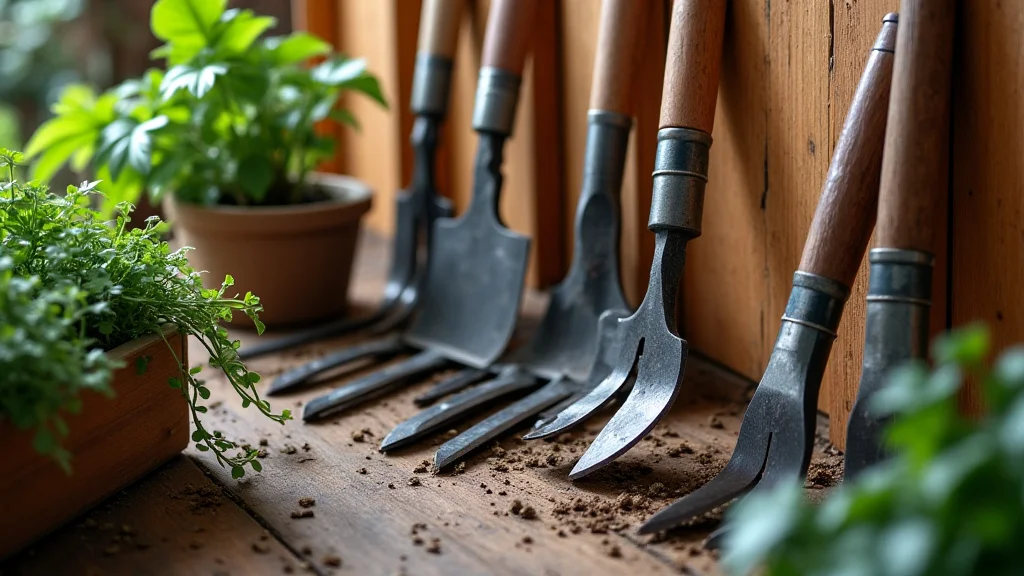
Picture this: It’s Saturday morning, the sun is shining, and you’re ready to get your hands dirty in the garden. But when you open your shed, you’re greeted by a chaotic mess of rusty tools, tangled hoses, and bags of fertilizer threatening to spill everywhere. Sound familiar? Finding the right gardening tools in shed can feel like an archaeological dig! This post will transform your shed from a storage nightmare into an organized oasis. You’ll learn how to arrange your tools efficiently, maintain them properly, and make gardening a more enjoyable experience. You will be able to easily find the gardening tools in shed when you need them, improving efficiency.
Key Takeaways
- Learn practical strategies for organizing your gardening tools.
- Discover the importance of maintaining your tools for longevity.
- Find out how to maximize space in your shed.
- Understand the best storage solutions for different tools.
- Get tips on preventing rust and corrosion.
- Explore essential tools and how to organize them efficiently.
Planning Your Shed Organization
Before you start organizing your shed, a little planning goes a long way. Think about how you use your garden, the tools you use most often, and the amount of space available. Consider your habits – do you like to grab everything at once or do you prefer to take tools as needed? This preliminary step will guide your organization efforts, making the process smoother and more effective. It saves time and energy, allowing you to establish a system that suits your individual needs. By considering your specific needs, you’ll create a shed that is practical and a pleasure to use.
Assessing Your Current Situation
The first step is a thorough assessment. Take everything out of your shed. Yes, everything. This gives you a clear view of the space you’re working with and allows you to categorize your tools. Group similar items together: shovels with shovels, rakes with rakes, and so on. As you sort, discard anything broken, rusted beyond repair, or that you no longer need. This helps clear out clutter and provides you with a clean slate to begin organizing. Also, make notes about the items you have, how much space they take up, and which are frequently used.
- Inventory Your Tools: List every tool you own. Note its condition and the space it occupies. This detailed overview is crucial for future organization.
- Measure Your Space: Measure the interior dimensions of your shed, including wall height, floor space, and any shelving or existing storage fixtures.
- Evaluate Your Usage: Consider how often you use each tool and where you use it in your garden.
- Identify Problem Areas: Note areas where tools tend to pile up, get tangled, or are difficult to reach.
An inventory helps you see what you already have, preventing duplicate purchases and enabling better space allocation.
Precise measurements are important for choosing storage solutions that fit perfectly. This avoids purchasing items that are too large or too small.
Understanding your usage patterns is key to placing frequently used tools in easily accessible locations.
Addressing these problem areas during the organization process improves efficiency and safety.
Categorizing Your Gardening Tools in Shed
After inventorying your tools, categorize them. This makes it easier to find what you need. Consider grouping by type: hand tools (trowels, hand forks), long-handled tools (shovels, rakes), cutting tools (pruners, shears), watering tools (hoses, sprinklers), and so on. You can also group by function: planting, weeding, pruning, watering, and soil care. This approach lets you quickly gather all the tools needed for a specific gardening task. It saves time and prevents unnecessary trips back and forth from the shed to the garden.
- Hand Tools: Trowels, hand forks, weeding tools. These are small, usually used for close work.
- Long-Handled Tools: Shovels, rakes, hoes. These are bulkier and often require wall-mounted storage to save floor space.
- Cutting Tools: Pruners, shears, loppers. These need sharp blades and safe storage solutions.
- Watering Tools: Hoses, sprinklers, watering cans. These can be bulky and require thoughtful storage to prevent tangling.
- Soil Preparation Tools: Spades, forks, tillers. These tools are essential for ground preparation.
Hand tools require dedicated, easily accessible storage, like a pegboard or small drawers.
Keep these upright and away from walkways to prevent tripping hazards. Consider tool racks or wall hooks.
Store these in a way that protects the blades and prevents accidental cuts, such as in a tool belt or specific holders.
A hose reel and dedicated hooks can keep these tools tidy and prevent damage.
Organize these tools together, perhaps near other soil amendment supplies.
Choosing the Right Storage Solutions
Choosing the right storage solutions is as important as the organization itself. There are many options, from simple shelves and hooks to more elaborate systems. The best solutions will depend on your shed’s size, the number and types of tools, and your budget. Think about maximizing vertical space, utilizing walls, and creating easy access. The goal is to design a system that keeps your gardening tools in shed organized, accessible, and protected. This will also create an efficient gardening experience.
Shelving and Racking
Shelves are an excellent way to store smaller items, containers, seed packets, and other gardening supplies. Racks, particularly those designed for long-handled tools, can keep shovels, rakes, and hoes upright and out of the way. Consider adjustable shelving to accommodate items of different heights. Using wall-mounted shelving or racking is an efficient way to make use of vertical space. It keeps tools and supplies off the floor. Shelving can be made of wood, metal, or plastic, depending on your needs. The proper shelving system contributes to a more organized and accessible shed.
- Types of Shelves: Choose from fixed, adjustable, or sliding shelves to suit your needs.
- Types of Racks: Racks can hold a variety of tools like rakes, shovels and hoes.
- Materials: Consider the material’s durability and resistance to moisture.
Fixed shelves are sturdy but less flexible; adjustable shelves offer more versatility as your storage needs change.
Vertical racks are great for saving floor space, and they keep tools easily accessible.
Metal shelving is long-lasting, while wooden shelves can be customized but might need more maintenance in damp conditions.
Hooks and Hangers
Hooks and hangers are indispensable for organizing tools that are often used but take up little space. Hooks are ideal for hanging hand tools, gloves, and aprons. Hangers are perfect for storing hoses and extension cords. Consider using different sizes and types of hooks to accommodate the variety of tools. This solution is cost-effective and helps keep items off the floor, improving safety and accessibility. Hooks and hangers also enable you to maximize space in your shed. They’re a practical and efficient way to organize your gardening tools in shed.
- Types of Hooks: Select hooks that are sturdy enough to hold the weight of your tools.
- Placement of Hooks: Install hooks at varying heights to accommodate different tool lengths.
- Hanging Hoses: Use specialized hose hangers to prevent kinking and damage to your hoses.
Choose from single, double, or multi-hook designs, depending on your needs.
Plan the layout to ensure easy reach and to prevent tools from obstructing each other.
Hose hangers keep hoses neatly stored, extending their life and making them easy to access.
Tool Organizers and Boxes
Tool organizers and boxes are excellent for small hand tools, gloves, and other accessories. These containers can range from plastic storage bins to specialized tool chests. They keep items contained, protecting them from moisture, dirt, and damage. Using labeled boxes will help you locate tools quickly. It helps to organize your gardening tools in shed in a system that is efficient and easy to maintain. Consider clear storage bins to see contents easily, or labels for opaque containers.
- Types of Organizers: Consider toolboxes, drawers, or portable tool bags for easy access.
- Features to Look For: Select organizers with compartments, handles, and durable construction.
- Labeling: Label each box or compartment clearly to easily find tools.
Choose organizers that fit your specific tool collection and storage needs.
Consider features like adjustable dividers and rust-resistant materials.
Labeled containers are essential for quick access and maintaining an organized shed.
Maintaining Your Gardening Tools
Proper maintenance ensures the longevity of your tools and keeps them in good working order. Regular cleaning, sharpening, and lubrication will prevent rust, corrosion, and other damage. By making this a regular part of your gardening routine, you can save money in the long run. Keeping your tools in top condition will make your gardening tasks easier and more enjoyable. It is also a good habit to prevent accidents by keeping tools safe.
Cleaning and Sharpening
Cleaning your tools after each use removes dirt, sap, and other debris that can lead to corrosion. Use a wire brush or scraper to remove any stuck-on material. Sharpening blades regularly is essential for efficient cutting and pruning. Dull blades can damage plants. A sharp blade makes a cleaner cut and reduces the risk of disease transmission. Proper cleaning and sharpening are simple tasks that will extend the life of your tools. Also, they will improve your gardening experience, making it easier and more effective.
- Cleaning Methods: Use water, soap, and a brush to clean off dirt and debris.
- Sharpening Tools: Sharpen blades using a file, whetstone, or sharpening tool.
- Blade Maintenance: Keep the cutting edges of blades sharp by regularly sharpening.
Rinse tools thoroughly after cleaning to remove soap residue. Dry tools well to prevent rust.
Maintain the correct angle when sharpening. Always wear gloves and eye protection.
Apply a thin coat of oil to blades after sharpening to prevent rust.
Rust Prevention and Lubrication
Preventing rust is vital to maintaining your gardening tools. Rust can weaken tools, make them difficult to use, and eventually ruin them. Lubrication helps keep moving parts working smoothly. Apply a thin coat of oil or rust inhibitor to metal tools after cleaning and drying. This will create a protective barrier against moisture. Regular lubrication of moving parts, such as pruning shears, ensures they operate smoothly. These practices are easy to implement and will significantly extend the life of your gardening tools in shed.
- Rust Inhibitors: Apply a rust inhibitor to prevent rust formation.
- Lubrication: Lubricate moving parts to keep them working smoothly.
- Storage Conditions: Store tools in a dry environment to minimize exposure to moisture.
There are many options, from commercial rust inhibitors to natural oils like linseed oil.
Use a lubricating oil or a spray lubricant to reduce friction and wear.
If you live in a damp climate, consider using a dehumidifier in your shed.
Tool Repair and Replacement
Not all damage is beyond repair, but knowing when to repair or replace your tools is important. Small repairs, such as tightening a loose handle or sharpening a blade, can often be done at home. For more extensive damage, consider whether the tool is worth repairing. Factors like the age of the tool, its cost, and the extent of the damage are things to consider. Repairing tools extends their life and saves money. Regularly inspecting your tools, and knowing when to replace them will keep your garden tasks running smoothly.
- Minor Repairs: Perform basic repairs at home to keep tools in working order.
- Major Repairs: Decide if tools are worth the cost of repair.
- Tool Replacement: Replace broken or worn-out tools.
Tighten loose handles, replace worn screws, and sharpen blades regularly.
Consider the cost of parts and labor versus the cost of replacing the tool.
When choosing a replacement, consider tool quality and the frequency of use.
Safety in Your Shed
Safety is important in the shed. Using sharp tools and working with potentially hazardous materials requires careful attention. Safety practices and precautions minimize risks, protecting you and others who may enter the shed. This includes safe storage, protective equipment, and regular inspections. Prioritizing safety creates a safer, more efficient work environment. It ensures that your time spent gardening remains enjoyable.
Safe Storage of Tools
Store tools in such a way that reduces the risk of accidents. Keep sharp tools in a secure place. Install hooks, racks, and holders to keep tools off the floor. Store chemicals and fertilizers in a secure, labeled area, away from children and pets. Proper storage prevents injuries and protects your gardening tools in shed. It also reduces the risk of accidental exposure to harmful substances. Consistent safe storage habits are essential.
- Sharp Tool Storage: Keep sharp tools in a designated area.
- Chemical Storage: Store chemicals and fertilizers safely.
- Proper Placement: Keep tools off the floor and out of walkways.
Consider a tool rack or toolbox with sheaths or protective covers for blades.
Keep chemicals in their original containers, away from children and pets, and follow all safety instructions.
Organize tools to make it easy to reach for what you need. Put tools back in their place after each use.
Protective Equipment and Practices
Wear appropriate protective gear when working with tools and chemicals. This includes gloves, eye protection, and closed-toe shoes. When using power tools or working in dusty conditions, consider wearing a dust mask or respirator. Following safety guidelines and practices protects you from injuries. By creating a safe work environment, you can enjoy gardening without unnecessary risks. Safety should be a priority in the shed and garden.
- Protective Gear: Wear gloves to protect your hands.
- Proper Attire: Wear closed-toe shoes and consider wearing long sleeves.
- Safe Practices: Always follow the manufacturer’s instructions.
Use safety glasses or goggles to protect your eyes.
Wear clothing that is appropriate for the task at hand. Avoid loose clothing that could get caught in tools.
Be aware of your surroundings when working. Keep your work area tidy and free of clutter.
Examples and Case Studies
Real-life examples and case studies help to illustrate the impact of shed organization. These examples show how to solve common problems and demonstrate the benefits of an organized, well-maintained shed. These can be great for inspiration. Seeing the actual results of an organized shed can make you motivated.
- Case Study 1: The Overwhelmed Beginner: A new gardener was overwhelmed by her cluttered shed. After implementing a simple shelving and labeling system, she was able to find her tools easily. This reduced her gardening time by 20% and made gardening much more enjoyable.
- Case Study 2: The Seasoned Gardener: A seasoned gardener, invested in a comprehensive tool maintenance program, significantly extended the lifespan of his tools. Regularly cleaning, sharpening, and lubricating, he was able to use his tools for over a decade. He only spent a minimal amount on replacements.
- Example 3: Time Savings: By implementing a clearly labeled system of hooks and storage bins, a gardener was able to quickly grab the tools needed for each gardening task. This resulted in saving an average of 15 minutes each time the tools were used.
This shows the simple steps can dramatically improve gardening efficiency.
This highlights the long-term cost benefits of tool maintenance.
This shows an improvement in the overall efficiency.
Frequently Asked Questions
Question: How often should I clean my gardening tools?
Answer: Clean your gardening tools after each use to remove dirt, debris, and sap that can cause rust and corrosion.
Question: What’s the best way to sharpen pruning shears?
Answer: Use a file or sharpening tool to sharpen the blade at the correct angle, ensuring a clean, sharp edge for effective pruning.
Question: How can I prevent rust on my tools?
Answer: Apply a rust inhibitor or a thin coat of oil to metal tools after cleaning and drying them, and store them in a dry environment.
Question: What should I do with tools that are beyond repair?
Answer: Recycle any tools that are beyond repair to get rid of unnecessary clutter.
Question: How do I store long-handled tools to save space?
Answer: Use wall-mounted racks or hooks to keep long-handled tools upright and organized, saving floor space and preventing tripping hazards.
Final Thoughts
Organizing and maintaining your gardening tools in shed can be a rewarding experience. Creating a functional and well-maintained storage space will save you time, reduce frustration, and enhance your gardening enjoyment. By implementing the strategies for planning, choosing storage solutions, and maintaining your tools, you can transform your shed from a chaotic mess into an organized haven. Remember to assess your current situation, categorize your tools, and select storage solutions that suit your needs. Clean and sharpen your tools regularly, and always prioritize safety. With these steps, you’re on the way to a more efficient and enjoyable gardening experience. Start today by taking an inventory and taking one small step towards an organized space.