
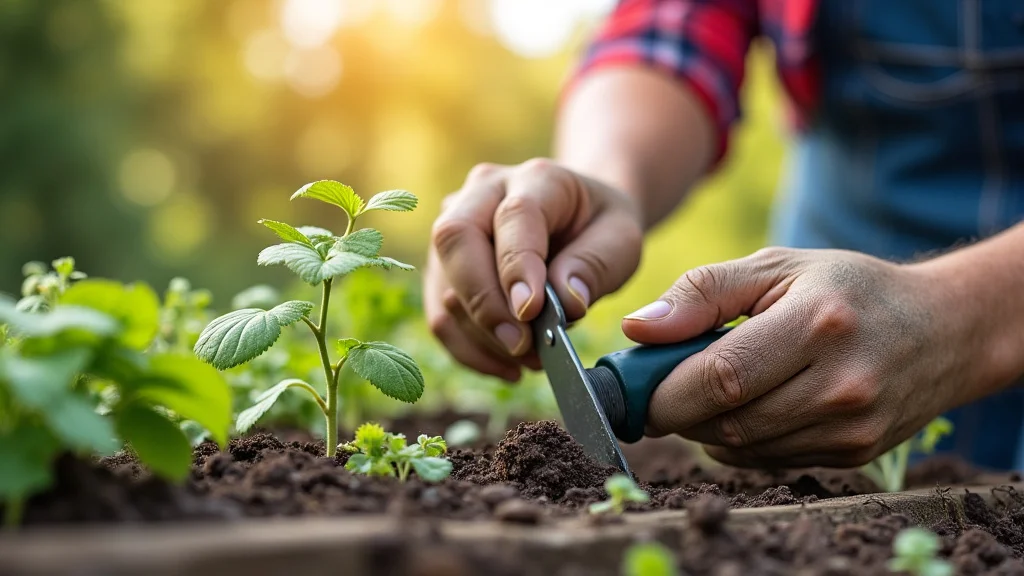
Picture this: a sunny afternoon, the smell of fresh earth, and the gentle breeze rustling through the leaves. You envision yourself tending to your beloved plants, but for some, the physical challenges make this a distant dream. I remember my grandmother, an avid gardener, whose arthritis made even simple tasks incredibly difficult. Seeing her struggle with her passion sparked a desire to find solutions. This post explores the world of gardening tools for the disabled, helping everyone experience the joy of gardening. You will learn about innovative tools, techniques, and adaptations that remove physical barriers, enabling anyone to create their own green haven. This post will help you discover practical solutions and inspiring ideas to get you started.
Key Takeaways
- Discover a range of specialized tools that make gardening more accessible.
- Learn about adaptive techniques that reduce strain and increase comfort.
- Understand how to create a garden layout that is easy to manage.
- Explore the benefits of gardening for physical and mental wellbeing.
- Find resources for further information and support.
- Gain a new outlook on how to enjoy your passion.
Getting Started With Accessible Gardening
The beauty of gardening lies in its ability to connect us with nature. It’s a therapeutic activity, offering both physical exercise and mental peace. For individuals with disabilities, gardening tools for the disabled provide the key to unlocking this experience. The initial hurdle might seem like identifying the right tools and techniques. But with a bit of research, planning, and some creative adaptations, gardening can become an inclusive activity. It’s about finding ways to overcome physical challenges and tailoring the gardening process to individual needs.
Assessing Your Needs
The first step in accessible gardening is assessing your individual requirements. Every person’s physical abilities and limitations are unique. This involves recognizing the specific challenges you face, whether it’s limited mobility, reduced strength, or difficulty with fine motor skills. Take time to think about the physical tasks involved in gardening, such as bending, reaching, lifting, and kneeling. Note down the tasks that present the greatest difficulty. By identifying these specific pain points, you can begin to research tools and techniques that will directly address your needs. Consider consulting with an occupational therapist or physical therapist; they can provide personalized recommendations and help evaluate your home garden space.
-
Mobility Issues: If mobility is a challenge, consider raised garden beds or vertical gardening systems. These eliminate the need to bend or kneel, making it easier to access plants.
Raised beds are essentially elevated planters, often made of wood or composite materials. They can be built to a height that’s comfortable for you to work with. Vertical gardening, using trellises, hanging baskets, or wall-mounted planters, allows you to grow plants without taking up ground space, simplifying access.
-
Reduced Grip Strength: Look for tools with ergonomic handles. These often have larger, padded grips that are easier to hold and reduce strain on your hands and wrists.
Ergonomic handles are designed to fit comfortably in your hand, distributing pressure and reducing the need for a strong grip. Tools with lever-action mechanisms can also be helpful, as they require less force to operate. For instance, consider using long-handled tools or grip-assist attachments.
-
Balance Difficulties: Incorporating pathways and stable seating options can greatly improve your gardening experience.
Ensure that your garden paths are wide and free from tripping hazards. Consider installing a smooth surface, like paving stones or compacted gravel. Having a sturdy bench or chair nearby allows you to rest when needed, reducing fatigue and preventing falls. A garden cart that doubles as a seat can also be useful.
Planning Your Accessible Garden
Once you understand your specific needs, you can begin planning your garden layout. Think about the accessibility of your space and how it can be adapted to accommodate any limitations. The goal is to design a garden that is functional, safe, and enjoyable. This involves considering the placement of beds, pathways, and other features. A well-planned garden makes all the difference when it comes to long term enjoyment and reducing strain.
-
Pathways: Paths should be wide enough for wheelchairs or walkers and made from a non-slip material.
Aim for pathways at least 36 inches wide, with a firm, level surface. Materials like paving stones, compacted gravel, or even poured concrete work well. Avoid loose gravel or uneven surfaces that could create a tripping hazard. Make sure paths provide easy navigation throughout the space.
-
Raised Beds: These bring the garden to a comfortable working height. Consider the depth and width for easy access.
Raised beds can vary in height, so experiment to find what’s right for you. A height of 24-36 inches is often suitable. Ensure the width of the beds is such that you can reach across without straining. A good rule is no more than 4 feet across.
-
Spacing: Allow ample space between beds and features for easy maneuvering.
Provide enough space to move between beds and other areas of the garden, especially if using a wheelchair or walker. Consider incorporating turning spaces if needed. A little extra planning will make your garden a breeze to move around in.
Specialized Gardening Tools and Equipment
The market provides a wide selection of specialized gardening tools for the disabled, carefully crafted to address specific physical challenges. These tools are often designed with ergonomic features that make gardening easier and more comfortable. They can help reduce strain on your body. Selecting the right tools can make gardening more enjoyable. Here is an overview of some essential tools and equipment that can make a big difference.
Ergonomic Tools
Ergonomic tools are designed with comfort and efficiency in mind. They usually feature specially shaped handles. The handles distribute force across your hand and wrist. This reduces strain and allows for a more natural grip. If you want to lessen strain, then consider using ergonomic tools.
-
Tools with Padded or Extended Handles: These tools reduce strain on your hands and wrists.
Padded handles are generally made of soft, textured material that provides a comfortable grip. Extended handles, or tools with longer shafts, allow you to reach further without bending over. This is useful for those with back problems or limited mobility.
-
Lever-Action Tools: Lever-action tools use mechanical advantage to reduce the force required for tasks like pruning or digging.
These tools, such as lever-action pruners and loppers, amplify your strength, making it easier to cut through branches. They’re great for people with weak grip strength or who find it difficult to squeeze standard tools.
-
Tools with Grip Assist: Tools with grip assistance will prevent tools from slipping.
Grip-assist attachments can be added to your existing tools. These are usually made of rubber or foam. They wrap around the handle, providing a larger surface area and a more secure grip.
Long-Handled Tools
Long-handled tools are essential for individuals with mobility issues or difficulty bending. These tools enable you to work on the ground without the need to get on your knees or bend over. This is a game-changer for those with back problems or who use mobility aids. When choosing long-handled tools, look for lightweight materials and ergonomic grips for maximum comfort.
-
Weeders: Long-handled weeders allow you to remove weeds without bending.
These weeders feature a long handle with a forked or clawed end that allows you to easily grip and pull out weeds. They can be found in various designs.
-
Cultivators: Cultivators with extended handles enable you to loosen the soil without bending down.
Cultivators have multiple tines that break up the soil. Long-handled cultivators allow you to perform this task while standing. This design is gentle on your back.
-
Transplanters: These allow for easy planting without the need to kneel.
Long-handled transplanters feature a narrow blade. This design is perfect for digging planting holes. Many options exist, each tailored to different tasks.
Adaptive Gardening Aids
Besides the tools, several adaptive aids can make gardening more accessible. These tools assist in various tasks, from planting to watering. They’re designed to make tasks easier, reduce strain, and promote independence. These tools ensure that gardening remains an enjoyable and achievable activity.
-
Raised Planting Systems: Raised beds, planters, and vertical gardening systems.
Raised beds elevate the garden to a comfortable working height. This reduces the need to bend or kneel. Planters and vertical gardening systems, like hanging baskets and wall-mounted planters, offer additional flexibility.
-
Adaptive Watering Systems: Lightweight watering wands, automatic watering systems, and timers.
Lightweight watering wands reduce the weight you need to carry, while automatic systems and timers provide consistent watering, removing the need for manual watering. Drip irrigation systems are also great.
-
Seating Options: Mobile garden carts, rolling stools, and benches.
Mobile carts provide storage and seating. Rolling stools allow you to move comfortably around the garden. Benches placed near planting areas offer a place to rest. These seating options help with fatigue.
Adaptive Techniques and Gardening Strategies
In addition to specialized tools, several techniques and strategies can make gardening easier. These adaptations help reduce physical strain and increase comfort. This allows people of all abilities to actively participate in gardening. By combining these methods with the right tools, you can transform your gardening experience.
Optimizing Your Garden Space
Consider the layout and design of your garden space. Strategic planning can dramatically improve accessibility. Think about how you move through the space and how you interact with your plants. The goal is to make gardening tasks as easy and convenient as possible, which requires a little bit of planning and forethought. Here are some key considerations.
-
Arrangement: Place frequently used plants within easy reach.
Keep your most-used plants within arm’s reach. This reduces the need to move around the garden. Group similar plants together to simplify tasks like watering and weeding. Consider the height of your plants and their accessibility from your vantage point.
-
Pathway Design: Create accessible routes.
Ensure that pathways are wide enough for wheelchairs and walkers. Use a smooth, firm surface like paving stones or compacted gravel. Make sure that pathways are clear of tripping hazards. Keep pathways well-lit to prevent accidents.
-
Strategic Use of Mulch: Add mulch for weed control, moisture retention, and easier navigation.
Mulch helps suppress weed growth. It also retains moisture in the soil, reducing the need for frequent watering. Additionally, mulch can create a more level surface. This can make moving around the garden easier, especially for those using mobility aids.
Using Adaptive Techniques
Simple techniques can make gardening tasks less demanding. These techniques can help reduce physical strain. By adjusting how you approach each task, you can make gardening more manageable. There are many strategies that can make gardening more enjoyable.
-
Stagger Tasks: Break down large projects into smaller, manageable chunks.
Avoid trying to do everything at once. Divide tasks into smaller steps. Plan to spend short periods gardening, rather than long periods. This reduces fatigue and allows you to enjoy gardening at your own pace. Gardening in small time slots is a sustainable practice.
-
Seating: Use chairs and benches to rest while gardening.
Having a place to sit while you garden can significantly reduce fatigue. Place a chair or bench near your planting beds. Take breaks frequently. This allows you to stay relaxed while you work. When you get tired, make sure you take time to recover.
-
Consider Soil: Use soil that is easy to work with and of good quality.
Good soil drains well, holds moisture, and provides nutrients. Working with good soil makes gardening easier. Consider improving your soil with compost or other organic matter. Pre-mixed potting soil is also a good option.
Choosing the Right Plants
The plants you choose can significantly impact the accessibility of your garden. Select plants based on their growth habits, maintenance requirements, and ease of care. This is a crucial element of making gardening a manageable and enjoyable activity. Here are some strategies that help.
-
Low-Maintenance Plants: Select plants that require minimal pruning, watering, and fertilization.
Choose plants that thrive in your local climate. Consider perennials. These plants return each year, reducing the amount of planting required. Native plants are also generally easier to maintain.
-
Compact Varieties: Choose plants that don’t take up a lot of space.
Select compact varieties of vegetables and flowers. These plants are easier to reach and manage. Dwarf varieties of fruits and vegetables are excellent choices for small gardens. Many dwarf species are available.
-
Planting Strategies: Plan for easy access.
Arrange your plants to make them easier to care for. Group plants that require the same care together. This way, you can simplify watering and other tasks. Leave plenty of space between plants to allow for easy access.
Benefits of Gardening for the Disabled
Gardening provides many benefits. It enhances both physical and mental well-being, making it a valuable activity for everyone. For those with disabilities, gardening offers additional rewards, helping people overcome challenges and improve quality of life. The act of gardening can have a powerful impact.
Physical Advantages
Gardening provides gentle exercise that promotes physical health and improves your motor skills. The tasks involved in gardening, such as planting, weeding, and watering, can help with strength, flexibility, and coordination. Adaptations in tools and techniques can make gardening safe and enjoyable. Gardening enhances mobility and strengthens muscles.
-
Enhanced Mobility: Regular activity that promotes movement and strengthens muscles.
Gardening encourages movement, which is helpful for those with mobility issues. The simple act of reaching, bending, and walking around the garden can improve flexibility and range of motion. Adaptable tools further remove physical barriers.
-
Improved Dexterity: Working with your hands improves hand-eye coordination.
Gardening involves fine motor skills. Tasks like planting seeds, pruning, and harvesting crops can improve dexterity. This also helps improve hand-eye coordination. It is a great exercise.
-
Reduced Pain: Gentle movements help relieve pain.
Gardening can also provide pain relief. Light physical activity increases blood flow. This eases muscle stiffness. It also helps relieve chronic pain. Adapting your garden can make this a comfortable experience.
Mental and Emotional Benefits
Gardening has a remarkable impact on mental well-being. It helps reduce stress, improves mood, and offers a sense of accomplishment. The connection with nature, the sense of purpose, and the chance to witness growth can offer significant emotional benefits. Gardening creates a positive impact.
-
Stress Reduction: Spending time outdoors can significantly reduce stress levels.
Being in nature has a calming effect. It lowers your heart rate. It also decreases levels of stress hormones. The act of caring for plants promotes a sense of peace. This creates a relaxing environment.
-
Increased Sense of Purpose: Caring for plants provides a sense of accomplishment.
Gardening gives you goals and responsibilities. Watching your plants grow provides a great sense of satisfaction. It also boosts self-esteem.
-
Social Connection: Community gardens and gardening groups facilitate social interaction.
Gardening offers opportunities for social interaction. Participating in community gardens allows you to meet other gardeners. Gardening can improve one’s social life.
Resources and Support
Getting started with accessible gardening often involves seeking support and information. Several organizations and resources provide guidance, support, and tools. They help individuals with disabilities enjoy the benefits of gardening. Many resources are available to help you.
Organizations and Websites
Many organizations specialize in supporting people with disabilities. These organizations can offer valuable information, tools, and community support. These are some of the groups that you can seek help from.
-
The National Garden Bureau: Provides information on accessible gardening.
The National Garden Bureau has excellent resources. They provide tips and guidance for gardeners. They promote the joy of gardening for all. Their resources help.
-
The American Horticultural Society: Offers information and resources.
The American Horticultural Society provides a lot of information. They have resources related to gardening. They support all types of gardening.
-
Local Horticultural Societies and Garden Clubs: Offer classes and advice.
These local groups are a great source of information and support. They provide resources for those interested in gardening. They provide classes and have experts who can assist you.
Online Resources and Communities
The internet provides a wealth of information about gardening, and it has online communities. These can offer valuable support and advice. Many online resources are available to make sure you succeed in your gardening projects.
-
Gardening Blogs and Websites: Plenty of guides and how-to articles are available.
There are many blogs and websites. They offer a ton of information about accessible gardening. Look for articles, how-to guides, and reviews. These sites provide a lot of information.
-
Online Gardening Forums: Connecting with other gardeners.
Online forums give you a chance to connect. You can share your experiences and ask questions. Participating in these online communities offers great support.
-
YouTube Channels: Visual guides and tutorials on accessible gardening techniques.
YouTube channels provide visual demonstrations. They offer a lot of tutorials. These channels are great ways to learn new skills. Visual learning is very helpful.
Frequently Asked Questions
Question: What are the best tools for someone with arthritis?
Answer: Tools with ergonomic handles, such as those with padded grips or extended handles, are ideal. Lever-action tools can also reduce the force required.
Question: How can I make my garden more accessible with limited mobility?
Answer: Implement raised beds, build accessible pathways, and install seating options. Ensure that your garden layout is easy to maneuver.
Question: Are there any grants or financial assistance programs for accessible gardening?
Answer: Some local and national organizations may offer grants or programs. Check with disability support organizations in your area.
Question: What types of plants are easiest to maintain in an accessible garden?
Answer: Select low-maintenance plants that require minimal pruning and watering. Native plants and compact varieties are also excellent choices.
Question: Where can I find advice on gardening for individuals with specific disabilities?
Answer: Visit websites of organizations like the National Garden Bureau or local horticultural societies for specialized advice and resources.
Final Thoughts
Gardening tools for the disabled empower individuals to engage with nature. This opens up a world of possibilities for those with physical limitations. It is about discovering the joy of nurturing plants, growing delicious food, and connecting with the natural world, regardless of physical challenges. Remember, the journey to an accessible garden begins with understanding your needs. This post shows the importance of selecting the right tools, planning an accessible layout, and adopting techniques that reduce strain. Don’t let physical limitations hold you back from the joys of gardening. By researching different options, seeking support, and embracing creativity, anyone can design a garden that fits their needs and improves their lives. Begin planning your accessible garden today. You can experience the many benefits of gardening and create a vibrant space that reflects your passion for plants and life. Start small, be patient, and enjoy the process of growing.