
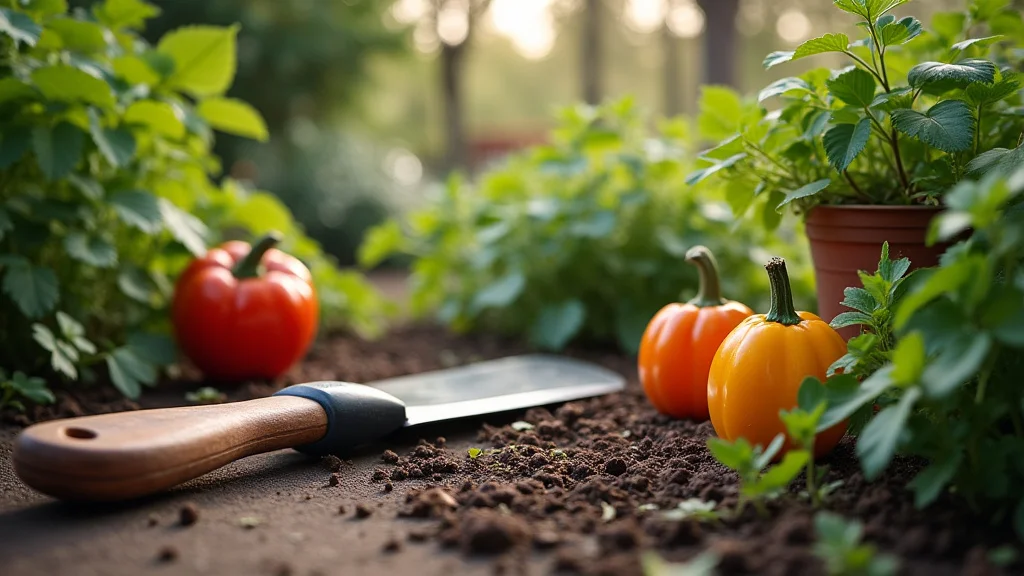
Picture this: a sunny afternoon, the smell of freshly turned earth, and the satisfying feeling of nurturing life. But for many, the simple joy of gardening is blocked by physical limitations. Reaching, bending, and kneeling can turn a relaxing hobby into a painful chore. Thankfully, there’s a growing movement to make gardening accessible to everyone, with a wide array of specialized gardening tools for disabled people. This post will explore how these innovative tools are transforming the gardening experience for people of all abilities. You’ll discover practical solutions and inspiring examples that show how to cultivate a flourishing garden, regardless of physical challenges. This will help you find the right tools and strategies to create a fulfilling and accessible gardening experience.
Key Takeaways
- Discover the types of gardening tools for disabled people that make gardening easier and more enjoyable.
- Learn about ergonomic designs that reduce strain and improve comfort.
- Find out how to adapt your garden space for accessibility.
- Understand how these tools and adaptations can promote physical and mental wellbeing.
- Explore the benefits of raised garden beds and other modifications.
- Get inspiration from real-life examples of accessible gardening success stories.
Gardening and Accessibility: A Blooming Partnership
Gardening offers a multitude of benefits, from fresh produce and beautiful flowers to stress relief and a connection with nature. However, traditional gardening practices can present significant challenges for people with disabilities. The physical demands of bending, reaching, and kneeling can be difficult or impossible for individuals with mobility issues, chronic pain, or other physical limitations. Fortunately, the development of specialized gardening tools for disabled people has revolutionized the way gardening is approached, making this fulfilling activity accessible to a wider audience. These tools are often designed with ergonomic considerations, enhancing comfort, and reducing strain. These adaptions can significantly improve a gardener’s experience.
The goal is to provide practical solutions that enable individuals to enjoy the benefits of gardening, regardless of their physical abilities. From adaptive hand tools to raised garden beds and specialized watering systems, these innovative tools are designed to remove barriers and create a welcoming environment for all gardeners. Accessibility in gardening is not just about tools; it’s about creating a space where everyone can participate, thrive, and experience the joy of growing plants. Let’s explore how these tools are transforming the gardening landscape.
Ergonomic Tools for Comfortable Gardening
Ergonomics is the science of designing and arranging things people use so that the people and things interact most efficiently and safely. In the context of gardening tools for disabled people, ergonomic design focuses on reducing strain, improving comfort, and enhancing control for users with limited mobility or strength. This means tools that are easier to grip, lighter in weight, and designed to minimize the need for bending, reaching, or twisting. The benefits extend beyond ease of use, including preventing injuries, reducing fatigue, and allowing gardeners to spend more time enjoying their passion.
- Ergonomic Handles: Many gardening tools now feature ergonomic handles. These handles are designed to fit comfortably in the hand, reducing strain on the wrist and fingers. They often have soft grips and are angled or curved to provide a more natural hand position.
- Lightweight Materials: The weight of gardening tools can be a significant challenge for people with limited upper body strength or mobility issues. Tools made from lightweight materials, such as aluminum or composite plastics, are easier to handle and maneuver.
- Extended Reach Tools: Tools with extended reach, such as long-handled cultivators and pruning shears, allow gardeners to perform tasks without excessive bending or reaching. This is useful for individuals who use wheelchairs or have difficulty bending.
Ergonomic handles can be made from a variety of materials, including rubber, plastic, and wood. They are designed to distribute pressure more evenly across the hand, reducing the risk of blisters and fatigue. Angled handles, for instance, allow the user to maintain a more neutral wrist position, which is essential for people with arthritis or carpal tunnel syndrome. These handles can also make it easier for people with limited grip strength to hold and maneuver tools.
Lightweight tools allow gardeners to work for longer periods without getting tired. These tools can reduce the strain on the back and shoulders, making it easier to manage tasks like digging, planting, and weeding. They come in a variety of styles, from hand tools to larger implements like shovels and rakes, ensuring that individuals can find solutions that meet their specific needs. By reducing the overall weight, gardening becomes more accessible and enjoyable for everyone.
Extended reach tools can significantly expand a gardener’s ability to participate in various activities. They are useful for tasks like weeding, pruning, and planting. These tools often have telescoping handles, which are adjustable to the gardener’s height. They reduce the physical strain of gardening and allow the gardener to manage their space with greater ease. These tools increase independence and enjoyment.
Adapting Your Garden Space for Enhanced Accessibility
Creating an accessible garden space involves more than just selecting the right gardening tools for disabled people. It also includes modifying the garden’s layout and design to accommodate various needs. Several changes can make the garden more user-friendly for people with mobility issues, those who use wheelchairs, or individuals with limited reach. These adaptations help ensure that everyone can move around the garden comfortably and safely. Furthermore, accessible gardening creates a welcoming environment for all.
- Raised Garden Beds: Raised garden beds are a cornerstone of accessible gardening. They elevate the planting surface, eliminating the need to bend or kneel. This makes it easier to tend to plants, weed, and harvest.
- Wide Pathways: Ensure that pathways throughout the garden are wide enough to accommodate wheelchairs and other mobility aids. Pathways should be made from stable, non-slip surfaces like compacted gravel, pavers, or concrete.
- Accessible Irrigation Systems: Implementing irrigation systems can reduce the physical demands of watering. Drip irrigation, soaker hoses, and automated sprinklers can be set up to deliver water directly to the plants, reducing the need for hand watering and carrying heavy watering cans.
Raised beds are available in various heights and can be customized to suit individual needs. They can be made from wood, metal, or composite materials and are a good choice for people using wheelchairs or those with mobility restrictions. They can be arranged to create pathways between the beds, allowing for easy access around the entire garden. The height of the beds can be adjusted. This is a crucial element for many gardeners.
Wide paths allow for easy movement and navigation throughout the gardening space. They reduce the risk of accidents and ensure that gardeners can move between beds and other areas. The surface material should be chosen for its durability and ease of maintenance. Consider the ease of maneuverability for wheelchairs or other mobility devices. Proper path design supports independence and overall accessibility.
Accessible irrigation systems can save time and energy, allowing people with mobility or strength limitations to maintain their gardens with greater ease. Automated systems can be controlled by timers and sensors, providing the right amount of water at the appropriate times. Drip irrigation systems deliver water directly to the plant roots, minimizing water waste. They also reduce the risk of water damage to plants.
Benefits Beyond the Garden: Physical and Mental Wellbeing
Gardening has been shown to offer a range of physical and mental health benefits, especially when it is made accessible through the use of gardening tools for disabled people. These tools and adaptations can transform gardening from a difficult chore into a source of enjoyment, independence, and overall wellbeing. Gardening has been shown to be good for both physical and mental well-being.
- Improved Physical Health: Gardening can provide gentle exercise, helping to improve strength, flexibility, and endurance. The act of reaching, bending, and weeding stimulates muscles and joints, promoting movement and reducing stiffness.
- Reduced Stress and Anxiety: Gardening is a calming and therapeutic activity. The simple act of connecting with nature, tending to plants, and observing their growth can have a profound effect on mental wellbeing. It reduces stress and anxiety.
- Enhanced Social Connection: Gardening can be a social activity, promoting interaction with others. Community gardens and gardening groups provide opportunities to meet new people, share knowledge, and build relationships.
Gardening tasks can also help with coordination and balance. For people with disabilities, the ability to engage in physical activity can lead to improvements in overall health. This includes better circulation, reduced risk of heart disease, and improved immune function. It also helps manage conditions such as arthritis and chronic pain. The development of physical skills can enhance well-being.
The repetitive nature of gardening tasks can be meditative, helping to quiet the mind and promote relaxation. The sensory experience of working with soil, smelling flowers, and seeing the vibrant colors of plants can stimulate the senses and reduce feelings of stress. Gardening also provides a sense of accomplishment and satisfaction, which boosts self-esteem and happiness.
These groups offer support networks and a sense of belonging for individuals who may feel isolated. Gardening can be a shared experience, whether it’s trading plants with neighbors, volunteering at a local garden, or working alongside family members. These interactions improve social connections.
Gardening Tool Innovations
Many innovations have emerged in the world of gardening tools for disabled people. These innovations center on ergonomics, durability, and user-friendliness. Advances in materials and design have led to tools that are better suited to the specific needs of individuals with disabilities.
Adaptive Hand Tools
Adaptive hand tools are designed to make common gardening tasks easier for people with limited grip strength, mobility issues, or dexterity challenges. These tools often have specialized features that improve ease of use and reduce the physical strain of gardening.
- Ergonomic Hand Grips: Ergonomic hand grips are designed to fit comfortably in the hand and reduce strain on the wrists and fingers. They provide a more secure grip, allowing gardeners to maintain control of the tool without excessive effort.
- Extended Reach Tools: Extended reach tools allow gardeners to work without bending or reaching. These tools are valuable for people with mobility limitations or those who use wheelchairs.
- Adaptive Pruners and Clippers: Adaptive pruners and clippers are designed to make pruning tasks easier for people with limited hand strength or dexterity. These tools often feature features such as spring-loaded mechanisms, ratcheting systems, and rotating handles.
These grips can be made from various materials, including rubber, soft plastic, and wood. Some grips are contoured to fit the natural shape of the hand, while others feature textured surfaces to improve grip. The main goal is to reduce the risk of injury and discomfort, allowing gardeners to spend more time gardening. These grips make tools more accessible to a wider audience.
Extended reach tools can include long-handled cultivators, weeding tools, and pruning shears. Telescoping handles can be adjusted to the user’s height. These tools also reduce the strain on the back and shoulders, making it easier to manage gardening tasks. They improve independence and comfort for the gardener.
These features reduce the amount of force needed to cut stems and branches. The design provides improved leverage and control. Some models include safety features, such as locking mechanisms, to prevent accidental injury. The purpose is to enhance the safety and comfort of pruning activities.
Specialized Watering Solutions
Watering is a key task in gardening, but can be difficult for people with limited mobility or strength. Specialized watering solutions help ease the burden of this task. Innovations in this area focus on reducing the weight of watering cans and providing efficient ways to water plants. Specialized irrigation methods help simplify watering.
- Lightweight Watering Cans: These cans are designed to be easy to carry. They are made from lightweight materials and often feature ergonomic handles and spouts to make watering easier.
- Hose Reels and Carts: Hose reels and carts are designed to make it easier to manage and move garden hoses. They reduce the need to drag a heavy hose, which can be difficult for people with mobility issues.
- Automated Irrigation Systems: Automated irrigation systems are a huge innovation. They can be set up to deliver water directly to the plants. The systems use timers and sensors to ensure plants receive the right amount of water.
Lightweight watering cans help gardeners avoid the strain of carrying heavy containers. The ergonomic handles allow for a more comfortable grip. Spouts are often designed to direct the water flow to the base of plants, minimizing water waste and reducing the need to reach or bend. These tools allow people with limited strength to provide their plants with the water they need.
Hose reels are often equipped with wheels and handles. This allows them to be easily transported around the garden. Some models feature self-winding mechanisms, which simplify the process of retracting the hose. These systems reduce strain and make it easier to water plants, promoting efficient water use.
These systems eliminate the need for manual watering. Drip irrigation, soaker hoses, and automated sprinklers are key parts of these systems. The automation saves time and effort, making it easier for people with disabilities to maintain their gardens. They also ensure plants receive consistent watering.
Innovative Garden Designs
The design of the garden itself can play a big role in accessibility. Some innovative garden designs help to make the gardening experience easier and more enjoyable. From raised beds to accessible pathways, each design supports inclusive gardening.
- Raised Garden Beds with Accessible Heights: Raised garden beds are a cornerstone of accessible gardening. Beds are available in various heights to suit individual needs.
- Ramps and Accessible Pathways: These designs ensure the garden is easy to navigate. Ramps provide access to raised beds and other areas. Pathways should be wide enough to accommodate wheelchairs and other mobility aids.
- Vertical Gardening Systems: Vertical gardening systems allow gardeners to grow plants in a vertical space. These systems are useful for people with limited space, or those who find it difficult to bend.
Raised beds eliminate the need for bending and kneeling. This makes gardening tasks easier and more comfortable. They can be made from wood, metal, or composite materials. They are a good choice for people using wheelchairs or those with mobility restrictions. The design can be personalized to meet individual needs.
Pathways should be made from stable, non-slip surfaces. This will ensure safe and easy movement throughout the gardening space. Consider materials like compacted gravel, pavers, or concrete. Good design supports safe and independent movement.
Vertical gardens can include trellises, hanging baskets, and wall-mounted planters. They make it easier to care for plants. Vertical gardening enhances accessibility, allowing gardeners to enjoy the benefits of growing plants in any situation. This promotes enjoyment.
Real-Life Examples and Inspiration
The positive impact of accessible gardening is best illustrated through real-life examples and success stories. Here are examples of how individuals and communities have created inclusive gardening spaces.
- Community Gardens for All: Many community gardens are created with accessibility in mind. They feature raised beds, wide pathways, and accessible tools to accommodate gardeners of all abilities. The focus is on providing a supportive environment where people can connect, learn, and grow together. For instance, a community garden in New York City has created raised beds of varying heights. These heights are designed to accommodate wheelchair users and gardeners with different mobility levels. The garden also hosts workshops and programs. This will help individuals develop their gardening skills.
- Adaptive Gardening Programs: Adaptive gardening programs are designed to assist people with disabilities. These programs provide access to specialized tools, gardening instruction, and ongoing support. The aim is to help participants enjoy the benefits of gardening. One successful program in California provides hands-on gardening workshops for veterans with physical and mental health challenges. Participants learn about adaptive tools and techniques. This also builds their confidence and well-being.
- Individual Success Stories: Many individual gardeners have adapted their gardening practices to suit their needs. For example, a gardener with arthritis designed a raised bed system. This allowed her to continue gardening comfortably. She used ergonomic tools to manage her garden. This reduced strain on her joints. Her garden has provided her with a sense of purpose and joy.
Frequently Asked Questions
Question: What are the main benefits of using gardening tools for disabled people?
Answer: These tools reduce physical strain, improve comfort, and enhance accessibility, allowing individuals with disabilities to enjoy gardening. They also promote physical and mental wellbeing.
Question: Are there specific types of hand tools that are particularly helpful?
Answer: Yes, tools with ergonomic handles, lightweight designs, and extended reach are especially beneficial. Adaptive pruners and clippers also provide assistance.
Question: How do raised garden beds improve accessibility?
Answer: Raised beds eliminate the need to bend or kneel, making it easier for people with mobility issues, and those using wheelchairs, to tend to plants.
Question: What adaptations can I make to pathways to enhance accessibility?
Answer: Make pathways wide enough for wheelchairs, and ensure they are made from a stable, non-slip surface, like compacted gravel or pavers.
Question: Where can I find information on adaptive gardening programs?
Answer: Your local community center, gardening clubs, and disability support organizations can provide information. Searching online for “adaptive gardening programs near me” is also helpful.
Final Thoughts
The world of gardening is undergoing a transformation, becoming more inclusive and accessible thanks to the innovation of gardening tools for disabled people and the thoughtful adaptation of garden spaces. These tools are far more than just implements; they represent a commitment to enabling everyone to connect with nature, enjoy the benefits of gardening, and experience the joy of nurturing life. From ergonomic hand tools to raised garden beds and automated irrigation systems, the options available provide practical solutions that cater to a wide range of needs and abilities. These adaptations help people with mobility impairments, chronic pain, or limited strength to engage in gardening. They also bring about physical and mental health benefits, along with social connections. This will give gardeners independence and enjoyment.
If you’re looking to start or improve your own accessible garden, start by assessing your specific needs and limitations. Explore the different tools and modifications that are available. Don’t be afraid to experiment, and seek advice from gardening experts or disability support groups. Remember, the goal is to create a space that promotes comfort, enjoyment, and a fulfilling gardening experience for everyone. Embrace the possibilities and discover the joy of gardening, no matter your abilities!