
Remember that time you tried planting a rose bush with just a hand trowel? Let’s be honest, it wasn’t pretty. The soil was stubborn, your hands were aching, and the rose bush ended up looking a little… wonky. We’ve all been there. But gardening doesn’t have to be a battle! Having the right gardening tools for digging can transform your gardening experience from a struggle into pure joy. This post will explore essential tools, helping you choose the best ones for your needs and showing you how to use them effectively. You’ll gain practical knowledge to make your digging tasks easier, faster, and more enjoyable, leading to a healthier and more beautiful garden. This will provide you with the necessary expertise to confidently tackle any digging project, improving your gardening skills and enjoying the process.
Key Takeaways
- Learn about the different types of gardening tools for digging.
- Discover which tools are best suited for various gardening tasks.
- Understand how to use these tools properly for maximum efficiency and safety.
- Find out how to maintain your tools to ensure they last for years.
- Explore tips for choosing the right tools based on your garden’s needs.
- Gain confidence in tackling any digging project.
Essential Gardening Tools for Digging
The foundation of any successful garden begins with the soil. Preparing the soil, planting, and moving plants all require the use of gardening tools for digging. Selecting the correct tools will make all the difference when getting your hands dirty. Choosing the right tool depends on the task at hand, the size of your garden, and the type of soil you’re working with. From small hand tools for delicate work to large spades for turning over beds, the right equipment can significantly reduce the amount of effort required and improve your results. This section will introduce you to the core tools you’ll need.
The Hand Trowel: Your Everyday Companion
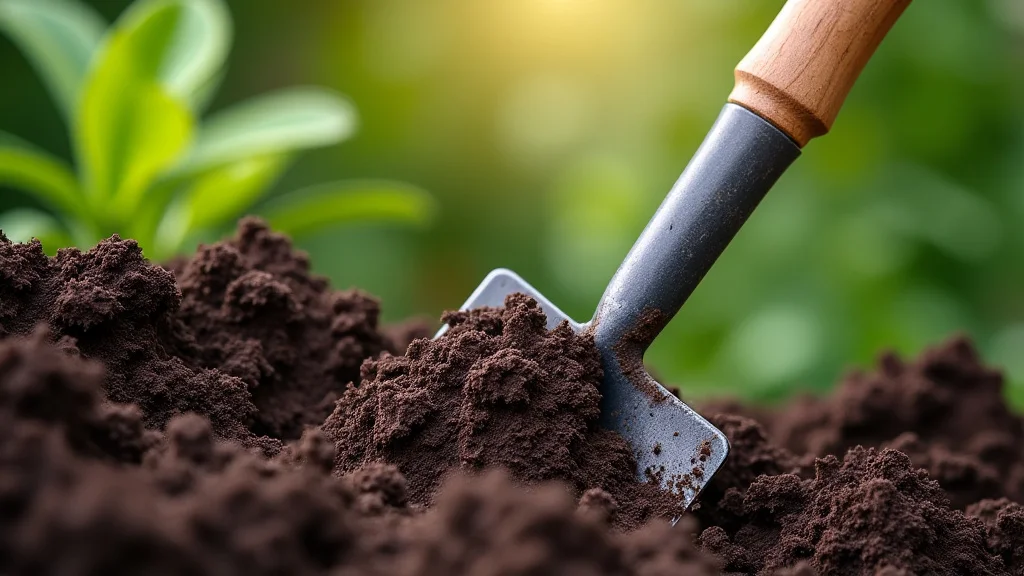
The hand trowel is likely the most familiar and frequently used tool in a gardener’s arsenal. It’s a small, handheld tool perfect for planting seedlings, transplanting small plants, and scooping out soil. Hand trowels are ideal for detailed work in pots, raised beds, or tight spaces. They’re also helpful for weeding, as the pointed blade allows you to carefully remove weeds without disturbing the surrounding plants. Choosing a sturdy trowel with a comfortable handle is crucial, as you’ll be using it frequently. Consider the material: stainless steel is rust-resistant, while carbon steel may be stronger but requires more care. A hand trowel’s simplicity makes it a favorite for many.
- Planting Seedlings: The hand trowel is perfect for creating small holes for seedlings, allowing you to carefully position the roots. This prevents damage to the delicate root systems of young plants. The size and shape of the trowel also make it simple to fill in the soil around the seedlings.
- Transplanting: Moving small plants from one location to another becomes easier using a trowel. You can gently dig around the roots, lift the plant, and replant it. Hand trowels are especially useful when transplanting herbs or flowers.
- Weeding: Using the trowel to get rid of weeds is effective. The pointed blade helps dig out weeds.
Hand trowels are a must-have for every gardener. With the right trowel, you can get right to gardening.
The Hand Fork: Loosening and Aerating
The hand fork is another essential hand tool, designed to loosen and aerate the soil in smaller areas. Unlike a trowel, the hand fork has several tines or prongs, which are great for breaking up clumps of soil, removing small stones, and improving drainage. Hand forks are also helpful for mixing compost or other soil amendments into the soil. They are especially useful in containers, raised beds, and areas where you need to work with precision. The hand fork, like the trowel, is simple yet effective.
- Breaking Up Soil: The tines of the hand fork easily break up compacted soil, allowing air and water to penetrate more easily. This is vital for root development.
- Removing Debris: Hand forks are handy for clearing away small stones, roots, and other debris from the soil surface, preparing the area for planting or seeding.
- Mixing Amendments: Using the hand fork to combine compost, fertilizer, or other soil amendments provides the necessary ingredients for your plants.
The hand fork helps improve soil conditions.
The Spade: The Workhorse of the Garden
The spade is a larger, more robust tool that’s perfect for a variety of tasks, including digging larger holes, turning over soil, edging borders, and even cutting through sod. A spade typically features a flat, rectangular blade attached to a long handle. This design allows you to generate significant leverage, making it suitable for tough digging jobs. Consider the blade’s material and the handle’s construction when choosing a spade. A good quality spade will last for many years and become a reliable companion in your gardening endeavors. The shape and design of a spade make it extremely useful for tackling more significant tasks.
- Digging Holes: The spade’s flat blade makes it ideal for digging holes for planting shrubs, trees, or other large plants. The straight edge helps create clean, well-defined holes.
- Turning Over Soil: Using a spade is helpful for turning over entire beds, which allows you to aerate the soil and incorporate compost or other soil amendments.
- Edging Borders: The spade’s straight edge is useful for creating clean edges around garden beds, pathways, or lawns.
Choosing a spade depends on its use. The spade’s strength and design make it a favorite for the experienced gardener.
The Shovel: Moving Earth with Ease
A shovel is similar to a spade but typically has a curved or pointed blade, making it better for scooping and moving soil, gravel, or other materials. Shovels are available in various sizes and shapes, with different handle lengths, depending on their intended use. For general garden tasks, a round-point shovel is a versatile choice. Shovels are crucial for tasks where you need to move large amounts of material quickly, such as filling raised beds, creating pathways, or relocating soil. The shovel’s curved blade allows it to carry more material than a spade, making it useful when you need to transport soil from one place to another. From heavy-duty jobs to moving soil, this tool is the ultimate garden workhorse.
- Moving Soil: Shovels are perfect for scooping up and moving soil, whether you’re filling raised beds, creating new garden beds, or transporting soil around the yard.
- Digging Trenches: Using a shovel makes it easier to dig trenches for irrigation systems, planting hedges, or creating pathways.
- Spreading Mulch: Shovels are useful for distributing mulch evenly around plants, which helps retain moisture and suppress weeds.
A shovel and spade make up a powerful gardening duo. Their features make them a favorite for gardeners.
Choosing the Right Tools for Your Garden
Selecting the correct gardening tools for digging is a critical step in setting up your garden for success. Knowing the tools will enable you to pick what works best for you and your plants. The type of soil, the size of your garden, and the types of plants you plan to grow will determine what tools you need. When selecting gardening tools, consider factors such as the handle material, the blade material, and the overall construction of the tool. Investing in quality tools will save you time, effort, and money in the long run.
Soil Type: The Foundation of Your Choice
The type of soil you’re working with significantly impacts which tools are most appropriate. For example, if you have clay soil, which is heavy and compact, you’ll need more robust tools like a spade or a digging fork. These tools help break up the soil and improve drainage. Sandy soil, which drains quickly, might benefit from a lighter trowel or hand fork for planting and weeding. Soil composition also determines the difficulty of the digging. Understanding your soil type will help you select the most effective gardening tools for digging to make your gardening tasks more accessible and efficient. Here are some examples:
- Clay Soil: Choose tools with strong blades and a pointed tip to break up compacted soil. A digging fork is helpful for aerating.
- Sandy Soil: Lighter tools such as hand trowels and hand forks, are more helpful for planting and weeding.
- Loamy Soil: Loamy soil is easier to work with. Choose a variety of tools based on your needs.
Knowing your soil type helps determine the right tool for the job.
Garden Size: Scaling Your Toolkit
The size of your garden influences the tools you’ll need. A small container garden requires a minimal set, perhaps just a hand trowel and hand fork. A larger vegetable garden, on the other hand, might benefit from a full set of tools, including a spade, shovel, and possibly a digging fork. Consider the amount of space and the types of tasks you’ll undertake when selecting your tools. This will help you focus on the essentials and avoid purchasing unnecessary equipment. This ensures you have the right tools for the job without overspending. For example:
- Small Gardens: A hand trowel and hand fork are often sufficient.
- Medium Gardens: Add a spade for more significant tasks like turning soil.
- Large Gardens: Include a shovel and possibly a digging fork.
The size of your garden will influence your toolkit.
Planting Needs: Matching Tools to the Task
The types of plants you plan to grow will also impact your tool selection. If you’re mainly planting small seedlings or herbs, a hand trowel will be your primary tool. Planting trees or shrubs will require a spade or shovel. Consider the depth and size of the holes you’ll need to dig, the spacing requirements, and the specific needs of your plants. This is the difference between working with ease and struggling. Knowing the plants that will be added to your garden is important. Here are some examples:
- Seedlings and Herbs: A hand trowel is ideal for small holes and planting.
- Trees and Shrubs: A spade or shovel is helpful for digging the proper depth.
- Vegetables and Flowers: A combination of tools, including a hand trowel, hand fork, and spade, is often beneficial.
The plants in your garden determine the right tools.
Using Your Digging Tools Safely and Effectively
Using gardening tools for digging safely is crucial for a positive experience. It reduces the risk of injury and helps you work more efficiently. Always wear appropriate safety gear, such as gloves and sturdy shoes. Inspect your tools before each use to ensure they are in good condition. Use the correct techniques to prevent strain and maximize your digging efforts. Taking the time to understand the safety aspects of each tool will help you to work safely and enjoy the gardening experience. This is especially important when using tools like spades and shovels.
Proper Technique for Digging
Good technique is important. When digging, stand with your feet shoulder-width apart and keep your back straight. Use your legs to power the digging, not your back. Bend your knees and use the weight of your body to drive the tool into the soil. Avoid twisting your body while digging, which can cause strain. For shovels and spades, angle the blade into the soil. Lift the soil with your legs, not your back. Place the lifted soil near the hole or bed, avoiding obstacles. Good technique improves both efficiency and comfort. This minimizes fatigue and lowers the risk of injury.
- Stand Properly: Keep your feet shoulder-width apart to create a stable base.
- Bend Your Knees: Use your leg muscles, not your back.
- Avoid Twisting: Face the direction you are digging.
These practices provide a base for a better experience.
Tool Maintenance and Storage
Proper maintenance extends the life of your gardening tools for digging and ensures they are always ready for use. After each use, clean your tools to remove soil, dirt, and debris. Sharpen the blades of spades and shovels regularly. Inspect the handles for cracks or damage. Store your tools in a dry place to prevent rust. Consider using a tool rack or hanging your tools on a wall. Proper maintenance and storage not only extend the lifespan of your tools but also ensure they are always in top condition. This is especially important for tools made of metal. These practices keep your tools in good shape for use.
- Cleaning: Remove soil and debris after use.
- Sharpening: Sharpen blades regularly for better efficiency.
- Storage: Keep your tools dry to prevent rust.
Good care will ensure your tools are ready for action.
Safety Gear and Considerations
Always prioritize safety when working with digging tools. Wear gloves to protect your hands and prevent blisters. Sturdy shoes will safeguard your feet and provide a stable base. Protective eyewear can protect your eyes from flying debris. When using tools with sharp blades, be careful of your surroundings and avoid swinging tools in areas where people or animals might be present. Be aware of buried utilities. Always check for underground utilities before digging. Following these safety guidelines reduces the risk of injury. It also keeps you safe from hazards.
- Wear Gloves: Protect your hands from blisters and cuts.
- Use Sturdy Shoes: This provides a stable base and protects your feet.
- Eye Protection: Wear glasses to protect your eyes.
Safety is the most important element of gardening.
Specific Tasks and Tool Recommendations
Different gardening tasks require different approaches. From preparing a new garden bed to transplanting established plants, choosing the appropriate gardening tools for digging can make all the difference. Understanding what tools are best suited for each task can help you work more effectively. By selecting the correct tools, you can reduce the amount of effort required and achieve better results. These specific task recommendations will guide your tool selection. You’ll learn the best tools for several tasks.
Preparing a New Garden Bed
Preparing a new garden bed requires several steps, starting with removing grass or existing vegetation. A spade is an excellent tool for this task, as its sharp edge can easily cut through sod. A shovel is also helpful for moving soil and leveling the surface. Next, you’ll need to loosen the soil. Use a spade or digging fork to turn over the soil, breaking up any clumps and incorporating compost or other soil amendments. Remove any rocks or debris as you go. Once the bed is prepared, you can use a rake to level the surface. Creating a new bed requires tools that help to remove, loosen, and shape the soil. This helps you get it right the first time.
- Removing Grass: Use a spade to cut through sod.
- Loosening Soil: Use a spade or digging fork to turn over the soil and add soil amendments.
- Leveling the Bed: Use a rake to create a smooth surface.
Creating a new bed means using your tools in a way that provides a fresh start.
Planting Seedlings and Transplants
Planting seedlings and transplants calls for precision and care. A hand trowel is the tool of choice for digging small holes, perfect for transplanting seedlings or setting small plants. Gently dig a hole large enough to accommodate the roots of the plant. Carefully place the seedling into the hole, making sure the top of the root ball is level with the soil surface. Fill in the soil around the roots, gently patting it down to remove air pockets. A hand fork is beneficial to loosen the soil in the hole. This will improve drainage. Proper planting techniques help to establish a healthy plant. The correct tools enable you to accomplish this task.
- Digging Holes: Use a hand trowel.
- Planting: Carefully place the seedling.
- Backfilling: Gently pat down the soil.
Proper planting will set the foundation for a healthy plant.
Transplanting Established Plants
Transplanting established plants requires a more careful approach to minimize stress. A spade is a good choice for digging around the plant. Carefully dig around the root ball, creating a wide circle to protect the roots. Use the spade to lift the plant from the ground. Lift the plant and its root ball, being careful not to damage the roots. Prepare the new planting location by digging a hole that’s the same depth. If the plants are larger, consider using a tarp or wheelbarrow. Transplanting established plants requires care and precision. Using the proper tools ensures a good result.
- Digging: Use a spade, digging a wide circle around the root ball.
- Lifting: Use the spade to carefully lift the plant.
- Replanting: Prepare the new planting location and transplant.
Handle your plants with care to ensure a smooth transition.
Frequently Asked Questions
Question: What’s the difference between a spade and a shovel?
Answer: A spade has a flat, rectangular blade and is designed for digging and creating edges. A shovel typically has a curved or pointed blade, is designed for scooping and moving materials like soil and gravel.
Question: What material is best for gardening tools?
Answer: Stainless steel is rust-resistant and durable. Carbon steel is stronger but may require more care to prevent rust. Wooden handles are comfortable but require care. Fiberglass and metal handles are more durable.
Question: How do I sharpen my digging tools?
Answer: Use a file or grinding wheel to sharpen the blade of your spade or shovel. Maintain the angle of the blade, and sharpen along the cutting edge. Always wear safety glasses.
Question: How do I clean my digging tools?
Answer: After each use, remove soil and debris with a brush or scraper. Rinse with water and dry thoroughly. Use a wire brush to remove rust.
Question: What’s the best way to store my tools?
Answer: Store your tools in a dry place, such as a shed or garage. Hang them on a wall or use a tool rack to keep them organized and prevent damage.
Final Thoughts
Equipping yourself with the right gardening tools for digging is key to creating a healthy and vibrant garden. Choosing the correct tools based on your garden’s size, soil type, and the plants you’re growing can make the digging process much easier and more enjoyable. Remember to prioritize safety by wearing appropriate gear and using proper techniques to prevent injury. Keeping your tools clean, sharpened, and stored properly will prolong their lifespan and ensure they’re always ready for action. By applying these methods, you’ll be well-prepared to tackle any digging task in your garden with confidence. So, gather your tools, get outside, and start digging – your garden will thank you for it!