
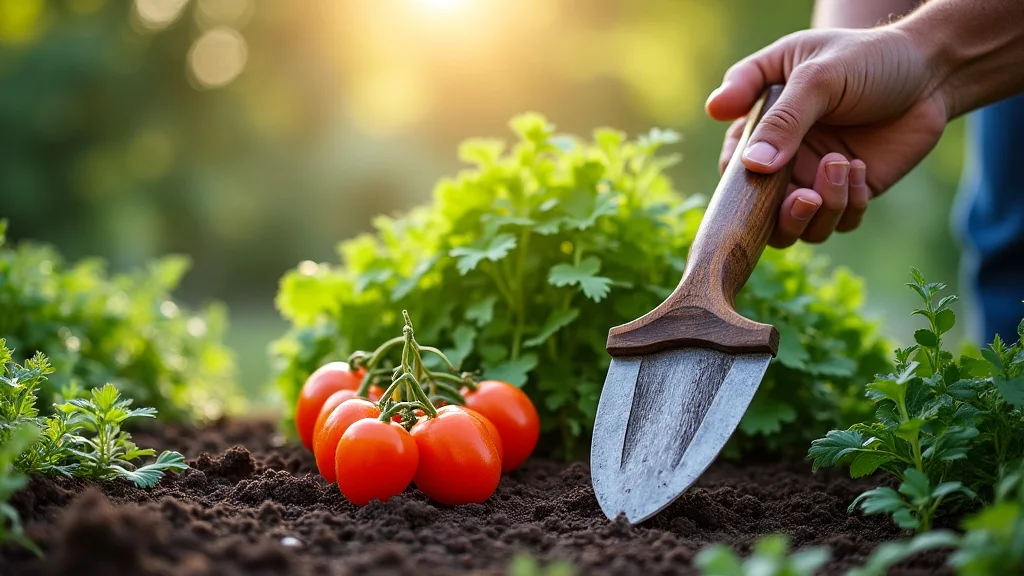
The other day, I was trying to prune my rose bushes, and let me tell you, it was a disaster! My clippers were dull, my gloves were ripped, and I ended up with more scratches than roses. It got me thinking: having the right gardening tools and practices really makes a difference. This post will help you avoid my mistakes. We’ll explore essential tools, explain important techniques, and show you how to set up your garden for success. You’ll gain practical knowledge to make your gardening tools and practices more efficient and enjoyable, ultimately leading to a healthier and more beautiful garden. Prepare to become a more confident and skilled gardener!
Key Takeaways
- Choosing the right tools is the first step towards an enjoyable and successful gardening experience.
- Learning the correct techniques for planting, watering, and pruning saves time and effort.
- Proper soil preparation and maintenance are essential for healthy plant growth.
- Effective pest and disease control help protect your plants from harm.
- Understanding different planting styles can improve your garden’s aesthetic appeal.
- The right tools and methods can improve your yield and the overall look of your garden.
Essential Gardening Tools
Every gardener, from the newbie to the experienced, needs a core set of gardening tools and practices. Having the right equipment makes tasks easier, more enjoyable, and protects you from injuries. Think about it like a carpenter – they wouldn’t build a house without a hammer or saw! Your garden is the same way. The tools below are the basic building blocks for any successful gardening project. Keep in mind that quality matters. Investing in good tools will save you time and money in the long run.
Hand Tools for Planting and Maintenance
Hand tools are your close-up companions in the garden. They’re what you use for precision work, like planting seedlings, weeding, and tending to small areas. These are the tools that put you in direct contact with the soil and plants, helping you feel connected to your garden’s growth. Proper hand tools reduce strain on your back, knees, and hands, allowing you to enjoy your gardening time for longer periods. From small weeding to larger planting tasks, the right hand tools are indispensable.
- Trowel: This small, handheld shovel is perfect for digging small holes, transplanting seedlings, and scooping soil. It’s especially handy when planting in pots or raised beds. The best trowels are made of stainless steel, resistant to rust and easy to clean. Look for a comfortable handle to prevent hand fatigue.
- Hand Fork: A hand fork has short tines used for loosening soil, mixing in compost, and weeding in tight spaces. It is a fantastic tool to have when you’re preparing your soil for planting. Hand forks help break up the soil structure and get rid of any roots that might be in your way.
- Hand Rake: Smaller than its larger counterpart, the hand rake is ideal for smoothing soil surfaces, gathering leaves, and removing small debris. It is great for preparing seedbeds.
- Weeding Knife: The weeding knife has a sharp, angled blade. It’s specially designed for removing weeds with long roots. Using a weeding knife, you can cut the weed off at the root. This stops it from coming back.
The trowel is your primary planting companion. It is also great for digging small holes for delicate plants. A good trowel, well-made from quality materials, will last for years. The ergonomic handle is also vital as a poorly designed trowel can cause issues with your wrists or hands.
A hand fork is a small but powerful tool for soil care. It is an excellent choice for digging around delicate plant roots. A good quality hand fork is also very durable, and will last for many years with minimal care.
When you have prepared your soil and are ready to plant, the hand rake is the tool for smoothing the surface. It will also help you create a perfect seedbed to prepare your soil.
Weeding knives are often overlooked. Yet, they are a powerful tool for weed control. The design of the knife also allows you to cut the weed right off at the root level.
Tools for Pruning and Cutting
Pruning and cutting are essential for the health and appearance of your plants. These tools help shape your plants and remove dead or diseased growth. Pruning encourages new growth and can increase fruit production. Proper pruning techniques can greatly enhance your plants’ health. When you use these tools correctly, you are also making sure your plants stay productive and beautiful.
- Pruning Shears: Pruning shears are used for cutting stems and branches up to about an inch in diameter. There are different types, like bypass and anvil shears. Bypass shears make a clean cut, while anvil shears are better for thicker, dead wood.
- Loppers: Loppers are long-handled pruning tools used for cutting thicker branches that shears can’t handle. They offer more leverage and power. This can make pruning easier on larger shrubs and small trees.
- Pruning Saw: A pruning saw is used for cutting larger branches, often those too thick for loppers. The saw’s toothed blade makes quick work of these tasks. Pruning saws are an important tool for more substantial pruning jobs.
- Hedge Shears: These shears are ideal for trimming hedges and shaping bushes. They have long blades to make quick work of large areas. Hedge shears are vital for creating a neat and tidy garden.
Pruning shears are great for maintaining the health of your plants. Bypass shears are best for green, living wood, while anvil shears work well on dead branches. Make sure you use the right type for the job.
Loppers will allow you to prune much larger branches with ease. The long handles provide more leverage for cutting, and their use will reduce the strain on your body. These are very beneficial for larger trees and shrubs.
Pruning saws are necessary when pruning branches that are too large for loppers. These saws make quick, clean cuts. Using a pruning saw will help you maintain the shape of your trees and shrubs.
Hedge shears are a must-have if you have hedges or bushes in your garden. The long blades make it simple to keep these plants neatly shaped. Using these shears can greatly improve the appearance of your garden.
Tools for Digging and Soil Preparation
Preparing the soil correctly is the base for a healthy garden. Digging tools make this work easier. Loosening the soil is essential for good root growth and making sure nutrients get to the roots. Proper soil preparation means you’re creating an ideal environment for your plants. It’s the starting point for thriving growth.
- Shovel: A shovel is a must-have for digging, moving soil, and planting larger plants. Look for a sturdy one with a comfortable handle. There are different types of shovels, such as round-point and square-point, each for different uses.
- Spade: Similar to a shovel, a spade has a flat blade that is excellent for edging beds, cutting sod, and dividing plants. Spades are designed for cleaner, more precise cuts than shovels.
- Garden Fork: The garden fork is used for turning soil, mixing in compost, and aerating the soil. It’s a great choice for breaking up compacted soil. A garden fork is an essential tool for soil improvement.
- Hoe: A hoe is great for weeding, cultivating soil, and creating furrows for planting. There are different types of hoes, like the draw hoe and the stirrup hoe, each with a different purpose.
When you have large planting tasks, a shovel is very useful. A good shovel makes these jobs much easier. A good shovel can handle a wide variety of tasks in your garden.
A spade has a flat blade. This makes it a great choice for creating clean edges on your garden beds. The spade is also useful for dividing plants and removing sod.
A garden fork will help you improve your soil structure. By using the garden fork, you can mix in compost or other materials and make sure the soil is getting enough air.
Hoes are very versatile. You can use it for weeding, cultivating soil, and preparing planting rows. Choose the hoe that best matches your specific gardening needs.
Gardening Practices for Success
Having the right gardening tools and practices means learning the best methods to grow healthy plants. Watering, fertilizing, and dealing with pests are all critical. The correct methods will keep your garden looking great and your plants producing well. These techniques are at the heart of any successful garden.
Watering Techniques
Watering is a critical aspect of plant care. Different plants need different amounts of water. How you water is important, too. Overwatering or underwatering can both be harmful. Mastering these watering techniques will help you grow healthy, vibrant plants.
- Deep Watering: This means watering deeply and infrequently, encouraging roots to grow deeper. This makes plants more resilient to drought.
- Watering Frequency: Water when the top inch of soil feels dry. Adjust the frequency based on the weather and the plant’s needs. Plants require more water in the summer heat.
- Best Time to Water: Water in the early morning to minimize water loss from evaporation. This also allows the foliage to dry before nightfall, reducing the risk of disease.
- Watering Methods: Consider using soaker hoses or drip irrigation to water the roots directly, rather than overhead watering. Overhead watering can lead to fungal diseases.
Deep watering is key for developing strong roots. Water thoroughly, and then let the soil dry out a bit before watering again. This encourages the roots to grow down, seeking moisture, and making the plant more durable.
The correct watering schedule ensures your plants are happy. Consider the weather, the plant, and the soil type. Overwatering leads to root rot, while underwatering stresses plants.
Watering in the morning helps plants absorb water efficiently. It also reduces the chances of diseases that can develop when the leaves stay wet overnight.
Directly watering the roots helps water get to where it’s needed most. It minimizes water waste and helps keep the foliage dry.
Soil Preparation and Maintenance
Soil is the foundation of any garden. Preparing and maintaining your soil correctly will give your plants the best chance to flourish. Good soil provides nutrients, water, and air to plant roots. Healthy soil helps your plants resist diseases and pests. A little care here can make a huge difference in your garden’s health and appearance.
- Soil Testing: Get a soil test to check the pH level and nutrient content. This tells you what amendments are needed.
- Amending Soil: Add organic matter, like compost, manure, or peat moss, to improve drainage, water retention, and nutrient content. Compost helps improve the soil’s structure.
- Mulching: Apply mulch, like wood chips, straw, or shredded leaves, to retain moisture, suppress weeds, and regulate soil temperature. Mulch protects the soil from erosion and helps keep the soil cool in the summer.
- Weeding: Regularly remove weeds to prevent them from stealing nutrients and water from your plants. Weed control also helps reduce pests and diseases.
Testing the soil is the first step toward better soil. A soil test will tell you what nutrients are present. This allows you to improve your soil based on the needs of the plants.
Adding compost and other organic matter to your soil is a good way to give your plants the nutrients they need. Adding these elements also improves the soil’s ability to retain water and drain.
Mulching is a simple but effective technique. Mulch keeps the soil moist. It also suppresses weeds and reduces the need for constant watering.
Weeding regularly prevents weeds from taking over your garden. Weeds compete with your plants for water, nutrients, and sunlight.
Fertilizing and Feeding Plants
Plants, like humans, need food to grow and thrive. Fertilizers provide the nutrients plants need to stay healthy and productive. Understanding when and how to feed your plants is a key gardening tools and practices. The right approach leads to vigorous growth and beautiful blooms.
- Understanding Fertilizer Types: Learn about the different types of fertilizers: organic (compost, manure) and inorganic (synthetic). Each has its advantages.
- Choosing the Right Fertilizer: Select a fertilizer that matches the needs of your plants. Different plants need different nutrients. Read the label to see the NPK ratio (nitrogen, phosphorus, potassium).
- Applying Fertilizer: Follow the instructions on the fertilizer label. Over-fertilizing can harm your plants. Fertilize at the right time in the growing season for best results.
- Organic Alternatives: Consider using organic fertilizers, such as compost tea or fish emulsion, which improve soil health and provide slow-release nutrients. These methods are eco-friendly options.
There is a wide variety of fertilizers available. Organic fertilizers are a good choice since they add nutrients to the soil. Inorganic fertilizers offer a quick boost of nutrients.
Some plants need more nitrogen, while others need more phosphorus or potassium. Matching the fertilizer to the plant’s needs will improve its growth. Check the fertilizer label for the NPK ratio.
Carefully read and follow the instructions on the fertilizer label. Applying too much fertilizer can be harmful. The time of year also matters; apply fertilizer when the plant needs it.
Organic fertilizers are a sustainable option. They improve the soil’s structure and overall health, providing nutrients without the use of harsh chemicals.
Pest and Disease Control
Protecting your garden from pests and diseases is essential for maintaining healthy plants. Pests can destroy plants, and diseases can spread quickly, leading to extensive damage. Early detection and prevention are vital. The appropriate strategies can keep your garden flourishing and minimize the use of pesticides.
- Prevention is Key: Choose disease-resistant plant varieties. Good airflow and proper spacing between plants can help to prevent disease.
- Identifying Pests and Diseases: Learn to recognize common pests and diseases in your area. Early detection means less damage to your plants.
- Using Natural Pest Control: Use companion planting, beneficial insects, and homemade insecticidal soap to control pests naturally. Introduce ladybugs or lacewings to eat aphids.
- Treating Diseases: Remove infected plant parts promptly. Use fungicides when needed, but always follow the label instructions carefully.
Selecting disease-resistant plants is a good first step. Proper spacing and good airflow can greatly decrease the chances of disease.
Becoming familiar with the problems that affect plants in your area will help you act quickly. Identifying problems early can save your plants.
Several natural pest control methods don’t use harmful chemicals. Companion planting and introducing beneficial insects can help keep pests in check.
Quickly removing infected parts can stop the spread of disease. Fungicides are effective, but you must follow label instructions.
Gardening Styles and Planting Techniques
The type of garden you create can affect the way you use gardening tools and practices. Different gardening styles have unique methods. Choosing the right style for your space and your tastes makes gardening more rewarding and fun.
Raised Beds
Raised beds are great for improving drainage and giving you more control over the soil. They are easier on your back and good for small spaces. Raised beds make gardening more efficient, especially in areas with poor soil.
- Building Raised Beds: Construct beds from wood, stone, or other materials. The depth of the beds depends on the plants you want to grow.
- Soil for Raised Beds: Fill raised beds with a mix of topsoil, compost, and other amendments to create the perfect growing environment. Choose a soil mix that drains well.
- Benefits of Raised Beds: Improved drainage, better control over soil quality, and easier access. Raised beds can also extend the growing season.
- Planting in Raised Beds: Plant closely, but ensure there’s enough space for plant growth. Proper spacing will help you prevent the spread of diseases.
Building raised beds requires planning, starting with choosing materials like wood, stone, or other materials. Decide how deep you want the beds to be, depending on the type of plants.
The soil mix should include topsoil, compost, and amendments. Select a mix that works well for drainage and provides your plants with the necessary nutrients.
Raised beds offer many advantages. They improve drainage, allow you to control soil quality, and make it easier to reach your plants. This can lead to a longer growing season.
Since raised beds have limited space, spacing your plants will ensure they have the space they need. It also helps prevent diseases from spreading.
Container Gardening
Container gardening is perfect for small spaces, patios, and balconies. It allows you to grow plants wherever you are, and it offers great flexibility. This approach is an efficient way to enjoy fresh produce or beautiful flowers.
- Choosing Containers: Select containers with drainage holes and appropriate size for your plants. Terracotta, plastic, and ceramic pots are all good choices.
- Soil for Containers: Use a well-draining potting mix specifically made for containers. It will keep the plants healthy. A soil mix designed for containers is very helpful.
- Watering and Fertilizing: Container plants need more frequent watering and fertilizing than plants in the ground. Water when the top inch of soil is dry.
- Plant Selection for Containers: Choose compact varieties of vegetables, herbs, and flowers that are well suited for container growth. Select plants that will thrive in limited spaces.
Choosing the right containers is important. Make sure they have drainage holes and are the right size. Pots can be made of many materials, such as terracotta or plastic.
A well-draining potting mix is essential for container gardens. This helps prevent root rot and ensures the plants get the necessary nutrients.
Container plants need more attention than plants in the ground. They will require more water and fertilizer. Water the plants when the top inch of soil feels dry.
Choose plants that work well in containers. Dwarf varieties of vegetables, herbs, and flowers are great choices. Consider plants that can thrive in a container’s limited space.
Vertical Gardening
Vertical gardening maximizes space by growing plants upward. This can be great for small gardens. It also adds visual interest to your space. This approach is useful for growing a wide variety of plants.
- Methods of Vertical Gardening: Use trellises, arbors, hanging baskets, and vertical planters to support plants. Plan the support system before planting.
- Plant Selection: Choose climbing plants, such as vines, beans, and cucumbers, or cascading plants like strawberries and herbs. Choose plants suitable for vertical growth.
- Soil and Watering: Ensure adequate drainage and frequent watering, as vertical gardens can dry out quickly. Regular watering is key, especially in hanging baskets.
- Maintenance: Prune and train plants to grow in the desired direction. Regular maintenance is necessary to keep your vertical garden looking its best.
You can use many different methods to build a vertical garden. Trellises, arbors, and hanging baskets are all popular options. Planning the support system before planting is vital.
Select plants that grow upward, like climbing vines. Consider cascading plants, such as strawberries or herbs. Choose plants that fit your vision for a vertical garden.
Vertical gardens often dry out fast, so good drainage is essential. Regular watering will keep the plants healthy. Make sure to water them frequently.
Pruning and training your plants will ensure they grow in the right direction. Regular maintenance and care will keep the garden looking neat and attractive.
Frequently Asked Questions
Question: What’s the best way to sharpen gardening tools?
Answer: Use a file or sharpening stone to sharpen blades. Remove any rust with steel wool or a wire brush. Regular sharpening improves tool efficiency and safety.
Question: How often should I water my plants?
Answer: Check the soil moisture by inserting your finger about an inch deep. Water when the soil feels dry. The frequency depends on the plant, weather, and soil type.
Question: What is composting and why is it important?
Answer: Composting is the process of breaking down organic matter into nutrient-rich soil. It improves soil structure, adds nutrients, and reduces waste.
Question: How do I deal with garden pests naturally?
Answer: Introduce beneficial insects, use insecticidal soap, and practice crop rotation. Planting companion plants can also repel pests naturally.
Question: How can I improve drainage in my garden soil?
Answer: Add organic matter like compost, manure, or peat moss. This improves drainage and water retention. Raised beds also help with drainage.
Final Thoughts
Mastering gardening tools and practices isn’t just about owning the right equipment; it’s about connecting with your garden. Starting with the proper tools and understanding basic techniques, such as watering, soil preparation, and pest control, creates a foundation for success. Think of each pruning, weeding, or planting session as an opportunity to learn, adjust, and grow. These techniques and tools are the starting points for anyone looking to build and maintain a beautiful, productive garden. Embrace the learning curve, and don’t be afraid to try new methods. Start small, be patient, and watch your garden flourish. With consistent effort and a love for growing, you’ll find great rewards in the beauty and satisfaction of a well-tended space. Enjoy the journey, and happy gardening!