
Remember that time your dad tried to use a kitchen knife to dig up a rose bush? It didn’t end well, did it? We’ve all been there – trying to wrangle our gardens with the wrong equipment. The sheer variety of gardening tools and names can be a little overwhelming at first. This post breaks down all the essential tools, their uses, and how to choose the right ones for your gardening adventures. You’ll learn the gardening tools and names, boosting your confidence in the garden and saving you time and frustration. Let’s get you equipped for success.
Key Takeaways
- Identify the different types of gardening tools for various tasks.
- Understand the proper uses of essential tools like trowels and spades.
- Learn about specialized tools for specific gardening needs.
- Discover the best materials for durable and long-lasting tools.
- Gain insights into tool maintenance and care.
- Explore different tool brands and price ranges.
Essential Tools for Every Gardener
Every gardener, from the newbie to the seasoned veteran, needs a core set of tools. These are the workhorses that you’ll use time and again. Choosing quality tools from the start is important, as they’ll make your gardening experience more enjoyable and efficient. Focusing on ergonomics and the quality of the materials is important for a pleasant experience. This section explores the fundamental gardening tools and names, ensuring you’re ready to tackle any planting or maintenance job.
Hand Tools: The Foundation of Gardening
Hand tools are your first line of defense in the garden. They allow for precision and control, crucial for delicate tasks like planting seedlings or weeding around established plants. Hand tools are also excellent for working in smaller spaces like raised beds or containers. These tools are the most commonly used, so it pays to invest in quality ones. Look for tools with comfortable handles and durable heads made of stainless steel or carbon steel for longevity.
- Trowel: A small, hand-held tool with a curved, scoop-shaped blade, perfect for digging small holes for planting seedlings, transplanting plants, and scooping soil.
- Hand Rake: A small rake with short tines, used for smoothing soil, removing debris, and preparing seedbeds.
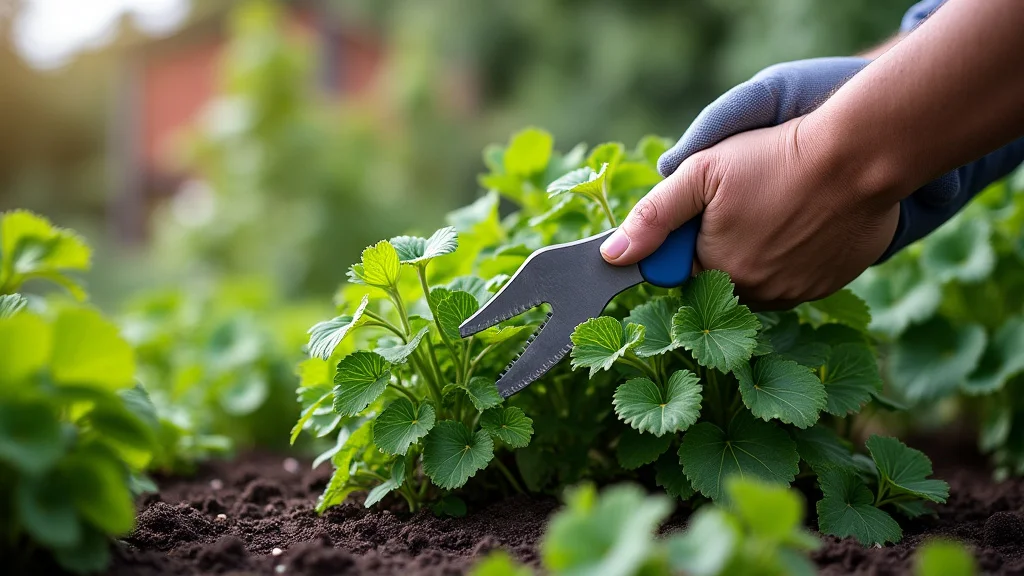
- Hand Fork: A small fork with short tines used for loosening soil, weeding, and mixing in compost or fertilizer.
- Weeder: A tool specifically designed for removing weeds, often with a forked or hooked end.
The trowel is your go-to tool for planting and transplanting small plants. The curved blade helps you dig easily, and the small size makes it perfect for working in confined spaces. Good trowels are made from stainless steel or carbon steel, making them resistant to rust. A comfortable handle will prevent hand fatigue. The shape of the trowel allows for easy scooping of soil, making it easy to position plants in their new homes.
A hand rake helps prepare the soil for planting and keeps it tidy. The tines can be made of metal or plastic. The hand rake is smaller than a regular rake, so it’s easier to maneuver in smaller areas like flower beds or vegetable gardens. It’s also great for gathering leaves and small bits of garden waste. Choose a hand rake with sturdy tines and a comfortable handle that will withstand regular use. The design typically involves closely spaced teeth that efficiently smooth the surface.
A hand fork is designed to loosen compacted soil and remove weeds. It’s also ideal for mixing in compost or fertilizer because its prongs easily work the additives into the soil. Consider a hand fork with a solid metal head and a comfortable handle. The hand fork, with its sharp prongs, allows for efficient cultivation without disturbing the surrounding plants too much. It’s especially useful for breaking up clumps in clay soils, providing better aeration and drainage.
The weeder is a specialized tool used to tackle unwanted plants. It often has a forked or hooked end to get under the weeds and pull them out by the roots. Different weeders are suitable for different kinds of weeds. Some have a V-shaped blade for slicing through taproots, while others have a claw to grab and extract weeds. Look for a weeder with a long handle to avoid bending over too much. It’s a key tool in maintaining a healthy garden.
Long-Handled Tools: Power and Reach
Long-handled tools provide the leverage needed for larger tasks, like digging, raking, and hoeing. These tools are designed to reduce strain on your back and knees. The length of the handle allows you to work from a standing position, making gardening more comfortable and efficient. Having the right long-handled tools can save considerable time and effort. Select tools with strong handles and durable heads, keeping in mind the materials and ergonomics.
- Spade: A flat-bladed tool with a rectangular head, used for digging, turning soil, and edging.
- Shovel: A curved-bladed tool used for scooping and moving materials like soil, compost, and mulch.
- Rake: A tool with a row of teeth or tines used for smoothing soil, collecting leaves, and removing debris.
- Hoe: A long-handled tool with a flat blade used for weeding, cultivating soil, and creating furrows.
The spade is a fundamental tool for any serious gardener, used for digging, edging, and turning over the soil. The flat blade makes it ideal for cutting through roots and sod. Look for a spade with a sturdy handle and a sharp blade. The handle may be made of wood or fiberglass, with fiberglass being more durable and resistant to the elements. Spades come in various sizes, so choose one that is suitable for your height and strength. A well-designed spade has a step on the blade to allow you to push it into the ground with your foot, improving leverage.
The shovel is designed for moving bulk materials, such as soil, compost, or mulch. The curved blade allows you to scoop and lift materials with ease. Similar to spades, shovels come in different sizes, with different blade shapes for various tasks. The handle can be wood or fiberglass. A pointed shovel is ideal for digging holes, while a square-bladed shovel is better for moving loose materials. A good shovel helps you move larger quantities of materials, significantly reducing the labor involved in gardening.
Rakes come in various forms, used for different purposes. The leaf rake is a fan-shaped tool used to gather leaves and other light debris, while the garden rake is more suitable for leveling soil and removing larger debris. The teeth can be made of metal or plastic, and the handle is typically made of wood or fiberglass. The rake is an indispensable tool for maintaining a neat and tidy garden. The design of the rake allows for efficient clearing of surfaces and is essential for preparing planting beds.
Hoes are designed to control weeds and prepare soil. There are different types of hoes, each designed for specific purposes. The draw hoe is used to pull weeds towards you, the scuffle hoe slices weeds at the soil surface, and the eye hoe is designed for heavier work like breaking up clods. A sharp hoe can be used for removing weeds. Look for a hoe with a sturdy handle and a well-sharpened blade. Choosing the right hoe depends on the type of gardening you do and the type of soil.
Pruning and Cutting Tools: Shaping Your Plants
Keeping your plants healthy and beautiful requires pruning. Pruning encourages growth, removes dead or diseased branches, and shapes your plants to your liking. The correct tools are essential for making clean cuts that heal quickly, preventing disease. Understanding the different types of pruning tools and their appropriate uses is important. Sharp, clean cuts are crucial for the health of your plants. Investing in quality pruning tools will help ensure the longevity of your plants.
- Pruning Shears (Secateurs): Hand-held shears used for cutting stems and branches up to about an inch in diameter.
- Loppers: Long-handled shears used for cutting thicker branches that are too large for hand pruners.
- Pruning Saw: A saw with a curved or straight blade, used for cutting branches that are too thick for loppers.
- Hedge Shears: Large shears used for trimming hedges and shaping shrubs.
Pruning shears are essential for trimming stems and small branches. There are two main types: bypass and anvil shears. Bypass shears have a sharp blade that passes by another blade, like scissors, making clean cuts. Anvil shears have a blade that comes down onto a flat surface, which can crush stems, so they are better for dead wood. Clean cuts help prevent disease. Choose shears that fit comfortably in your hand. Proper maintenance, including regular sharpening, will extend the life of your pruning shears.
Loppers are designed for cutting larger branches, often up to 1.5 to 2 inches in diameter. The longer handles provide leverage. Loppers come in both bypass and anvil styles, similar to pruning shears. Bypass loppers are generally preferred for living wood, as they produce cleaner cuts. When using loppers, always cut at a slight angle to the branch. This encourages proper healing. Consider loppers with extendable handles. Regular maintenance, including cleaning and sharpening the blades, will ensure longevity.
A pruning saw is a necessity for removing branches that are too large for loppers. Pruning saws come in folding and fixed-blade styles. Folding saws are easier to store and transport. The teeth of the saw are designed to cut on the pull stroke. Make sure to support the branch you are cutting to prevent it from tearing. A well-maintained pruning saw will make clean cuts and help prevent damage to your plants. Regular cleaning and sharpening will improve the efficiency.
Hedge shears are designed specifically for shaping and trimming hedges. They have long blades that are either straight or wavy. When using hedge shears, cut at a slight angle to encourage new growth and keep your hedges healthy. Choose hedge shears with comfortable handles. Maintaining the blades and regular cleaning will extend the life of your hedge shears. Hedge shears make it easier to shape your bushes.
Specialized Tools for Specific Tasks
As you become more experienced, you might find yourself needing specialized tools for particular gardening tasks. These tools can increase the efficiency and enjoyment of your gardening. Specialized tools can also help you tackle specific challenges and expand your gardening horizons. From soil testing kits to dibbers, these tools are designed to make certain tasks easier and more effective. Considering the type of gardening you intend to do can help determine whether specialized tools are necessary.
- Soil Testing Kit: Used to determine the pH and nutrient levels in your soil.
- Dibber: A pointed tool used to make holes in the soil for planting seedlings or bulbs.
- Wheelbarrow: A single-wheeled cart used for transporting soil, compost, and other materials.
- Watering Can: A container with a handle and a spout, used for watering plants.
Soil testing kits are helpful to understand the conditions in your garden. They measure the pH levels and the availability of nutrients like nitrogen, phosphorus, and potassium. Knowing your soil composition will allow you to amend it as needed to encourage plant growth. Testing your soil is a good way to determine what fertilizers or amendments are needed. Results of the tests can also help you to know what plants are most suited to grow. The use of a soil testing kit can often help improve your yield.
A dibber makes planting small plants, like seedlings or bulbs, quick and easy. Simply insert the dibber into the ground and create a hole of the appropriate size. It’s often more convenient and precise than using your fingers. Dibbers are available in various sizes and shapes. Select a dibber made of durable material, such as wood or metal. Using a dibber also reduces the risk of damaging delicate roots. The design allows you to plant at a consistent depth.
A wheelbarrow is an essential tool for transporting heavy materials around the garden. It is a workhorse, especially for gardeners with larger plots. Choose a wheelbarrow made of durable materials, with a strong frame and a sturdy wheel. A wheelbarrow will significantly reduce the strain on your back, making moving large amounts of materials much easier. Consider a wheelbarrow with a pneumatic tire for ease of movement across uneven terrain. It will save you time.
Watering cans are indispensable for watering plants, especially in smaller gardens or for container gardening. They allow for targeted watering, preventing water from being wasted. Choose a watering can made from durable plastic or metal, with a comfortable handle and a spout that delivers a gentle flow. The design of the spout can affect the watering. A rose spout diffuses the water, making it gentle on delicate plants. The choice of the right watering can depends on your gardening space and the plants.
Material Matters: Choosing the Right Tools
The material your gardening tools are made of directly affects their durability, performance, and longevity. Considering the materials used in the construction of each tool is important. High-quality materials resist wear and tear, and handle the rigors of gardening. Understanding the properties of different materials helps make informed choices, ensuring your tools last for many seasons. Different materials suit different purposes.
- Steel: Strong, durable, and can be sharpened to a fine edge.
- Wood: Provides a comfortable grip and is aesthetically pleasing.
- Plastic: Lightweight, inexpensive, and resistant to rust.
- Aluminum: Lightweight, rust-resistant, and relatively strong.
Steel is a common material for gardening tools due to its strength and durability. Steel tools can withstand significant pressure. Stainless steel is especially resistant to rust. Carbon steel needs more care. Steel is often used for the blades of shovels, spades, and hoes, where strength is most important. Look for tools made from high-quality steel, and properly maintain the tools to ensure longevity. Steel tools usually offer excellent value.
Wood is a popular choice for tool handles due to its natural feel and comfort. Wooden handles are generally less cold in winter. Hardwoods like ash and hickory are especially durable. Wood absorbs shock, making it more comfortable to use. Ensure that the wood is treated to resist rot and splitting. Replacing wooden handles is easy if they are damaged. The choice of wood also adds to the aesthetic value of the tools.
Plastic is often used for parts of gardening tools, such as handles, watering cans, and trowels. Plastic tools are generally lightweight and inexpensive. They’re also resistant to rust, making them ideal for tools that come into contact with water. The durability of plastic varies. High-quality plastics are very durable, while lower-quality plastics can break easily. Plastic is a good choice for tools that don’t need to withstand heavy use or extreme conditions.
Aluminum is used in various gardening tools, especially those where weight is an issue. Aluminum is resistant to rust and relatively strong. It’s often used for handles and the bodies of some tools. Aluminum can be dented or bent, so it’s less suitable for heavy-duty digging or prying. Aluminum tools are good for general gardening tasks where lightweight design is advantageous. Maintaining aluminum tools, with proper care, is useful.
Taking Care of Your Gardening Tools and Names: Maintenance Tips
Proper maintenance is important to increase the lifespan of your gardening tools and names. Regular cleaning, sharpening, and storage will help prevent rust and damage. Consistent care will ensure that your tools remain effective and safe to use. Simple practices can make a big difference in the performance and longevity of your tools. Regular maintenance will also help save money over the long term, by not needing to replace them often.
- Cleaning: After each use, remove soil and debris with a brush or cloth.
- Sharpening: Sharpen blades regularly to ensure clean cuts and efficient work.
- Oiling: Apply oil to moving parts to prevent rust and ensure smooth operation.
- Storage: Store tools in a dry place to prevent rust and damage.
Cleaning your gardening tools after each use is an easy way to maintain them. Soil and debris can cause rust, and they can also spread diseases between plants. Use a brush or cloth to remove dirt and grime. For stubborn dirt, you can wash the tools with soap and water. Drying your tools will help prevent rust. Regular cleaning will help keep your tools in top condition and working well.
Sharpening the blades of pruning shears, loppers, and other cutting tools is essential for making clean cuts. Dull blades tear the plant tissue and promote disease. Use a sharpening stone or file to maintain sharp edges. Sharpen your tools regularly, at the beginning and end of the gardening season, or whenever you notice the blades becoming dull. Sharp blades not only make gardening easier, but also keep your plants healthy. A well-sharpened tool is also safer to use.
Oiling the moving parts of your tools helps to prevent rust and corrosion, and keeps them working smoothly. Apply a light machine oil or a similar product. Oiling is especially important for tools that are used in wet conditions or stored in damp places. Regularly oiling shears, loppers, and other tools will increase their lifespan. The simple practice of oiling your tools will help keep them in working condition, season after season.
Proper storage is important to protect your tools from the elements and keep them in good condition. Store your tools in a dry place, such as a shed or garage. Avoid storing tools directly on the ground, which can lead to rust. Consider hanging your tools on a wall or using a tool rack. Storing tools properly will help them last for many years. With the right storage solutions, they remain accessible and organized.
Choosing the Right Tools for Your Needs
The right tools for you depend on your gardening style, the size of your garden, and the types of plants you plan to grow. If you have a small space, you can probably get by with the basics: a trowel, hand fork, pruning shears, and a watering can. For larger gardens, you might want to invest in a spade, shovel, rake, and loppers. Consider your physical limitations. Some tools are heavier than others. The materials and handles, particularly the ergonomics, will affect your overall experience. Taking the time to evaluate these points will result in a more productive and enjoyable time in the garden.
- Small Gardens: Focus on versatile hand tools and a few key long-handled tools.
- Large Gardens: Invest in a wider array of tools, including long-handled tools and wheelbarrows.
- Vegetable Gardens: Prioritize tools for planting, weeding, and harvesting.
- Flower Gardens: Focus on tools for planting, pruning, and shaping.
If you’re gardening in a small space or container garden, you won’t need as many tools. Focus on the basics, like a trowel, hand fork, and pruning shears. Long-handled tools might also be beneficial. A small watering can will also be useful. Choose lightweight tools that are easy to maneuver in confined spaces. Opting for a few versatile tools will make it easier to maintain your garden. Think about what tasks you’ll perform most often.
Gardening in a larger space means you’ll need more tools to handle the increased scale of the work. Besides the core hand tools, you’ll need long-handled tools like a spade, shovel, and rake. A wheelbarrow will also become essential to transport soil and other materials. Loppers or a pruning saw are also useful. Consider the size of your garden to assess your needs. You can invest in tools gradually. Making it easier to work will also make gardening more enjoyable.
Vegetable gardens require tools that will help you prepare the soil, plant seeds, weed, and harvest your crops. A hand fork, trowel, and hoe are important. A dibber is essential for planting seedlings and bulbs. Choose tools that will make it easier to maintain your plants. Consider the size of your plants. A good hoe is especially useful for weeding. The right tools help to ensure a successful harvest. Making the tasks easier will save time.
If you are growing flowers, pruning tools are very important. Pruning shears and loppers will be your best friends. A trowel and hand fork will be very useful. The hand rake is especially important for cleaning debris. A dibber will also be useful. Focus on tools that will help you maintain your plants. Choosing the right tools will make your flower garden beautiful. Taking the time to choose the tools helps improve your gardening experience.
Top Gardening Tools and Names Brands
There are many reputable brands offering high-quality gardening tools and names. Researching the different brands and reading reviews can help you find tools that are right for you. Different brands cater to different needs and budgets, so it is important to find the tools that best suit your requirements. Consider the materials, the ergonomics, and the price. Here are some of the most respected brands in the market.
| Brand | Key Features | Price Range |
|---|---|---|
| Fiskars | Known for ergonomic designs, durable materials, and affordable prices. | $$ |
| Corona | Offers a wide range of tools for both professional and home gardeners. Known for high-quality pruning tools. | $$$ |
| Gardena | Offers innovative designs, including cordless power tools and water management systems. | $$$ |
| Wilkinson Sword | Known for its traditional designs, quality materials, and a focus on durability. | $$$ |
Price Range Key: $ (Inexpensive), $$ (Mid-Range), $$$ (High-End)
Frequently Asked Questions
Question: What is the best material for gardening tool handles?
Answer: Wood, particularly hardwoods like ash and hickory, offers a comfortable grip and shock absorption. Fiberglass is also a durable and weather-resistant option.
Question: How do I remove rust from my gardening tools?
Answer: You can remove rust by scrubbing the tools with a wire brush or steel wool, then applying a rust remover product. Afterwards, dry and oil the tools to prevent further rusting.
Question: Should I sharpen my pruning shears myself or have them sharpened?
Answer: You can sharpen your pruning shears yourself using a sharpening stone or file. However, if you’re not comfortable with this process, you can take them to a professional for sharpening.
Question: What is the difference between a spade and a shovel?
Answer: A spade has a flat blade for digging and edging, while a shovel has a curved blade for scooping and moving materials.
Question: How often should I water my garden?
Answer: The frequency of watering depends on the plant type, the weather, and your soil. Generally, it’s better to water deeply but less often.
Final Thoughts
Having the right tools is important for any gardener. Choosing the right gardening tools and names for your specific needs will make your experience more enjoyable and efficient. Remember to invest in tools made from high-quality materials and to maintain them properly. From the fundamental hand tools to specialized items, there are options for every gardener. With the information in this guide, you can confidently explore the world of gardening. Start by evaluating your needs and selecting tools that meet them. Embrace the joy of working in your garden. Happy gardening!