
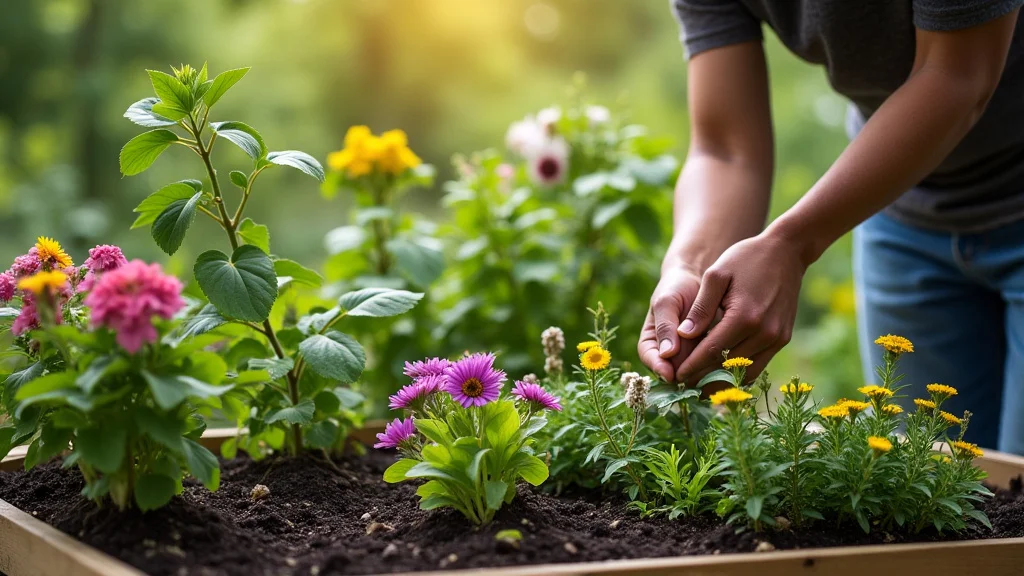
Remember that time you tried to plant a sunflower, only to realize you didn’t have a trowel? Or when your flimsy hand rake snapped in half while you were trying to clear leaves? We’ve all been there! Starting a garden can feel like an expensive hobby, especially when you consider all the tools you need. But it doesn’t have to break the bank. This post will show you how to find high-quality gardening tools cheap, so you can cultivate your dream garden without emptying your wallet. Get ready to discover strategies for saving money on essential gear and learn how to make the most of your investment. You’ll learn where to shop, what to look for, and how to maintain your tools to keep them in top shape, saving you both time and money.
Key Takeaways
- Discover budget-friendly places to purchase gardening tools.
- Learn about the essential tools every gardener needs, regardless of budget.
- Find out how to choose quality tools that will last for years.
- Get expert advice on maintaining your tools to extend their lifespan.
- Uncover creative ways to find gardening tools cheap, like repurposing old items.
- Become a savvy shopper and maximize your gardening budget.
Budget-Friendly Options for Buying Gardening Tools
The cost of gardening tools can quickly add up, but there are numerous ways to find excellent tools without spending a fortune. Explore options beyond your local garden center to uncover some of the best deals. By investigating these various avenues, you can equip yourself with the tools needed to cultivate a thriving garden without stretching your finances.
Discount Stores and Big Box Retailers
Discount stores and big box retailers often offer a surprisingly good selection of gardening tools at very competitive prices. They source their tools in bulk, which allows them to pass on savings to the customer. While the quality might not always match professional-grade tools, you can often find sturdy and reliable options for basic gardening tasks. It’s a great place to start, especially if you’re on a tight budget or just beginning your gardening adventure. These stores frequently have seasonal sales, which are an ideal time to stock up on essentials like hand trowels, weeding tools, and watering cans.
- Price Advantage: Discount stores are able to offer competitive pricing due to their buying power. Look for sales events and clearance sections for additional discounts.
- Wide Selection: Find a variety of tools that cater to different gardening needs. Explore different brands and options to find tools that meet your requirements.
- Convenience: Most of these stores are readily accessible with long operating hours, so it’s easy to shop for your needs.
Big box retailers have massive buying power, allowing them to negotiate lower prices with suppliers. They also frequently run sales events and mark down clearance items at the end of the gardening season, making it possible to grab tools at significant savings.
These stores offer a wide variety of tools, from basic hand tools to larger items such as wheelbarrows, hoses, and even small power tools. This allows you to purchase everything you need in a single trip.
With their widespread presence, these retailers are accessible to most people. Their convenient hours of operation make it easy to shop when it suits your schedule. You can quickly pick up the necessary tools without having to plan a special trip.
Online Marketplaces and Auctions
Online marketplaces and auctions provide access to a vast array of gardening tools, both new and used, frequently at prices lower than you’d find in physical stores. These platforms connect you with sellers from all over, giving you the ability to compare prices and find deals. Be cautious and do your research before purchasing from individual sellers, and always check the seller’s rating and reviews. Many times, you can uncover hidden gems, especially when looking for gently used equipment. Consider items with minor cosmetic flaws; they can still be fully functional at a discounted cost.
- Variety of Choices: Browse an extensive assortment of tools, from common hand tools to specialist equipment.
- Cost Savings: Discover deals on both new and used tools, often below retail costs.
- Convenience of Shopping: Browse and purchase from the ease of your home, and have your tools delivered directly to your front door.
The vast selection on these platforms is unparalleled. You will come across various brands, models, and tool types that might not be available locally. This allows you to find specialized tools or compare brands.
Individuals selling their used tools often set lower prices than retailers. Even for new items, you can often find competitive prices. Remember to factor in shipping costs when comparing prices to get the true value.
You can shop from your home at any time, eliminating the need to visit physical stores. The ability to filter search results and compare options makes the whole process efficient.
Garage Sales, Flea Markets, and Community Sales
Garage sales, flea markets, and community sales can be treasure troves for finding gardening tools cheap. These events are often filled with gently used or even new items that people are selling to declutter their homes or make extra money. It’s an excellent opportunity to find bargain prices. Be prepared to bargain, and don’t be afraid to inspect the tools closely before buying. These events can provide a fun and social way to find gardening necessities while supporting local communities.
- Exceptional Bargains: Score steep discounts on tools that are no longer needed by their owners.
- Unique Finds: Discover vintage or unusual tools that are not always available at regular stores.
- In-Person Inspection: Inspect the tools before you purchase them.
Vendors at garage sales and flea markets frequently want to sell their items quickly, and they’re usually open to negotiation. It’s not uncommon to find tools sold for a fraction of their original price.
You might find tools from different eras or brands that are no longer available in stores. These tools can add character to your gardening experience and be built to last.
Unlike online shopping, you can visually inspect each tool to assess its condition and functionality. Ask the seller questions about its usage and maintenance history.
Essential Gardening Tools for Every Gardener
Whether you’re starting a new garden or simply expanding your existing one, having the right tools is essential for success. You don’t need to break the bank to equip yourself with the basics. A carefully chosen set of tools can make gardening easier, more enjoyable, and more efficient. Focus on quality and versatility when selecting your tools, and consider how they can adapt to various gardening tasks. With a few key pieces of equipment, you can take on a wide range of gardening challenges. Here’s what you need to get started:
Hand Trowel and Hand Fork
The hand trowel and hand fork are two of the most indispensable tools for any gardener. They’re perfect for small tasks, like planting seedlings, weeding, and transplanting flowers. The hand trowel is great for digging small holes and scooping up soil, while the hand fork helps loosen soil, remove weeds, and prepare the ground for planting. When selecting these tools, prioritize those with strong, durable metal blades and comfortable handles to ensure longevity and ease of use. Look for a trowel with a rounded or slightly pointed blade for easy digging, and a fork with sturdy tines to manage different soil types.
- Planting: Use the trowel to dig holes for seedlings and the fork to loosen the soil before planting.
- Weeding: Employ the hand fork to remove weeds by loosening the soil around the roots, making them easier to pull out.
- Transplanting: Utilize both tools to carefully lift and move plants from one location to another.
These two tools work in tandem. The trowel allows you to dig the perfect-sized hole for your plant’s roots, while the fork breaks up the soil around the hole, ensuring good aeration and drainage.
The fork’s tines can effectively lift weeds without disturbing the surrounding plants. This eliminates the need for potentially harmful herbicides.
The trowel can help dig out the plant, and the fork can loosen the soil around the roots for a smooth transition to its new home.
Hand Rake and Hoe
The hand rake and hoe are essential for preparing soil and keeping your garden tidy. The rake is designed to smooth soil, remove debris, and level surfaces, while the hoe is excellent for weeding and cultivating between rows of plants. When choosing these tools, consider the size of your garden and the type of soil you have. A hand rake with flexible tines is great for collecting leaves and debris, while a sturdy hoe with a sharp blade can make quick work of weeding. Both tools will save you time and effort.
- Soil Preparation: Use the rake to spread compost and level the ground before planting. Use the hoe to break up clumps of soil.
- Weeding: Regularly use the hoe to slice weeds below the soil surface, preventing them from spreading.
- Maintenance: Keep paths and borders neat by removing leaves and debris with the rake.
Before planting, use the rake to create a smooth, even surface. The hoe helps by breaking up clumps and aerating the soil, allowing for better root growth.
Weeding regularly with a hoe is essential for maintaining a tidy garden and reducing competition for resources. The hoe will effectively cut weeds, and the rake will gather them.
These tools can keep your garden looking clean and well-maintained. They help prevent the buildup of organic debris that can attract pests.
Watering Can or Hose
Efficient watering is vital for a healthy garden, and having the right tools can make a significant difference. A watering can is perfect for smaller gardens and container plants, giving you precise control over the water flow. A garden hose with an adjustable nozzle is ideal for larger areas, allowing you to cover more ground quickly. Select a watering can with a comfortable handle and a rose head for gentle watering, and a hose that’s durable, kink-resistant, and can be used with a variety of spray patterns. Both options ensure your plants receive the water they need.
- Watering Plants: Use a watering can or hose to provide water to your plants’ roots.
- Control Over Flow: Opt for a watering can for targeted watering. Select a hose with an adjustable nozzle for versatile watering.
- Efficient Irrigation: A proper watering system makes plants grow.
Regular watering is essential, especially during dry periods. Water at the base of your plants to ensure the roots receive adequate hydration.
A watering can allows you to water specific plants without wetting the foliage, which can help prevent fungal diseases. A hose with an adjustable nozzle allows you to change the spray pattern to suit your watering needs.
Ensure your garden gets the water it needs without wasting any. This will help you keep your plants healthy and thriving.
Choosing Quality Gardening Tools That Last
Investing in quality gardening tools is a smart move that saves you money in the long run. Durable tools will endure wear and tear, and they provide better performance and user experience. While the initial cost of quality tools might be higher, you’ll be able to enjoy them for years. Here are some key factors to keep in mind when selecting your tools:
Material Matters
The materials used to make gardening tools significantly impact their longevity and performance. High-quality tools are usually made from sturdy materials that can withstand harsh conditions and repetitive use. Look for stainless steel or carbon steel blades for shovels, trowels, and hoes, as these are rust-resistant and durable. Handles made of hardwood, fiberglass, or steel are generally more robust and provide better grip and control. Avoid tools made of flimsy materials. This is key to finding gardening tools cheap. Choosing tools based on material is not just a decision about the initial cost; it is also a choice about long-term value.
- Stainless Steel: Stainless steel is rust-resistant, making it ideal for tools used in wet soil.
- Hardwood Handles: Hardwood handles provide a comfortable grip and can absorb shock.
- Fiberglass Handles: Fiberglass handles are lightweight, strong, and weather-resistant.
Tools made from stainless steel will last longer and require less maintenance. This helps keep them in good condition for many years.
Hardwood like ash is a common choice. They provide a sturdy feel and provide a good balance to the tools.
They can withstand harsh weather and are resistant to damage from moisture and UV rays, giving them a longer lifespan compared to wooden handles.
Ergonomics and Comfort
Ergonomics plays a significant role in making gardening a pleasant and less strenuous activity. Tools that fit well in your hand and are designed to reduce strain will enhance your gardening experience. Look for tools with comfortable handles that provide a secure grip, and consider the weight of the tool. Heavy tools might be more difficult to handle for extended periods. Ergonomic designs, such as curved handles or cushioned grips, are specifically made to decrease stress on your hands, wrists, and back. Prioritizing ergonomic features makes gardening more enjoyable.
- Handle Design: Select tools with comfortable, well-designed handles.
- Grip Material: Opt for handles made from materials like rubber or textured plastic to prevent slipping.
- Weight and Balance: Choose tools that are lightweight and well-balanced.
Look for handles that are shaped to fit comfortably in your hand. This will reduce strain and fatigue, especially during extended use.
Textured grips and rubber coatings offer a better grip, even when your hands are wet or sweaty. This adds to the comfort and safety when using tools.
A well-balanced tool is easier to maneuver and minimizes the amount of effort needed. This is especially important for tools you’ll be using for hours.
Reading Reviews and Doing Research
Before buying any gardening tool, do your homework. Read reviews from other gardeners, check online forums, and research different brands and models. Consumer reviews offer useful insight into the tools’ real-world performance and durability. Look for reviews that mention the tool’s performance in different conditions, its build quality, and any issues users have experienced. Consider the tool’s warranty and customer service policies, as this could signal the company’s confidence in their product and its willingness to support its customers. Your research will help you make a well-informed decision that suits your gardening needs.
- Online Reviews: Search for product reviews on retailer websites and third-party sites.
- Expert Advice: Look for reviews and articles by gardening experts.
- Compare Options: Compare different brands and models before committing to a purchase.
Customers often share their experiences. This helps you understand the pros and cons of different tools.
Experts and professional gardeners often test and review tools, providing valuable insights.
Comparing different options allows you to find the best tool for your needs. Consider features, durability, and price before deciding.
Maintaining Your Gardening Tools to Extend Their Lifespan
Proper care and maintenance of your gardening tools are essential to keep them in good working order and prolong their lifespan. Regularly cleaning and storing your tools correctly will prevent rust, corrosion, and other damage. By following these simple practices, you can protect your investment and ensure your tools are ready for use. Regular maintenance not only protects your tools from premature wear and tear but also improves their performance and the efficiency of your gardening efforts. This helps you to make the most of your investment in gardening tools cheap.
Cleaning and Storage
After each use, clean your gardening tools to remove any dirt, mud, and plant debris. Rinse the tools with water and use a scrub brush to get rid of any tough dirt. Dry them thoroughly, especially the metal parts, to prevent rust. Once the tools are clean and dry, store them in a dry place. Ideally, hang your tools on a pegboard or rack in a shed or garage. This will protect them from the elements and prevent them from becoming lost. Proper storage keeps your tools organized and ready for the next gardening season.
- Rinse and Scrub: Clean off dirt and debris after each use.
- Drying: Ensure that your tools are fully dry before storing them.
- Storage: Store your tools in a dry, covered area.
Use water and a scrub brush to clean any dirt, mud, or plant matter from your tools. This will prevent build-up and corrosion.
Drying is crucial to prevent rust, especially on the metal parts of your tools. Wipe them down with a cloth or let them air dry completely.
A shed, garage, or storage shed is ideal for keeping your tools. Avoid storing them outside in the elements, as this can lead to rust.
Sharpening and Oiling
Regular sharpening of cutting tools, like pruners, shears, and hoes, is important for effective and safe use. Dull blades demand more force and can cause injury. Use a sharpening stone or file to keep the blades sharp and ready to cut cleanly. Apply a light coat of oil to the metal parts of your tools to prevent rust and lubricate moving parts. This is especially important for tools with hinges or blades that move. Regular sharpening and oiling not only increase the lifespan of your tools but also improve their performance, making your gardening tasks easier and more enjoyable.
- Sharpening Blades: Sharpen cutting tools regularly to maintain their effectiveness.
- Oiling Moving Parts: Apply oil to hinges and blades to prevent rust and ensure smooth operation.
- Inspection: Check tools for any signs of wear and tear or damage regularly.
Use a sharpening stone or file to keep blades sharp. Sharp blades cut more cleanly and require less effort.
Oiling will protect the tool from the elements and ensure the moving parts work smoothly. This will make your tools last longer.
Addressing any issues immediately can prevent more significant damage. Minor repairs will extend the life of your tools.
Seasonal Maintenance
Seasonal maintenance provides an opportunity to give your gardening tools a more comprehensive inspection and preparation for storage or the upcoming season. At the end of the gardening season, give all your tools a thorough cleaning, sharpening, and oiling before storing them for the winter. This will prepare them for the following spring. At the start of the gardening season, inspect your tools for any damage that may have occurred during storage. If you find any damage, make repairs or
- End-of-Season Care: Clean, sharpen, and oil your tools before storing them for winter.
- Spring Inspection: Examine tools for damage and make any necessary repairs.
- Preventative Measures: Implement strategies to prevent damage.
This will protect them from rust and prepare them for the next gardening season. Proper cleaning will get rid of any dirt or plant debris.
Check the handles, blades, and any moving parts. Replace or repair any damaged parts before starting to use your tools.
Proper storage in a shed or covered area, along with regular cleaning and oiling, helps extend the lifespan of your tools.
Frequently Asked Questions
Question: Where is the best place to find used gardening tools?
Answer: Garage sales, flea markets, and online marketplaces are excellent places to find used gardening tools. You can often find great deals.
Question: How can I choose tools that will last a long time?
Answer: Look for tools made from durable materials like stainless steel or hardwood, and read reviews to ensure good quality and construction.
Question: How often should I sharpen my gardening tools?
Answer: Sharpen cutting tools like pruners and hoes at least once a year, or more frequently if you use them often or notice they are getting dull.
Question: Is it worth buying expensive gardening tools?
Answer: Investing in quality tools can save you money in the long run. They last longer, perform better, and are often more comfortable to use.
Question: What’s the best way to store gardening tools?
Answer: Store tools in a dry, covered place like a shed or garage, ideally hanging them to keep them organized and protected from the elements.
Final Thoughts
Finding gardening tools cheap is completely achievable with a little planning and research. By exploring budget-friendly options like discount stores, online marketplaces, and local sales, you can acquire the essential tools you need without overspending. Remember the key is to be a savvy shopper, comparing prices, and selecting tools made of durable materials that will provide lasting value. By taking good care of your tools through regular cleaning, sharpening, and proper storage, you will extend their lifespan, maximizing your investment. So, gather your gardening tools and begin planting.