
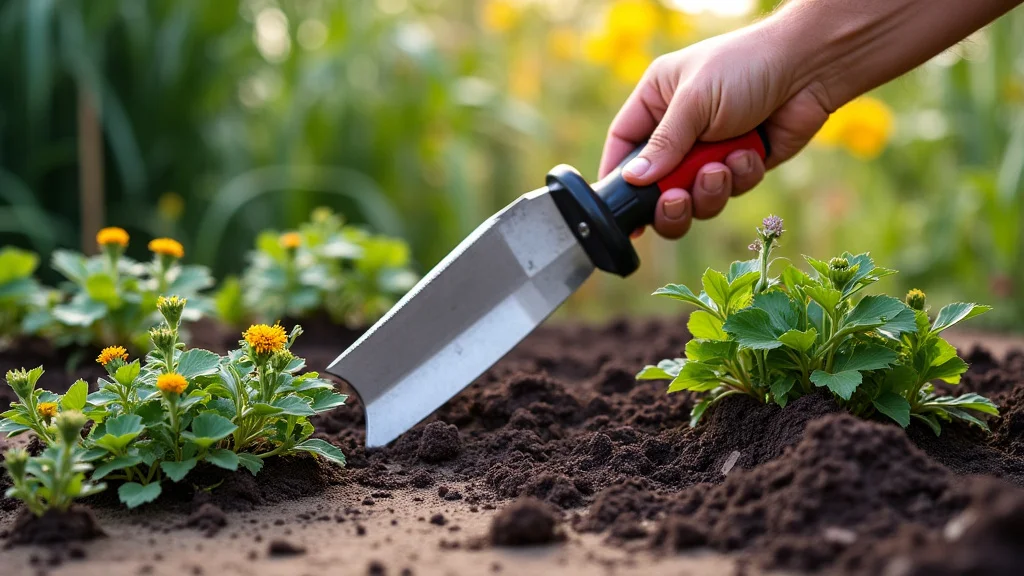
Remember that time you tried to transplant a rose bush with a flimsy trowel that bent in half? Or when you spent an entire afternoon wrestling with a dull pruner, wishing for a quick solution? We’ve all been there! Choosing the right gardening tools can make the difference between a frustrating afternoon and a thriving garden. This post is all about helping you find the best gardening tools catalogs with prices, so you can equip yourself with the right gear without breaking the bank. You’ll gain insights into the key factors to consider, discover where to find great deals, and learn how to choose tools that will last. This knowledge will improve your gardening experience, saving you time and effort.
Key Takeaways
- Discover the best places to find gardening tools catalogs with prices.
- Learn how to compare prices and find deals on essential gardening equipment.
- Explore different types of tools and their uses in your garden.
- Understand the importance of tool quality and how to identify durable options.
- Gain tips on how to care for your tools to extend their lifespan.
- Find out how to estimate the cost of the tools you need for your projects.
Unearthing the Best Gardening Tool Catalogs
The journey to a thriving garden often starts with finding the right tools. With the vast array of options available, selecting the best gardening tools catalogs with prices can seem overwhelming. This section will assist you in narrowing down your choices. You’ll find valuable resources that cater to various gardening needs and budgets. We’ll explore the advantages of different catalog types and highlight where to find the most comprehensive selections. Understanding these catalogs is a crucial first step toward creating your ideal gardening setup.
Types of Gardening Tool Catalogs
Gardening tools come in various forms, and catalogs reflect this diversity. These catalogs cater to different needs and preferences. Whether you’re a seasoned gardener or a beginner, familiarizing yourself with these types can significantly improve your tool-shopping experience. Each catalog provides a unique perspective and selection of available tools. This can help you streamline the process and find precisely what you’re seeking, from basic hand tools to advanced systems.
-
Specialty Catalogs. These catalogs specialize in specific types of gardening tools, such as organic gardening tools, tools for raised beds, or tools designed for specific plants. These catalogs usually feature high-quality tools that are designed to do a specific job, offering a more niche approach for gardening enthusiasts. Their catalogs feature detailed product descriptions and sometimes include user reviews and advice.
For instance, a catalog might focus on tools for bonsai, featuring small pruning shears and specialized shaping tools. This specialization allows them to offer expert advice and a curated selection tailored to a specific audience. These specialty catalogs are ideal if you know exactly what you are seeking and have specific needs.
-
General Gardening Catalogs. General catalogs offer a wide selection of gardening tools, seeds, and accessories. These catalogs usually target a broader audience, with tools ranging from basic hand tools to power equipment. They’re great for finding a variety of items in one place.
They often include seasonal promotions, package deals, and clearance sections. This is advantageous for gardeners seeking to equip themselves with all the necessities without searching multiple sources. General catalogs are a good starting point for novice gardeners or anyone looking for a one-stop-shop for their gardening requirements.
-
Online Retailer Catalogs. Online retailers like Amazon or eBay also function as extensive gardening tool catalogs. These platforms provide a huge selection of tools from various brands at different prices. You can usually view customer reviews and compare products.
Online retailers generally provide price comparisons, making it easy to check the price on tools. They also offer a vast inventory that may not be available locally. This approach is beneficial for people who prioritize convenience and seek the largest possible inventory.
-
Local Nursery Catalogs. Many local nurseries and garden centers send out catalogs to local residents. These catalogs provide a glimpse into the seasonal offerings and tools available at brick-and-mortar stores. This is beneficial for those who prefer to support local businesses.
They often provide useful advice, workshops, and other support services. In addition to tools, the catalogs usually feature plants that are well-suited to the local climate and soil conditions. Local catalogs are an excellent resource for those seeking personalized assistance and hands-on guidance.
Factors to Consider When Choosing a Catalog
Selecting the right gardening tools catalog is more than just flipping through pages. It means considering several factors to ensure the catalog aligns with your gardening goals. Evaluating catalog content, evaluating the usability of the catalog, and the pricing strategy is essential for making a wise decision. Here’s a breakdown of some of the most essential aspects to consider when selecting a catalog for your needs.
-
Catalog Content and Selection. Examine the range of tools the catalog offers. A good catalog includes a variety of tools like hand tools, pruning tools, planting tools, and equipment. The selection should reflect your gardening style and the types of plants you plan to grow.
Make sure the catalog features tools that are appropriate for the size of your garden. A small backyard garden doesn’t require the same tools as a large estate. Tools for different gardening styles, such as organic, raised beds, or hydroponics, should be available in a good catalog.
-
Price and Value. Compare prices among multiple catalogs to ensure you’re receiving the best value. Pay attention to the materials, build quality, and warranties offered.
Consider special offers, package deals, and shipping costs. Sometimes, the initial price of a tool might seem higher, but its durability can make it a better value over time. A catalog that clearly lists prices and describes any potential shipping costs is advantageous.
-
Usability and Information. The layout and design of a catalog should be easy to navigate. Clear photos, detailed product descriptions, and helpful information are essential.
Read the catalog’s descriptions carefully, paying close attention to the features, materials, and potential uses of the tools. Consider looking for customer reviews, tips, and other useful content. A catalog that is easy to understand and provides you with the information you need will help you make a better buying decision.
-
Availability and Accessibility. Check whether the catalog is readily accessible, whether it’s available in print, online, or both. Online catalogs are frequently updated, while print catalogs may offer a more tactile browsing experience.
If you’re buying online, assess the website’s ease of use and the security of the ordering process. Ensure that the catalog has a reliable customer service system. Consider whether the catalog provides shipping and return policies that meet your needs.
Comparing Prices and Finding the Best Deals
Finding the right tools at the right price is crucial to any gardener. Comparing prices and uncovering bargains requires a strategic approach. This section will assist you in becoming a skilled shopper, highlighting strategies to uncover discounts, and comparing pricing. You’ll also learn to distinguish between genuine bargains and marketing tactics. This knowledge will assist you in maximizing your budget and equip your garden without overspending.
Price Comparison Strategies
Comparing prices is a skill that saves money and ensures you receive the best value for your investment. It involves evaluating different vendors and knowing how to compare the real cost of each item. Here are some strategies that you can apply when comparing prices for gardening tools catalogs.
-
Use Online Price Comparison Tools. Numerous websites and browser extensions enable you to compare prices across different retailers. These tools automate the process of finding the lowest prices, removing the need for manual searching.
These services usually show prices from various online stores in one place, which helps you quickly compare prices on the same product from different sellers. They also provide price history charts, allowing you to see how prices have changed over time.
-
Compare Prices at Different Retailers. Don’t limit yourself to a single retailer. Compare prices at local garden centers, hardware stores, and online stores. Different stores can have varying prices for the same tools.
Also, be sure to check specialty stores that cater to specific gardening needs. These stores might have better pricing on particular tools. Comparing prices at different retailers provides you with a broad view of market prices, helping you identify the most advantageous deals.
-
Check for Sales and Promotions. Pay attention to seasonal sales, clearance events, and promotional offers. Many gardening tools are sold at discounted prices during off-peak times.
Sign up for email newsletters from your preferred retailers to stay informed about sales and special deals. Also, watch for special promotions such as “buy one, get one free” offers, or discounts on bulk purchases. By keeping an eye on sales and promotions, you can acquire high-quality tools at reduced prices.
-
Consider Shipping Costs and Return Policies. Factor in the total cost when making a purchase. Pay attention to shipping costs, as these can significantly impact the final price.
Check the return policies of the retailer. Know whether you can return a tool if it doesn’t meet your expectations or if it’s defective. Examine the return costs, and any restocking fees. Understanding the shipping costs and return policies helps avoid any unexpected expenses and protects you from potential problems.
Identifying Bargains and Avoiding Overspending
Knowing how to spot a real bargain from a marketing gimmick is a crucial skill for any shopper. These strategies will equip you to make wise purchasing choices and acquire high-quality tools without spending a fortune.
-
Assess the Quality of the Tool. Don’t solely base your purchasing decisions on the price. Examine the tool’s construction, materials, and brand reputation.
Consider the tool’s intended use and the gardening tasks you’ll undertake. Tools made with strong materials, like forged steel or hardwood handles, often provide better value because they last longer. Check the tool’s handle type, blade sharpness, and ease of usage.
-
Read Customer Reviews. Customer reviews provide insights into a product’s real-world performance, usability, and durability.
Read reviews from various sources to gain a balanced view of the tool. Pay attention to reviews regarding the tool’s reliability, effectiveness, and customer service experience. Reviews may also highlight any drawbacks or possible issues. Using customer reviews, you can assess the tool’s quality and determine if it meets your needs.
-
Check for Warranties. A warranty indicates a manufacturer’s confidence in their product. Tools with warranties often provide greater value, as they provide protection against defects or damage.
Understand the duration of the warranty, what is covered, and the process to file a claim. Be aware of any restrictions, such as the tool’s intended use or maintenance requirements. A warranty gives security and shows that the manufacturer stands behind its product.
-
Avoid Impulse Purchases. Take a moment to think before making a purchase. Don’t be lured by flash sales or deals that tempt you to purchase tools you don’t need.
Make a shopping list ahead of time, outlining the essential tools you need for your garden. If you find a tool on sale, consider whether it truly matches your needs. Delaying purchases can help you avoid making impulsive decisions and save money.
Exploring Tools and Their Practical Uses
Every gardener understands the value of the correct equipment. Choosing the appropriate tools for your gardening projects not only makes the work easier but also improves the outcome of your gardening. This section will assist you in exploring the various types of gardening tools available, their respective functions, and how they assist in your garden. Learn which tools you require and how to use them effectively for tasks, such as planting, pruning, and soil preparation. The following sections will guide you through the various tools and their uses.
Essential Hand Tools for Gardening
Hand tools form the core of every gardener’s arsenal. From the most basic activities to intricate tasks, these tools will help you work in your garden. Here’s a detailed exploration of some essential hand tools and their purposes.
-
Trowel. A trowel is a small, handheld tool with a curved blade and a handle. It is generally used for digging small holes for planting seedlings and transplanting plants.
A good trowel has a sturdy blade, often made of stainless steel to resist rust. Ergonomic handles make extended use more comfortable. Trowels are excellent for delicate tasks like adding compost or fertilizer around plants.
-
Hand Rake. A hand rake is a small rake, used for leveling soil, removing debris, and gently smoothing the surface of a planting bed.
Choose a rake with tines that are closely spaced to effectively catch small leaves and debris. Hand rakes are also excellent for spreading mulch or working amendments into the soil.
-
Hand Fork. A hand fork has several tines. It is used for loosening and aerating soil. It is also good for removing weeds.
The sturdy tines of hand forks make them perfect for breaking up compacted soil. They’re good for preparing beds for planting or for helping loosen the soil around established plants.
-
Pruning Shears (Secateurs). Pruning shears are used for cutting stems and branches of plants. They are essential for keeping plants healthy and attractive.
Look for shears with sharp, bypass blades for a clean cut. The best shears have ergonomic handles and spring-loaded designs for ease of use. They are essential for maintaining the shape, health, and productivity of your plants.
-
Weeders. Weeders are designed to remove weeds from your garden.
There are many types, including stand-up weeders and hand weeders. Choose a weeder that fits your specific needs. Weeders help keep your garden free of unwanted plants, ensuring the health of your flowers and vegetables.
Specialized Tools for Specific Tasks
While hand tools are sufficient for basic gardening, there are specialized tools. These tools are tailored for particular tasks and provide efficient and effective ways to manage your garden. Here are some examples of specialized tools that can improve your gardening activities.
-
Loppers. Loppers are long-handled pruning tools used for cutting thicker branches that pruners can’t handle.
Loppers provide extra leverage, allowing you to cut branches without having to strain. They are essential for maintaining the shape and health of larger shrubs and trees.
-
Hedge Shears. Hedge shears are used for trimming hedges and shrubs to create even shapes. They have long, straight blades.
The long blades help make precise cuts, which promotes the growth and appearance of your hedges. Using hedge shears regularly improves the beauty and order of your garden.
-
Garden Forks and Spades. These tools are for digging, turning, and aerating soil. Garden forks have tines to lift and loosen soil. Spades have a flat blade for digging and edging.
Garden forks are ideal for breaking up compacted soil and working in compost. Spades are used for edging borders and preparing planting beds. They provide an efficient way to prepare your garden.
-
Wheelbarrows and Carts. Wheelbarrows and carts assist you in moving soil, mulch, and other materials across your garden.
They are vital for carrying heavy materials, reducing strain and improving efficiency. Wheelbarrows come in different sizes, with different capacities. Choose one that meets your specific requirements.
-
Soil Testing Kits. Soil testing kits are used to check the pH level and nutrient content of the soil. This will give you important information to assist you in making informed decisions about fertilizers and soil adjustments.
These kits provide results on your soil’s composition. This information helps you choose appropriate fertilizers and amendments, ensuring your plants receive the nutrients they need. Using a soil testing kit can improve plant health and productivity.
Considerations for Tool Selection Based on Plant Type
The type of plants you are growing is a key factor. Whether you are growing vegetables, flowers, or a diverse mix, selecting the correct tools helps make the process easier and helps plants thrive. Consider the following factors when selecting your tools:
-
Vegetable Gardens. For vegetable gardens, consider tools like trowels and hand forks for planting and cultivating around plants. Also, you may want to invest in a hoe for weeding and a wheelbarrow for carrying compost or harvested vegetables.
A soil test kit can be invaluable to assess the soil composition for the vegetables’ needs. Using the correct tools guarantees your vegetable plants receive the attention needed for healthy growth and maximum yields.
-
Flower Gardens. Flower gardens require tools like pruning shears and loppers for trimming and shaping. A hand rake and trowel are useful for soil preparation and planting.
Having a watering can or hose with a nozzle is vital for maintaining moisture levels, while weeders are essential for removing unwanted plants. Choose tools designed for the particular needs of flowers to promote beauty and bloom.
-
Shrubs and Trees. For shrubs and trees, loppers and pruning saws are essential for cutting larger branches. Hedge shears are great for trimming hedges.
A spade or fork will help loosen the soil for planting and moving plants. Select tools built for heavy use and safety. Using the right tools for trees and shrubs is important for their health and appearance.
-
General Gardening. Whether you’re working with vegetables, flowers, or trees, a basic toolset should include hand tools, gloves, and a watering can.
Additionally, consider a wheelbarrow or cart for carrying materials, and a hand rake for managing leaves and debris. Having a well-rounded toolset helps simplify gardening activities.
The Value of Quality and Durability in Gardening Tools
In the world of gardening, tool quality and durability are vital. A sturdy, long-lasting tool doesn’t just make gardening activities easier but also saves money in the long term. This section will explore the advantages of investing in high-quality tools and ways to identify such tools. By making the proper choices, you can improve your gardening activities and have tools that are built to last.
Advantages of High-Quality Gardening Tools
Choosing high-quality gardening tools has many advantages. It improves your gardening experience and also provides long-term value. These are some of the key benefits you will get with good tools:
-
Durability and Longevity. High-quality tools are built to last, with durable materials and solid construction. These tools can endure the demands of regular use and harsh conditions.
Tools made from materials like forged steel, stainless steel, and hardwood handles are less prone to rust, breaking, or wear. They don’t need replacing as frequently as low-quality tools. This makes them a more economical choice over time.
-
Improved Performance. High-quality tools perform better, making gardening tasks easier and more efficient. Their design and materials make gardening tasks less demanding.
Sharp blades, well-balanced designs, and ergonomic handles improve efficiency. These features help you complete your gardening tasks with greater comfort and precision. This translates into less effort and better results.
-
Enhanced Safety. High-quality tools are built with safety in mind. They feature design elements that reduce the chances of injury.
Tools with sharp blades and sturdy handles provide a safer experience. Ergonomic handles improve grip and control, decreasing the risk of slippage. Safety features help protect your wellbeing, which lets you focus on your gardening tasks.
-
Better Value. Although quality tools may have a higher initial price, they offer a better value in the long run.
They are more durable, perform better, and usually come with warranties. This reduces the need for frequent replacements, saving you money. High-quality tools are a solid investment in your gardening setup.
Identifying Durable Tools
Distinguishing between durable and low-quality gardening tools requires some awareness. Here are some key points to help you evaluate the longevity of tools.
-
Materials and Construction. Examine the materials used to build the tool. Tools made with forged steel are stronger and more long-lasting than those made from stamped steel. Stainless steel is resistant to rust.
Hardwood handles, often made from ash or other sturdy timbers, are preferable to plastic handles. Inspect the tool’s construction for welds, rivets, and any areas that may be susceptible to failure. Pay attention to how the tool is assembled to gauge its durability.
-
Handle Design and Ergonomics. The handle’s design is very important for comfort and usability. Tools with ergonomically designed handles reduce strain and improve comfort.
Look for tools with non-slip grips. Handles made from materials like rubber or composite materials give a better grip, especially when wet. Properly designed handles improve your grip and reduce fatigue.
-
Blade Quality and Sharpness. The blade quality of cutting tools is essential for performance. Sharp blades make clean cuts.
Look for blades that are made of high-carbon steel or have been hardened. These materials maintain their edge longer and are resistant to damage. Ensure that the blade is properly attached to the handle. A sturdy blade improves your tools’ effectiveness.
-
Warranty and Brand Reputation. Tools that come with a warranty indicate the manufacturer’s confidence in their product. A warranty provides protection.
Check the brand reputation. Read reviews and opinions from other gardeners. Well-established brands are more likely to offer quality tools. Choose tools with warranties from manufacturers with great reputations. This will give you confidence in your purchase.
Tool Care and Maintenance for Extended Life
Correct care and maintenance are crucial to maximizing the life and performance of your gardening tools. By following these suggestions, you can make sure that your tools stay in great condition for years. This section provides detailed advice on cleaning, sharpening, and storing your tools correctly. Learn how to maintain your equipment. You’ll ensure they are always ready to help you work in the garden.
Cleaning and Sharpening
Cleaning and sharpening your gardening tools are essential steps for maintenance. It will ensure they are effective and also prolong their lives. Here are some essential guidelines for maintaining your tools.
-
Cleaning After Each Use. After each use, wipe off dirt and debris from your tools. This prevents rust and corrosion.
Use a brush or a cloth to remove soil and plant matter. Wash the tool with water and soap. Always dry the tool thoroughly before storing it. Regular cleaning preserves the quality and performance of your tools.
-
Sharpening Cutting Tools. Sharp blades make clean cuts. Pruning shears, loppers, and other cutting tools should be sharpened regularly.
Use a file or sharpening stone to sharpen blades at the correct angle. Follow the tool manufacturer’s instructions, or consult a professional. Sharpening improves cutting efficiency and helps protect the health of your plants.
-
Lubrication of Moving Parts. Apply lubricant to moving parts. This includes hinges, pivots, and joints on tools such as pruning shears and loppers.
Use a lubricant, such as WD-40. Lubrication prevents rust and helps maintain smooth operation. Regular lubrication is critical to maintaining the performance and longevity of your tools.
-
Rust Removal. If rust develops on your tools, address it immediately to prevent further damage. Use a wire brush or sandpaper to remove surface rust.
For stubborn rust, you can use a rust remover, following the product instructions. After removing rust, wash the tool and dry it. Consider applying a protective coating. Removing rust helps maintain the tools’ usefulness.
Storage Practices
How you store your gardening tools is just as important as how you use them. Proper storage helps keep your tools safe, dry, and ready for use. These guidelines will assist you in safely and efficiently storing your equipment.
-
Dry and Protected Storage. Keep your tools in a dry area. Moisture can cause rust and damage.
Store tools in a shed, garage, or another protected area. Keep tools off the ground and away from direct sunlight. Storing tools in a dry place increases their lifespan.
-
Hang Tools to Save Space. Hang tools on hooks or racks to conserve space and organize them. This helps keep tools easy to access and prevents damage.
Use a pegboard or a wall-mounted rack to hang tools. Group tools by type for easy access. Hanging tools also makes it safer and reduces the risk of tripping accidents.
-
Protect Blades. Cover blades and sharp edges to ensure safety and prevent damage. Use blade guards or sheaths for cutting tools.
Secure the blades to avoid accidental cuts and injuries. Blade covers also protect the edges. This protects the blades when not in use.
-
Regular Inspection and Maintenance. Examine your tools regularly for any signs of wear, damage, or needed maintenance. Handle any problems right away.
Inspect the handles for loose screws or cracks. Keep moving parts oiled. Perform any needed repairs or maintenance at the start of the gardening season. Regular inspection helps guarantee that your tools are in excellent working order.
Cost Estimation and Budgeting for Gardening Tools
Budgeting is key to any successful gardening project. Knowing how to estimate the cost of the tools you need allows you to plan and control your spending. This section offers practical advice on creating a budget for gardening tools catalogs with prices, including how to prioritize purchases and find savings. You’ll gain a greater understanding of the expenses associated with equipping your garden. This will empower you to manage your budget effectively, helping you achieve your gardening goals.
Creating a Budget for Gardening Tools
Creating a budget is the first step toward managing your spending effectively. The process involves knowing your requirements, setting financial goals, and making a sensible spending plan. This section will guide you through the process of developing a budget. You’ll be able to create a budget that supports your gardening goals.
-
Assess Your Needs. Before creating a budget, evaluate your gardening needs. List the tools you’ll need for your planned gardening projects.
Determine your priorities. Focus on essential tools that help with fundamental tasks. Consider the size of your garden and the varieties of plants you will grow. Knowing your gardening needs helps you create a more accurate budget.
-
Research Tool Prices. Research prices on the tools you need. This can be done by looking at several gardening tools catalogs.
Make a price comparison on each item. Add the estimated costs to your list. This helps you figure out the overall cost and look for any price differences.
-
Set a Budget. Set a realistic budget based on your spending capabilities. Determine how much you can spend on tools without overspending.
Prioritize the tools based on their importance and create a budget. Allow for unexpected expenses. Setting a budget helps you control your spending.
-
Track Your Spending. Track your spending to stick to your budget. Keep track of all tool-related purchases and their prices.
Use a spreadsheet or a budgeting app to track your spending. Check the spending regularly. This will ensure that you remain within your set budget.
Prioritizing Tool Purchases and Finding Savings
Prioritizing purchases and finding ways to reduce your spending can help you acquire the tools you need without spending too much. Here are some strategies for prioritizing and finding financial savings for tools:
-
Prioritize Essential Tools. Focus on purchasing essential tools first. These tools will enable you to perform basic gardening tasks.
Make a list of must-have tools such as a trowel, hand rake, and pruning shears. Buy these items first. Other tools can be bought later. Prioritizing essential tools ensures that you can get started without exceeding your budget.
-
Consider Multi-Purpose Tools. Choose tools that perform several functions. This reduces the number of tools you must buy.
Select a tool that can perform multiple tasks. Look at tools with adjustable features or attachments. Multi-purpose tools are cost-effective.
-
Look for Sales and Discounts. Watch for sales, seasonal discounts, and clearance events. This is especially true for gardening tools.
Sign up for store newsletters to find out about discounts. Consider shopping during the off-season. These strategies will help you save money.
-
Consider Used Tools. Purchasing used tools can be a cost-effective alternative. Check local markets, online classifieds, and estate sales for used tools.
Make sure that the used tools are in good working condition. Check for any damage or flaws. Purchasing used tools can help you save money while acquiring the tools you need.
Frequently Asked Questions
Question: Where can I find gardening tools catalogs with prices?
Answer: You can find gardening tools catalogs with prices at local garden centers, hardware stores, and also online retailers like Amazon and specialized gardening websites. Many of these offer both print and digital catalogs.
Question: What’s the advantage of buying tools from specialty catalogs?
Answer: Specialty catalogs often provide a curated selection of high-quality tools tailored to specific gardening needs, like organic gardening or bonsai, along with expert advice and detailed product information.
Question: How do I know if a gardening tool is durable?
Answer: Check the materials. Durable tools are often made from forged steel, stainless steel, and hardwood handles. Read customer reviews and look for warranties as indicators of the tool’s quality.
Question: What are the key tools every gardener should have?
Answer: Essential tools include a trowel, hand rake, pruning shears, and a hand fork. These tools cover a variety of basic gardening tasks.
Question: How can I save money when buying gardening tools?
Answer: Compare prices across multiple retailers, look for sales and discounts, consider purchasing used tools, and prioritize essential tools over less critical ones.
Final Thoughts
Choosing the right gardening tools catalogs with prices is the first step toward a successful and enjoyable gardening experience. You now have the knowledge and tools needed to find catalogs, compare prices, and choose tools that meet your specific requirements. You can evaluate the materials and construction, handle design, and warranty information. You also understand the value of caring for your tools to make sure that they last. Setting a budget and prioritizing purchases will help you control costs while still acquiring the essential equipment. Armed with this information, you are ready to explore the vast array of gardening tools. Whether you are a beginner or a seasoned gardener, the proper tools will increase your gardening enjoyment. It will also make you more efficient. Go ahead, browse those catalogs, compare those prices, and start building your gardening toolkit today. Happy gardening!