
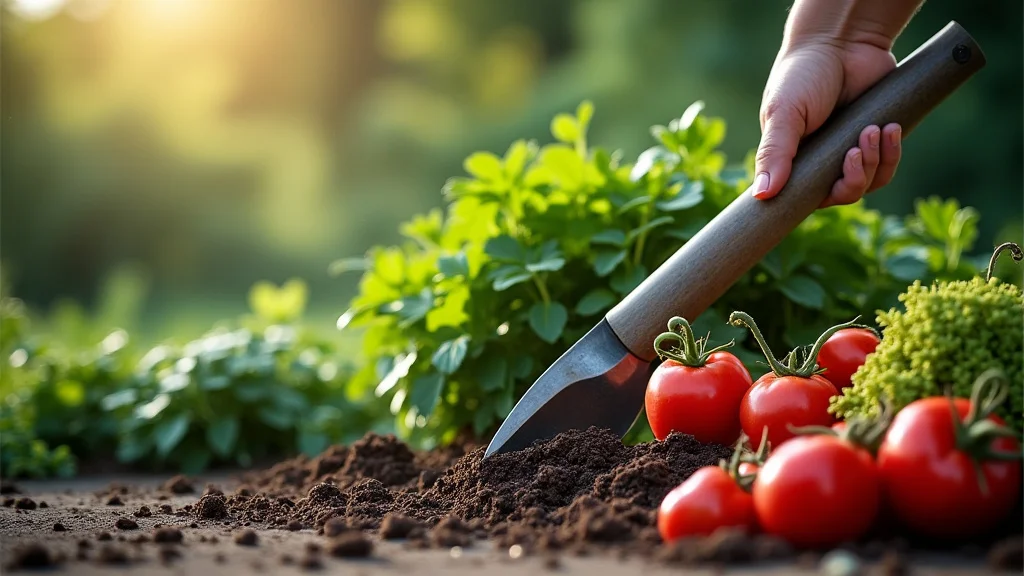
The aroma of freshly turned soil, the warmth of the sun on your back – gardening is a deeply satisfying pursuit. I remember when I first started, armed with nothing but a rusty trowel and a hopeful heart. My early attempts were, let’s just say, less than successful! But through trial and error, I learned the importance of having the right tools. From simple hand tools to more advanced equipment, the right gardening tools India can make all the difference in nurturing a thriving garden. This guide is crafted to help you choose the best gardening tools, making your gardening experience a joy. You’ll gain a solid grasp of essential tools, their uses, and how to select quality options available in India, helping you to improve both your skills and your garden’s beauty.
Key Takeaways
- Discover essential gardening tools suitable for the Indian climate and soil conditions.
- Learn about different types of gardening tools and their specific functions in India.
- Understand the importance of tool materials and how to select durable options.
- Find tips on maintaining and caring for your gardening tools to extend their lifespan.
- Explore where to find the best gardening tools for sale in India.
- Get inspired to create your own beautiful and productive garden.
Essential Gardening Tools for Indian Gardens
Choosing the right tools forms the bedrock of any successful gardening venture. In the context of India’s diverse climate and soil, this is even more critical. Certain tools become indispensable, making tasks more manageable and helping your plants flourish. Consider the varying types of soil, the weather patterns, and the specific plants you intend to cultivate. The right selection helps you work efficiently and enjoy the process. These fundamental tools support every stage of gardening, from preparing the ground to harvesting your produce.
Hand Tools for Basic Gardening
Hand tools are the foundation of any gardener’s toolkit. They are typically used for smaller-scale tasks and offer precision and control. These tools are ideal for tending to small spaces, raised beds, or containers. Consider the size of your garden and the types of plants you plan to grow when selecting these tools. A good set of hand tools will be your best friend in the garden, making routine tasks easier and more enjoyable. These tools are a great starting point for any gardener.
- Trowel: A small hand tool with a curved, scoop-shaped blade. It is used for digging small holes, transplanting seedlings, and scooping soil. It’s especially useful for planting flowers and herbs.
- Hand Fork: A small, three or four-pronged tool used for loosening soil, removing weeds, and aerating the ground around plants. It’s effective for working in confined spaces.
- Hand Rake: A small rake used for smoothing soil surfaces, gathering leaves, and removing debris. It’s useful for preparing seedbeds.
- Weeder: A tool specifically designed for removing weeds from the soil. It comes in various forms, such as a weeding knife or a hand weeder with a forked end.
The trowel is a versatile tool. Its size and shape make it perfect for precision work. In Indian gardens, a trowel is ideal for dealing with the often-compacted soil in pots and beds. Look for a trowel made of stainless steel or carbon steel, as these materials offer durability and resistance to rust. Consider a trowel with a comfortable handle to reduce strain during extended use. This simple tool becomes indispensable for anyone working in a small garden or with containers.
The hand fork is excellent for working the soil near plant roots without causing damage. In India, where soil conditions can vary from sandy to clayey, a hand fork aids in breaking up clumps and improving drainage. The hand fork, used in tandem with other tools, can significantly improve the soil structure. Choose a hand fork with sturdy tines that won’t bend easily, ensuring it can handle tough soil.
The hand rake streamlines various tasks, making them less time-consuming. In Indian gardens, the hand rake can be used for leveling soil before planting, removing fallen leaves, and spreading mulch. The key is to find a hand rake with tines that are closely spaced to effectively gather smaller debris. Its lightweight nature makes it easy to use for all ages and experience levels.
A good weeder removes unwanted plants with minimal disturbance to your desired plants. In the humid Indian climate, weed growth can be rapid, making this tool a vital part of your arsenal. Selecting a weeder with a comfortable handle and a blade that can effectively dig up weeds by their roots is crucial. This will prevent re-growth and keep your garden looking neat and tidy.
Tools for Soil Preparation
Proper soil preparation is essential for healthy plant growth. These tools help create an environment that encourages root development, water retention, and nutrient availability. They’re designed to break up compacted soil, aerate it, and prepare the planting beds. By investing in these tools, you are setting the foundation for a vibrant and thriving garden in India. Soil preparation is key for a great gardening experience.
- Spade: A flat-bladed tool used for digging, turning soil, and edging. Spades are essential for creating planting beds and borders.
- Fork (Garden Fork): A multi-pronged tool used for loosening and aerating soil. It’s excellent for working compost and manure into the soil.
- Hoe: A long-handled tool with a flat blade used for weeding, cultivating soil, and creating furrows for planting.
- Wheelbarrow: A useful tool for transporting soil, compost, and other materials around the garden. It is a big help when moving heavy items.
The spade is a fundamental tool for preparing garden beds, digging holes for planting, and turning over the soil. Choose a spade with a strong, sharp blade made of carbon steel or stainless steel, as these materials are durable and resist corrosion. In India, a well-made spade can withstand the demands of heavy clay soils. Its handle should be long enough to provide leverage, reducing strain on your back while digging.
The garden fork, with its sturdy tines, helps break up compacted soil, making it easier for plant roots to penetrate. In India, the garden fork is especially useful in areas with heavy clay soil. It also helps to aerate the soil, improving drainage and oxygen availability to the roots. When choosing a garden fork, consider one with a robust head and a comfortable handle that allows for a firm grip. This tool will quickly become a favorite.
The hoe is a versatile tool that excels at removing weeds, cultivating soil, and creating furrows for planting seeds. In Indian gardens, hoes are excellent for controlling weeds in between rows of plants, as well as preparing the soil surface. Select a hoe with a sharp blade that can easily cut through the soil and weeds. Choose a hoe with a handle that is the right length for your height, reducing the strain on your back.
The wheelbarrow streamlines the movement of heavy materials across your garden, saving time and energy. Whether you are hauling soil, compost, or harvested produce, a wheelbarrow is extremely useful. Consider the size and terrain of your garden when selecting a wheelbarrow. For Indian gardens, a wheelbarrow with a puncture-resistant tire and a sturdy frame is a smart choice. These details will stand up well to frequent use.
Specialized Gardening Tools and Equipment
Beyond the basics, specialized tools can significantly improve efficiency and expand your gardening capabilities. These tools cater to specific tasks, such as pruning, watering, and pest control. They represent an investment in your garden’s long-term health and productivity. Considering these options can help you customize your approach and enhance your results. Many of these tools are readily available in the Indian market, reflecting the growing interest in gardening.
Pruning and Cutting Tools
Pruning is essential for maintaining the health and appearance of plants. These tools allow you to remove dead or diseased branches, shape plants, and encourage new growth. Proper pruning not only improves the look of your garden but also helps prevent the spread of diseases. These pruning tools are available throughout India.
- Secateurs (Pruning Shears): Handheld tools used for cutting smaller branches and stems. Essential for shaping and maintaining plants.
- Loppers: Long-handled tools used for cutting thicker branches that secateurs cannot handle.
- Pruning Saw: A saw designed for cutting larger branches that loppers cannot manage.
- Hedge Shears: Large shears used for trimming hedges and shaping bushes.
Secateurs are perfect for precise cuts on small branches. In India, where plants grow rapidly due to the climate, secateurs are frequently used. Select secateurs with sharp, bypass blades for a clean cut that promotes faster healing in plants. Look for ergonomic handles and a locking mechanism for safety. These are available in local nurseries and online stores across India.
Loppers offer extra leverage for cutting thicker branches. They are very useful for pruning shrubs and small trees. Choose loppers with sharp blades and a good cutting capacity, suitable for the types of plants you have in your garden. The long handles help you reach further and exert more force. They are a must-have tool for Indian gardens with a variety of trees and shrubs.
A pruning saw is used for cutting larger branches that loppers are unable to cut. It helps you manage trees and large shrubs. Choose a pruning saw with a curved blade for efficient cutting and a comfortable handle. Ensure it is easy to handle and stores away safely. These saws are generally used across India for home and professional gardening purposes.
Hedge shears are designed to shape and maintain hedges, providing a neat, tidy look. They are very useful for landscaping in the Indian climate, where hedges often grow quickly. Select shears with sharp blades and a comfortable grip. Look for features like shock-absorbing bumpers that reduce strain during extended use. These are widely available in the Indian market.
Watering Tools
Effective watering is crucial for plant health, especially in the variable climate of India. These tools help deliver water efficiently and prevent water wastage. From simple watering cans to sophisticated irrigation systems, these tools make the task easier and more effective. Consider your garden size and the specific needs of your plants when selecting these tools. Good watering helps gardens throughout India thrive.
- Watering Can: A container with a handle and a spout, used for watering plants by hand.
- Hose and Nozzle: A flexible tube used for delivering water. A nozzle allows you to adjust the water flow and spray patterns.
- Sprinklers: Devices that distribute water over an area, often used for lawns and larger garden spaces.
- Drip Irrigation System: A system that delivers water directly to the roots of plants, conserving water and reducing waste.
The watering can is a simple, yet essential tool for watering plants, particularly in small gardens or for container plants. Choose a watering can made of durable plastic or galvanized steel. Select a watering can with a rose (a sprinkler head) on the spout to provide gentle watering. It is a must-have tool for gardeners throughout India.
A garden hose and nozzle offer a versatile way to water larger areas of your garden. Choose a hose made of a durable material that can withstand exposure to the sun and weather. A nozzle that offers various spray patterns (e.g., jet, shower, mist) allows you to customize your watering based on the needs of your plants. This is a very common setup in Indian gardens.
Sprinklers help water large areas of your garden automatically, which can save time and effort. Select sprinklers based on the size and shape of your garden. Popular options include oscillating sprinklers, rotary sprinklers, and pulsating sprinklers. Consider using a timer to automate watering. Sprinklers are useful for Indian gardens, especially during the hotter months.
Drip irrigation systems are incredibly water-efficient, delivering water precisely to the roots. They are an excellent solution for gardens in regions with water shortages or for gardeners who want to minimize water usage. A drip irrigation system is a great choice for container gardens and raised beds. They are readily available in India.
Pest Control and Protection Tools
Protecting your plants from pests and diseases is essential for maintaining a healthy garden. These tools help you monitor for problems, apply treatments, and create a protective environment for your plants. It allows you to protect your plants and ensures that you can grow healthy foods and flowers. They also keep your garden in good shape throughout India.
- Sprayer: A device used to apply pesticides, insecticides, or fungicides to plants.
- Gloves: Protect your hands when gardening.
- Knee Pads: Provide cushioning and support when working on your knees.
A sprayer helps apply treatments to plants. Choose a sprayer with a suitable tank capacity and adjustable nozzles for various spray patterns. Select sprayers that are easy to clean and maintain. In India, where pest control is often necessary, sprayers are an important part of your gardening tool kit. They are also useful for applying organic solutions.
Gloves protect your hands from soil, chemicals, and potential injuries. Choose gardening gloves made of durable and breathable materials. Consider gloves with different lengths, based on the gardening tasks. In India, gloves help protect your hands from the sun and soil. They are an essential part of your gardening practice.
Knee pads help support your knees while gardening. Choose knee pads that are comfortable and easy to wear. Look for pads made of durable and waterproof materials. In India, knee pads are helpful, particularly when working in raised beds or when planting small flowers.
Choosing Quality Gardening Tools: Materials and Features
The material and construction of your gardening tools greatly affect their durability, performance, and longevity. Selecting high-quality tools is a worthwhile investment. It ensures that your tools withstand regular use and harsh conditions. It saves you money in the long run. Understanding the different materials and features can empower you to select the best tools for your needs, regardless of where you are in India.
Understanding Tool Materials
The materials used in gardening tools directly impact their durability, performance, and resistance to environmental factors. Choosing the right materials is important for ensuring that your tools last and provide reliable service. Knowing your options will lead to better gardening experiences. Choosing the right materials will save you time and money, making your experience more rewarding.
- Steel: Strong, durable, and commonly used for blades and cutting edges. Different types of steel offer varying levels of resistance to corrosion.
- Aluminum: Lightweight, rust-resistant, and suitable for handles and lightweight tools. It does not rust, but can be less durable than steel.
- Wood: Commonly used for tool handles due to its shock-absorbing qualities. Look for hardwoods like ash or hickory, which are strong and durable.
- Plastic: Used for various components, such as handles, containers, and sprayers. Choose UV-resistant plastics for outdoor use.
Steel is a commonly used material because it is strong, durable, and offers excellent cutting performance. Consider carbon steel, which is affordable and holds a sharp edge well, but may require more maintenance. Stainless steel is more resistant to rust and corrosion, making it suitable for wet conditions. In India, where humidity can be high, stainless steel is a great choice. These materials are also very useful.
Aluminum is a popular choice for handles and lightweight tools due to its resistance to rust and its ease of handling. Aluminum tools are lighter, which reduces fatigue during prolonged use. Aluminum is also generally less expensive than steel. Aluminum tools are often found in the Indian market.
Wood is a classic choice for tool handles because it absorbs shock and provides a comfortable grip. Hardwoods like ash and hickory are strong and durable, and can withstand the rigors of gardening. Choose handles that are treated to resist moisture and prevent splintering. Wooden handles add an aesthetic appeal to your tools.
Plastic is commonly used for handles, containers, and sprayers due to its affordability and resistance to corrosion. Choose UV-resistant plastics for tools used outdoors, as this will help prevent the plastic from cracking or degrading due to sun exposure. Plastic tools are also lightweight and easy to clean. They are commonly available in India.
Key Features to Look For
When choosing gardening tools, consider various features that can affect their functionality, comfort, and longevity. These features can improve your gardening experience. Considering these features will help you pick the right tools. Investing in tools with these features will improve your gardening experience, whether you are in India or elsewhere.
- Ergonomic Design: Look for tools with comfortable handles and designs that reduce strain on your wrists and hands.
- Durable Construction: Choose tools made of high-quality materials, such as hardened steel blades and sturdy handles, to ensure longevity.
- Sharp Blades: Sharp blades make cutting and digging easier and more effective, ensuring clean cuts and reducing the effort required.
- Rust Resistance: Especially important in humid climates, rust-resistant tools will last longer and require less maintenance.
- Comfortable Grips: Choose tools with cushioned or rubberized grips for added comfort and reduced hand fatigue during extended use.
Tools designed with ergonomics in mind are easier and safer to use. Ergonomic handles can reduce fatigue and prevent injuries during extended gardening sessions. Look for handles with a comfortable grip, as this helps prevent blisters. These are designed with the user’s needs in mind.
Durable tools last longer and perform better under demanding conditions. Sturdy construction also ensures safety and prevents breakage. Choose tools that are well-constructed from reliable materials. This ensures your tools last a long time. This is a very important point.
Sharp blades are essential for efficient pruning and digging. They make cutting easier and prevent damage to plants. Always maintain the sharpness of blades to extend their lifespan. The right sharpness makes gardening tasks easier. Keep blades clean and sharp for best results.
Rust-resistant tools are essential in regions with high humidity. Stainless steel and coated tools are good choices. This will reduce maintenance needs and preserve the tools’ effectiveness over time. They also provide good looks. These tools are very practical.
Comfortable grips improve the user experience and reduce hand fatigue. Look for tools with rubberized or cushioned handles for enhanced comfort. These grips provide a secure hold and can prevent blisters. Gardening tools with good grips are always desirable.
Maintaining and Caring for Your Gardening Tools
Proper maintenance ensures your gardening tools remain in top condition for years. Regular care extends the lifespan of your tools. Regular maintenance enhances their performance and keeps them safe for use. Following these simple steps will help protect your investment and keep your tools ready for any gardening project. Routine care ensures they are prepared for use.
Cleaning Your Tools
Regular cleaning is essential for preventing rust, corrosion, and the spread of diseases. This will ensure they work properly. Cleaning will also help with the appearance of your tools. Proper cleaning helps with the life of your gardening tools.
- After Each Use: Wipe down tools with a cloth to remove soil, sap, and plant debris.
- Scrubbing: Use a brush and soapy water to remove stubborn dirt and grime.
- Disinfecting: Disinfect tools after use on diseased plants to prevent the spread of diseases.
- Sharpening: Sharpen blades regularly to ensure they cut efficiently.
Always clean your tools after each use. This will prevent dirt from building up and causing corrosion or rust. It also helps to prevent the spread of diseases. A quick wipe-down with a cloth can save you time and effort.
Scrub your tools periodically to remove any built-up dirt and debris. Use a brush and soapy water to effectively clean blades and handles. Rinse thoroughly and dry completely.
Disinfecting your tools is very important, especially after working with diseased plants. This will prevent the spread of diseases to healthy plants. Use a disinfectant solution to wipe down the blades.
Sharpen your blades regularly to ensure they cut efficiently and to reduce the effort needed. A sharp blade also makes for a cleaner cut. Sharpening extends their lifespan.
Storage Practices
Proper storage protects your tools from the elements and prevents damage. Correct storage also keeps your tools easy to find and ready to use. This can add a lot of years to your gardening tools.
- Dry Environment: Store tools in a dry place to prevent rust and corrosion.
- Organized Storage: Keep tools organized to make them easy to find and use.
- Hanging Tools: Hang tools with blades or sharp edges to protect them and prevent accidents.
- Oiling: Lubricate moving parts with oil to prevent rust and ensure smooth operation.
Always store your tools in a dry place to prevent rust and corrosion, especially in areas with high humidity. An enclosed shed or garage is an ideal storage location.
Organize your tools in a way that makes them easy to find and use. Consider using a tool rack or a pegboard. This also helps with safety by preventing tripping hazards.
Hanging tools by their handles is a great way to save space and to protect the blades from damage. This also ensures they are safe and out of reach of children or pets. Consider the safety of these tools.
Oiling the moving parts of your tools helps them to operate smoothly and prevents rust. Apply a thin layer of oil to hinges, joints, and blades. This will help them work longer and better.
Where to Buy Gardening Tools in India
India offers numerous options for buying gardening tools, from local nurseries to online marketplaces. Consider factors such as price, selection, and convenience when choosing where to purchase your tools. Having several choices lets you pick what is best for you. Shopping from different locations can help you get the best tools for your garden. Shopping around is helpful!
Local Nurseries and Garden Supply Stores
Local nurseries and garden supply stores provide a hands-on shopping experience and the opportunity to get expert advice. They also help support your local community. Visiting these stores gives you a chance to see and feel the tools before you buy. This ensures that you get the right tool.
- Advantages: Direct interaction, expert advice, and the ability to inspect tools before purchase.
- Selection: Often carry a good selection of essential tools and supplies.
- Location: Convenient for local gardeners, allowing easy access and support.
Local stores provide a chance to examine tools and seek advice from experienced gardeners. You can see, feel, and try the tools before you make a purchase. This is helpful to find the right tool for your needs. This also supports local businesses.
Local nurseries often carry a good range of essential tools, and they may also offer specialized tools. They frequently carry the items that are most needed. They also carry supplies such as seeds and fertilizers. This is a one-stop-shop for many gardening needs.
Local stores are easy to access. They offer a great chance to build relationships with local gardening experts and the staff. This is also a convenience factor. It’s often easier to return and make a warranty claim.
Online Marketplaces
Online marketplaces offer a wide selection of gardening tools, often at competitive prices. It is also very convenient to shop from home. They also provide the chance to compare products easily. Online shopping provides many options, with different brands. Online options are growing in India.
- Advantages: Wide selection, competitive prices, and the convenience of home delivery.
- Selection: Access to a vast range of tools, brands, and price points.
- Comparison: Easy to compare different products, prices, and customer reviews.
Online marketplaces offer a huge selection and the chance to compare prices and products from different vendors. The convenience of delivery saves time. Online options also include customer reviews, which will inform your decisions.
Online stores often provide a wider range of tools, brands, and price points than local stores. You can find both common and specialized tools. This range allows you to find something for everyone’s needs. The selection is always growing.
Online shopping lets you compare products, prices, and customer reviews easily. This empowers you to make an informed decision. The comparisons make it simple to find what you need. Online marketplaces also include user reviews, which provide insight into the quality of tools.
Specialty Gardening Stores
Specialty stores focus on gardening tools and supplies. They often provide expert advice and high-quality products. It can lead to you finding something unique. You might find premium options or specific niche products here. These stores provide a great chance to learn more about gardening.
- Advantages: Expert advice, a curated selection of high-quality tools, and unique products.
- Selection: Focus on gardening tools, with a range of specialized and high-end options.
- Support: Excellent customer service and a focus on gardening expertise.
Specialty stores provide expert advice. This is helpful for beginners and experienced gardeners alike. These stores can offer unique products and a good selection of high-quality tools, often sourced from premium brands. The staff are typically experienced gardeners.
Specialty stores provide a more focused selection of gardening tools, including premium brands and unique products. They provide a range of specialized tools that might not be available elsewhere. Their product range supports all aspects of gardening.
Specialty stores offer better customer service, and their staff often have deep knowledge of gardening. They can help you select the right tools for your specific needs. They can offer advice on maintenance and use.
Real-life Examples and Case Studies
Here are some examples of how proper tool selection can make a real impact on your gardening results. These scenarios illustrate the practical benefits of the right gardening tools. These real-life stories will help you understand how your gardening can benefit.
- Case Study 1: The Suburban Homeowner
Mr. Sharma, a homeowner in Delhi, started his gardening journey with a basic trowel and hand fork. Frustrated by the poor soil conditions and lack of efficiency, he invested in a spade, a hand rake, and a watering can. He found he could dig and turn the soil faster and more effectively, preparing his beds for planting. The hand rake helped him to level the surface, and the watering can made it easy to water his plants. As a result, his vegetable garden flourished, and he began to enjoy gardening. This investment in tools improved his gardening outcomes.
- Case Study 2: The Urban Gardener
Ms. Patel, an urban gardener in Mumbai, struggled with limited space and compact soil. She adopted a set of hand tools, including a trowel, hand fork, and hand rake. She used the trowel to plant seedlings. The hand fork helped her to break up the compacted soil in her containers, promoting better root growth. She found the hand rake perfect for tidying up her small balcony garden. She found that the right tools can make gardening feasible even in small urban spaces.
Sample Scenarios
These scenarios illustrate how different gardening tools are used in practical situations. They will also help you visualize how to use the tools to improve your garden.
- Scenario 1: Planting a Flower Bed
You want to plant a new flower bed. First, use a spade to clear the area, then turn the soil over with a garden fork. Remove any weeds with a hoe. Finally, smooth the surface with a hand rake. Then, use a trowel to dig individual holes for each seedling. This is the process for preparing soil.
- Scenario 2: Maintaining a Vegetable Garden
Your vegetable garden needs regular care. Use secateurs to prune any overgrown branches or diseased leaves. Control weeds between rows with a hoe, and water plants using a hose and nozzle. If necessary, use a sprayer to apply pesticides. This routine will keep your garden healthy and productive.
Frequently Asked Questions
Question: What are the most essential gardening tools for beginners?
Answer: A trowel, hand fork, hand rake, and watering can are essential for beginners. These tools cover basic tasks like planting, soil preparation, and watering.
Question: How do I choose the right size of tools?
Answer: Consider the size of your garden and the types of plants you plan to grow. Smaller gardens need smaller tools, while larger areas benefit from long-handled tools.
Question: How can I prevent rust on my gardening tools?
Answer: Clean and dry tools after each use. Store them in a dry place. Regularly oil the metal parts to prevent rust.
Question: Where can I find quality gardening tools in India?
Answer: Look for gardening tools at local nurseries, online marketplaces, and specialty gardening stores. These options provide a range of tools.
Question: How often should I sharpen my pruning shears?
Answer: Sharpen your pruning shears before the start of each growing season and as needed. Regular sharpening ensures clean cuts.
Final Thoughts
Choosing the right gardening tools India can truly transform your gardening experience. From the fundamental hand tools to the more specialized equipment, each one has a specific role in your garden. By taking the time to understand the different types of tools available, and considering the materials and features, you can make informed decisions. You will find that these choices improve the quality of your work. Proper maintenance is key to keeping your tools in good working order. With these tools, you are equipped to care for your garden. So explore your options, choose wisely, and then get out there. With the right tools and a little bit of knowledge, you can create a beautiful and thriving garden.