
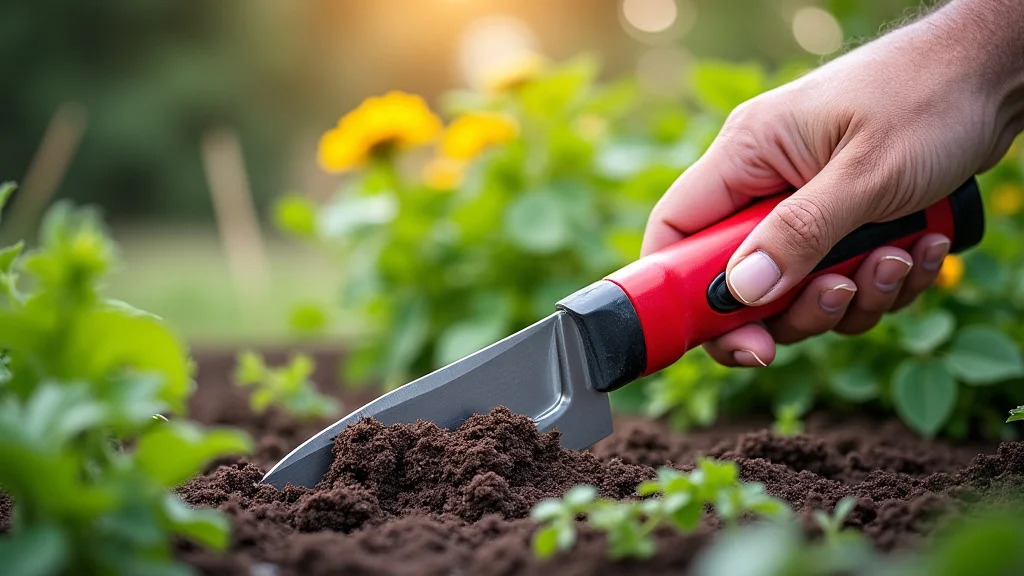
Remember that frustrating afternoon? You were trying to tame your overgrown rose bushes with a flimsy pair of shears. The blades buckled, the handles felt loose, and the branches just wouldn’t budge. Sound familiar? We’ve all been there. Using the wrong tools can make gardening a chore instead of a pleasure. This post explores the world of professional quality gardening tools, helping you make the right choices to transform your garden from a struggle into a showcase. You’ll gain valuable knowledge on selecting durable and effective tools, ensuring they stand the test of time and making your gardening experience a joy. By the end, you will be equipped to select the right professional quality gardening tools to create the garden you have always wanted. This will improve your Time on Page and reduce Bounce Rate.
Key Takeaways
- Investing in high-quality tools saves money in the long run.
- Knowing the different types of tools is essential for specific gardening tasks.
- Understanding the materials and construction of tools determines their lifespan.
- Proper tool maintenance is key to their longevity and performance.
- Ergonomics and comfort are important aspects when choosing tools.
- Choosing the right tools will make gardening easier and more enjoyable.
Choosing the Right Tools for Your Garden
Selecting the correct professional quality gardening tools can feel overwhelming. With so many options available, it’s easy to get lost. It’s important to consider factors like the size of your garden, the types of plants you cultivate, and the tasks you perform regularly. This section offers guidance to simplify your choices, ensuring you select tools that match your gardening needs. We’ll examine various tool types, explore the significance of material and design, and guide you in finding the tools that will enhance your gardening activities.
Essential Hand Tools
Hand tools form the core of any gardener’s arsenal. These tools are the first line of defense against weeds, pests, and unproductive soil. Quality hand tools make gardening tasks more manageable. They’re also essential for tasks like planting, transplanting, and general maintenance. Choosing the right hand tools can transform your gardening experience from a struggle into a pleasure, allowing you to work more efficiently and enjoy the process. These are the tools that get the most use in any garden, so it is important to choose ones that are made to last.
- Trowel: A trowel is a small, handheld shovel with a pointed, scoop-shaped blade. It is used for digging small holes for planting seedlings, transplanting plants, and scooping up soil. Look for trowels made from stainless steel or forged carbon steel for durability.
- Hand Fork: A hand fork is a small, three- or four-tined tool used for loosening soil, removing weeds, and mixing compost. Select a hand fork with tines made of strong metal. The handle should be securely attached and provide a comfortable grip.
- Weeder: A weeder is a tool specifically designed for removing weeds from the garden. There are various types, including the classic dandelion weeder and more specialized designs for different weed types. Look for a weeder with a strong blade and a comfortable handle.
- Hand Pruners: Hand pruners are used for cutting stems and branches. They come in two primary types: bypass pruners, which cut like scissors, and anvil pruners, which have a single blade that cuts against a flat surface. Bypass pruners are better for live plants, while anvil pruners are better for deadwood.
A good trowel should be made from durable materials like stainless steel or forged carbon steel to withstand the rigors of gardening. These materials resist rust and corrosion, ensuring a longer lifespan. The handle should be comfortable and provide a good grip, often featuring ergonomic designs to reduce hand fatigue. Consider the blade’s shape; a pointed trowel is ideal for digging, while a wider one is better for spreading soil. For example, a gardener may use a trowel to plant annual flowers in a flowerbed, carefully digging a hole, inserting the root ball, and filling in the soil.
The hand fork is an excellent tool for preparing soil and removing weeds. It’s perfect for aerating the soil around plants, allowing for better water and nutrient absorption. The tines should be strong enough to penetrate compacted soil without bending, which is why forged steel is a preferred material. The handle’s design is significant; a rubberized grip can reduce slippage and fatigue. A case study may involve a gardener using a hand fork to mix compost into the soil around a vegetable garden, enriching the soil before planting.
Weeders are essential tools for maintaining a neat and healthy garden. They come in many forms, from simple hand-held tools to those with long handles for standing use. The blade should be sharp and sturdy to effectively remove weeds at their roots. The handle’s length and grip are also important factors; a long handle reduces the need to bend, and a cushioned grip provides comfort. An example is removing dandelions from a lawn using a dandelion weeder, carefully extracting the entire root to prevent regrowth.
Hand pruners are important for maintaining plant health and shape. Bypass pruners are suitable for clean cuts on living stems, while anvil pruners are better for removing dead branches. Select pruners with sharp, high-carbon steel blades for clean cuts, and ensure the handles are comfortable to hold. Consider features like spring-loaded mechanisms and locking systems. For example, a gardener might use bypass pruners to trim roses, making precise cuts to encourage new growth and remove dead or diseased stems.
Large Tools for Significant Tasks
For more demanding gardening tasks, like digging, moving soil, and cutting larger branches, large tools are essential. These tools are built to handle heavier workloads and are designed to make difficult jobs more manageable. From shovels and spades to axes and loppers, each tool is crafted for specific purposes. Understanding the attributes of these tools helps you make informed choices that will enhance your efficiency and reduce physical strain. Choosing the appropriate tools will improve your gardening experience, whether you’re working in a small garden or a large yard.
- Shovel: A shovel is used for digging, scooping, and moving soil, mulch, and other materials. It has a flat or slightly curved blade attached to a long handle. Select a shovel with a strong blade made from hardened steel and a handle made from wood or fiberglass.
- Spade: A spade is similar to a shovel, but its blade is usually flatter and has a sharpened edge, making it ideal for edging, cutting through roots, and turning over soil. Look for a spade with a strong blade and a sturdy handle.
- Garden Fork: A garden fork, or digging fork, has four or more tines and is used for turning soil, breaking up clumps, and lifting root vegetables. It’s especially useful in heavier soils. Choose a fork made from strong steel with a durable handle.
- Loppers: Loppers are long-handled pruning tools used for cutting branches that are too thick for hand pruners. They come in bypass and anvil styles. Bypass loppers offer clean cuts, while anvil loppers are better for deadwood. Select loppers with sharp blades and comfortable handles.
The shovel is an all-purpose tool that is essential for various tasks. The blade material should be durable enough to withstand digging through different types of soil, and the handle should be sturdy and long enough to provide good leverage. Ergonomic handles can reduce strain on the back and shoulders. A gardener might use a shovel to dig a hole for planting a tree, removing soil and creating space for the root ball to be placed. The width and shape of the shovel blade can impact efficiency; a pointed blade is effective for digging, while a square blade is better for moving loose materials.
The spade’s flat blade and sharp edge are perfect for tasks like creating garden edges, cutting through sod, and turning over soil. The handle’s material and design contribute to comfort and leverage. Choose a spade with a durable steel blade and a strong handle made of wood or fiberglass. Consider the handle’s length and shape; a D-grip handle provides more control for tasks requiring precision. A gardener might use a spade to define the edges of a flower bed, cutting cleanly through the grass and soil to create a neat border.
The garden fork, or digging fork, is a good tool for working with soil, loosening it, and preparing it for planting. The tines should be strong enough to penetrate the soil without bending, making it easier to aerate the soil. The handle should be designed to provide good leverage and comfort, reducing strain. Select a garden fork made from strong materials, such as forged steel, and consider the handle material and design. A gardener might use a garden fork to turn compost into the soil in a raised garden bed, improving the soil’s structure and fertility.
Loppers are important for managing trees and shrubs, allowing you to cut branches that are too large for hand pruners. The length of the handles provides additional leverage. Bypass loppers give clean cuts, while anvil loppers are often more suitable for dead branches. Choose loppers with sharp, high-carbon steel blades and comfortable handles, possibly with cushioned grips. An example is a gardener using loppers to prune the branches of a fruit tree, improving its shape and increasing air circulation.
The Significance of Material and Construction
The materials and construction of professional quality gardening tools have a direct impact on their performance, durability, and overall value. High-quality materials like stainless steel, carbon steel, and forged steel offer superior strength and resistance to rust and corrosion. Properly constructed tools with ergonomic designs and secure handle attachments can improve your comfort and efficiency. It is important to know the factors involved to select the right tools for your needs. Knowing these specifics will ensure you choose tools that withstand the test of time, improving your experience in the garden.
- Blade Materials: Blades are typically made from stainless steel, carbon steel, or forged steel. Stainless steel resists rust, while carbon steel and forged steel offer greater strength and sharpness. Consider the soil conditions and the type of plants you are working with when choosing blade material.
- Handle Materials: Handles are typically made from wood, fiberglass, or metal. Wood handles are comfortable and have a traditional feel, but require more care. Fiberglass handles are strong, lightweight, and weather-resistant. Metal handles are very durable.
- Construction Techniques: The way the blade and handle are connected significantly affects the tool’s strength and durability. Forging creates stronger tools. Look for tools with secure rivets or strong welds.
The blade’s material is a primary factor in a tool’s performance and longevity. Stainless steel is often the best choice for tools that will be exposed to moisture, because it resists rust. Carbon steel and forged steel blades are very durable and hold a sharp edge, making them good for tasks that require force. For example, gardeners in humid climates might prioritize stainless steel tools, while those with tougher soils might prefer forged steel for its durability. Blades must be kept sharp for safe and effective use; dull blades require more force, which could increase the risk of injury.
The handle material impacts the tool’s balance, comfort, and durability. Wood handles offer good shock absorption, providing a comfortable feel but may require regular maintenance like oiling. Fiberglass handles are weather-resistant, offering good strength-to-weight ratio. Metal handles are strong but may transmit more vibration. Consider the handle’s grip; rubberized or ergonomic handles can reduce fatigue and improve control. For example, a gardener may select a fiberglass-handled shovel for its strength and weather resistance, knowing it will withstand the rigors of heavy digging.
Construction impacts the overall durability and longevity of a tool. Forged tools are typically stronger due to the heating and shaping process, which increases the material’s density and strength. Rivets and welds must be secure to prevent the blade or handle from separating during use. For instance, a well-made shovel will have a strong connection between the blade and handle, ensuring it can handle the forces applied when digging in the ground. Inspect tools closely for any signs of loose connections or poor craftsmanship. Investing in well-constructed tools will reduce the need for frequent replacement.
Maintaining Your Tools
Proper maintenance is important to ensure the longevity of your professional quality gardening tools. Regular care, like cleaning, sharpening, and storage, prevents rust, keeps blades sharp, and extends the lifespan of your tools. Regular maintenance will improve their function and reduce costs in the long run. By implementing these maintenance practices, you’ll ensure that your tools remain dependable for years. Proper care will help retain the value of your initial investment.
- Cleaning: Clean your tools after each use. Remove dirt, sap, and plant debris. Use a wire brush or scraper to remove stubborn grime.
- Sharpening: Keep blades sharp for efficient and safe cutting. Use a file or sharpening stone regularly. Sharpen loppers and pruners as needed.
- Lubrication: Lubricate moving parts, like hinges on pruners and loppers, to ensure smooth operation. Apply a light oil to prevent rust and corrosion.
- Storage: Store your tools in a dry place. Hang tools to prevent the blades from touching the ground. Consider using a tool rack or organizer.
Cleaning tools prevents the accumulation of dirt and debris, which can promote rust and corrosion and hinder the tools’ effectiveness. Use a wire brush or scraper to remove soil, sap, or plant residue from blades and handles after each use. This simple step will keep your tools in prime condition. For example, a gardener might clean their pruners after trimming rose bushes, removing any sticky sap from the blades. This prevents the sap from hardening and makes the pruners easier to use next time.
Keeping blades sharp is important for efficient and safe use. Dull blades require more force, increasing the risk of accidents. Sharpen pruners, loppers, and other cutting tools regularly. Use a file or sharpening stone, following the blade’s angle. For example, a gardener should sharpen a spade before edging a garden bed. By maintaining sharp blades, the gardener can make clean cuts, reducing the effort and improving the job.
Lubricating moving parts, such as the hinges of pruners and loppers, ensures smooth operation and prevents rust and corrosion. Apply a small amount of light oil, such as WD-40, to the hinges regularly. This will keep the tools working smoothly. A gardener might lubricate their loppers before the pruning season, ensuring they can cut through branches easily and that the tool will last a long time. This also prevents unnecessary wear and tear on the tool.
Storing your tools properly will increase their lifespan. A dry environment prevents rust and corrosion. Hang tools to keep the blades off the ground and prevent damage. Consider using a tool rack or organizer to keep your tools within easy reach. For example, after the gardening season, a gardener may clean, sharpen, and hang their tools in the garage. Storing them neatly protects the tools and makes them simple to find the next time they are needed.
Ergonomics and Comfort: Designing For You
Ergonomics and comfort play a significant role in making gardening a pleasant experience. Tools designed with ergonomic features and comfortable grips can reduce strain on your body, improve efficiency, and prevent injuries. As a result, you can enjoy gardening for longer periods. Tools that fit well in your hands and lessen physical stress allow you to work more easily. Prioritizing ergonomic features when selecting your gardening equipment guarantees a better and more comfortable experience.
- Handle Design: Look for handles with ergonomic grips to reduce hand fatigue. Consider D-grips or T-grips for better control.
- Weight and Balance: Tools should be well-balanced and lightweight, reducing strain on your arms and back. Consider the overall weight and balance of a tool before purchasing.
- Adjustable Features: Adjustable handles or features can make tools more comfortable for different users. Extendable handles on rakes or hoes are beneficial.
- Tool Size: Select tools appropriate for your body size and strength. Smaller tools may be better for smaller hands and those with physical restrictions.
Ergonomic handle designs reduce strain and improve control. Handles with ergonomic grips, often made of rubber or cushioned materials, conform to the shape of the hand, providing a more comfortable and secure grip. D-grips or T-grips can improve leverage and control, especially on tools that require significant force. A gardener might select a shovel with a D-grip handle to make digging easier and less tiring. Ergonomic designs minimize strain on the wrist, hand, and forearm, making gardening tasks more comfortable.
Well-balanced and lightweight tools reduce strain and improve ease of use. A tool’s balance refers to how the weight is distributed. A well-balanced tool feels easier to control and maneuver. Lightweight tools reduce the force required to lift and use them, decreasing fatigue. A gardener may select a lightweight trowel that is balanced to work in raised beds for prolonged periods without strain. Consider the tool’s overall weight and how it feels in your hands before making a purchase. A well-balanced tool makes gardening less tiring.
Adjustable features can improve comfort and usability, allowing tools to be adjusted to the user’s height and preferred working style. Adjustable handles, especially on long-handled tools, can help you maintain an upright posture, reducing strain on your back and shoulders. Features like extendable handles on rakes and hoes help customize the tool to your needs. For instance, a gardener might select a rake with an adjustable handle to minimize bending and to work comfortably for longer periods. These adjustments also reduce fatigue and enhance overall user satisfaction.
Choosing appropriately sized tools is important for both comfort and efficiency. Smaller tools are a good choice for people with smaller hands or those who have physical limitations. Tools that match your physical capabilities allow you to garden without overexerting yourself or putting undue strain on your body. For example, a gardener with smaller hands should select a trowel with a narrower handle to be used with greater dexterity and comfort. By selecting the right size, you’ll ensure that you can work in the garden more comfortably and effectively.
Budgeting For Professional Quality Gardening Tools
Setting a budget is an important step when you are purchasing professional quality gardening tools. Determine how much you want to spend and then make choices based on your needs and budget constraints. This will ensure that you get the best tools for your money. You can find quality tools that will last if you plan wisely. Budgeting will help you balance your gardening goals with your financial resources. This will assist you in making informed decisions as you get tools that will last you a long time.
- Assess Your Needs: Before setting a budget, evaluate your gardening needs. List the tools you need for the tasks you plan to undertake.
- Set a Spending Limit: Based on your needs, set a spending limit. Research the average prices of the tools you need.
- Prioritize Your Purchases: Prioritize your tool purchases. Start with the essential tools and add more tools as your budget allows.
- Consider Sales and Promotions: Take advantage of sales, discounts, and promotions to save money. Shop during end-of-season sales.
Assess your gardening needs before setting a budget. Take inventory of your tasks. Determine the specific tools you need to accomplish these tasks. This assessment is the starting point for developing a realistic budget. For example, if you plan to plant a large vegetable garden, you will need a shovel, a hoe, and a garden fork. If you have a small flower bed, a trowel, hand pruners, and a small hand fork will suffice. Prioritizing these requirements helps you allocate funds efficiently, purchasing the most crucial tools first.
Based on your gardening needs, set a clear spending limit. Research the average prices of tools. This helps you to stay within your budget. Research tools, look at online reviews, and compare prices. Compare the features, quality, and pricing of different brands. This comparison will help you balance quality and cost. For example, if you want to purchase a high-quality shovel, you may consider the prices of different brands of shovels to get the best value without exceeding your set budget.
Prioritize your tool purchases to allocate your budget effectively. Start by focusing on the essential tools required to meet your most basic needs. A basic set of hand tools is a good place to start. As your budget allows, add more specialized or high-end tools. You can build up your gardening collection in stages. For example, you may start by purchasing a trowel, hand pruners, and a shovel. As you gain more experience and your needs increase, you can add a garden fork, loppers, or other tools. This phased approach will help you to manage your spending while gradually acquiring a complete set of professional quality gardening tools.
Take advantage of sales, discounts, and promotions to reduce your costs. Shop during end-of-season sales, when tools are often discounted. Many stores provide promotional offers and clearance sales. Check online retailers and local hardware stores. Compare prices from multiple sources. For example, purchasing tools during fall clearance sales may get you the best prices on items you may need for the upcoming growing season. By being patient and flexible, you can stretch your budget and acquire quality tools without exceeding your spending limit.
Frequently Asked Questions
Question: What makes a gardening tool “professional quality?”
Answer: Professional quality gardening tools are built to last, using durable materials like forged steel or stainless steel, with ergonomic designs and secure construction techniques. They are also designed for efficiency and long-term use.
Question: How can I tell if a tool is made from a quality material?
Answer: Check for tools made of forged steel or stainless steel. Examine the blade’s thickness and the handle’s construction. Look for strong welds or rivets, and read reviews to learn about the experiences of other gardeners.
Question: How often should I sharpen my pruning shears?
Answer: Sharpen your pruning shears frequently. The frequency depends on use, but you may need to sharpen them after every few uses. If cuts become ragged, it’s time to sharpen.
Question: Should I store my tools indoors or outdoors?
Answer: Store your tools in a dry, covered space, such as a garage or shed. Indoor storage protects them from the elements, reducing the risk of rust and corrosion. Make sure they are cleaned and dry before you put them away.
Question: Are expensive tools always better than cheaper ones?
Answer: Price is not always a measure of quality. More expensive tools may offer better materials and design. However, look at the tool’s construction, materials, and features. Quality will ensure the tool will last. Evaluate the tool’s features and construction to be sure that it is right for your gardening needs.
Final Thoughts
Investing in professional quality gardening tools is a smart move for any gardener. Choosing the right tools can make all the difference, transforming your gardening experience. From essential hand tools to larger implements, each tool plays a unique role. Understanding the significance of materials and construction ensures you select durable tools. Proper maintenance, including cleaning, sharpening, and storage, extends their lifespan. Prioritizing ergonomics and comfort can reduce strain and make gardening more enjoyable. By selecting the right professional quality gardening tools, you are investing in a future where gardening is an easy and fun activity. It’s an investment in your garden, your time, and your enjoyment. Armed with the knowledge provided, go ahead and explore the options. You can now choose the best tools to nurture your garden and watch it thrive. Enjoy the experience of gardening with tools that make the job a pleasure.