
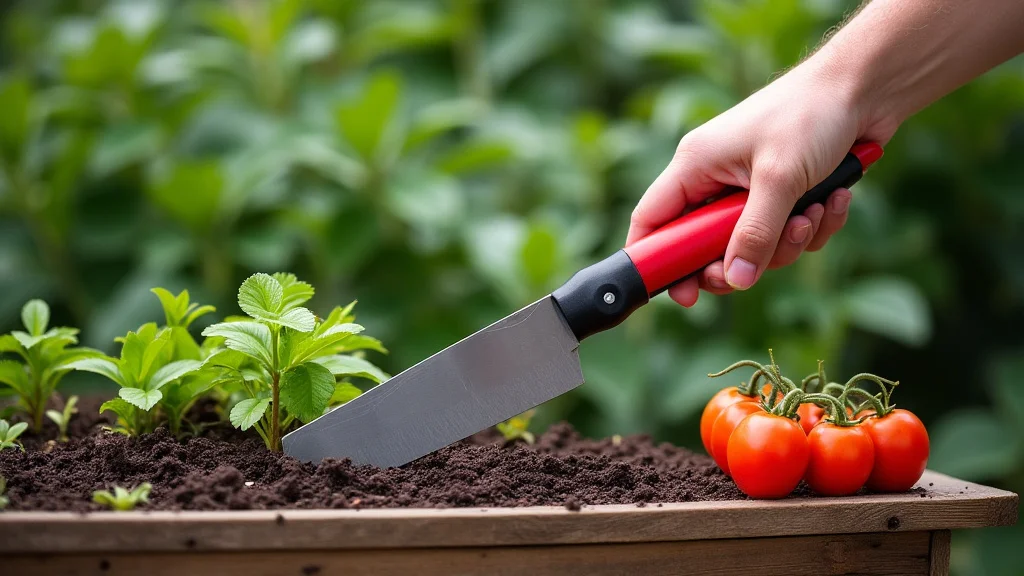
Remember that time you tried to plant those tomato seedlings with a clunky shovel? It was a disaster! Gardening, especially in a small space, can be a joy, but it’s much easier with the right tools. From tiny trowels to compact cultivators, the right small garden tools for gardening can make all the difference. This post will equip you with the knowledge to select the best tools for your needs, ensuring a flourishing garden. You’ll learn about the essential tools, how to choose them, and how to care for them. This will save you time, effort, and frustration. We’ll explore everything you need to start your gardening adventure right away.
Key Takeaways
- Discover the essential small garden tools for gardening for any size space.
- Learn how to choose the right tools based on your specific gardening needs.
- Understand the importance of tool quality and how it impacts your gardening experience.
- Get tips on maintaining and caring for your tools to extend their lifespan.
- Explore the different types of tools and their uses.
- Find recommendations for the best small garden tools for gardening, saving you time and money.
Essential Small Garden Tools for Gardening
Gardening, whether you have a sprawling backyard or a small balcony, can be incredibly rewarding. The key to a successful gardening experience, particularly in limited spaces, is having the right tools. This means selecting small garden tools for gardening that are efficient, durable, and suited to the tasks at hand. Let’s explore the essential tools every gardener should have in their arsenal to transform their space into a thriving oasis.
Hand Trowel and Its Uses
The hand trowel is one of the most fundamental tools for any gardener. It’s a small, handheld tool typically made of metal or durable plastic, featuring a curved, scoop-like blade and a comfortable handle. Its primary function is to dig small holes for planting seeds and seedlings, transplanting plants, and scooping up soil. The trowel’s size and design make it ideal for working in tight spaces and raised beds where larger tools might be cumbersome.
- Planting Seeds and Seedlings: The trowel is excellent for creating holes of the right depth for seeds and seedlings.
- Transplanting Small Plants: Easily move small plants from one location to another with minimal root disturbance.
- Weeding: The trowel can be used to scoop out weeds, especially those with shallow roots.
- Mixing Soil: Handy for mixing small amounts of fertilizer or compost into the soil.
A good trowel should be made from stainless steel or other rust-resistant materials. The handle should be ergonomically designed, providing a comfortable grip. A well-designed trowel makes planting, weeding, and transplanting easier and less tiring.
Hand Fork and Its Functions
The hand fork is another vital tool for your gardening kit. It resembles a miniature version of a garden fork, with short tines (usually three or four) and a handle. It’s used for various tasks, primarily aimed at loosening and aerating soil in small areas. It’s also great for weeding and breaking up clumps of soil. The hand fork’s compact size and lightweight design make it easy to maneuver in raised beds, containers, and between closely planted plants.
- Loosening Soil: The tines are used to break up compacted soil, improving drainage and air circulation.
- Weeding: Great for digging up weeds, especially those with taproots.
- Mixing Compost and Fertilizer: Mix compost or fertilizer into the top layer of soil with ease.
- Preparing Soil for Planting: Prepare the soil surface before planting.
When selecting a hand fork, consider the material and the handle’s design. Stainless steel tines provide durability and rust resistance, while ergonomic handles offer a comfortable grip. A sturdy hand fork helps make soil preparation and maintenance a breeze.
Hand Cultivator and Its Advantages
A hand cultivator, also known as a claw or scratch tool, is designed with several tines that are curved or claw-like. It’s a versatile tool that helps with several soil-related jobs in small spaces. The hand cultivator is a great way to handle the soil in a small space. Its compact size and ergonomic design make it easy to maneuver and work in raised beds, containers, and tight spaces between plants. It is a fantastic tool for the home gardener.
- Breaking Up Soil: The tines easily break up the surface of the soil.
- Weeding: Cultivators can pull up shallow-rooted weeds.
- Aerating Soil: Helps to increase airflow to plant roots.
- Preparing Seedbeds: Excellent for preparing the soil for planting by creating a fine, loose surface.
The hand cultivator should be made of durable materials that resist bending and breaking, and the handle should be comfortable to hold and easy to grip. A high-quality hand cultivator will last for years, making your gardening work easier.
Pruning Shears for Plant Health
Pruning shears, also known as hand pruners or secateurs, are small, handheld cutting tools used to trim and shape plants. Proper pruning is essential for maintaining plant health, promoting growth, and encouraging fruit and flower production. There are two main types: bypass pruners, which cut like scissors, and anvil pruners, which have a single blade that cuts against a flat surface. These small garden tools for gardening are essential.
- Trimming Branches: Shears are great for snipping off branches that are damaged.
- Shaping Plants: You can shape shrubs and hedges.
- Harvesting Flowers and Vegetables: Makes harvesting easier.
- Promoting Growth: Pruning encourages new growth.
When choosing pruning shears, look for a comfortable grip, sharp blades, and a durable construction. Stainless steel blades stay sharp longer and are resistant to rust. Bypass pruners are typically better for live, green stems, while anvil pruners are better for dead or dry wood.
Choosing the Right Tools for Your Garden
Choosing the correct small garden tools for gardening involves more than just picking the first tools you see. Your gardening needs and the type of plants you grow will influence your decisions. Thinking through these factors before purchasing will ensure that you invest in tools that meet your needs.
Assessing Your Gardening Space
The size and layout of your garden space should guide your tool selection. A small balcony garden or a raised bed requires different tools than a large in-ground garden. You should also consider the type of plants that you plan to grow. Some plants need more specific tools to keep them healthy.
- Balcony or Container Gardens: Prioritize compact tools like hand trowels, hand forks, and small pruning shears. These tools are easier to maneuver in limited spaces.
- Raised Beds: Similar to container gardens, choose tools with shorter handles.
- In-Ground Gardens: While you still need compact tools, you might also consider a small garden hoe or a long-handled weeding tool for broader tasks.
Your space assessment will help you narrow down your choices, ensuring you select tools that fit your physical space.
Considering the Type of Plants
The types of plants you cultivate will influence the tools you need. Different plants have different requirements, impacting the types of tools necessary for maintenance and care. When deciding which tools to buy, consider the specific needs of the plants in your garden. This ensures that you have the right tools to handle all the tasks.
- Vegetables: Hand trowels, hand forks, and pruning shears are great for vegetables.
- Flowers: Pruning shears, hand trowels, and hand cultivators are essential.
- Shrubs and Trees: Small pruning shears are great for shrubs and trees.
This will help you build a well-rounded kit that fits your garden’s needs. Matching your tools to your plants will improve plant health and make gardening more fun.
Prioritizing Quality and Durability
Investing in quality tools initially will save you time and money. Consider the materials, construction, and handle design. High-quality tools are generally more effective, more comfortable to use, and last longer. The right tool can make the difference between an enjoyable experience and a frustrating chore.
- Materials: Look for tools made from rust-resistant stainless steel.
- Construction: Welded or riveted handles are generally more durable than glued ones.
- Handle Design: Ergonomic handles provide a comfortable grip and reduce strain during use.
- Reviews and Ratings: Check reviews and ratings from other gardeners.
While the initial cost may be higher, the investment will pay off as you spend more time gardening.
Maintaining and Caring for Your Tools
Proper care and maintenance will significantly extend the life of your small garden tools for gardening and ensure their optimal performance. Cleaning, storing, and sharpening are key. Tools that are well-maintained are safer and more efficient. Taking a few simple steps can keep your tools in prime condition.
Cleaning Your Tools After Each Use
Cleaning your tools after each use removes soil, debris, and plant material, preventing rust and preserving the tools. Cleaning should be a regular part of your gardening routine to ensure that your tools are always ready for action. Cleaning will also help with keeping your tools sharp.
- Rinse: Rinse off soil and debris.
- Scrub: Scrub any remaining grime.
- Dry: Ensure they are completely dry before storage.
Regular cleaning is one of the easiest ways to extend the life of your tools and make your gardening work easier.
Proper Storage to Prevent Damage
Storing your tools properly will protect them from damage and weather. The right storage setup will protect your tools from rust, damage, and loss. Taking a few minutes to store your tools correctly will protect them from damage and weather.
- Indoor Storage: Store tools inside in a dry location.
- Tool Rack or Organizer: Use racks, organizers, or pegboards.
- Covering: Cover blades with protective sheaths.
Storing your tools in a sheltered spot will extend their lifespan.
Sharpening and Repairing Your Tools
Keep your tools sharp to maintain their performance and make gardening work easier. Sharp tools require less effort. Check for damage and repair your tools as needed.
- Sharpening: Regularly sharpen blades.
- Repairing: Repair broken handles or loose connections.
- Oiling: Apply a light coat of oil to moving parts.
Proper maintenance of your tools ensures they perform better and last longer.
Advanced Tools for Enhanced Gardening
Beyond the essential tools, several advanced small garden tools for gardening can further enhance your gardening experience. These tools can increase efficiency and provide more precise control in your garden. As you become more experienced, you may want to invest in some of these advanced tools to keep your plants healthy.
Small Garden Hoe and Its Uses
A small garden hoe, or hand hoe, is a versatile tool used for weeding, cultivating soil, and creating planting furrows. It typically has a flat blade attached to a short handle, making it easy to maneuver in tight spaces and raised beds. This is a compact tool that is easy to use and store.
- Weeding: Use the blade to chop off weeds.
- Cultivating Soil: Breaks up the soil’s surface.
- Creating Furrows: Makes small trenches.
- Hilling: Mound soil around plants.
A hand hoe will make light work of tasks. Look for a hoe with a sturdy handle and a sharp, durable blade.
Small Weeding Tools for Detailed Work
For more detailed weeding, consider tools designed specifically for the job. These tools can remove weeds. They are designed to target and extract weeds from the roots with minimal disturbance to the surrounding plants. They are useful for tasks that other tools might not be able to handle.
- Weeding Knives: Knife-like tools for digging up weeds.
- Weed Extractors: Long-handled tools for pulling weeds.
- Weeding Forks: Tiny forks for loosening soil.
These tools are great for weeding in tight spots and around plants. These will help keep your garden clean and weed-free.
Watering Can and Spray Bottle for Precision Irrigation
Proper watering is essential for healthy plants. A watering can is great for small garden spaces where you want more control over the water delivery. Spray bottles provide a way to mist delicate plants or apply water to specific areas with precision. These tools ensure that your plants get what they need to thrive.
- Watering Cans: For general watering needs.
- Spray Bottles: For misting or targeted watering.
- Adjustable Nozzles: Allow for different water flow settings.
Using these tools helps you water your plants without damaging them.
Real-Life Examples and Case Studies
To further illustrate the practical application of small garden tools for gardening, here are a few real-life examples and case studies that highlight their effectiveness.
-
Case Study: Container Garden Success
Sarah, a resident of an apartment building, decided to create a container garden on her balcony. She started with a basic hand trowel, hand fork, and pruning shears. By using the trowel to plant her herbs and vegetables, the hand fork to loosen the soil, and pruning shears to shape her plants, Sarah was able to cultivate a thriving container garden that produced fresh herbs and vegetables throughout the summer. The compact size of the tools made gardening in a limited space much easier. Sarah’s small investment in the right tools transformed her balcony into a functional green space.
-
Example: Overcoming Garden Challenges
John’s small raised bed garden was plagued with weeds. He was using a regular garden shovel to remove the weeds, but this was difficult and not very effective. He switched to a hand cultivator to pull up the weeds. This made weeding much easier and helped control the weed growth. The hand cultivator’s design was ideal for digging into the soil and getting the roots. This simple change significantly improved John’s gardening efficiency and the health of his garden.
Frequently Asked Questions
Question: What is the best material for a hand trowel?
Answer: Stainless steel is the best material for a hand trowel because it resists rust and is durable, ensuring a long tool lifespan.
Question: How often should I sharpen my pruning shears?
Answer: Sharpen your pruning shears before the beginning of the growing season and as needed during the season. This maintains a clean and effective cut.
Question: Are hand cultivators effective for weeding?
Answer: Yes, hand cultivators are useful for weeding, especially for removing shallow-rooted weeds and breaking up the soil’s surface.
Question: How can I prevent rust on my garden tools?
Answer: To prevent rust, clean your tools after each use, dry them thoroughly, and store them indoors in a dry place. Consider applying a light coat of oil to metal parts.
Question: What’s the benefit of using a hand fork over a trowel for soil preparation?
Answer: Hand forks are better for loosening compacted soil and aerating it because their tines can penetrate deeper and break up clumps of soil without disturbing plant roots.
Final Thoughts
Selecting the right small garden tools for gardening is essential for anyone who wants to create a thriving garden in a limited space. From the basic hand trowel and hand fork to the more specialized pruning shears and hand cultivator, each tool serves a unique purpose. Choosing tools of good quality and caring for them properly will help you to enjoy your gardening more. You can also explore the world of gardening with the aid of compact tools. With the right tools and a little bit of care, you’ll be able to grow your plants without the use of bulky equipment. Now, go out there, choose your tools, and begin your gardening adventure.