
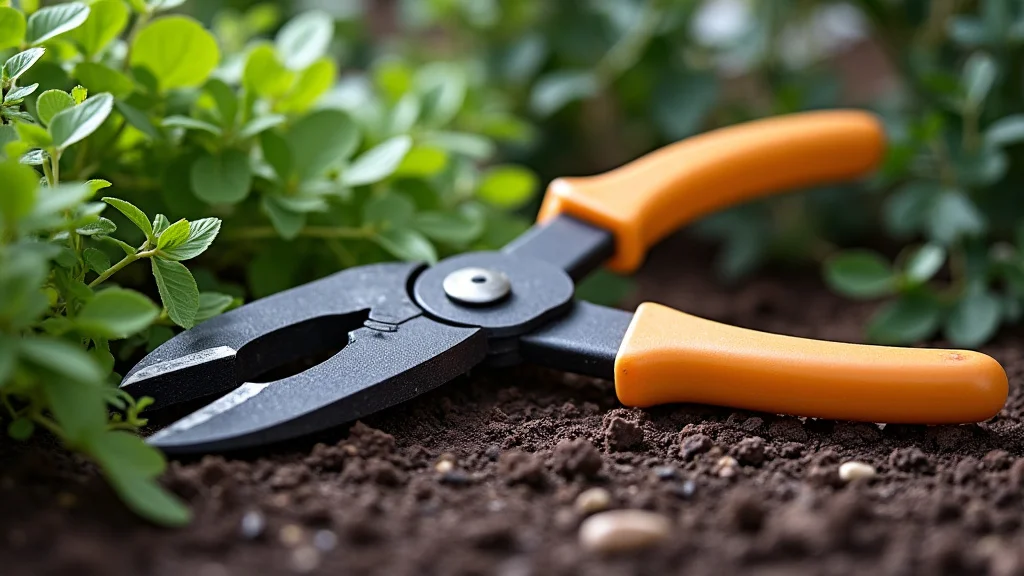
Remember that time your grandpa showed you his garden? The smell of fresh soil, the bright colors of the flowers, and the satisfying thwack of the trowel digging into the earth? Maybe you’re dreaming of your own little slice of green, but the thought of all the gear is a bit overwhelming. This post is for you! We’ll explore the essential hand tools for gardening, breaking down what each tool does and how to choose the right one. You’ll learn the best tools to get started, ensuring your gardening adventure is both fun and fruitful. Get ready to discover the tools that will transform your garden into a flourishing paradise. You’ll gain a solid grasp of these crucial tools and learn how to use them effectively, saving you time, money, and frustration. Prepare to make the most of your gardening experience!
Key Takeaways
- Learn which hand tools for gardening are essential for beginners.
- Understand the different uses of each tool.
- Discover how to choose high-quality tools that last.
- Get tips on the proper care and maintenance of your tools.
- Explore safety measures while using garden tools.
- Find out about specific tool recommendations for different gardening tasks.
Getting Started with Hand Tools for Gardening
So, you’ve decided to embrace the joy of gardening. Excellent! But where do you begin? The array of gardening tools can seem overwhelming at first. Don’t worry. Starting with the right hand tools for gardening is a simple process. Forget about expensive, high-tech gadgets when starting out. You can get started with just a few basic, high-quality tools that will handle most tasks. This section will introduce the key hand tools you’ll need to begin your gardening journey.
Essential Tools for Beginners
The core group of tools forms the foundation of a successful gardening experience. Think of these tools as your gardening toolkit, the essentials you’ll reach for time and again. These core tools are designed to work in concert, supporting various aspects of planting, cultivating, and maintaining your garden. By familiarizing yourself with these basics, you’ll be well-equipped to tackle a wide variety of gardening challenges and to cultivate a healthy, vibrant garden. Getting started doesn’t require a lot. Keep it simple at the beginning!
- Trowel: A small, handheld tool perfect for digging small holes and transplanting seedlings. Its pointed blade is especially useful for loosening soil and getting into tight spaces.
- Hand Rake: Used for smoothing soil, removing debris, and leveling the ground. The rake helps create a fine seedbed.
- Hand Fork: Useful for turning over soil, breaking up clumps, and aerating the earth around plant roots.
- Gardening Gloves: Protect your hands from dirt, thorns, and blisters.
The trowel is a cornerstone of any beginner’s gardening kit. Its primary function is to dig small holes for planting seeds and young plants. The trowel’s pointed blade is also great for breaking up clumps of soil, loosening compacted earth, and weeding in tight spaces. Choosing a trowel with a comfortable handle and a sturdy blade is a must. Stainless steel trowels resist rust, making them a good option for wet conditions. Keep your trowel clean after each use and store it in a dry place to ensure longevity. A good trowel makes the planting process easier and much more enjoyable.
The hand rake, also sometimes called a garden rake, is indispensable for preparing soil for planting. Its tines are perfect for breaking up clods, removing stones and debris, and leveling the surface of your garden beds. After digging and amending the soil, a few passes with the hand rake leave a smooth, uniform surface ideal for sowing seeds or planting seedlings. The hand rake is especially important for the later stages of gardening. Proper soil preparation impacts the growth of your plants. A hand rake can also be used to gently cover seeds after planting. Regular use of this tool keeps your garden tidy and ready for the next step.
A hand fork is a versatile tool, essential for many gardening tasks. This tool can be used to loosen the soil around plant roots. It also helps to break up clumps of soil after digging, making it easier to plant and water your garden. The hand fork, with its sturdy tines, allows you to aerate the soil, enabling better drainage and root growth. By using a hand fork regularly, you improve the soil structure and promote the overall health of your plants. Make sure to clean the hand fork after use to prevent the spread of diseases. This is important to ensure your garden thrives.
Gardening gloves are a must-have for every gardener, offering protection and comfort. They shield your hands from dirt, thorns, and blisters. They also improve your grip on tools. Gloves can also help prevent the spread of germs. Selecting gloves that fit properly and are made of durable, breathable materials is a good idea. Consider gloves with reinforced palms and fingertips for added protection. Keep several pairs on hand so you always have a clean, dry pair ready. With good quality gloves, your hands will be comfortable even during long gardening sessions.
Material Matters: Choosing Your Tools
The choice of materials significantly impacts the longevity and performance of your hand tools for gardening. Quality tools are an investment. Cheap tools break easily, leading to frustration and extra costs. Understanding the qualities of different materials helps you choose tools that will withstand frequent use and the test of time. Selecting the right tools can make gardening easier. Knowing the different materials helps you choose the right tools for your specific needs.
- Handles: Consider the material for the handles, such as wood or plastic, for comfortable grip.
- Blades: Opt for stainless steel or carbon steel blades for durability and rust resistance.
- Durability: Look for tools with strong construction that can withstand heavy use.
Handles are as important as the blades. Wood handles, often made from ash or other hardwoods, offer a natural feel and good grip. They are durable, but they can be affected by weather. Plastic or composite handles are a good option. They are weather-resistant and require little to no maintenance. Ergonomic handles, which are designed to fit the shape of your hand, can improve comfort, especially during prolonged use. Make sure the handles are securely attached to the tool’s head for safety. Selecting a handle that feels comfortable and balanced will improve your overall gardening experience.
The blade is the business end of any tool. Stainless steel blades are a popular choice due to their rust resistance, making them ideal for gardeners in humid climates or for those who don’t want to spend time on maintenance. Carbon steel blades are incredibly strong and can hold a sharp edge, which is useful for tasks such as cutting through roots. These blades need more care. You must clean and dry them after each use to prevent rust. Regardless of the material, a sharp blade makes the job easier and more efficient. Choose blades that are durable and suited to your gardening style.
Durability is an important factor. Choosing tools made with quality materials and solid construction ensures they will last for years. Check for sturdy joints, reinforced handles, and blades that are firmly attached. Avoid tools with flimsy parts that can bend or break. Reading reviews and comparing brands can help you choose tools known for their reliability. Investing in durable tools may cost a bit more upfront, but it pays off in the long run. Durable tools will save you time and money. They will also improve your gardening experience.
Essential Techniques for Effective Gardening
Now that you have the right tools, it’s time to learn how to use them effectively. Mastering these techniques will help you get the most out of your hand tools for gardening and create a thriving garden. From proper soil preparation to planting and maintenance, each step influences the health and productivity of your plants. With practice, these techniques will become second nature, and you’ll find gardening to be a rewarding and enjoyable experience. Let’s delve into the techniques to transform your garden!
Preparing the Soil
Healthy soil is the foundation of a successful garden. Correct soil preparation helps with drainage, aeration, and nutrient availability. Soil preparation makes a huge difference in how your plants grow. Learn these steps for better soil.
- Digging and Turning: Use the hand fork to break up compacted soil.
- Amending the Soil: Mix in compost, manure, or other organic matter to improve soil fertility.
- Leveling the Ground: Use the hand rake to create a smooth, even surface for planting.
Digging and turning the soil is the first step toward creating a hospitable environment for plant roots. Using a hand fork, gently loosen the soil to a depth of at least 6-12 inches. This breaks up compacted soil, allowing for better drainage and air circulation. As you turn the soil, remove any rocks, roots, or debris that you find. This process also incorporates any amendments, like compost or fertilizer, that you add to the soil. Soil that is turned and aerated supports healthy root growth.
Amending the soil with organic matter such as compost or well-rotted manure is crucial for soil fertility. These additions improve soil structure, increase water retention, and provide essential nutrients to your plants. Spread a layer of compost or manure over the soil and use a hand fork to mix it thoroughly. Aim for about 2-4 inches of organic matter. Organic matter is the best food for your plants. Regular amendments will create rich soil. This will support healthy plant growth and a vibrant garden.
Once you’ve dug and amended the soil, use the hand rake to level the surface. This step is important, especially when preparing seedbeds or planting seedlings. The hand rake ensures even distribution of soil. It also removes any remaining clumps of soil and debris. Work the hand rake back and forth to smooth the soil and create a level planting surface. A smooth surface makes planting and watering much easier. It also helps prevent water from pooling. A well-leveled surface sets the stage for a tidy and thriving garden.
Planting and Transplanting
Planting and transplanting are critical steps in the gardening process. Whether you’re starting seeds or moving established plants, knowing the proper techniques ensures your plants get off to a good start. From carefully preparing the planting hole to providing the right support, each step helps set your plants up for success. Pay attention to spacing and depth. These actions will promote healthy growth and a bountiful harvest. Let’s explore the techniques for successful planting.
- Digging Holes: Use the trowel to create the right size holes for your plants or seeds.
- Spacing and Depth: Follow planting guidelines for proper spacing and depth.
- Transplanting: Carefully move seedlings or established plants to new locations.
The trowel is your best friend when planting! Use it to dig holes for seedlings or transplants. Make sure the hole is wide and deep enough to accommodate the plant’s root system. Gently remove the plant from its container, and carefully place it in the hole. Be careful not to damage the roots. Backfill the hole with soil. Gently pat the soil around the plant to eliminate air pockets. Watering the plant immediately after planting helps settle the soil and promotes root establishment. Correct planting depth and spacing will ensure that your plants have the space they need to grow and thrive.
Proper spacing and planting depth are vital for optimal plant growth. Different plants have different requirements, so it’s essential to follow the specific instructions on seed packets or plant labels. Too close together and the plants will compete for resources. Too deep, and they may struggle to emerge. Using a measuring tape or a marked stick can help you maintain accurate spacing between plants. Proper depth ensures that the roots are well-covered but not too deep to receive sunlight. Getting the spacing and depth right sets the foundation for healthy plant growth and increased yields. Following the guidelines is key.
Transplanting requires care and attention. This task can be done with a trowel. Before transplanting, water the plant well to reduce stress. Dig around the plant, ensuring you keep as much of the root ball intact as possible. Gently lift the plant from its current location, and move it to its new spot. Plant it at the same depth as before. Water the newly transplanted plant thoroughly and consider providing some shade. Monitor the plant closely for a few days, and water it regularly. With a gentle touch and careful handling, transplanting can be a success. You’ll be rewarding your garden!
Maintaining and Cleaning Your Tools
Proper maintenance ensures that your hand tools for gardening will last for years. Regular cleaning and care keep your tools working efficiently and also extend their lifespan. From simple cleaning routines to effective storage solutions, these practices will help you keep your tools ready for any gardening task. Taking the time to care for your tools is essential for maintaining a healthy and productive garden. Let’s learn how to take care of your tools.
- Cleaning: Wipe tools clean after each use to remove dirt and debris.
- Sharpening: Sharpen blades regularly to maintain cutting efficiency.
- Storage: Store tools in a dry, covered area to protect them from the elements.
Cleaning your tools after each use is a simple, yet essential, practice that keeps your tools in good condition. Use a brush or cloth to remove any soil, plant matter, or debris from the blades, tines, and handles. Make sure you get rid of any caked-on dirt to prevent rust and corrosion. For stubborn dirt, you can use a bit of soapy water and a scrub brush. Allow the tools to dry completely before storing them. Cleaning prevents the spread of diseases from plant to plant. This maintains the tools and helps extend their lifespan.
Sharp tools are safer and more effective than dull ones. Over time, the blades on your tools will become dull. Regular sharpening is essential. Use a file or sharpening stone to restore the edge on your trowels, pruners, and other cutting tools. Follow the manufacturer’s instructions. A sharp blade requires less force. This reduces the risk of injury. Maintaining sharp blades makes gardening tasks easier and ensures cleaner cuts. Proper sharpening is essential for the health of your plants. This promotes their growth.
Proper storage protects your tools from the elements. This increases their lifespan. After cleaning and sharpening, store your tools in a dry, covered area, such as a shed or garage. Using a tool rack or organizer is a good idea. Hang your tools to keep them off the ground. This will prevent rust and damage. Avoid leaving tools outside in direct sunlight or rain. Also, store tools away from chemicals and fertilizers. Proper storage protects your tools from damage and keeps them ready for use. It also extends their lifespan and keeps your workspace tidy.
Safety First: Gardening Responsibly
Gardening is a relaxing and rewarding activity, but safety should always be a priority. Using hand tools for gardening safely protects you and your garden. Following some basic safety guidelines can help you avoid injuries and create a safe environment. From wearing appropriate protective gear to using tools correctly, understanding and practicing these safety measures is essential. These practices ensure a positive gardening experience.
Safety Precautions
- Protective Gear: Wear gloves, eye protection, and sturdy shoes while gardening.
- Tool Handling: Use tools carefully and follow the instructions.
- Storage and Disposal: Store tools safely and dispose of any garden waste properly.
Always wear appropriate protective gear while gardening. Gardening gloves are important. They protect your hands from cuts, scrapes, and blisters. Eye protection, such as safety glasses or goggles, is important for protecting your eyes from flying debris. Sturdy shoes will provide support and protect your feet from injury. Consider wearing long sleeves and pants to protect your skin from sun exposure and scratches. Wearing protective gear is a straightforward step to reduce the risk of injuries. This helps ensure a safe and enjoyable gardening experience.
Handle your tools with care, and always read the manufacturer’s instructions before using a new tool. Make sure you use the tool for its intended purpose. Never force a tool. If a tool isn’t working, don’t use more force. Instead, assess the situation. Make sure your workspace is clear of obstructions. Be aware of your surroundings, and avoid swinging tools near other people or animals. Follow the instructions. This will reduce your risk of injury. Proper tool handling will help you garden safely and efficiently.
Safe storage and waste disposal are essential parts of gardening safety. Store your tools in a safe, secure place. Keep them out of reach of children and pets. Properly dispose of any sharp or hazardous garden waste, such as broken tools or chemical containers. Follow local guidelines for disposing of plant debris. When using any chemicals, carefully follow the instructions and wear protective gear. Keeping your tools organized and disposing of waste safely creates a healthy and safe environment. This promotes a sustainable gardening practice.
Frequently Asked Questions
Question: What’s the best way to clean my trowel?
Answer: Rinse your trowel with water and scrub off any dirt or debris with a brush. Dry it thoroughly before storing.
Question: How often should I sharpen my hand pruners?
Answer: Sharpen your hand pruners at least once a year, or more often if you use them frequently. A sharp blade makes the job easier and cleaner.
Question: Are hand forks and garden forks the same?
Answer: Not quite! A hand fork is a small, handheld tool for turning soil in small areas, while a garden fork is larger with a long handle, for use on larger areas.
Question: What kind of gloves are best for gardening?
Answer: Choose gloves made of durable, breathable materials like leather, canvas, or synthetic blends. Consider gloves with reinforced palms for extra protection.
Question: How do I remove rust from my garden tools?
Answer: Use a wire brush or sandpaper to remove rust. For stubborn rust, you can soak the tools in vinegar before scrubbing.
Final Thoughts
Gardening with hand tools for gardening is a simple yet rewarding experience. You’ve learned about the essentials: trowels, hand rakes, hand forks, and gloves. Remember, choosing quality tools is an investment. They’ll last longer and make gardening more enjoyable. Proper care, including cleaning, sharpening, and safe storage, will keep your tools in top condition for years. Mastering the techniques, from preparing the soil to planting and maintenance, opens the door to a flourishing garden. Safety is paramount. Always protect yourself with gloves, eye protection, and sturdy shoes. Now, grab your tools, get outside, and start creating something beautiful. Gardening is a journey. Enjoy every step and watch your garden flourish!