
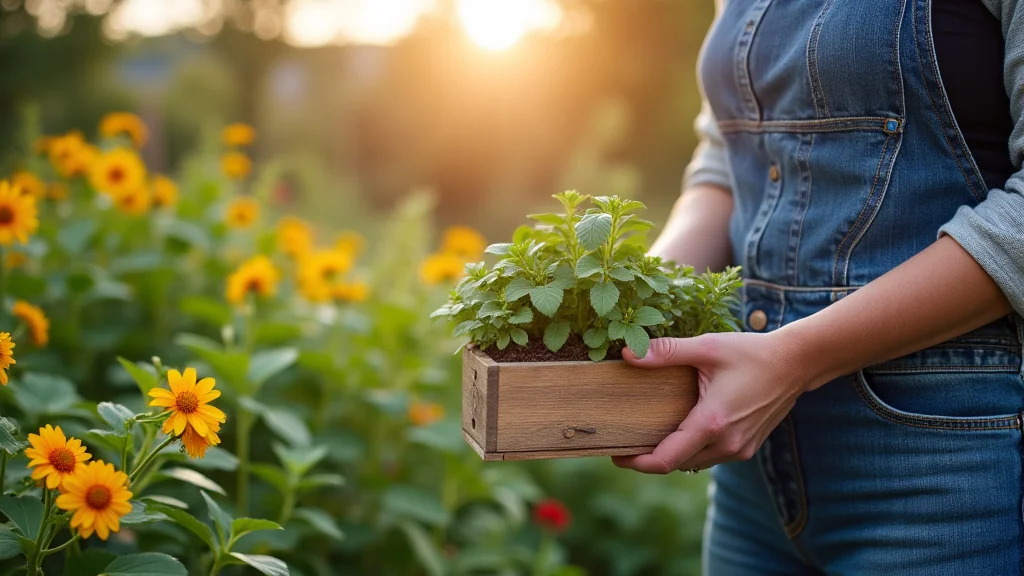
Remember that time your neighbor, Carol, struggled to plant her petunias? She was using her husband’s giant, rusty shovel and looked utterly defeated! Let’s face it, many standard gardening tools just aren’t a great fit for every gardener. This post is all about helping you, the woman who loves to nurture plants, find the perfect gardening tools for women. You’ll explore the advantages of ergonomically designed tools and how to choose the right gear for your needs, boosting your enjoyment of the hobby while protecting your body. This guide will empower you to make informed decisions, transforming your gardening experience. You will gain valuable insights on selecting the best tools, making your gardening simpler, more enjoyable, and easier on your body, while preventing common gardening aches.
Key Takeaways
- Discover why ergonomic tools are essential for comfort and efficiency.
- Learn about the different types of gardening tools and their specific uses.
- Find out how to choose tools that fit your physical stature.
- Explore which tools are best suited for various gardening tasks.
- Understand the materials tools are made of and their impact on performance.
- Get practical tips on tool maintenance and storage to ensure longevity.
Why Ergonomic Gardening Tools Matter for Women
Gardening should be a pleasure, a chance to connect with nature, and not a chore that leaves you aching. Standard gardening tools often have designs that don’t consider the female form, leading to strain and potential injuries. This section explores why selecting the right tools is essential for a positive gardening experience. Ergonomic design goes beyond just aesthetics; it’s about making gardening activities physically easier, reducing strain on your back, wrists, and shoulders, and improving overall enjoyment.
Ergonomic Design Explained
Ergonomic design in gardening tools centers on making tools that fit the natural contours of the human body. This means considering how your hands grasp, how your back bends, and how much force is required for each gardening activity. Tools featuring ergonomic design typically have curved handles, soft grips, and a lightweight build. These features reduce the strain on muscles and joints, making long periods of gardening less tiring and painful. The result is a more comfortable and sustainable gardening experience.
- Curved handles: These help maintain a natural wrist position, reducing strain.
- Soft grips: Provide a comfortable and secure hold, preventing blisters and fatigue.
- Lightweight materials: Make tools easier to maneuver, especially for extended use.
- Angled handles: Position your body correctly to prevent back pain and overextension.
- Adjustable features: Cater tools to individual body sizes and preferences for maximum comfort.
Consider a gardener using a traditional shovel. The straight handle forces the user to bend unnaturally, placing significant stress on the lower back. An ergonomic shovel, on the other hand, features a curved handle and a wider, angled grip, which allows the gardener to maintain a more upright posture, reducing strain. Tools that are designed with the user’s body in mind are the key to comfortable gardening. Ergonomic tools prevent common gardening injuries, like carpal tunnel syndrome and tendinitis.
The Benefits of Ergonomic Tools
The advantages of choosing gardening tools for women extend beyond mere comfort. They also enhance your gardening activities and long-term well-being. By choosing the correct gear, you can work more efficiently, experience less fatigue, and prevent injuries. This leads to a more enjoyable experience, allowing you to spend more time outdoors doing what you love. Choosing ergonomic tools is an investment in your gardening future.
- Reduced physical strain: Lessens the stress on your muscles and joints.
- Increased efficiency: Makes tasks easier and faster.
- Prevented injuries: Lowers the risk of back pain, wrist strain, and other problems.
- Improved gardening experience: Makes the hobby more pleasurable.
- Longer gardening sessions: Allows you to spend more time in your garden.
For example, using a lightweight trowel with a soft grip is much easier on the wrist and hand than a heavier, poorly designed one. Over time, the cumulative effect of using ergonomic tools means fewer aches and pains, making gardening a sustainable and rewarding activity. This enables you to work in your garden more frequently and for longer periods. It ensures that gardening remains a pleasure for years to come.
Choosing Tools to Fit Your Body
One size doesn’t fit all in gardening, especially regarding tool selection. Selecting tools that are the correct size and weight can make a massive difference in your comfort and ability to work efficiently. It is important to consider your height, hand size, and physical strength when shopping for gardening tools. Finding tools that are right for you will reduce strain and improve your enjoyment of the hobby.
- Consider your height: Choose tools with handles that are the right length for your height.
- Hand size matters: Look for tools with handles that fit comfortably in your hands.
- Test the weight: Ensure tools are not too heavy for you to maneuver comfortably.
- Grip comfort: Opt for tools with soft, non-slip grips.
- Adjustable handles: Provide versatility for different users or tasks.
A taller gardener might find a longer-handled shovel more comfortable, reducing the need to bend over. Someone with smaller hands might benefit from tools with smaller grips. Always try out tools before buying them, if possible. Even a short try can determine if the tools are right for you. Selecting tools that are well-suited to your body type will enhance your gardening experience, reducing fatigue and preventing strain.
Essential Gardening Tools for Women and Their Uses
Selecting the correct tools is crucial to having a positive gardening experience. Knowing the right tools for various tasks is the first step toward efficient and enjoyable gardening. Every gardener has different needs, depending on the garden’s size and the types of plants being grown. From digging and planting to pruning and weeding, each tool plays a unique role in maintaining a healthy and beautiful garden. The tools that you choose directly influence your success and enjoyment.
Digging and Planting Tools
These tools are essential for preparing your soil, planting flowers, and establishing new plants. A well-equipped gardener has the right tools for tasks. They can simplify the process, whether digging holes for seedlings or turning over soil in a flowerbed. These tools should be chosen with durability and ease of use in mind.
- Trowel: A small hand tool for planting, transplanting, and digging small holes.
- Hand fork: Used for loosening soil, removing weeds, and aerating the ground.
- Shovel: Essential for digging, moving soil, and preparing planting beds.
- Transplant spade: Designed for moving plants and digging narrow trenches.
- Dibber: Creates holes for planting seeds and seedlings.
A trowel, for instance, is perfect for planting small plants or herbs in containers. Shovels are best for larger projects like preparing garden beds. The hand fork is perfect for weeding. Having these tools available makes the planting and digging process more efficient and manageable. The right tools also reduce the physical strain of gardening.
Weeding and Cultivating Tools
Weeding and cultivating are essential for maintaining a healthy garden. They involve removing unwanted plants and improving the soil’s condition. The right tools will make these tasks easier and more efficient. These tools should be chosen to perform different weeding and cultivating activities effectively and comfortably.
- Weeders: Tools that come in various designs for pulling weeds by their roots.
- Cultivators: Used to break up soil crusts and remove small weeds.
- Hoses and sprayers: Tools used for watering and applying soil treatments.
- Hoe: Used for removing weeds and turning over soil in rows.
A comfortable weeder will make pulling weeds easier. A hoe is a good choice for larger garden areas. Cultivators are useful for breaking up the soil and aerating it. The right tools will make weeding more straightforward and quicker. They will also improve the health of your plants by providing better soil conditions.
Pruning and Cutting Tools
Pruning and cutting are essential for maintaining the shape, health, and productivity of your plants. These tools are used for removing dead or overgrown parts of plants. The type of tools needed varies depending on the plant size and the task. Selecting high-quality pruning tools improves the outcomes of this work.
- Pruning shears: Used for cutting smaller branches and stems.
- Loppers: Designed for cutting larger branches that are beyond the reach of pruning shears.
- Pruning saw: Needed for cutting thick branches that loppers cannot handle.
- Hedge shears: Used for shaping hedges and shrubs.
Pruning shears are great for trimming roses and deadheading flowers. Loppers make it easier to cut branches on small trees. When selecting pruning tools, choose those with sharp, durable blades that provide clean cuts. Correct pruning can improve plant health and appearance and enhance your gardening enjoyment.
Tool Materials and Their Impact
The materials used in gardening tools play a critical role in their performance, durability, and overall feel. Understanding the differences between various materials helps you select tools that meet your specific needs and ensure long-term value. The right choice in materials will influence the tool’s weight, strength, and resistance to corrosion, as well as how comfortable it is to use.
Handle Materials
The handle material significantly impacts the weight, grip, and comfort of a gardening tool. Several materials are commonly used, each with its own advantages and disadvantages. From wood to plastic to metal, understanding the qualities of each material is essential for choosing the best tool for your needs.
- Wood: Offers a natural feel, is often lightweight, and provides good grip; can be prone to cracking.
- Metal: Strong and durable, often used in combination with wood or plastic for grip; can be heavy.
- Plastic: Lightweight, inexpensive, and resistant to weather; can be less durable than other materials.
- Composite: Made with a blend of materials, combining the benefits of different materials.
- Fiberglass: Offers strength and flexibility; less likely to splinter or break.
Wooden handles, for instance, offer a natural feel but can be affected by moisture. Plastic handles are lightweight but might not be as durable. Metal handles offer the most strength. The choice of handle material will impact the tool’s comfort and its lifespan. Selecting a handle that feels comfortable and is durable is crucial for a positive gardening experience.
Blade and Head Materials
The materials used for the blades and heads of gardening tools determine their sharpness, strength, and resistance to wear and corrosion. The longevity and effectiveness of the tools depend greatly on the materials selected. Selecting the right materials will improve your gardening experience by enabling you to work more efficiently and effectively.
- Stainless steel: Provides excellent resistance to rust and corrosion; keeps edges sharp.
- Carbon steel: Strong and can hold a sharp edge, but is prone to rust if not cared for.
- Hardened steel: Known for its durability and ability to withstand tough conditions.
- Aluminum: Lightweight and resistant to rust, but might not be as strong.
Stainless steel blades are rust-resistant and ideal for wet conditions, while carbon steel blades offer exceptional sharpness. The choice of blade material will affect how well the tool performs and how long it lasts. Consider the materials when selecting gardening tools, for their ability to withstand the demands of gardening.
Comparing Tool Materials
A good way to compare materials is in a table. The following table provides a quick reference to compare common gardening tool materials.
| Material | Pros | Cons |
|---|---|---|
| Wood (Handles) | Natural feel, lightweight, good grip | Can crack, susceptible to moisture damage |
| Stainless Steel (Blades) | Resistant to rust, maintains sharpness | Can be more expensive |
| Plastic (Handles) | Lightweight, inexpensive, weather-resistant | Less durable, can degrade over time |
| Carbon Steel (Blades) | Strong, sharp edge | Prone to rust without proper care |
Consider the environment you garden in, and the specific tasks you perform. Selecting the correct materials will ensure your tools are suitable for your gardening activities.
Maintaining and Storing Your Gardening Tools
Proper maintenance and storage of gardening tools extend their lifespan and ensure that they perform well. Regular cleaning, sharpening, and storage will help prevent corrosion, keep tools in good working order, and save you time and money on replacements. The time you invest in maintaining your tools is directly reflected in the health of your garden and your own gardening enjoyment.
Cleaning and Sharpening
Cleaning and sharpening your gardening tools are critical for their performance and longevity. Regular cleaning removes soil, sap, and other debris that can cause rust, corrosion, and diminished functionality. Sharpening blades ensures clean cuts, which is important for the health of your plants. This routine care ensures that your tools are always ready for action, and that your gardening experience is successful.
- Cleaning: After each use, clean tools with a wire brush or scraper to remove debris.
- Washing: Rinse tools with water and soap to remove any remaining dirt and sap.
- Drying: Thoroughly dry tools to prevent rust.
- Sharpening: Regularly sharpen blades using a file, sharpener, or whetstone.
- Lubricating: Apply a light coat of oil to moving parts to reduce friction and prevent rust.
For example, after using pruning shears, wipe them down with a damp cloth and a bit of dish soap to remove plant sap. Then, dry them completely and sharpen the blades with a sharpening stone. Proper care and sharpening will keep your tools working like new.
Storage Tips
Appropriate storage is a crucial part of tool maintenance. Correct storage protects the tools from weather, prevents rust, and keeps them organized and easy to find. Whether you have a small shed, a garage, or a dedicated storage space, the right storage setup will improve the longevity of your gardening tools and provide easy access.
- Clean and dry tools before storage.
- Store tools in a dry, covered area to prevent rust.
- Hang tools to keep them off the ground and away from moisture.
- Use a tool rack or organizer to keep tools neat.
- Store sharp tools safely, away from children.
Proper storage is essential. Clean your tools, dry them, and then hang them in a dry shed or garage. Keep them organized in a tool rack. These steps will extend the life of your tools and make them easier to find when you need them. Taking these simple steps will make your gardening activities more enjoyable.
Frequently Asked Questions
Question: What is the best way to prevent rust on my gardening tools?
Answer: Clean and dry your tools after each use. Apply a light coat of oil to the metal parts before storing them.
Question: How often should I sharpen my pruning shears?
Answer: Sharpen your pruning shears at least twice a year, or more frequently if you use them heavily.
Question: Are ergonomic tools really better?
Answer: Yes, ergonomic tools are designed to reduce strain and increase comfort, especially for extended use.
Question: What’s the best way to clean sap off my pruning shears?
Answer: Wipe the blades with a damp cloth or sponge, using a bit of soap or rubbing alcohol to remove sticky sap.
Question: How can I make sure my wooden-handled tools last longer?
Answer: After cleaning, lightly sand and oil the wooden handles to protect them from moisture and cracking.
Final Thoughts
Selecting the right gardening tools for women is an investment in your gardening success and your personal well-being. By considering the benefits of ergonomic design, you can make your gardening more comfortable, reduce strain, and maximize your enjoyment. Remember, it’s not just about the tools; it’s about the experience. Choose tools that fit your body, from the size of the handles to the weight of the tools. Make sure to keep your tools in excellent condition with regular cleaning, maintenance, and storage. The right tools and care will empower you to cultivate your garden more effectively and enjoyably. It’s about building a sustainable gardening practice, that enriches your life. Embrace the joy of gardening, equipped with the right tools, and create a beautiful and thriving outdoor space. Happy gardening!