
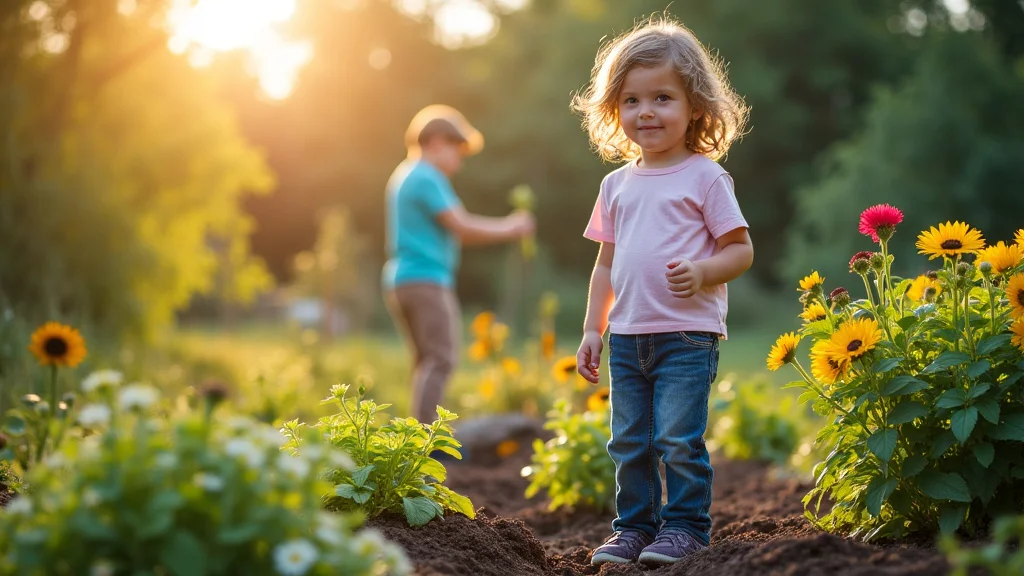
Remember those afternoons spent pretending in the backyard? Perhaps you built forts, or maybe you tried to help your parents with their gardening. Now, imagine a world where you could have your own, real gardening experience, right in your backyard! That’s where kids gardening tools come in. These tools aren’t just scaled-down versions of adult tools; they’re thoughtfully made to fit small hands, inspire creativity, and teach the joy of growing your own food or flowers. This guide will provide information on the best kids gardening tools, helping you choose the right ones and discover exciting gardening projects to start.
Key Takeaways
- Discover the benefits of introducing kids to gardening early.
- Learn about the different types of kid-friendly tools available.
- Find out how to choose safe and durable gardening tools for children.
- Explore fun and educational gardening projects for kids.
- Understand the importance of gardening and how it builds life skills.
- Get advice on how to get started gardening with children.
Getting Started with Kids Gardening Tools
Gardening with kids provides a unique way to spend time together, get fresh air, and learn. It’s an experience that encourages them to connect with nature. It can be a hands-on learning experience about where food comes from, the plant life cycle, and the importance of caring for the environment. Starting early, especially with kids gardening tools made specifically for their size and abilities, makes gardening more accessible and enjoyable. It sparks their curiosity and creates a love for the outdoors.
The Benefits of Gardening for Children
Gardening provides a wealth of benefits for children, extending beyond just the practical skills of growing plants. It’s a fantastic sensory experience, allowing children to touch, smell, and observe the natural world. From the rough texture of soil to the delicate petals of a flower, gardening engages their senses. It teaches responsibility as children learn to care for their plants, nurturing them from tiny seeds to mature plants. Gardening also fosters patience, as they watch their plants grow over time. Additionally, it can build healthy eating habits by encouraging children to try the fruits and vegetables they’ve grown themselves.
- Enhanced Sensory Development: Gardening stimulates a child’s senses, letting them touch different textures, smell various scents, and see the changing colors of plants.
- Development of Responsibility: Caring for plants teaches children about responsibility and the importance of consistent care.
- Improved Patience: Watching plants grow from tiny seeds requires patience, teaching children about delayed gratification.
- Healthy Eating Habits: Gardening can encourage children to eat more fruits and vegetables they have grown.
- Connection with Nature: Gardening fosters a connection with nature and increases environmental awareness.
The sensory aspect of gardening is particularly valuable for kids. Imagine a child’s first experience of plunging their hands into cool, rich soil, feeling the earthworms wriggle gently. They see the different shapes and sizes of seeds, the bright green of new leaves, and the vibrant colors of flowers. The textures of a fuzzy lamb’s ear plant or the fragrant leaves of mint are sensory delights. This interaction is not only enjoyable but also strengthens their understanding of the world around them. Engaging all senses is key to early childhood learning and builds important pathways in the brain.
When children plant seeds or small plants, they take on a responsibility. They need to water the plants regularly, make sure they get sunlight, and protect them from pests. This consistent care helps children understand cause and effect. They learn that their actions have consequences – plants that are watered regularly grow strong and healthy, while plants that are neglected may wither. This responsibility builds a sense of accomplishment and pride. Children learn that their efforts lead to positive outcomes, and this builds self-esteem and a sense of purpose.
Gardening is an excellent lesson in patience. Children often want immediate results, but gardening teaches them that some things take time. It requires waiting for seeds to sprout, for plants to grow, and for fruits or vegetables to ripen. When a seed is planted, there is a period of waiting, observing, and caring. This process teaches children about the importance of perseverance and the value of hard work. They learn that while they can’t rush nature, their consistent care and attention contribute to the final outcome. The reward of a harvest is greatly valued because of the time and effort put in.
Kids who participate in gardening often become more interested in eating what they have grown. When kids plant their own carrots, tomatoes, or strawberries, they have a personal stake in the outcome. They’re proud of their work, and they’re more willing to try the fruits of their labor. The taste is also improved by that personal connection. Gardening can also be used as a teaching tool. Parents and educators can explain how plants get the nutrients they need to grow, which can encourage kids to learn about nutrition. Gardening can also give them a chance to try new things and develop a lifelong love of eating healthy food.
Gardening provides kids with a close-up experience of nature’s processes. They observe how plants grow, how they interact with their environment, and the effects of sunlight, water, and soil on plant life. They learn about the lives of insects, the importance of bees for pollination, and how plants provide food and shelter for wildlife. They can observe natural processes. This connection to nature increases environmental awareness and gives them a basic understanding of the importance of protecting the environment. This helps children develop a sense of respect for nature.
Choosing the Right Kids Gardening Tools
Selecting the right tools is important for a safe and enjoyable gardening experience. Remember that kids gardening tools are designed to be smaller, lighter, and safer than adult versions. They should be sized appropriately for children’s hands and strengths. Look for tools made from durable materials like metal or sturdy plastic. Rounded edges and blunt tips are preferred to prevent injuries. Remember to involve the children in the selection process to increase their enthusiasm and encourage them to feel a sense of ownership.
Essential Tools for Young Gardeners
Several basic tools are a must-have for young gardeners. These tools are the foundation of any gardening activity and can be used for various gardening projects. When choosing these, consider the child’s age and experience level. Make sure the tools are easy to hold and use. With the right tools, children can engage in various gardening activities. These essential tools are great starting points for any young gardener, setting the stage for success and fun.
- A Small Trowel: Ideal for digging small holes and transplanting seedlings.
- A Hand Rake: Useful for smoothing soil, gathering leaves, and weeding.
- A Small Watering Can: Essential for watering plants gently and accurately.
- Gardening Gloves: Protect hands from dirt, thorns, and potential irritants.
- A Hand Fork: Good for loosening soil and weeding in small areas.
A trowel is a small, hand-held tool with a curved blade and a handle. It’s one of the most useful tools for kids in the garden. This tool is perfect for scooping soil, digging small holes for planting seeds or seedlings, and moving plants from one place to another. Look for a trowel with a comfortable handle and a blade made of durable material. Trowels are great for engaging young children in the planting process. It encourages the development of fine motor skills while allowing them to interact directly with the soil.
A hand rake is a small version of a regular rake, designed for little hands. It has a series of short tines and a handle. It’s a great tool for smoothing the soil surface before planting seeds, removing small weeds, and gathering leaves or other debris. The hand rake is suitable for children of all ages. Raking is a great physical activity that involves the arms, shoulders, and back. It can be used to prepare the soil surface, create rows for planting, and keep the gardening area tidy.
A small watering can is a must-have tool for young gardeners. It allows kids to water plants gently and accurately. Choose a watering can that is lightweight and easy to carry, with a spout that doesn’t pour water too quickly. Kids can learn to control the flow of water. This helps them understand the importance of not overwatering plants. Watering is a daily task that encourages kids to observe their plants. It also gives them a sense of responsibility for keeping the plants healthy and thriving. Look for a fun design that sparks their interest.
Gardening gloves are a critical item for kids gardening tools. They are essential for protecting children’s hands from dirt, thorns, and other potential irritants. Choose gloves that are made from durable and breathable material, such as cotton or a synthetic blend. The gloves should fit snugly but still be comfortable enough for the child to move their fingers freely. Gloves prevent injuries and skin irritation. Gloves also prevent the spread of germs, while gardening. They can also help them develop a sense of professionalism.
The hand fork, with its small tines and handle, is useful for various tasks. It’s perfect for loosening compacted soil, which helps aerate the soil. This, in turn, allows roots to breathe and absorb nutrients more easily. It can also be used for weeding by gently lifting weeds from the soil without disturbing the surrounding plants. The hand fork is lightweight and easy to maneuver. Kids can use it to prepare the soil for planting and maintain a clean garden. It is an excellent tool for developing fine motor skills and teaching kids about soil structure and plant care.
Safety Considerations and Durability
When selecting kids gardening tools, safety must be a top priority. Children’s tools must be designed with safety features in mind. Durability is another vital factor, ensuring that the tools can withstand regular use. Remember to check for sharp edges, pointed tips, and the overall construction quality. Regular inspections and proper storage practices will extend the life of the tools and keep children safe. Following safety guidelines ensures a positive experience and minimizes risks.
- Rounded Edges and Blunt Tips: Choosing tools with rounded edges and blunt tips can reduce the risk of injury.
- Durable Materials: Look for tools made from durable materials like metal or sturdy plastic.
- Appropriate Sizing and Weight: Ensure the tools are sized and weighted appropriately for children’s hands and strength.
- Regular Inspections: Regularly inspect tools for wear and tear, and replace damaged tools.
- Proper Storage: Store tools in a safe place, out of reach of young children.
Prioritizing safety starts with the tool design. Tools with rounded edges and blunt tips help prevent cuts and scratches if the child accidentally bumps into themselves or others. Rounded edges also reduce the potential for a tool to get caught on clothing or skin. Blunt tips are safe when digging in the soil or helping to move plants. When selecting tools, look for those specifically designed for children with these safety features. This proactive approach helps create a safe environment.
Durability extends the life of the tools and ensures they can withstand the rigors of gardening. Tools made from metal, such as stainless steel, are generally more durable and can withstand frequent use. Metal tools can handle various gardening tasks. Sturdy plastic is another good option. It is lightweight, resistant to rust, and easy to clean. Look for tools made from high-quality plastic that won’t crack or break easily. Checking the build quality is important for durability.
Tools that are too big or heavy will be difficult for children to handle. They may also be a safety hazard. Look for tools specifically designed for kids. These tools are typically smaller and lighter than adult versions. Smaller handles are easier for little hands to grip, and lighter weights reduce the strain on their arms and shoulders. The correct tool size allows children to garden comfortably. They can develop their gardening skills while avoiding fatigue or frustration. Make sure to check the size and weight of each tool.
Regular inspections are essential to identify any potential problems before they become serious. Check the tools before each gardening session. Look for loose parts, broken handles, or any signs of damage. If you notice any issues, repair the tools immediately, or replace them. Inspections can help prevent accidents and ensure the tools remain in good working order. It also offers a teaching opportunity to children about caring for their tools. It teaches them about tool maintenance and encourages them to take care of their equipment.
Proper storage is important to prevent accidents and extend the life of the tools. After each use, clean the tools of any dirt or debris and wipe them dry. Store them in a dry place. A shed, garage, or even a designated corner in the yard are all possible options. A tool rack or box can keep tools organized and safe. This habit teaches children to handle their tools carefully and to treat them with respect. Correct storage is an important step in promoting a safe and organized gardening experience.
Fun Gardening Projects for Kids
Starting with small, manageable projects is key to inspiring enthusiasm for gardening. Children are more likely to stay engaged if the projects are age-appropriate and interesting. Planting a single seed in a pot, creating a miniature pizza garden, or building a small sensory garden are great examples. These projects teach basic gardening skills while allowing children to explore their creativity. Remember to celebrate their successes. These will build their confidence and passion for gardening. Make it fun, and make it educational. These early experiences will encourage a lifelong love of gardening.
Easy Gardening Projects
These simple projects are great for getting children involved in gardening without overwhelming them. They provide a quick and rewarding experience that will inspire them to continue. These are easy to set up and maintain, with high chances of success. They create a foundation for more involved gardening endeavors. They offer an ideal mix of education and fun, making gardening an enjoyable activity for children of all ages.
- Planting Seeds in a Pot: Simple and rewarding, perfect for all ages.
- Creating a Mini Pizza Garden: Plant ingredients for a pizza in a small space.
- Building a Sensory Garden: Use plants with different textures, smells, and colors.
- Growing Herbs in a Window Box: Simple and accessible, even for apartment dwellers.
This project is an easy way to introduce kids to gardening. Choose a small pot, some potting soil, and seeds. Seeds like beans, peas, or sunflowers work well because they grow quickly. Show them how to gently press the seeds into the soil and cover them lightly. Water the pot and place it in a sunny spot. Regularly check the soil moisture and water when needed. Seeing the seeds sprout and grow into plants provides a sense of accomplishment. It also gives them a lesson on the life cycle of plants and the basics of care.
Kids love pizza, so why not grow the ingredients? This project involves planting herbs and vegetables such as tomatoes, basil, oregano, and peppers. Select a sunny spot in the garden or use a raised bed or container. Work with the kids to design the layout of their pizza garden. Plant the seedlings, and teach them how to water, weed, and take care of the plants. The fun part is the harvest. They get to pick the ingredients and make their own pizzas. This brings a culinary element to the gardening experience.
This project offers a multi-sensory experience that engages children’s senses. The sensory garden can be set up in a small area, using plants that provide different sensory experiences. Include plants with soft textures (such as lamb’s ear), fragrant herbs (such as mint and lavender), and vibrant colors. Add different elements like smooth stones, textured bark, and a small water feature. This encourages children to interact with the garden. It is a great place to explore and connect with nature. This builds their observational skills and appreciation of the natural world.
This is a great option for kids who live in apartments or have limited outdoor space. A window box is easy to set up, using herbs like basil, mint, chives, and parsley. Choose a sunny window, fill the box with potting mix, and plant the herbs. Kids will learn about the care of the plants. Teach them how to water, and ensure they get the right amount of sunlight. The herbs are easy to harvest. It is a great way to introduce them to the joy of fresh herbs. It also can enhance their cooking and eating experiences.
More Advanced Gardening Projects
After your children have some basic gardening experience, these more complex projects offer additional learning opportunities. These projects can develop more advanced gardening skills and build problem-solving abilities. This will add to their experience, expanding their gardening knowledge. Make sure the projects are appropriate for their age. Remember to provide guidance and support, and encourage them to make their own choices. They will learn many practical skills and enjoy a greater sense of accomplishment.
- Building a Raised Garden Bed: Construct a raised bed for vegetables or flowers.
- Creating a Compost Bin: Learn about composting and how to create nutrient-rich soil.
- Starting a Vegetable Garden: Grow a variety of vegetables from seeds or seedlings.
- Designing a Butterfly Garden: Plant flowers that attract butterflies.
This project is appropriate for older children. Constructing a raised bed can be a collaborative project with the child. It involves measuring, cutting, and assembling the bed. This is where they will learn about construction and basic engineering concepts. Fill the bed with soil and choose what they will plant. The benefits of a raised bed include better drainage and improved soil management. The project teaches children about planning, teamwork, and the satisfaction of building something tangible. It gives them pride in their accomplishments.
Composting teaches kids about recycling and the importance of sustainability. The child can help build or set up the compost bin. Explain the composting process, showing them how to add food scraps, yard waste, and other organic materials. Teach them about the role of decomposition and how it creates nutrient-rich soil. The child will see how to reduce waste and contribute to a healthier environment. This builds knowledge about recycling, the environment, and the circular economy. The child also learns how to enrich their garden soil naturally.
This project offers kids a more comprehensive gardening experience. Guide them through choosing vegetables they enjoy eating and are easy to grow. Help them plan the garden, considering spacing, sunlight, and soil requirements. They learn about planting, watering, weeding, and pest control. They experience the entire process from planting to harvest. They will enjoy the fruits of their labor. This teaches them about the importance of patience and caring for their plants.
This is a way to combine gardening with wildlife conservation. Encourage children to research the flowers that attract butterflies in your area. They can then design and plant a garden. They will learn about the life cycle of butterflies and the importance of pollinators. Watching the butterflies visit their garden is fascinating for kids. It helps them to understand the important roles of insects in the ecosystem. This project combines gardening with education. It can enhance their knowledge of the natural world.
The Educational Value of Kids Gardening Tools
Gardening is more than just a hobby; it is a valuable educational experience, teaching kids various life skills. The lessons learned in the garden extend far beyond the backyard. From scientific concepts to practical life skills, gardening provides an engaging way for children to learn and grow. This hands-on experience builds crucial skills and provides kids with knowledge that helps them throughout their lives. Gardening is an investment in their future. It equips them with the skills and habits needed to thrive.
Building Skills Through Gardening
Gardening provides opportunities for children to learn skills in a fun and practical way. These skills are essential for their academic and personal development. From math and science to problem-solving and teamwork, the garden is a dynamic learning environment. These skills become useful in all aspects of their life. The educational aspect of gardening makes it a fun activity. It encourages children to develop important skills while enjoying themselves.
- Science Education: Learning about plant life cycles, photosynthesis, and ecosystems.
- Math Skills: Measuring, counting, and calculating space in the garden.
- Developing Problem-Solving Skills: Troubleshooting plant problems and finding solutions.
- Fostering Teamwork: Working together to plan, plant, and maintain the garden.
Gardening provides a fantastic opportunity to teach children about science. They can learn about plant life cycles by observing the growth process from seed to fruit. Explain to them the process of photosynthesis, where plants use sunlight to convert carbon dioxide and water into food. They can also learn about ecosystems. They can observe how plants, insects, and other organisms interact. Gardening also encourages them to engage in hands-on learning, which helps them retain information.
Gardening is an ideal environment to practice math skills. When measuring the garden space, children can learn about measurement. They can count seeds when planting, estimate the distance between plants, and calculate the amount of water needed. They can also practice counting and addition. This allows them to apply math concepts in a real-world setting. Math comes alive in the garden, helping them understand and remember math concepts. Gardening helps in making math enjoyable and practical.
Gardening teaches children to become problem-solvers. They may encounter problems like pests, diseases, or soil issues. They learn to investigate the cause of the problem, research potential solutions, and then test those solutions. They learn how to make adjustments, learn from failures, and find what works. This also builds their resilience and determination. They also learn how to approach problems in a structured, logical way. It builds their problem-solving and critical thinking skills.
Gardening offers great opportunities for teamwork. Whether working with siblings, friends, or family, the process is a collaborative effort. They can divide tasks like planning the garden, planting seeds, or watering. They learn to listen to each other’s ideas, make compromises, and share responsibilities. They learn that the success of the garden depends on everyone working together towards a common goal. It enhances their social skills, teaches the importance of cooperation, and builds lasting relationships.
Getting Started Gardening with Children
Starting a gardening project with children is easy and rewarding. Before you get started, take time to prepare and plan. You will create a fun and enriching experience that brings your family closer. Here are the steps to get you on your way. You will find that gardening with children is an incredibly worthwhile endeavor. It creates special memories and helps them grow in many ways.
Steps for a Successful Gardening Experience
Careful planning is the first step toward a successful and rewarding gardening experience. Make it a family activity. This will build excitement. It ensures that the children are ready and eager to participate. Make it a collaborative process. By taking the time to plan, select appropriate plants, and create a safe environment, you can set the stage for a wonderful experience. You will provide a valuable learning opportunity and build long-lasting memories.
- Planning and Preparation: Decide on a space, choose plants, and gather necessary supplies.
- Age-Appropriate Projects: Select projects suitable for the child’s age and abilities.
- Creating a Safe Environment: Ensure the gardening area is safe for children.
- Making It Fun and Engaging: Incorporate fun activities to keep children interested.
Start by selecting a suitable space for the garden. It could be a backyard, balcony, or a sunny corner. Involve the children. Have them think about what they would like to grow. Research plants that grow well in your climate and are easy to care for. Gather the necessary supplies. You will need kids gardening tools, soil, seeds or seedlings, and a watering can. Involving children in the planning and preparation makes them feel invested. It also teaches them about making decisions, planning, and preparing for a project.
Adapt the projects to the child’s age and abilities. Younger children will enjoy planting seeds in pots or watering plants. Older children can participate in building raised beds or setting up a composting system. Select projects that provide quick results. This helps them stay engaged and motivated. This will guarantee a successful and fun experience. Consider the time commitment involved. Ensure the projects align with their skill level and interests. This boosts their confidence and passion.
Safety is critical, especially when working with kids. Make sure the gardening area is free of hazards. Tools should be stored safely, and plants are non-toxic. Show the children how to use tools safely, and supervise them closely. Make sure the children wear gloves. Provide a shaded area to protect them from the sun. Teach them about the potential dangers of certain plants or insects. This ensures a safe environment. It shows that you value their safety. It creates a positive gardening experience.
Make gardening fun by incorporating activities that capture their imagination. Create themed gardens. Organize a scavenger hunt for insects or plants. Let the kids decorate the plant markers or draw pictures of their garden. Read gardening books. Gardening should be a hands-on learning experience. Celebrate successes, and acknowledge the hard work they have put in. Fun activities help make gardening a memorable experience. It fosters a love of nature and provides a positive association with gardening.
Frequently Asked Questions
Question: What age is appropriate for kids gardening tools?
Answer: There are tools designed for children as young as 3 years old, with larger tools suitable for older children. Always consider the child’s size and abilities.
Question: Are kid-sized tools as effective as adult tools?
Answer: Kid-sized tools are designed to be efficient for children’s smaller hands and strengths, allowing them to perform gardening tasks with ease and safety.
Question: How do I store kids gardening tools safely?
Answer: Store tools in a secure place, out of reach of children. Consider using a tool rack or a designated box to keep them organized and easily accessible.
Question: What are the best plants for kids to grow?
Answer: Fast-growing plants like beans, sunflowers, and radishes are excellent choices, along with easy-to-care-for herbs and vegetables such as tomatoes and strawberries.
Question: How do I handle potential pest problems in a kid’s garden?
Answer: Encourage children to observe and identify pests. Use natural pest control methods like hand-picking pests or introducing beneficial insects like ladybugs, and avoid harsh chemicals.
Final Thoughts
Introducing children to gardening using kids gardening tools offers a wealth of benefits, encouraging a deeper appreciation for nature, building valuable life skills, and creating lasting memories. From selecting the right tools and planning simple, enjoyable projects to fostering a sense of responsibility and environmental awareness, the process is rewarding. The experience creates opportunities for fun, learning, and growth. As children get their hands dirty, they develop a connection to the environment and a love for the outdoors. The knowledge and skills gained from gardening can also influence their eating habits, decision-making skills, and ability to work in teams. So, equip your children with the appropriate tools and open the door to a world of discovery. Let them explore, create, and experience the joy of gardening today.