
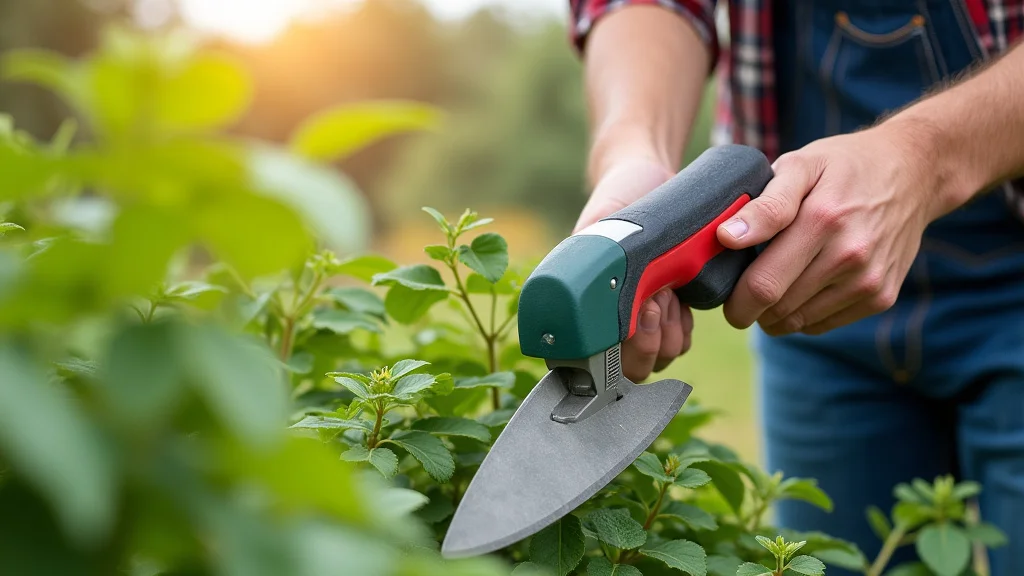
Remember that time you spent hours hunched over in your garden, only to wake up the next morning with a stiff back and aching knees? It’s a common experience for many gardeners. The right tools can make a huge difference. This post is all about ergonomic gardening tools. We’ll explore how these tools can reduce strain, improve your posture, and boost your overall gardening experience. You’ll gain valuable information to choose the perfect tools and learn how to use them correctly. You will discover the secrets of creating a healthier, more enjoyable gardening routine while minimizing physical discomfort, helping you save time and get back to what matters.
Key Takeaways
- Ergonomic tools are designed to reduce strain and prevent injuries while gardening.
- There’s a wide range of ergonomic tools available, each serving a specific purpose.
- Proper posture and technique are crucial for maximizing the benefits of ergonomic tools.
- Investing in the right tools can lead to a more comfortable and productive gardening experience.
- You can find ergonomic tools that suit a variety of budgets and gardening needs.
- Regular stretching and breaks are essential, even when using ergonomic tools.
The Benefits of Ergonomic Gardening Tools
Gardening, while a rewarding hobby, can often take a toll on your body. Bending, reaching, and repetitive motions can lead to back pain, joint stiffness, and even more serious injuries over time. Ergonomic gardening tools are designed with these challenges in mind. They focus on promoting better posture, reducing strain on muscles and joints, and making gardening tasks easier and more comfortable. By choosing the right tools, you can significantly reduce your risk of injury and extend your gardening season with ease. These tools are helpful for gardeners of all ages and abilities, regardless of how much time they spend working in the dirt.
Reducing Strain and Injury
One of the primary benefits of using ergonomic tools is their ability to reduce physical strain. Traditional gardening tools often require you to bend over, twist your body, and apply a lot of force, all of which can lead to discomfort and pain. Ergonomic tools address these issues by incorporating features that promote a more natural and comfortable posture. This design helps minimize the stress placed on your back, knees, and wrists. Using the right equipment can lead to a more enjoyable experience by helping you work longer and stay comfortable. With less pain and strain, you can focus on the joy of gardening.
-
Extended Handles: Tools with longer handles, like long-handled hoes or cultivators, allow you to work while standing upright. This is important because it reduces the need to bend over, easing pressure on your back and knees.
This design is particularly beneficial for those with back problems or mobility issues. The longer reach also allows you to work over a wider area without constantly moving. This can make weeding, cultivating, and other tasks less tiring and more efficient. Extended handles improve your posture, allowing you to use more muscles and minimize unnecessary strain.
-
Angled Tool Heads: Tools with angled heads, such as hoes and trowels, help you maintain a more natural wrist position. This reduces the strain on your wrists and prevents carpal tunnel syndrome and other repetitive strain injuries.
The angle allows you to apply force more efficiently, reducing the effort needed to complete tasks. Angled heads allow for more targeted work, making it easier to weed between plants and complete other delicate tasks. This also helps you maintain a good grip, reducing the chance of the tool slipping while you work.
-
Lightweight Materials: Tools made from lightweight materials, like aluminum or composite plastics, are easier to maneuver and handle. This reduces the physical burden of gardening, particularly when using tools for long periods.
They are particularly helpful for seniors and people with arthritis. Less weight means less effort, so you can garden for longer periods without tiring yourself out. Lighter tools also allow for a more precise movement, reducing the possibility of accidental injury or damage to your plants.
-
Cushioned Grips: Handles with cushioned or ergonomic grips provide a more comfortable and secure hold. This design helps reduce strain on your hands and prevent blisters.
The cushioning absorbs shock and minimizes pressure points, which can be particularly useful when you are using tools for extended periods. A good grip also allows for better control, preventing the tool from slipping. This improves safety and accuracy while working. For people with arthritis or limited hand strength, cushioned grips can make a significant difference in their ability to garden comfortably.
Improving Posture and Comfort
Good posture is essential for preventing pain and injury while gardening. Ergonomic tools are created with the goal of helping you maintain a more natural and comfortable posture. This involves minimizing bending, stooping, and twisting, all of which can strain your back and joints. By encouraging a straighter posture, these tools reduce pressure on your spine and help distribute your weight more evenly. This, in turn, can help avoid fatigue and make gardening a more enjoyable experience. Maintaining proper posture can also improve your overall health and well-being, both in and out of the garden.
-
Upright Handles: Tools like long-handled cultivators and weeders help you stand upright, reducing the need to bend over. This is a significant advantage for your back and prevents you from straining your muscles.
When you stand straight, your spine is in a more natural alignment. This reduces the stress on your lower back and reduces the risk of muscle strain. Upright handles also reduce the strain on your knees, making gardening more accessible for those with mobility issues. They help maintain good posture, reducing the chance of pain and discomfort.
-
Adjustable Handles: Some tools offer adjustable handles that can be customized to your height. This ensures that you can always maintain a comfortable and ergonomic position while working.
Adjustable handles help you find the right tool length. This will reduce unnecessary bending or reaching. The ability to customize the tool height to your body will help you maintain a straighter back, reducing strain and fatigue. Having adjustable handles makes it possible for multiple users of different heights to share the same tools.
-
Ergonomic Grips: Grips that are designed to fit the shape of your hand help you hold tools properly, preventing awkward wrist positions and strain. This will also help you to keep your hands and wrists in a more neutral position.
A good grip promotes proper form when using tools, reducing the likelihood of developing conditions like carpal tunnel syndrome. Ergonomic grips are crafted to provide a secure and comfortable hold, improving control and reducing the amount of effort needed. This, in turn, reduces hand fatigue.
-
Seating Options: Using garden stools or kneeling pads can help you avoid prolonged bending or squatting. This is an excellent way to reduce pressure on your knees and back.
These seating options provide support and help maintain good posture while you are working. They can also make it easier to reach plants or other tasks. Garden stools and kneeling pads are particularly beneficial for those who struggle with mobility or have existing back or knee problems. They allow you to garden for longer periods comfortably.
Types of Ergonomic Gardening Tools
A wide range of ergonomic gardening tools are created to make various gardening tasks more comfortable and efficient. From weeding and planting to pruning and harvesting, there are ergonomic options for almost every job. Understanding the different types of tools available is essential for choosing the best ones to meet your specific needs. Here’s a look at the various kinds of ergonomic tools.
Hand Tools
Hand tools are the workhorses of the garden, and ergonomic versions of these essential tools can greatly improve your gardening experience. These tools are designed to fit comfortably in your hand, reducing strain and improving control. Choosing the right hand tools can make weeding, planting, and other detailed tasks easier and more enjoyable. These tools are ideal for precision work and small gardens.
-
Trowels: Ergonomic trowels have comfortable, shaped handles and a blade that is often angled. This design reduces strain on your wrist while digging holes and transplanting plants.
The handles often have cushioned grips to absorb shock and prevent blisters. Angled blades make it easier to dig with the correct amount of force. This design is also more precise when you are working around plant roots. Ergonomic trowels can make planting and transplanting a much more comfortable task. For a gardener, this can make gardening more enjoyable.
-
Hand Rakes: Hand rakes with ergonomic handles help you clear debris and level soil without straining your back or arms. They often have cushioned grips.
These rakes are lightweight and easy to control. They often have angled tines to improve performance. The grips reduce hand fatigue. This helps you to create smooth soil surfaces and prepare beds for planting. Ergonomic hand rakes make tasks such as weeding and leveling soil more efficient and pleasant.
-
Hand Cultivators: These tools are used for loosening soil and removing weeds. Ergonomic hand cultivators have comfortable handles and tines designed to efficiently break up soil.
The ergonomic design reduces strain on the wrist. They are useful for creating a favorable environment for plant growth. Ergonomic cultivators help to make these tasks much more comfortable. They can help with both gardening and the health of the garden.
-
Weeders: Ergonomic weeders come in various designs, including those with long handles or specially shaped heads to make removing weeds easier and less painful.
They are particularly useful for removing weeds without stooping. They often incorporate levers or angles to make the job easier. Weeders can make the task of weed removal less strenuous. They allow you to maintain your garden effectively and stay comfortable.
Long-Handled Tools
Long-handled tools are essential for working in larger gardens or for those who want to avoid excessive bending. These tools have extended handles that allow you to stand upright while performing various gardening tasks, reducing strain on your back and knees. The extended reach can also increase efficiency and make it easier to work over a wider area. These tools are perfect for weeding, cultivating, and moving soil.
-
Hoes: Ergonomic hoes have long handles and angled blades that make weeding and cultivating soil easier and less tiring. Their design helps you maintain a more upright posture, and they often come with adjustable handles.
They are designed to cut through soil or weeds with minimal effort. Their angled blades help to make the task more efficient. Ergonomic hoes are good for both new and experienced gardeners who want to make gardening easier. These tools allow you to clear large areas with ease and comfort.
-
Rakes: Long-handled rakes allow you to collect leaves, level soil, and spread mulch without stooping. Ergonomic versions often have lightweight handles and comfortable grips.
They are designed for efficiency and ease of use. Their design helps prevent back strain. Long-handled rakes make quick work of these tasks, making gardening more manageable.
-
Cultivators: Long-handled cultivators are used to loosen soil and break up clumps, which is important for promoting healthy plant growth. Ergonomic cultivators often have adjustable handles and comfortable grips.
Their design reduces the need for bending. This is important when you are cultivating large areas. Ergonomic cultivators help you prepare soil quickly and comfortably. This will ensure your garden flourishes.
-
Shovels: Ergonomic shovels have a curved handle to reduce strain on your back when digging or moving soil. They can reduce the amount of strain on the body.
The curved handle allows you to maintain a more upright posture. This reduces the strain on your back and makes digging and moving soil easier. Ergonomic shovels reduce fatigue and make digging a more comfortable task.
Pruning Tools
Pruning is an important part of garden maintenance, and ergonomic pruning tools can make this task easier and more comfortable. These tools are designed to reduce strain on your hands, wrists, and arms while providing clean and efficient cuts. Whether you are trimming shrubs, deadheading flowers, or pruning fruit trees, the right pruning tools can make the job much more pleasant. These tools promote plant health and keep your garden looking its best.
-
Pruning Shears: Ergonomic pruning shears have comfortable handles and sharp blades. These reduce the effort needed to make clean cuts. They come in bypass and anvil styles, each designed for different types of cutting tasks.
Bypass shears provide a clean cut for live growth, while anvil shears are better for dead or dry branches. Comfortable handles reduce hand fatigue. They are designed to fit your hands, making trimming and deadheading easier. Ergonomic pruning shears help you maintain the health of your plants with less strain.
-
Loppers: Loppers are used for cutting thicker branches. Ergonomic loppers feature long handles that provide increased leverage, reducing the effort needed to cut through branches.
They are designed with angled blades and comfortable grips, which reduces the effort needed to make cuts. The long handles help you reach high or deep into shrubs. Ergonomic loppers make pruning large bushes and small trees easier. These tools make the pruning process more comfortable and more efficient.
-
Pruning Saws: Ergonomic pruning saws have curved blades and comfortable handles designed to make sawing branches easier. They are used for cutting branches that are too thick for loppers.
These saws are designed to reduce strain and fatigue. Their blades are shaped to provide a clean cut. Ergonomic pruning saws allow you to quickly and easily manage thicker branches. They are designed to get the job done quickly and easily.
-
Pole Saws/Pruners: Pole saws and pruners are equipped with long poles that allow you to reach high branches without using a ladder. Ergonomic versions feature lightweight poles and comfortable grips.
They also come with adjustable heads for precise cutting. These tools ensure that pruning difficult-to-reach branches is safe. Pole saws and pruners make pruning overhead branches easy. They offer an efficient and safe method of maintaining trees and tall shrubs.
Choosing the Right Ergonomic Tools
Choosing the right ergonomic gardening tools is an important step in setting up a comfortable and efficient gardening experience. You will discover many options to consider when selecting the perfect tools for your needs. This involves thinking about your specific gardening tasks, your physical abilities, and your budget. By taking the time to assess your requirements, you can find tools that will make gardening easier and more enjoyable for years to come.
Assessing Your Needs and Tasks
Before buying any new tools, it’s essential to understand your gardening tasks and how they impact your body. Think about the types of gardening activities you perform most often and the physical demands of those tasks. Recognizing these things will guide you in choosing tools that will meet your specific needs. This self-analysis is key to a comfortable and efficient gardening experience.
-
Identify Common Tasks: Make a list of your most frequent gardening tasks, such as weeding, planting, pruning, and harvesting. Each task involves a different type of movement and strain.
If you spend a lot of time weeding, you will benefit from ergonomic hand tools. If you do a lot of pruning, pruning shears and loppers would be helpful. Identify the tasks that cause you the most discomfort. Then select tools to address those specific issues.
-
Consider Your Physical Abilities: Think about your physical limitations, such as back pain, knee issues, or arthritis. This will help you select tools that are easy for you to handle.
Choose tools with lightweight designs and comfortable grips to reduce strain on your joints. Tools with long handles will help if you have a hard time bending over. If you have any mobility issues, consider options such as garden stools or kneeling pads.
-
Evaluate Your Garden’s Size and Layout: The size of your garden and the layout will influence the types of tools you need. Larger gardens may require long-handled tools for efficiency.
If you have raised beds, you may not need tools with long handles. For smaller spaces, hand tools may be the best choice. Make sure to consider the layout and your available storage space. Consider how much space you have available to work in when you are choosing your tools.
-
Prioritize Essential Tools: Start by focusing on the tools you will use the most. Purchasing the most essential tools first allows you to start gardening comfortably.
Prioritize tools based on the amount of time you spend using them and the amount of physical stress they cause. You can then add specialized tools over time as your gardening needs change. Choose the tools that will make the biggest difference in your comfort and efficiency.
Evaluating Tool Features
Many features of ergonomic gardening tools contribute to their comfort and effectiveness. Understanding these features can help you make an informed decision when buying tools. Look for features that support good posture, reduce strain, and improve grip. Examining these features carefully ensures that you choose tools that fit your needs and make gardening a more comfortable experience. These features will ultimately improve your comfort.
-
Handle Design: Pay attention to the shape, length, and material of the handles. Ergonomic handles are often curved or shaped to fit comfortably in your hand.
Look for handles made from non-slip materials. Cushioned grips reduce strain. Consider the length of the handle to ensure it is the right height for you. Handles are important for the effectiveness of the tool and the comfort of the user.
-
Weight and Balance: Choose tools made from lightweight materials, such as aluminum or composite plastics. Well-balanced tools are easier to control and reduce fatigue.
Lightweight tools are easier to maneuver, especially when you are working for extended periods. Good balance helps you maintain control. It also reduces the likelihood of strain. These are key for comfort and efficiency.
-
Grip and Control: Look for tools with comfortable grips, which help improve grip and reduce hand fatigue. Textured grips provide better control, especially when you are working in wet conditions.
Ergonomic grips are designed to fit the shape of your hand. They help you maintain a secure hold. Non-slip handles are also helpful. These features improve control and reduce the risk of injury. These features allow you to get the job done properly.
-
Material Quality: Choose tools made from high-quality materials that are durable and resistant to rust. Sturdy construction ensures that your tools will last for many years.
Look for tools with stainless steel blades. High-quality materials will ensure that your tools can handle tough gardening tasks and will also last for years. Quality tools provide a better return on your investment over time.
Trying Tools Before Purchasing
If possible, try out ergonomic gardening tools before buying them. This will allow you to evaluate their comfort and suitability for your needs. Visiting a garden center or hardware store provides an opportunity to test tools. This is the best way to determine which ones feel right for you. Your gardening experience depends on comfort and efficiency.
-
Visit a Garden Center: Many garden centers and hardware stores have a variety of ergonomic gardening tools on display. This gives you a chance to see and try out different options.
Take the time to examine different tools. Hold the tools to assess the feel and see if the handle fits your hand comfortably. Testing tools is key to finding the right tools for your specific needs.
-
Test the Grip and Balance: Pay attention to the grip and balance of each tool. The handle should fit comfortably in your hand, and the tool should feel well-balanced.
Ensure that the grip is secure and non-slip. Hold each tool in a position that you would use while gardening. Evaluate the weight of the tool and how easy it is to maneuver. Evaluate different tools to find the perfect fit.
-
Simulate Common Tasks: Simulate tasks such as weeding, digging, and pruning to see how the tools feel when you’re working. This helps you identify tools that reduce strain and promote good posture.
Use the tools as if you were working in your garden. This lets you determine whether the tools are comfortable and efficient. See if the tool allows you to perform common tasks without causing any discomfort. Testing tools in realistic situations is key to making the best choice.
-
Read Reviews and Ask for Recommendations: Read reviews online and ask for recommendations from experienced gardeners. This can help you learn about the pros and cons of different tools.
Reviews can offer insights into the durability, comfort, and performance of various tools. Asking for recommendations from other gardeners can help you find tools that are well-suited for your specific needs. Reviews and recommendations will help you narrow down your choices.
Maintaining and Using Ergonomic Gardening Tools
Proper care and usage are essential to get the most out of your ergonomic gardening tools. Regular maintenance will help to extend the life of your tools, while proper techniques will make your gardening tasks easier and more efficient. By following these guidelines, you can ensure that your tools remain in good condition and continue to provide the comfort and support you need to enjoy your gardening activities. Proper care will help you get the most from these tools.
Proper Use Techniques
Even the best tools won’t work well if you don’t know how to use them. Correct techniques will optimize the benefits of your ergonomic tools. Maintaining good posture and using efficient movements are key for avoiding strain and injury. Learning how to properly use your tools will maximize comfort and efficiency.
-
Maintain Good Posture: When using long-handled tools, keep your back straight and your core engaged. Avoid bending over or slouching.
Use tools that allow you to stand upright. This will reduce strain on your back and knees. This ensures you maintain a comfortable and efficient posture while gardening.
-
Use Proper Gripping Techniques: Hold tools firmly but not tightly. Use a relaxed grip to avoid straining your hands and wrists.
Use the entire hand to grip the handle. This helps distribute the pressure evenly and prevents blisters and fatigue. Proper gripping techniques will allow you to work more comfortably and efficiently.
-
Avoid Overreaching and Twisting: Position yourself close to your work to avoid overreaching. Face your body toward the task to avoid unnecessary twisting.
If you have to move, take a few steps to reposition yourself. Avoid twisting your body, which can strain your back. Taking a few precautions will help you to prevent injuries.
-
Pace Yourself: Don’t try to complete too much work at once. Take regular breaks to stretch and rest.
Alternate tasks to reduce repetitive strain. Listen to your body and don’t push yourself too hard. Pacing yourself will help you avoid injuries and enjoy the gardening experience.
Tool Maintenance and Storage
Proper maintenance of your ergonomic gardening tools will extend their life and ensure their efficient operation. Maintaining your tools can help them last for many seasons. Routine care and proper storage are necessary for all your tools. Keeping your tools in good shape will keep your garden in good shape too.
-
Cleaning Your Tools: After each use, clean your tools to remove dirt, soil, and plant debris. Use water and soap to clean the blades and handles.
Make sure to dry your tools thoroughly to prevent rust. Remove any dirt or plant matter that can damage the tools or introduce diseases to your garden. Cleaning your tools will help keep them in the best condition.
-
Sharpening Blades: Regularly sharpen the blades of pruning shears, loppers, and other cutting tools. This will ensure clean cuts and reduce the effort needed.
Use a file or sharpening stone to keep the blades sharp. Sharp blades make the work easier. They help prevent injury to both you and your plants. Sharpening will make your work safer.
-
Lubricating Moving Parts: Apply lubricant to the moving parts of your tools, such as the hinges of pruning shears and loppers. This will keep them working smoothly.
Lubricate tools at least once a season or more often, depending on use. Lubrication reduces friction and wear. It can extend the life of your tools. Lubricating moving parts ensures you have smooth work.
-
Proper Storage: Store your tools in a dry place. This protects them from rust and damage.
Hang tools to keep them off the ground. A shed or garage is an ideal storage space. Keep them away from moisture. When stored properly, your tools will always be ready.
Ergonomic Gardening: A Case Study
Here’s a look at how someone benefited from switching to ergonomic gardening tools. This will demonstrate how these tools can reduce strain. See how the right equipment can significantly improve the gardening experience.
Let’s consider the case of Sarah, a keen gardener in her early 60s who loved spending time in her backyard but was beginning to feel the effects of age and physical strain. For years, she had battled with a bad back and achy knees, which made her gardening hobby less enjoyable. After some time, she realized that she was spending less and less time gardening. She found that the amount of work was too physically demanding. She was ready to explore a different option.
Sarah decided to make a change. She researched ergonomic gardening tools. She started by replacing her traditional tools with long-handled hoes and cultivators. She switched to ergonomic hand trowels and a comfortable kneeling pad. This simple transition significantly changed her gardening routine. She found that the new tools helped her maintain a better posture. They reduced the need to bend over. She was now able to garden for longer periods. Sarah had discovered a new way of gardening.
Here are some of the results Sarah experienced:
-
Reduced Back Pain: The long-handled tools allowed Sarah to work while standing upright. This, in turn, significantly reduced the strain on her back, easing the pain and discomfort that had previously plagued her.
This improvement meant that she was now able to enjoy her gardening hobby. Before this change, she found that her back was too sore to spend time outdoors. This has made gardening an activity she can enjoy for many years to come.
-
Decreased Knee Strain: The kneeling pad offered her support while planting and weeding in her beds. This was key for reducing the pressure on her knees.
The pad provided her with the ability to maintain her posture while minimizing the strain on her knees. This made it easier and much more comfortable for her to perform her favorite tasks. She has discovered a new way to enjoy gardening.
-
Improved Endurance: The combination of ergonomic tools and better posture allowed Sarah to garden for longer periods without feeling fatigued. This gave her more time to fully enjoy her garden.
With less pain and discomfort, she found that she could work longer and focus on the joy of gardening. With her new routine, her gardening was now a source of pleasure and relaxation. It was no longer a chore.
-
Enhanced Enjoyment: Sarah found that her new ergonomic tools allowed her to focus on the pleasure of gardening, rather than the pain that it used to cause. She could now fully appreciate the beauty and the peace of her garden.
Sarah found that her enthusiasm for gardening was renewed. Her newfound ability to tend to her garden comfortably had a positive impact on her overall well-being. She now loves to spend her time outside again.
Sarah’s story illustrates the real-world benefits of using ergonomic tools. With the right tools and techniques, gardening can be a source of joy and satisfaction. By taking the right steps, you too can enjoy a more comfortable and productive gardening experience.
Frequently Asked Questions
Question: What is an ergonomic gardening tool?
Answer: An ergonomic gardening tool is designed to reduce strain and promote a more natural posture, minimizing stress on your body while gardening.
Question: What are the main benefits of using ergonomic tools?
Answer: The primary benefits include reduced strain on your back, knees, and wrists, improved posture, and a more comfortable and enjoyable gardening experience.
Question: What types of tools are available in ergonomic designs?
Answer: You can find ergonomic versions of most gardening tools, including hand tools like trowels and weeders, long-handled tools like hoes and cultivators, and pruning tools like shears and loppers.
Question: How do I choose the right ergonomic gardening tools for me?
Answer: Consider your specific gardening tasks, physical abilities, garden size, and the tool features, and always try out tools before purchasing them if possible.
Question: How can I maintain my ergonomic gardening tools?
Answer: Clean your tools after use, sharpen blades regularly, lubricate moving parts, and store them properly in a dry place.
Final Thoughts
Making the switch to ergonomic gardening tools is a great decision. Choosing the right tools can make a significant difference in how you experience the joy of gardening. They reduce strain on your body. The benefits include better posture and more comfort. You will be able to enjoy your gardening activities for a much longer time. The wide variety of tools ensures that you can find options to suit your specific needs, whether you are dealing with a bad back, wrist problems, or just a desire to make gardening easier. Remember to prioritize your comfort and well-being. Look for tools with comfortable handles, well-balanced designs, and high-quality materials. You will want to incorporate proper maintenance and using the right techniques. Gardening becomes a lot more comfortable. Take the time to assess your gardening tasks, consider your physical abilities, and try out tools before buying them. Explore the various ergonomic options available. You can create a gardening experience that is both fulfilling and enjoyable. Happy gardening, and remember to enjoy the process!