
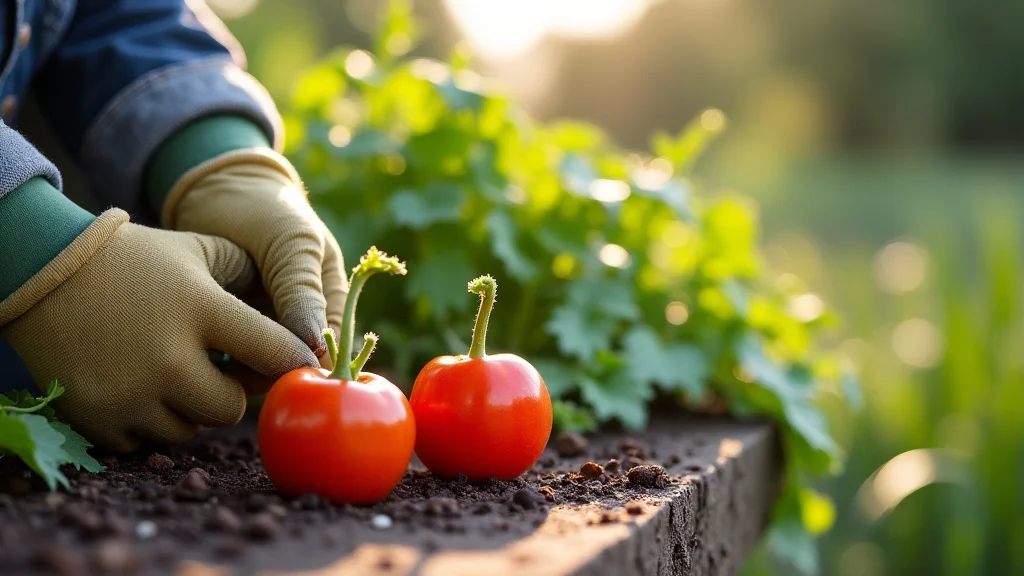
Remember those afternoons spent in my grandma’s garden, feeling the cool earth between my fingers? The simple joy of planting a seed and watching it grow was pure magic. It sparked a lifelong love of nature and growing things. Introducing gardening tools for children isn’t just about fun; it’s a gateway to learning about the natural world, responsibility, and the satisfaction of creating something beautiful. This post will guide you through the best gardening tools for children, helping you choose the right ones and inspire the next generation of gardeners. You’ll gain practical advice to cultivate their interest in gardening and create lasting memories. Learn how to foster a passion for plants and build a positive relationship with the earth.
Key Takeaways
- Discover the essential gardening tools suited for children’s use and safety.
- Learn about the developmental benefits of gardening for children of all ages.
- Understand the best materials and tool designs that suit little hands and durability.
- Find tips on making gardening engaging and educational for young ones.
- Get advice on choosing kid-friendly plants and planning your child’s garden space.
- Explore how gardening connects children to nature and promotes sustainability.
Choosing the Right Gardening Tools for Children
Selecting the correct gardening tools for children is the first step towards a positive and safe gardening experience. It’s about finding tools that are the right size, weight, and design for little hands, making the tasks easier and more enjoyable. Durability is also a significant factor; tools need to withstand the enthusiasm of young gardeners. Focusing on tools that are built to last reduces the need for replacements and teaches responsibility for their care. Furthermore, considering the materials used, like wood or sturdy plastic, is essential for safety and longevity. This initial choice sets the stage for a fulfilling gardening adventure.
Safety First: Tool Features to Prioritize
Safety should be at the forefront when choosing gardening tools for children. Blunt-tipped tools are essential to reduce the risk of injury. Opting for tools with rounded edges instead of sharp points will help prevent accidental cuts or scrapes. The handles should be easy to grip, avoiding slippery materials that can cause tools to slide out of their grasp. Lightweight tools are crucial, preventing fatigue and making it easier for children to handle them for longer periods. Parents should always supervise children when they are gardening. This supervision is not only to guide them but also to ensure they are using the tools correctly and safely.
- Rounded Edges: Tools with rounded edges and blunt tips significantly reduce the risk of cuts and punctures, making them much safer for young users.
- Lightweight Materials: The weight of the tools matters. Lighter tools are easier for children to maneuver and prevent them from becoming tired quickly.
- Ergonomic Handles: Look for handles that are comfortable to hold. Well-designed handles help children maintain a good grip, improving control and safety.
- Non-Slip Grips: Opt for tools with handles made of non-slip materials, like rubber or textured plastic. This provides a secure hold, even when wet.
- Age-Appropriate Sizes: Tools that are sized correctly for a child’s height and hand size ensure they can be used safely and efficiently, reducing the risk of strain.
Material Matters: Selecting Durable and Safe Tools
The materials from which the tools are made significantly impact their safety and longevity. Plastic tools can be a good choice for younger children because they are often lightweight and less likely to cause injuries. However, select tools made from durable plastics that can withstand regular use. Wooden handles are great for grip, but make sure they are smooth, without splinters. Metal tools, while durable, should be checked for rust or sharp edges and should be used under adult supervision. The longevity of the tools is a plus, and selecting tools built to last is a lesson in sustainability.
- Wooden Handles: Look for smooth, treated wood handles that are splinter-free. Wood offers a comfortable grip and is eco-friendly.
- Sturdy Plastic: Opt for tools made from thick, durable plastic. This helps the tools resist breakage and can handle rigorous use in the garden.
- Rust-Resistant Metal: If choosing metal tools, make sure they are rust-resistant. Stainless steel or coated metal tools are excellent.
- Non-Toxic Materials: Confirm that all materials are non-toxic, and safe, especially if children are likely to put the tools in their mouths or touch food-bearing plants.
- Easy to Clean: Tools that can be easily cleaned are essential for hygiene. Choose materials that can be wiped down or washed easily.
Essential Gardening Tools for Budding Gardeners
Equipping young gardeners with the essential tools will set them up for success and enhance their interest in gardening. These fundamental tools facilitate common tasks like planting, weeding, and watering, allowing children to engage fully in the gardening process. A basic set usually includes a trowel for digging, a hand rake for smoothing soil, a small watering can for tending to plants, and gardening gloves to protect their hands. These items help in the core activities of planting, tending, and harvesting. The right collection makes gardening activities accessible and rewarding for kids.
The Must-Haves: Trowels, Rakes, and More
A trowel is a small hand tool perfect for digging holes for planting seedlings and moving soil. A hand rake assists in smoothing the soil and removing small debris. A watering can, designed for little hands, helps children develop a sense of responsibility as they water their plants. Gardening gloves are not just for keeping hands clean but also offer a layer of protection from thorns and rough surfaces. These tools support the fundamental tasks of gardening and encourage hands-on engagement.
- Trowel: Ideal for digging small holes, planting seedlings, and moving soil, a trowel is a core gardening tool for children.
- Hand Rake: A hand rake is perfect for smoothing the soil, preparing planting beds, and removing small debris, enhancing the garden’s look.
- Watering Can: A small, lightweight watering can is essential. It provides an easy and enjoyable way for children to water plants responsibly.
- Gardening Gloves: Protecting little hands from dirt, thorns, and potential irritants, gardening gloves add to the comfort and enjoyment.
- Hand Fork: A hand fork helps break up compacted soil and is useful for weeding in small spaces.
Beyond the Basics: Expanding the Toolkit
As children become more involved in gardening, you can extend their toolkit. A small shovel can be added for moving larger amounts of soil and compost. A kneeling pad can make gardening more comfortable, as children are often working on their knees. A garden cart, either a wheelbarrow or a small wagon, can help transport tools, soil, and harvested produce. The goal is to provide tools that support the expanding scope of a child’s gardening activities. Expanding the toolkit allows children to take on more complex gardening projects.
- Small Shovel: Helpful for moving larger amounts of soil, compost, and other materials in the garden.
- Kneeling Pad: A kneeling pad reduces strain and makes gardening more comfortable, especially for younger children.
- Garden Cart: Either a small wheelbarrow or a garden wagon can help children move tools, soil, and their harvests around the garden.
- Measuring Tape: A measuring tape teaches children how to measure plants, garden beds, and spacing.
- Plant Markers: Plant markers are useful for identifying plants in the garden, and teaching the children about the different varieties.
Making Gardening Educational and Engaging for Kids
Transforming gardening into an enjoyable and educational experience is vital for sustaining children’s interest. Focusing on interactive activities, like planting colorful flowers or growing edible herbs, will make the experience more fun and interesting. Pairing gardening with educational resources, such as books and online content about plants and ecosystems, enriches the learning experience. The garden can be converted into an interactive classroom where children learn about biology, botany, and the environment. This kind of hands-on, educational approach will enhance their relationship with gardening and the natural world.
Fun Activities: Planting Projects and Learning Games
Fun gardening activities make learning about plants interactive and engaging. Planting projects, like growing colorful flowers or tasty herbs, can captivate children. Developing a mini-garden with various plant types, like sunflowers or tomatoes, can teach them about plant diversity. Gardening games can introduce learning concepts, for example, “Find the Leaf” can help them study shapes and plant identification. Such activities make gardening more interesting and boost children’s curiosity and interest in the natural world.
- Planting Sunflowers: Sunflowers grow quickly and are a good learning experience, as children get to watch them grow rapidly.
- Growing a Mini Pizza Garden: Create a small garden with tomatoes, basil, and oregano, teaching children about where their food comes from.
- Making Seed Bombs: Engaging and educational, seed bombs teach about seed dispersal and the importance of plants in the environment.
- Plant a Sensory Garden: Let children explore the textures, smells, and colors of different plants.
- Create a Bug Hotel: Build a habitat for beneficial insects, teaching them about the interconnectedness of life in a garden.
Educational Resources: Books, Websites, and More
Complementing gardening activities with educational resources boosts the learning experience. Books on gardening, plant identification, and the ecosystem help expand knowledge. The Internet, through websites, and educational videos, offers a wealth of information. Educational resources can include guided tours through local gardens and nurseries. Pairing these resources with hands-on activities helps kids to grasp the concepts taught in the books and videos. This integrated approach ensures that children view gardening as enjoyable and educationally valuable.
- Children’s Gardening Books: Books designed for children introduce the basics of gardening, plant identification, and the importance of nature.
- Educational Websites and Videos: Websites and videos offer many educational tools, introducing gardening to children through stories and visual aids.
- Plant Identification Guides: These books help children learn about different plants, understand how to identify them, and discover their roles in the ecosystem.
- Visit Local Gardens and Nurseries: Taking kids to local gardens and nurseries gives hands-on experience and a deeper appreciation of the gardening process.
- Nature Journals: Children can use journals to document their gardening efforts, sketch plants, record observations, and learn about the growth of their plants.
Planning a Kid-Friendly Garden Space
Setting up a kid-friendly garden space is key to creating a nurturing and accessible gardening environment. It involves choosing a location that is easily accessible and safe. The size of the garden should be appropriate for the child’s age and abilities, starting small to prevent overwhelm. Planting a mix of plants that are easy to manage and have high-yield returns will bring satisfaction. Moreover, designing the garden to be visually appealing and interactive, like including paths and seating areas, improves the overall experience, inspiring children to enjoy and appreciate the time spent.
Choosing a Suitable Location: Accessibility and Safety
Selecting the right location is key to a kid-friendly garden. A place that’s easily accessible from the house will encourage regular visits. Ensure the site is safe, away from hazards like heavy traffic and sharp objects. Adequate sunlight is key for plant growth, so look for a sunny spot. Ensure the garden area is safe for children, with soft ground and protected areas to prevent falls. Considering these elements makes the gardening space both accessible and a safe environment for kids to learn and play.
- Proximity to the House: A garden near the house ensures easy access and promotes regular visits, making it simpler for kids to monitor and care for their plants.
- Safe Environment: Choose a location away from hazards like busy streets or potentially dangerous objects to ensure child safety.
- Sunlight: Adequate sunlight is crucial for plant growth, so select a location that gets enough sunshine throughout the day.
- Well-Drained Soil: Well-draining soil prevents waterlogged roots, promoting plant health and easing maintenance.
- Accessible Water Source: Having an accessible water source, like a tap, makes watering plants easier and encourages frequent gardening.
Plant Selection: Easy-to-Grow and Appealing Choices
Picking plants that are easy to grow and visually appealing increases the satisfaction and learning that comes from gardening. Fast-growing plants, such as radishes and beans, deliver prompt rewards for children, helping them see the fruits of their efforts quickly. Plants that exhibit vivid colors, varied textures, and distinctive smells, like sunflowers or herbs, provide sensory stimulation. Planting a mix of these elements encourages children to learn about nature, fostering a love of gardening and the environment.
- Fast-Growing Vegetables: Radishes, beans, and lettuce grow quickly, giving kids a quick sense of achievement and boosting their interest in gardening.
- Colorful Flowers: Sunflowers, marigolds, and zinnias offer beautiful colors and are easy to maintain, boosting the garden’s visual interest.
- Edible Herbs: Herbs like basil, mint, and chives have distinctive smells and tastes, providing sensory experiences and culinary lessons.
- Small Fruits: Strawberries and cherry tomatoes provide fun rewards. They also give kids a chance to enjoy the results of their gardening efforts.
- Plants with Unique Textures: Include plants like lamb’s ear or fuzzy basil, adding variety to the touch experience.
Gardening and Sustainability: Connecting Kids to Nature
Gardening provides a direct link to the environment. It teaches children about ecosystems, food production, and the importance of respecting nature. Sustainable gardening practices, like composting and water conservation, educate kids about their role in environmental stewardship. The hands-on experience and direct connection to the natural world fosters a feeling of responsibility and respect for nature. This understanding makes them advocates for a more sustainable future.
Sustainable Practices: Composting, Water Conservation, and More
Incorporating sustainable practices into children’s gardening creates a deep sense of environmental stewardship. Composting, where children can convert kitchen scraps and yard waste into nutrient-rich soil, teaches kids about recycling and waste reduction. Encouraging water conservation, such as using rainwater collection or efficient watering methods, promotes a deep respect for natural resources. These efforts allow children to recognize their roles in building a healthier environment.
- Composting: Teach children about recycling kitchen scraps and yard waste to create nutrient-rich soil.
- Water Conservation: Utilize rainwater collection systems or other water-saving irrigation methods.
- Reduce Waste: Encourage kids to recycle garden materials and reduce the use of plastic pots or excessive packaging.
- Attract Pollinators: Plant flowers that attract bees and butterflies, demonstrating the value of biodiversity and pollination.
- Create a Wildlife Habitat: Develop habitats for beneficial insects and wildlife, teaching children about the ecosystem’s interconnectedness.
Benefits of Gardening for Child Development
Gardening provides many benefits for children’s growth. It improves their physical and mental health. Gardening promotes a healthy lifestyle, helping children to be active outdoors and gain hands-on skills. It promotes sensory experiences as they touch different plants, smell flowers, and observe colors. Gardening enhances their cognitive development, helping children to learn about science, nature, and the environment. Moreover, it encourages social and emotional development, as children work together to achieve common goals, growing a love of nature.
- Physical Health: Gardening boosts physical activity by promoting outdoor play and hands-on activities.
- Sensory Experiences: Children encounter a wide range of sensory experiences with different plants, smells, textures, and colors.
- Cognitive Development: Gardening fosters an understanding of science, nature, and the environment, boosting knowledge of plants and ecosystems.
- Social and Emotional Learning: Gardening teaches teamwork and patience. Children also learn about responsibility and care for the environment.
- Nutritional Awareness: Growing fruits and vegetables helps children understand where their food comes from and why it is healthy.
According to a study from the American Horticultural Society, children who participate in gardening activities tend to eat more fruits and vegetables than those who do not (American Horticultural Society, 2018). Another study published in the Journal of Environmental Psychology discovered that exposure to green spaces such as gardens can reduce stress levels and improve mental well-being in children (Wells, 2000).
| Tool | Benefits |
|---|---|
| Trowel | Digging holes, planting seedlings, and moving soil. |
| Hand Rake | Smoothing the soil, preparing beds, and removing debris. |
| Watering Can | Encourages responsibility. |
| Gardening Gloves | Protect hands from dirt, thorns, and other irritants. |
Frequently Asked Questions
Question: What is the best age to start gardening with kids?
Answer: Children of all ages can enjoy gardening. Even toddlers can participate with simple tasks like watering plants under supervision. The best time to start is whenever the child shows interest.
Question: How can I keep gardening activities fun for children?
Answer: Keep it playful! Use colorful tools, plant easy-to-grow items, and design projects that provide quick results. Involve them in every step and make it an interactive experience.
Question: What if my child loses interest in gardening?
Answer: Don’t pressure them. Try different approaches, like varying activities or working together. Make it flexible and enjoyable, and let them lead the way.
Question: How do I handle pests and diseases in a kid-friendly garden?
Answer: Use natural pest control methods, like introducing beneficial insects. Teach children about the importance of good garden hygiene. Choose disease-resistant plants.
Question: Can gardening help with my child’s learning?
Answer: Yes, absolutely! Gardening enhances their knowledge of science, nature, and the environment. It teaches patience, responsibility, and connects them with the natural world.
Final Thoughts
Starting children on their gardening journey is a rewarding experience for both parents and kids. It provides valuable lessons in responsibility, patience, and the wonders of nature. Selecting the right gardening tools for children, emphasizing safety and appropriate sizes, ensures a positive and enjoyable experience. Incorporating educational activities and selecting kid-friendly plants fuels their interest. Remember to make the garden an engaging space, where children can explore, learn, and appreciate the natural world. By nurturing their green thumbs today, you’re helping create a lifelong appreciation for the environment and an understanding of the joys of cultivation. Encourage them to experiment, explore, and most of all, have fun!