
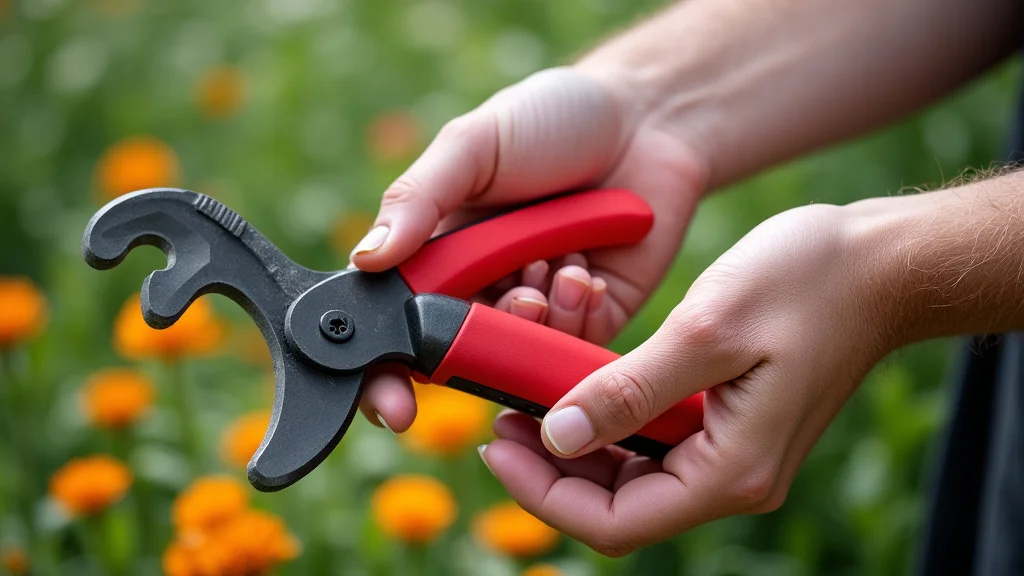
The gentle sun on your face, the scent of damp earth, the satisfaction of nurturing a growing plant – gardening is a joy. But for those with arthritis, the simple act of digging in the soil or pruning a rose bush can quickly become a painful struggle. I remember when my grandmother, a lifelong gardener, had to give up her beloved rose garden due to arthritis. The thought of losing such a fulfilling hobby broke her heart. This post explores how the right gardening tools for arthritis can transform a challenging activity into an enjoyable experience. You’ll learn how to choose tools that fit your needs, reducing strain and allowing you to continue enjoying the therapeutic benefits of gardening. We’ll explore tool features, design aspects, and practical advice to make gardening more accessible and less painful. By the end, you’ll feel empowered to rediscover the joy of gardening, even with arthritis.
Key Takeaways
- Discover the best gardening tools designed to ease pain and reduce strain caused by arthritis.
- Learn about ergonomic designs, including extended handles and cushioned grips, that enhance comfort.
- Understand how to select lightweight tools and tools with features that reduce the need for excessive gripping.
- Find out how to adapt gardening practices to minimize stress on joints.
- Explore resources for finding the right gardening tools for arthritis to fit your individual needs.
- Gain confidence and the know-how to make gardening a sustainable activity despite your arthritis.
Choosing the Right Gardening Tools for Arthritis
Selecting appropriate gardening tools is essential for making the activity accessible and comfortable for individuals with arthritis. The right tools can significantly reduce strain on joints, prevent further discomfort, and allow gardeners to continue enjoying their passion. This involves considering tool design, weight, and features that support ease of use. This section will explore the key factors in choosing tools that promote comfort and minimize physical stress, ensuring a positive and sustainable gardening experience. We’ll delve into the specific features that make tools arthritis-friendly, focusing on practicality and ease of use to ensure you can continue to enjoy your garden.
Ergonomic Designs for Enhanced Comfort
Ergonomic designs are at the heart of tools designed for individuals with arthritis. These designs focus on promoting natural hand and wrist positions, reducing the strain on joints. Traditional gardening tools often require a tight grip and repetitive motions that can exacerbate arthritis symptoms. Ergonomic tools address these issues by incorporating features like angled handles, cushioned grips, and larger grips, all of which reduce the effort needed to grasp and use the tools. By understanding the principles behind ergonomic tool design, gardeners can select tools that are comfortable and supportive.
- Angled Handles: Angled handles position the wrist at a more natural angle, reducing the need to bend or twist the wrist. This feature helps to prevent strain on the wrist and forearm, making tasks less painful.
- Cushioned Grips: Cushioned grips provide a softer surface for holding the tool, distributing pressure more evenly across the hand. This feature reduces the strain on the joints and prevents the formation of blisters or calluses.
- Larger Grips: Tools with larger grips make it easier to hold onto tools without needing to clench your hand. These grips distribute the force more broadly and are especially beneficial for people who have reduced hand strength.
Angled handles are a significant improvement over straight handles, which can force the wrist into an unnatural position. This unnatural position can be extremely uncomfortable for someone with arthritis. These handles can be found on trowels, cultivators, and other hand tools. Look for handles that are angled at approximately 45 degrees, which often provide the best balance between ease of use and reduced strain. This design allows for more efficient work with less effort and pain, making gardening a more pleasant experience.
The cushioning absorbs some of the impact and provides a better grip, preventing the tool from slipping. Cushioned grips are typically made from soft materials like rubber or gel, which conform to the shape of the hand. The added comfort and improved grip can make a significant difference in how the tool feels. When selecting tools, look for grips that feel soft and supportive without being overly bulky. A well-designed grip will allow you to garden for longer periods without feeling hand fatigue.
The design also reduces the pressure points on the hand. Larger grips often have a textured surface to improve grip, even when wet or muddy. This reduces the need for the user to grasp the tool tightly, which can aggravate arthritis. It also reduces the need for constant gripping, making tasks easier to handle. Ensure the grips are comfortable and easy to hold. The ideal size will depend on hand size and strength. Testing tools in a store is a smart way to ensure they are the correct size and comfortable to use.
Lightweight Tools and Materials
The weight of gardening tools can greatly impact the comfort and ease of use for those with arthritis. Heavy tools can cause fatigue, making gardening sessions shorter and more tiring. Using tools made from lightweight materials helps in this situation, reducing the load on joints and muscles. Choosing tools made from lightweight materials, like aluminum or composite materials, reduces the overall effort and makes it easier to work for extended periods. This section will explore the benefits of lightweight tools, providing valuable tips for selecting tools that are easy to maneuver and cause less strain. These considerations are vital to a comfortable and fulfilling gardening experience.
- Aluminum Tools: Aluminum is a lighter alternative to steel, making tools easier to lift and maneuver.
- Composite Materials: Composite materials, like fiberglass or plastic, can also be very lightweight and are often used for handles and tool components.
- Tool Weight Comparison: Consider how tool weight impacts your gardening tasks. A lighter tool reduces fatigue and allows for longer gardening periods.
Aluminum tools are less likely to cause fatigue, which makes tasks easier to handle. Because aluminum is strong and corrosion-resistant, it ensures the tools are durable. Consider aluminum tools for shovels, hoes, and rakes. These tools can reduce the strain on the back and shoulders while gardening. Aluminum is often combined with other materials for added comfort and functionality. This makes gardening a much more comfortable experience.
These materials offer a good balance of durability and weight, which makes them a suitable choice for gardening tools. Composite tools can be designed in ergonomic shapes to improve comfort and reduce strain. Composite tools often have features like non-slip grips. This combination of features can greatly enhance the overall gardening experience. Because composite materials are non-corrosive, the tools are easy to maintain, and the overall weight reduction makes gardening less strenuous. They are an accessible option for those with arthritis.
The difference in weight between a steel shovel and an aluminum shovel can be significant. The lighter aluminum shovel is easier to lift, especially when dealing with soil, gravel, or other garden materials. Tools made from composite materials also contribute to this weight reduction. When selecting gardening tools, consider how their weight will affect your overall comfort and energy levels. The goal is to choose tools that reduce strain and make gardening a more sustainable and enjoyable activity.
Features That Reduce Gripping Effort
Features that reduce gripping effort are critical for gardeners with arthritis, as gripping can be very painful. These tools are designed to minimize the amount of force needed to hold and operate them. This section will explore the innovative features that alleviate strain and enhance comfort, making gardening more accessible. These designs not only reduce pain but also allow gardeners to enjoy their passion for a longer time. Understanding these features can significantly enhance the gardening experience, making it easier and more rewarding.
- Ratchet Mechanisms: Ratchet mechanisms in pruning shears and loppers reduce the effort needed to cut through branches.
- Leverage-Assisted Tools: Some tools incorporate leverage to amplify force, making tasks easier.
- Tools with Foot-Operated Options: Some gardening tools offer foot-operated features.
These mechanisms work by allowing the user to make cuts in stages, reducing the force required per cut. This design makes it easier to manage branches and stems of various sizes, decreasing the strain on hand and wrist joints. A ratchet mechanism will also reduce the need for constant squeezing, making these tools ideal for those with arthritis or limited hand strength. The ease of use also makes pruning tasks less tiring.
This includes tools such as shovels and hoes, where the design increases the mechanical advantage. These tools are more efficient and allow gardeners to complete tasks with reduced effort. Leverage-assisted tools are especially helpful for digging and other activities requiring significant force. This design enables gardeners to work for longer periods without getting tired, making gardening more comfortable and sustainable.
Foot-operated tools can be useful for activities like watering or weeding, eliminating the need for constant gripping or bending. These tools reduce strain by shifting the physical requirements from the hands to the feet. Foot-operated options offer a valuable option for gardeners with arthritis. These features allow you to garden independently and comfortably, significantly improving the overall experience.
Adapting Gardening Practices for Arthritis
Beyond choosing the right tools, adapting gardening practices plays a crucial role in managing arthritis and promoting a comfortable gardening experience. Implementing these adaptations can reduce the strain on your joints. This section covers various strategies and considerations for adapting your gardening practices. These adaptations enable gardeners to continue pursuing their passion. We will explore ways to adjust tasks, arrange the garden space, and utilize aids to make gardening a sustainable and enjoyable activity. Adapting gardening practices can significantly improve your comfort.
Modifying Gardening Tasks
Adjusting how you approach gardening tasks is important for managing arthritis. Modifying the way you perform activities can help reduce strain on your joints. This section provides effective strategies for adapting your tasks. This section provides tips to adjust your tasks to lessen pain and fatigue. This way, gardening can remain a fulfilling hobby.
- Shorter Gardening Sessions: Gardening in shorter bursts and taking frequent breaks can prevent fatigue and reduce the risk of overexertion.
- Sitting or Kneeling: Use a garden seat or kneeler to provide support and reduce strain when working on the ground.
- Changing Positions: Alternate between different gardening positions, such as standing, sitting, or kneeling, to prevent strain on specific areas.
Pace your activities by setting timers or working for specific periods. Taking breaks every 15-20 minutes, even if it is just to stretch or rest, can make a significant difference. Schedule activities so that you do not work on high-impact tasks. This practice can make the activity more manageable, helping to maintain energy levels and reduce discomfort. Adjust the gardening schedule to your body’s needs.
A garden seat reduces the need to bend and sit on the ground, minimizing the stress on your back and knees. This position reduces the stress on the hips and knees. Kneelers also provide a cushioned surface for your knees. These tools make activities like weeding, planting, and harvesting much more comfortable. These simple adaptations can make a considerable difference in reducing joint pain and fatigue.
Rotating positions helps prevent overuse of any single joint or muscle group. This strategy helps to minimize the stress on your body and increases comfort. For instance, you could start by standing for a while. Then move on to sitting or kneeling. This technique spreads out the physical exertion. It keeps you from becoming fatigued. This rotation also lets you manage your pain levels. Consider including regular stretching and warm-up exercises.
Garden Layout and Design
The layout and design of your garden can be adapted to support the needs of gardeners with arthritis. Careful garden design can minimize the strain and make gardening more accessible and enjoyable. This section focuses on effective strategies. These strategies incorporate raised beds, accessible pathways, and strategic arrangements. This way, the layout makes gardening easier and more sustainable for people who have arthritis. The design of your garden space is important.
- Raised Garden Beds: Raised garden beds eliminate the need to bend, making gardening much easier on your back and knees.
- Accessible Pathways: Wide and level pathways are essential for safe movement around the garden.
- Strategic Plant Placement: Group plants with similar care needs and place frequently used plants in accessible locations.
This design also improves accessibility for those using mobility aids. The height of the raised beds can be adjusted to a comfortable level. This way, the soil is much easier to reach and work with. Raised beds also provide better soil drainage and control over soil quality. They contribute to a more efficient and comfortable gardening experience. Consider the width of the beds, so you can easily reach the center from the sides.
Pathways should be wide enough to accommodate wheelchairs, walkers, or other mobility aids. Pathways made with materials like gravel or paving stones provide stable, easy-to-navigate routes. Consider designing the pathways to have a slight slope for drainage. This strategy prevents standing water. Clear pathways also minimize the need for bending and stretching. This makes it easier to move between garden areas.
Place the plants you tend most often in easily accessible areas. Grouping plants with similar needs makes watering, fertilizing, and weeding more efficient. This reduces the time and effort spent tending to your plants. This arrangement also prevents unnecessary bending, reaching, or twisting. This design helps minimize stress on your joints. Proper plant placement can greatly enhance your gardening experience, reducing the strain on your body.
Using Assistive Devices and Aids
Assistive devices and aids are designed to help make gardening easier. Using tools and accessories can make gardening tasks less demanding. This section explains various assistive devices. They include carts, gloves, and other items that help in the garden. By including these devices, individuals with arthritis can continue gardening comfortably and enjoyably. Assistive devices can significantly improve your gardening.
- Garden Carts and Wheelbarrows: Use garden carts or wheelbarrows to transport heavy items.
- Supportive Gloves: Wear gardening gloves with added support or padding to protect your hands.
- Watering Systems: Install a drip irrigation system or use a watering wand to avoid repeatedly lifting watering cans.
Garden carts and wheelbarrows help reduce the strain of carrying heavy items. These devices are useful for moving soil, plants, and tools. Carts with large wheels are easier to maneuver, especially on uneven ground. Consider a model with ergonomic handles for comfort. A well-chosen cart or wheelbarrow can make a large difference in how you approach your gardening tasks. It reduces the need for heavy lifting, which benefits those with arthritis.
Gloves can reduce the impact on your hands. Gloves can also provide added grip and warmth. Look for gloves with reinforced palms and fingers. The proper gloves reduce strain and reduce the risk of injury. Some gloves have compression features to help alleviate pain. Gloves offer many benefits, from protecting your hands from cuts and scrapes to reducing the stress on your joints. Gloves help improve your gardening experience.
Drip irrigation systems are an excellent way to water your plants. This system delivers water directly to the plant roots. This minimizes the need for watering cans. Watering wands with ergonomic handles and adjustable spray patterns are also beneficial. These can minimize bending and twisting. These solutions offer a way to water plants. It also reduces the need to carry heavy watering cans. These devices make gardening much more accessible for people with arthritis.
Finding the Right Gardening Tools for Arthritis
Finding the right gardening tools for arthritis requires a process of research and exploration to identify the tools best suited to your needs. Because different tools offer specific advantages, taking the time to understand the options and how they fit can lead to a more comfortable and fulfilling gardening experience. This section offers recommendations on where to seek recommendations. It also discusses testing tools and finding options for adapting existing tools. This way, gardening remains a joy for those with arthritis.
Research and Recommendations
Researching and seeking recommendations are important steps in finding the right gardening tools for your needs. Exploring various resources will help you to gather information. This information provides insight into product reviews. This helps you to understand the experiences of other gardeners. This way, you can make an educated choice. This section provides valuable resources and strategies for finding tools.
- Online Reviews: Read online reviews from other gardeners with arthritis to see what tools they recommend.
- Consult with a Therapist: Consult with an occupational or physical therapist.
- Gardening Organizations and Clubs: Seek advice from gardening organizations and local clubs.
Reading online reviews gives you insight into the practical experience of other gardeners. Look for reviews that mention the specific features that help with arthritis, like ergonomic designs or lightweight materials. Online gardening forums and social media groups are great places to find recommendations. Take note of the brands and models that are repeatedly praised, and read the reviews. Reviews give you a good idea of what gardening tools work and how well they perform.
These professionals can assess your needs and make recommendations based on your particular type of arthritis and the severity of symptoms. Therapists often have experience with assistive devices. Therapists can also give you personalized advice. They can help you to select tools that are designed to meet your specific needs. Their insights can be extremely valuable in finding solutions. Therapists also focus on safety and ergonomics.
Gardening organizations and clubs can give valuable insights. They will have access to information about new tools. They may also conduct workshops. These organizations and clubs can provide valuable information about tools and gardening techniques. These resources can give you information about how to garden comfortably. They can provide advice. They can provide opportunities to test different tools. This will allow you to make better choices.
Testing Tools Before Purchase
Testing gardening tools before purchasing them is important. This practice ensures that the tools meet your comfort and usability standards. This section provides tips on how to effectively test tools. This will help you identify the tools best suited for your needs. It can prevent purchasing tools that may not be a good fit. Testing the tools gives you confidence in your purchasing decisions.
- Visit Local Garden Centers: Visit garden centers to handle and try out different tools.
- Borrow or Rent Tools: Borrow or rent tools to try them out in your garden.
- Consider Return Policies: Check the store’s return policies before purchasing tools.
Local garden centers often have a wide selection of tools. This gives you the chance to test them in person. Handle the tools, simulate various gardening actions, and assess how they feel in your hands. Check the comfort of the grips and the overall balance of the tool. This direct experience helps you determine if the tool fits your needs. Take advantage of staff support. Use a local garden center. This will help you make a suitable purchase.
You can try tools in your gardening environment. You can determine if the tools match your needs. This allows you to assess their performance during actual gardening tasks. Renting or borrowing tools also helps you to avoid the cost of purchasing tools. This allows you to evaluate various models before making a commitment. It is also great for getting feedback before investing in tools.
Check a company’s return policies before purchasing. This is very important. You want to make sure you can return the tool if it does not fit your needs. Knowing the return policy provides peace of mind. You can buy the tools and test them in your garden. If the tools do not work, you can get a refund. Understanding the return policies protects your investment. This also gives you flexibility when choosing your gardening tools.
Adapting Existing Tools
Adapting your existing tools can be a cost-effective way to make your gardening tools easier to use. Many simple modifications can reduce the strain on your joints. This section covers strategies. These strategies give you a comfortable and accessible gardening experience. These modifications can extend the life of your existing tools. They can also help make gardening more enjoyable.
- Adding Grips: Add foam or rubber grips to handles to provide a more comfortable grip.
- Extending Handles: Extend the handles of tools with long handles to reduce bending.
- Using Tool Accessories: Use tool accessories to increase comfort and ease of use.
Adding grips improves the feel of your tools. Foam grips are soft and provide a cushioned feel. Rubber grips offer a better grip. These grips are easy to apply and increase comfort. This adaptation can make a significant difference in how the tool feels. The addition of grips makes tools easier to handle. It also makes your gardening tasks more enjoyable.
Extending the handles is a great way to improve comfort. Long handles make it easier to reach without bending. They can be attached to existing tools. These extensions can be made from materials like wood or metal tubing. They are easy to install. Consider professional help to ensure the extensions are secure. This modification can minimize strain on your back and knees. This addition will make gardening much more accessible.
There are many accessories that can enhance your gardening experience. You can use add-ons. You can use wrist supports. You can use padded kneeling pads. These accessories offer extra support and comfort. They help make gardening easier on your joints. These accessories enhance comfort. They also improve your overall gardening experience.
Frequently Asked Questions
Question: What are the main features to look for in gardening tools for arthritis?
Answer: Look for ergonomic designs, such as angled handles and cushioned grips, lightweight materials like aluminum or composite, and features that reduce the need for excessive gripping, such as ratchet mechanisms.
Question: Are there any specific types of tools that are particularly beneficial for gardeners with arthritis?
Answer: Yes, tools like pruning shears with ratchet mechanisms, lightweight trowels, and ergonomic hand cultivators are very helpful. Also consider long-handled tools to reduce bending.
Question: How can I adjust my gardening techniques to reduce strain on my joints?
Answer: Take frequent breaks, alternate between sitting, kneeling, and standing, and modify tasks to avoid repetitive motions. Also, consider the use of supportive gloves and garden seats.
Question: What are the best ways to arrange my garden to minimize physical strain?
Answer: Consider raised garden beds, accessible pathways, and strategic plant placement to reduce bending and reaching. Grouping plants with similar care needs is also helpful.
Question: Where can I find recommendations for arthritis-friendly gardening tools?
Answer: Read online reviews, consult with an occupational or physical therapist, and seek advice from gardening organizations and local clubs. Also, visit garden centers and test the tools before purchase.
Final Thoughts
Enjoying the pleasures of gardening, even with arthritis, is possible. Choosing the correct gardening tools for arthritis makes the difference. Ergonomic designs, lightweight materials, and features that reduce gripping effort are key elements when selecting tools that reduce strain. Remember to modify your gardening methods. Make your garden more accessible. Adapt your existing tools and research carefully. By taking these steps, you can create a gardening experience that supports your physical well-being. Rediscover the joy of nurturing plants and watching your garden flourish. With a bit of planning and the right tools, arthritis no longer needs to keep you from enjoying your gardening hobby.