
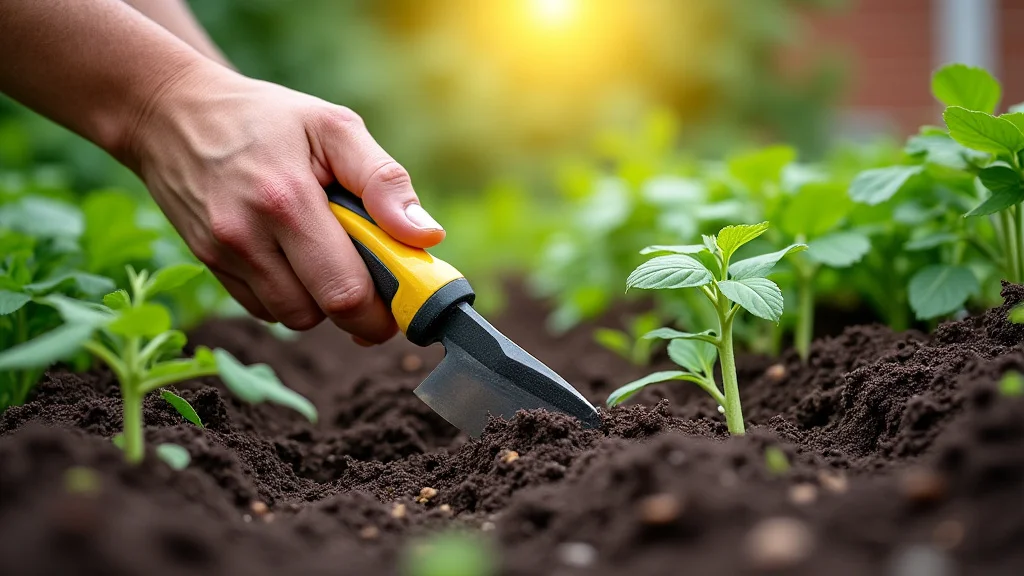
My neighbor, Sarah, always had the most amazing roses. I’d peek over the fence, admiring her perfectly pruned bushes and vibrant blooms. I finally asked her secret, expecting a complicated formula. Instead, she pointed to her tools: a sturdy pair of clippers, a comfortable trowel, and a well-kept watering can. It was the best gardening tools that made all the difference! This article is your guide to choosing the right equipment, making your gardening experience enjoyable and successful. You’ll learn which tools are essential, what features to look for, and how to maintain them, so you can transform your backyard into your own personal paradise. Get ready to discover everything you need to know about the best gardening tools!
Key Takeaways
- Discover essential tools for various gardening tasks, from planting to pruning.
- Learn about different materials and their impact on tool durability and performance.
- Find out how to choose tools that fit your physical needs and gardening style.
- Get tips on maintaining and storing your tools to extend their lifespan.
- Explore specialized tools that can simplify specific gardening projects.
- Understand the benefits of ergonomic designs for comfortable gardening.
Choosing the Right Tools for Your Garden
The first step toward a flourishing garden is selecting the proper tools. Selecting the best gardening tools will change everything. It’s more than just grabbing whatever’s available at the store. The right tools make gardening easier, more enjoyable, and more efficient. They also reduce strain on your body and improve the quality of your work. This section will cover the basics, from hand tools for delicate tasks to larger equipment for tackling bigger jobs. We’ll explore various tool types, focusing on materials, and the ergonomic features that will help you enjoy spending time in your garden.
Essential Hand Tools
Hand tools are the foundation of any gardener’s toolkit. They provide the precision needed for planting, weeding, and delicate tasks. They are your direct connection to the soil and plants. These small yet significant instruments help create a nurturing environment. They allow you to feel the earth and work in detail. Choosing quality hand tools will quickly improve your experience. These are the workhorses of the garden, so look for quality and comfort.
- Trowel: A small, handheld shovel perfect for planting, transplanting, and digging small holes.
- Hand Rake: Used for leveling soil, removing debris, and preparing seedbeds.
- Hand Fork: Ideal for loosening soil, weeding, and mixing in compost.
- Weeder: Used for removing weeds by the root.
A trowel is a gardener’s best friend for various tasks. It’s perfect for planting seedlings, scooping out soil for bulbs, and transplanting small plants. Look for a trowel with a sturdy blade made of stainless steel or carbon steel, as these materials resist rust and corrosion. A comfortable handle is essential; a rubberized grip will prevent slipping, especially when your hands are wet or sweaty. The blade shape is also worth noting; a narrow, pointed trowel is excellent for digging in tight spaces, while a wider trowel works well for general planting and transplanting. Consider the size of the trowel blade. A smaller blade is good for small pots. A larger blade can help with larger containers or garden beds.
A hand rake, with its small size, is a versatile tool for gardeners. It’s perfect for a variety of tasks, including smoothing out soil before planting seeds, removing small debris like leaves and twigs, and breaking up clumps of soil to create a fine, seed-ready surface. Choose a rake with tines made of strong metal, like stainless steel or tempered steel, for durability. The handle should be long enough to allow you to work comfortably without bending over excessively. Ergonomic handles, with a rubber grip, will reduce hand fatigue during extended use. The width of the rake head matters, too. A wider rake is great for covering more ground quickly, while a narrower one allows for more precise work in tight spaces. Consider your specific needs when deciding which rake is right for you. It’s an essential part of the best gardening tools for any gardener!
A hand fork is one of the best gardening tools to have. It’s a key tool for cultivating the soil in small spaces or around plants. This tool is great for loosening compacted soil, which helps improve drainage and aeration. It’s perfect for mixing compost, fertilizer, or other soil amendments into the soil. Choose a hand fork with strong tines, typically made of forged steel, for durability and resistance to bending. A comfortable handle, ideally with a non-slip grip, is essential for extended use. The number of tines and their spacing affect its performance. A fork with more closely spaced tines is effective for weeding and breaking up soil clods. A hand fork is a must-have for any gardener looking to maintain healthy, productive soil.
A weeder, also known as a weeding knife or a dandelion weeder, is a tool specially designed to remove weeds. It allows you to get rid of weeds right at the root. This is key to long-term weed control. Weeder blades come in different shapes and designs. Some have a V-shaped blade for prying out weeds. Others have a forked end for grabbing and pulling out weeds. Consider a weeder with a comfortable handle and a blade made of durable material, such as stainless steel or carbon steel. The length and angle of the blade are also things to consider. These will affect the ease and effectiveness of removing weeds in different soil conditions. For the best gardening tools, this is one of them!
Larger Garden Tools
For more extensive tasks, larger tools are necessary. These tools help with ground preparation, pruning, and general maintenance. Investing in the proper larger tools can save time and effort. It will make your gardening more efficient and enjoyable. The focus is on selecting tools built to withstand outdoor conditions. They’re built to make larger gardening tasks easier and to create a more efficient and productive gardening experience.
- Garden Hoe: Used for weeding, cultivating soil, and creating furrows.
- Spade: Used for digging, turning soil, and transplanting plants.
- Shovel: For moving soil, compost, and other materials.
- Pruning Shears/Secateurs: For trimming small branches and stems.
A garden hoe is a versatile tool. It’s ideal for weeding large areas, cultivating the soil to remove compacted areas and make it ready for planting, and creating furrows for planting seeds or vegetables. Different hoe designs are available. A draw hoe pulls weeds by slicing just below the surface, while a stirrup hoe (or oscillating hoe) cuts weeds while moving forward and backward. The head of the hoe should be made of durable metal, such as forged steel. The handle’s length is essential. A longer handle reduces the need to bend over. It reduces strain on your back, particularly during extended use. The weight and balance of the hoe are critical. They affect how easy it is to control and swing. The best gardening tools will allow you to do the job easily and effectively.
A spade is a fundamental tool for various garden activities. These activities include digging new beds, turning soil for planting, and transplanting established plants. Look for a spade with a strong, sharp blade made of carbon steel or stainless steel for durability and cutting ability. The blade’s shape and size impact its performance. A square-edged blade is versatile for digging and edging. A pointed blade is better for penetrating compacted soil. The handle’s length and material (wood or fiberglass) affect comfort and durability. Consider a handle with a D-grip at the end for enhanced control and leverage. A well-designed spade reduces strain and makes gardening tasks more manageable. Proper maintenance, like sharpening the blade and cleaning it after use, will keep your spade in good working condition.
A shovel is invaluable for moving bulk materials like soil, compost, and mulch. It also has many other applications. Different shovel designs exist. A round-point shovel is great for digging and scooping. A square-point shovel is better for moving loose materials. The blade should be made of durable materials like carbon steel or stainless steel, which resist rust and wear. The handle’s length and material matter, too. A longer handle will provide more leverage. It will reduce the strain on your back. The handle will usually be made of wood or fiberglass. Choose a shovel that feels balanced and comfortable to handle. Consider the size of the blade. This will dictate how much material you can move with each scoop. A comfortable grip will enhance your experience.
Pruning shears, also known as secateurs, are used to trim and shape plants. They are essential for removing dead, damaged, or overgrown branches. They help maintain the health and appearance of your plants. Bypass pruners, which have a blade that cuts past a lower blade, are ideal for making clean cuts. These are especially useful for live, green stems. Anvil pruners, which have a single blade that cuts against a flat surface, are better for dead or woody stems. Look for shears with blades made of high-carbon steel for sharpness and durability. The handles should be ergonomic and easy to grip, often with a non-slip coating. Consider the size of the shears. Smaller shears are better for delicate tasks, while larger shears are better for tackling bigger branches. Regular maintenance, such as cleaning and sharpening the blades, will keep your shears effective.
Materials and Durability: What to Look For
The materials used in garden tools significantly impact their longevity, performance, and ease of use. Understanding these materials can help you make informed decisions when you select the best gardening tools. Choosing tools crafted from durable materials means a wise investment. They will last for years and withstand the rigors of gardening. It’s a key part of your garden experience.
Metal Components: Steel, Aluminum, and More
The metal components of a garden tool, such as blades, tines, and heads, are made of various metals. Each offers different properties. Understanding these will help you pick the right tool for your specific gardening needs. This will help them last longer. They also affect how well the tool works and how much effort is needed to use it. Proper care and storage also extend the lifespan of any tool.
- Steel: Strong and durable, often used for blades and cutting edges.
- Stainless Steel: Rust-resistant, ideal for tools exposed to moisture.
- Aluminum: Lightweight, resistant to rust, but can be less durable.
- Forged vs. Cast Steel: Forged steel is stronger and more durable.
Steel is a common material in garden tools. It’s valued for its strength, durability, and ability to hold a sharp edge. Different types of steel have different properties. Carbon steel is tough, but it’s prone to rust. Stainless steel contains chromium, which prevents rust. High-carbon steel is especially strong and can be hardened to maintain a sharp edge. The heat treatment process also affects the steel’s performance, as it can increase its hardness and wear resistance. When selecting tools made from steel, consider the type of gardening work you’ll be doing and the environmental conditions you’ll be gardening in. Regular maintenance, such as cleaning and oiling, will help prevent rust and corrosion.
Stainless steel is a perfect option if you want rust resistance. It contains chromium. This protects the steel from rust and corrosion. It makes stainless steel perfect for tools that are frequently exposed to moisture, like trowels, hand rakes, and pruning shears. Tools made from stainless steel are also easier to maintain. You can wipe them clean without much hassle. However, stainless steel can be more expensive than carbon steel. The hardness of stainless steel varies, which affects its ability to hold a sharp edge. High-quality stainless steel tools offer a great balance of durability, rust resistance, and cutting performance, making them a wise investment for any gardener. It’s one of the best gardening tools to have.
Aluminum is a lightweight, rust-resistant material. It’s popular for garden tools. The most significant advantage of aluminum is its lightness. This makes tools easier to handle, particularly for extended periods. Aluminum also has a natural resistance to rust. However, aluminum is not as strong as steel. It can be more susceptible to bending or damage, especially under heavy use. Aluminum tools are usually more affordable than steel ones. Look for tools made from high-grade aluminum alloys to improve their durability. Using them carefully and storing them properly will help aluminum tools last for years.
The manufacturing process also impacts the strength of the steel used in garden tools. Forged steel is made by heating and hammering the metal into shape. It’s generally stronger and more durable than cast steel. This is a process where molten metal is poured into a mold. Forged tools are more resistant to bending and breaking. They will last longer under tough conditions. Cast steel tools are often more affordable and can be used for less demanding tasks. Forged tools are better for tasks that involve heavy use. They include digging, chopping, or pruning. The manufacturing process impacts the lifespan and performance of the tool.
Handle Materials: Wood, Fiberglass, and Composites
The material used for handles is an essential aspect of a garden tool. It can impact the comfort, durability, and overall experience. The best handle material combines durability, ergonomics, and grip. These are the aspects that will influence how you handle your tools. A good handle will make your gardening more enjoyable and also reduce fatigue. The most important thing is to make sure you will be comfortable.
- Wood: Traditional, comfortable to hold, can require maintenance.
- Fiberglass: Durable, weather-resistant, and low-maintenance.
- Composites: Combination of materials for strength and comfort.
Wooden handles are a classic choice for garden tools. They offer a natural feel and can be comfortable to hold. Wood also provides good shock absorption, which helps reduce fatigue. Common types of wood used for handles include ash, hickory, and oak. These are known for their strength and durability. However, wooden handles may require more maintenance than other materials. They need to be sealed and oiled regularly to prevent cracking, splitting, and rot. Over time, wood handles can also be affected by moisture and sunlight. Wood handles can be a great option. Choose a tool that has good reviews and is well made!
Fiberglass handles are a modern alternative to wood. They are strong, weather-resistant, and require very little maintenance. Fiberglass is not affected by moisture, so it won’t rot or warp. It’s also more durable than wood, which means it is less likely to break or splinter. Fiberglass is usually a good option if you want something that will last a while. Fiberglass handles are often coated with a textured grip. This can improve comfort and provide a more secure hold, even when wet. The handles are also lightweight. However, fiberglass does not have the same shock-absorbing properties as wood. Fiberglass is a good choice if you’re looking for a low-maintenance, long-lasting handle.
Composite handles are made by combining different materials. This combines the strengths of several. The most common composites combine fiberglass or carbon fiber with polymers or other plastics. This results in handles that are strong, durable, and weather-resistant. Composite handles can be molded into ergonomic shapes. They are designed to fit comfortably in your hand. This reduces strain and improves grip. These handles often feature textured surfaces or rubber grips. This will improve comfort and prevent slippage, even when you’re working with wet hands. Composite handles are often chosen for professional-grade tools. They will provide a good balance of performance, comfort, and longevity.
Ergonomics and Comfort: Gardening Made Easier
The comfort and ergonomic design of garden tools are often overlooked. Yet, they have a large impact on the gardening experience. Ergonomic tools are crafted to reduce strain, minimize fatigue, and improve efficiency. Choosing tools that fit comfortably in your hands and help to reduce stress on your body will help you enjoy gardening more. Investing in the best gardening tools with proper ergonomics is a must. It promotes a more enjoyable and sustainable gardening experience.
Handle Design and Grip
The handle’s design and grip directly impact how comfortable a tool is to use. The type of handle, the grip material, and its shape all play a role in reducing fatigue and improving control. Focusing on these design features will enhance comfort and efficiency in the garden.
- Ergonomic Handles: Designed to fit the natural shape of your hand.
- D-Grips: Provide enhanced control and leverage.
- Non-Slip Grips: Prevent slippage, especially when wet.
Ergonomic handles are designed to fit the natural shape of your hand. They provide a more comfortable and efficient grip. These handles often have curved or contoured shapes. They can help distribute pressure evenly across the palm and fingers. This reduces strain. Ergonomic handles can be made from various materials, including wood, fiberglass, and composite materials. They usually have a textured or rubberized grip. This gives you a secure hold, even when your hands are wet. Selecting tools with ergonomic handles can significantly reduce fatigue. They can also improve your overall gardening experience.
D-grips are a type of handle. They are shaped like the letter ‘D’ and are often found on shovels, spades, and some hoes. The shape of the grip gives you enhanced control and leverage when digging or moving soil. D-grips enable you to apply more force when needed. This will make heavy tasks easier. They provide a more comfortable grip. It allows you to use the tool more efficiently. Many tools with D-grips include a rubber or textured coating. This is to improve the grip and reduce slippage. D-grips are a great feature to look for in tools that will require more power.
Non-slip grips are a key feature on garden tools. They are particularly useful when your hands are wet or sweaty. Non-slip grips are typically made of rubber or textured plastic materials. They provide a secure grip, preventing the tool from slipping in your hand. This feature enhances safety and efficiency. It also reduces the amount of effort needed to use the tool. Look for non-slip grips on tools like pruning shears, pruners, and trowels. They are helpful in wet conditions.
Weight and Balance
The weight and balance of a garden tool play a vital role in ease of use. A tool that is well-balanced will be easier to control and will minimize strain. Whether you’re lifting heavy loads or performing precise tasks, the tool’s weight distribution makes a difference.
- Lightweight Tools: Reduce strain and fatigue.
- Balanced Tools: Easier to control and more efficient.
Lightweight tools are excellent when it comes to reducing strain and fatigue. These are particularly useful for those who spend a long time in the garden or have physical limitations. Tools made from materials like aluminum or composite materials are generally lighter than those made of steel. A lighter tool reduces the amount of effort needed to lift, swing, or use it. It makes gardening more accessible and enjoyable for everyone. Lighter tools may be easier to maneuver in tight spaces, allowing for more precise work. However, always make sure the tool is strong enough for the work.
A balanced tool is easy to control. It’s more efficient because the weight is distributed evenly. It will allow you to work longer without getting tired. A tool with a good balance will feel natural in your hands. This will reduce the risk of accidents. When shopping for tools, hold them to see if they feel balanced in your hands. Consider the weight distribution, especially in larger tools like shovels or hoes. You want the weight to be centered. This gives you better control and prevents the tool from tipping or feeling unwieldy. Balanced tools are a key aspect of comfortable gardening.
Specialized Tools for Specific Tasks
While the basic tools are essential, specialized tools can make specific gardening tasks easier and more efficient. These are designed for specific purposes. This section will explore a variety of specialized tools, from pruning saws for cutting larger branches to soil testers for assessing the health of your soil. This section will also help you create a more efficient and productive gardening experience.
Pruning and Cutting Tools
Pruning and cutting are essential activities for maintaining the health and appearance of your plants. Specialized tools will make this task easier and more precise. The right pruning tools can help you maintain your plants.
- Pruning Saw: For cutting larger branches that shears cannot handle.
- Loppers: For cutting thicker branches from a distance.
- Hedge Shears: For trimming hedges and shrubs.
A pruning saw is a specialized tool for cutting branches that are too large for pruning shears. Pruning saws have a toothed blade, similar to a hand saw, that will make quick and clean cuts. The blade can be straight, curved, or folding, depending on the application. Curved blades are especially effective for making flush cuts. This promotes healing. A pruning saw should be sharp and durable. It needs to handle a variety of branch sizes. Pruning saws will allow you to prune quickly and efficiently.
Loppers are long-handled pruning tools. They are designed for cutting thicker branches. They are not ideal for pruning shears or pruning saws. They allow you to cut branches that are difficult to reach. Loppers have long handles that provide leverage. This will make it easier to cut through wood. They come in bypass and anvil styles, similar to pruning shears. The bypass loppers provide cleaner cuts. They are great for live, green stems. Anvil loppers are better for dead or dry branches. They will give you more power and less strain. Choosing the right loppers will depend on the size of the branches you need to cut and the type of plants.
Hedge shears are designed to shape and trim hedges and shrubs. Hedge shears have long blades and a scissor-like action. They are typically used for general shaping and maintenance. The blades can be straight or serrated. The blades are designed to make quick, clean cuts. Hedge shears come in different sizes, from small, hand-held shears to larger, long-handled shears. The longer handles can give you extra reach. They are good for reaching the tops or sides of tall hedges. Some hedge shears have a wavy blade design. This prevents the branches from slipping during cutting. They are one of the best gardening tools.
Soil and Planting Tools
Soil and planting tools are essential for preparing the garden bed and for planting. You must have these to make sure you have fertile soil.
- Soil Knife: A versatile tool for weeding, transplanting, and more.
- Bulb Planter: For planting bulbs at the correct depth.
- Soil Testers: For assessing soil pH and nutrient levels.
A soil knife is a versatile tool. It’s used for various tasks in the garden. This tool has a long, narrow blade with a serrated edge. This edge makes it effective for weeding, especially for removing weeds that have deep roots. Soil knives are also used for transplanting seedlings, cutting through roots, and marking planting rows. The blade’s design allows the user to work in tight spaces. Soil knives are often marked with measurements. This makes them ideal for digging at specific depths. Their compact size and versatility make them a valuable addition to the best gardening tools.
A bulb planter is a specialized tool used to make planting bulbs easy and efficient. It creates the perfect hole for planting flower bulbs. These planters have a cylindrical shape with a sharp, toothed edge. This edge is used to dig a clean hole in the ground. Bulb planters have a mechanism for releasing the soil. This will make the process neat. They are available in various sizes, making it possible to plant bulbs of different sizes. Using a bulb planter ensures that the bulbs are planted at the right depth. Proper depth is critical for proper growth and flowering. The bulb planter is a must-have for those with lots of bulbs.
Soil testers are tools designed to assess the pH and nutrient levels in the soil. Proper testing can provide key information about soil conditions. There are different types of soil testers, including digital meters and test kits. Digital meters are easy to use and provide readings quickly. Test kits usually involve mixing soil samples with chemicals. These reveal the pH and nutrient levels through color changes. Soil testing helps gardeners understand the needs of their plants. They can then adjust the soil conditions as needed. Regular testing can help improve plant health. Also, it can lead to more vibrant blooms and larger yields. They are one of the best gardening tools to have.
Maintenance and Storage of Your Tools
Proper maintenance and storage of your garden tools is important. This ensures their longevity and performance. Keeping your tools in good shape will reduce the need for replacements. It will keep your tools ready when you need them. Taking care of your tools also improves safety and efficiency.
Cleaning and Sharpening
Cleaning and sharpening your garden tools are two essential maintenance practices. These practices are very important for keeping your tools in good working order. Proper care and maintenance will ensure that your tools will perform well, last long, and remain safe to use.
- Cleaning After Use: Removing soil, sap, and debris after each use.
- Sharpening Blades Regularly: Maintaining the cutting edges of tools.
- Rust Removal: Preventing and treating rust on metal tools.
Cleaning your garden tools after each use will get rid of soil, sap, and debris. It will also help your tools last longer. After you’re done gardening, wipe down the tools with a cloth or brush to remove loose soil and plant matter. If the tools have sap or sticky residue, use warm, soapy water. Then, rinse them and dry them. Make sure to remove any rust and dirt. Consider using a wire brush to remove the rust from metal parts. This will keep the tools rust-free. Regular cleaning prevents corrosion and damage. You will also improve the tool’s performance.
Sharpening the blades regularly is vital for maintaining the tool’s effectiveness. Dull blades will require more effort and can damage the plants. Use a file or sharpening stone to sharpen the cutting edges of tools such as pruners, shears, and knives. For shears, use a sharpener. Always sharpen blades at the correct angle. It’s usually about 20-30 degrees for most tools. Regular sharpening ensures clean cuts. It also reduces strain. Make sure you also handle all sharpening tools with care.
Rust can damage metal tools and reduce their effectiveness. Prevent rust by cleaning and drying your tools after each use. Store them in a dry place. If rust does appear, you can use several methods to remove it. These methods include using a wire brush, sandpaper, or rust remover solutions. For light rust, start with a wire brush or sandpaper. For more severe rust, consider a commercial rust remover. Be sure to follow the manufacturer’s instructions. Once the rust is removed, apply a protective oil or coating to the metal. This will prevent future rust.
Storage Solutions
Proper storage is important to protect your garden tools from the elements. This protects your tools from damage, and it will also help keep them organized. It can also extend the life of your tools.
- Dry and Protected Environment: Storing tools indoors or under cover.
- Tool Racks and Organizers: Keeping tools organized and easily accessible.
- Proper Ventilation: Preventing moisture buildup and corrosion.
Storing your garden tools in a dry, protected environment can prolong their lifespan. Exposure to the elements, such as rain, sun, and extreme temperatures, can damage tools. These elements can cause rust, warping, and degradation. If you can, store your tools indoors. A shed, garage, or storage room will provide the best protection. If you must store tools outdoors, use a covered area or a storage box. This will help protect the tools from the elements. Be sure to clean and dry your tools before storing them. This will also help prevent rust and corrosion.
Using tool racks and organizers can help keep your tools organized and easily accessible. They make it easier to find the tool you need. It also helps prevent accidents. Tool racks can be simple, such as hooks or shelves. Or, they can be more elaborate storage systems with drawers and compartments. Organize your tools by type or use. This makes them easier to find. Label the shelves or hooks to prevent confusion. This will also make it easier to put the tools back in their place after use. This also protects you and keeps you safe.
Ensuring proper ventilation when storing your garden tools is crucial. It helps prevent moisture buildup. It will prevent corrosion, which will damage the tools. When storing your tools, make sure the storage area has good airflow. This allows any moisture to evaporate. It will also prevent rust. Avoid storing tools in damp areas. These include basements or areas near leaks. If you must store them in a damp area, consider using a dehumidifier. This reduces moisture. Also, regularly check the tools for any signs of rust. These checks are a must for the best gardening tools!
Frequently Asked Questions
Question: What’s the best way to clean my pruning shears?
Answer: Rinse them with water to remove sap and debris after each use, then wipe them dry and apply a light coat of oil to prevent rust.
Question: How often should I sharpen my garden tools?
Answer: Sharpen cutting tools like pruners and hoes before each use or as soon as you notice they’re not cutting cleanly.
Question: Which material is best for garden tool handles?
Answer: It depends on your needs. Wood offers comfort, fiberglass is durable, and composites combine both.
Question: How can I protect my tools from rust?
Answer: Clean them after use, dry them thoroughly, and store them in a dry, covered area.
Question: What are the essential hand tools for a beginner gardener?
Answer: A trowel, hand rake, hand fork, and a weeder are great tools to start with.
Final Thoughts
Choosing the best gardening tools is an investment that will pay off for years. From selecting durable materials to prioritizing ergonomic designs, the right equipment enhances your gardening experience. You now understand how to choose, use, and maintain your tools for maximum enjoyment and efficiency. It’s not just about the tools themselves; it’s about the joy of creating something beautiful and the satisfaction of watching your garden thrive. By following this guide, you’re well-equipped to make informed decisions and build a toolkit perfectly suited for your gardening needs. Start with the basics and gradually add specialized tools as your gardening skills grow. Your own beautiful garden is waiting for you! Happy gardening!