
Picture this: It’s a sunny Saturday morning, and you’re ready to get your hands dirty in the garden. But wait, your furry friend, Buster, is eyeing those shiny new tools with a little too much interest. Keeping your pets safe and your plants thriving can be a challenge. As a pet owner, you know the importance of balancing your passion for plants with your pet’s safety. This post will explore how a top veterinarian offering gardening tools can assist you. By the end, you’ll have a better grasp of the safest gardening practices and tools, helping you create a beautiful, pet-friendly outdoor space. You will gain practical advice to keep your pets safe. This will provide you with the knowledge to create a flourishing, worry-free garden.
Key Takeaways
- Learn how a top veterinarian offering gardening tools can provide pet-safe gardening solutions.
- Discover the essential tools that minimize risk to pets.
- Identify which plants are toxic or safe for your animal companions.
- Understand the impact of certain fertilizers and pesticides on pet health.
- Gain tips on how to build a garden that is safe and pleasant for both you and your pet.
- Explore the benefits of choosing pet-friendly gardening options.
The Role of a Top Veterinarian in Gardening Safety
Many pet owners are enthusiastic about gardening, and this passion often extends to creating beautiful, lush outdoor spaces. However, the garden can present risks to pets. A top veterinarian offering gardening tools understands the delicate balance between gardening enjoyment and pet safety. Their expertise helps owners make smart choices, from selecting the right plants to choosing safe tools and products. This proactive approach helps to avoid accidental poisonings, injuries, and other health issues that can arise from gardening practices. They bring to the table a unique combination of knowledge. This includes medical expertise and a keen awareness of how pets interact with their environment.
Selecting Pet-Safe Gardening Tools
The first step in creating a safe garden is choosing the right tools. Standard gardening equipment may have hidden dangers for pets. Sharp tools, such as trowels, spades, and pruners, can lead to injuries if left unattended or if a pet chews on them. Chemical-based products, like weed killers, can also pose serious health hazards if ingested or if the pet comes into contact with the residue. Fortunately, there are many pet-safe gardening tools available. These are designed to minimize risks and ensure that your garden remains a safe space. Careful tool selection can make a big difference.
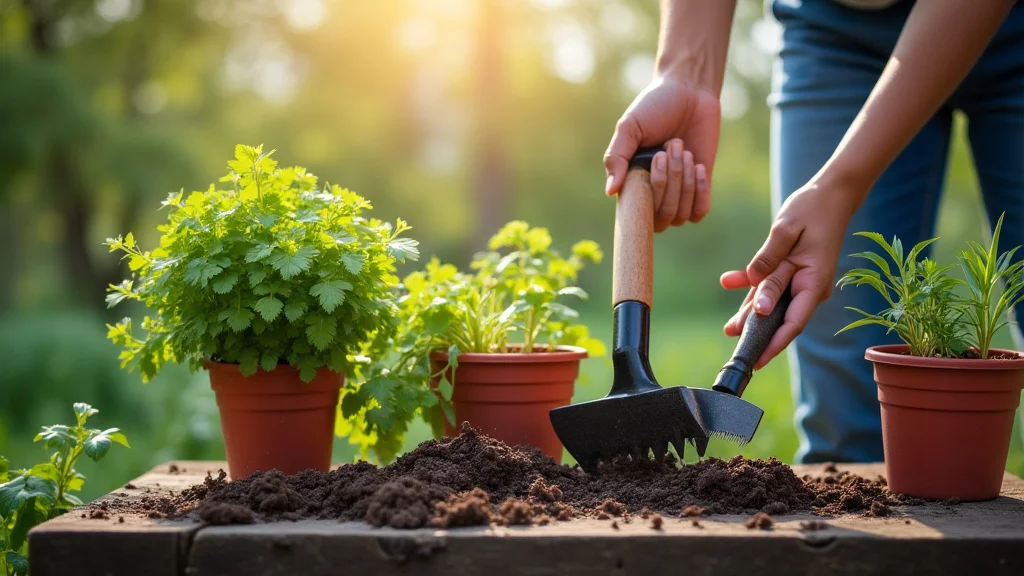
- Rounded-Tip Tools: These tools, like small shovels and hand rakes, are great for digging and grooming plants without sharp edges.
- Protective Gloves: Use thick gloves to protect your hands from thorns, soil-borne bacteria, and potential irritants.
- Non-Toxic Sprayers: These can dispense natural weed killers.
- Storage Solutions: Store tools in a shed or locked box, out of reach of pets.
Rounded-tip tools are a fundamental aspect of pet-safe gardening, offering an effective alternative to sharp-edged implements. These tools reduce the chance of injuries, which is essential for pets that may be curious or playful in the garden. The rounded tips are generally made of materials such as stainless steel, ensuring durability. Using these tools helps to minimize the risks in your gardening activities. By making them a part of your garden, it becomes a safe and enjoyable space for both you and your pets.
Gloves are a simple yet effective tool for pet safety. These gloves act as a physical barrier. They protect your skin from various irritants, including certain plants, soil contaminants, and sharp objects. For pet owners, protective gloves are crucial. They protect against any substances that can be transferred to your pet’s fur if you’re handling plants or materials they might come into contact with. Always choose gloves made of non-toxic materials, so they won’t pose a danger if your pet happens to chew on them.
Non-toxic sprayers represent a huge advance in pet-safe gardening, allowing you to control weeds without using harsh chemicals. These sprayers work with natural, pet-safe alternatives. This could be things like vinegar solutions or organic herbicides. They are very important because many standard weed killers can be harmful to pets. These products can cause illness or even death if ingested or if your pet comes into contact with the sprayed areas. The benefits of using a non-toxic sprayer include that your pets can roam freely in the garden. This is because there are no harsh chemicals.
Proper storage is essential to stop accidents in the garden. Secure storage helps keep sharp tools, chemicals, and fertilizers away from pets. A secure shed or locked toolbox provides a clear, physical barrier. This stops pets from getting their paws on potentially dangerous items. This approach is both practical and preventative, ensuring the garden is secure and easy to maintain. Secure storage is vital to help protect your pets and maintain your garden safely.
Pet-Friendly Plant Selection
Choosing the right plants is just as important as selecting safe tools. Many common garden plants can be toxic to pets if ingested or if they come into contact with the sap or leaves. A top veterinarian offering gardening tools will be able to provide a comprehensive list of safe and unsafe plants, guiding you towards options that complement the beauty of your garden while keeping your pets safe. This knowledge is important, as it helps prevent accidental poisonings and supports a healthy and enjoyable environment for both your pets and yourself.
- Safe Plants: Consider pet-friendly options such as marigolds, snapdragons, and sunflowers.
- Toxic Plants: Avoid plants such as lilies, azaleas, and sago palms.
- Planting Strategies: Group toxic plants where pets cannot access them.
- Education and Awareness: Learn to identify potentially dangerous plants in your garden.
Selecting the right plants is a key component of a pet-friendly garden. Plants like marigolds, snapdragons, and sunflowers are generally considered safe. This makes them great choices for any garden. Marigolds bring vibrant color to the garden and are usually harmless if a pet nibbles on them. Snapdragons offer a lovely aesthetic and are not highly toxic. Sunflowers offer both beauty and interest for your pets. These plants provide visual appeal without posing a danger, letting you build a garden that is safe and pleasant for everyone.
In contrast, certain plants are definitely to be avoided. Lilies, azaleas, and sago palms are all extremely dangerous to pets. Lilies, for instance, can cause kidney failure in cats. Azaleas and rhododendrons can cause cardiac and gastrointestinal issues. Sago palms are particularly toxic, with even a small amount of the seeds being fatal. Being aware of these toxic plants will help you to prevent poisoning. This also ensures your garden stays a safe and secure space for your pets. Checking plant selections helps you to avoid hazards.
One way to create a safer garden is through smart planting strategies. Grouping toxic plants in areas that pets can’t reach is a smart way to minimize the risks. This might involve planting them in raised beds, hanging baskets, or behind fences. Another option would be to put them in areas that your pets do not normally go. This approach is practical and prevents your pets from accidental contact with poisonous plants. With careful planning, you can balance your gardening interests with your pet’s safety.
Understanding which plants are unsafe is important in the pet-friendly gardening journey. Educate yourself on potentially dangerous plants, and be prepared to identify them in your garden. This includes understanding the plants’ appearance, their common names, and the signs of toxicity to watch out for in your pets. This will help you to take immediate steps if your pet ingests a toxic plant. By staying informed and watchful, you can greatly improve the health and safety of your garden.
Safe Use of Fertilizers and Pesticides
The chemicals you use in your garden can pose significant risks. Many fertilizers and pesticides contain ingredients that are toxic to pets. A top veterinarian offering gardening tools can provide guidance on safer alternatives and best practices for using these substances. This helps to protect pets from accidental exposure and poisoning. By making conscious choices about the products used, pet owners can keep their gardens healthy and safe for all.
- Organic Fertilizers: Choose organic options that are less harmful if ingested.
- Pet-Safe Pesticides: Use pesticides specifically formulated to be safe for pets.
- Application Methods: Apply fertilizers and pesticides responsibly to keep pets safe.
- Alternative Pest Control: Consider natural pest control methods, such as introducing beneficial insects.
Organic fertilizers represent a much safer option for pet-friendly gardens. They are usually derived from natural sources, such as composted plant material or animal manure. These fertilizers are less likely to contain harsh chemicals that are dangerous to pets. The use of organic fertilizers helps in keeping your pets safe. They support healthy plant growth and soil quality. They also prevent the risks related to ingesting chemical-based alternatives. Choosing organic fertilizers is good for the environment and the health of your pets.
When you have to control pests, it is important to choose pet-safe pesticides. These products are usually made with natural ingredients. They are designed to kill pests while minimizing the hazards to animals. Always look for products that are labeled as “pet-safe” or “pet-friendly”. You also want to make sure you use them according to the directions. This reduces the risk of poisoning or other health issues. Using pet-safe pesticides is an important step to ensure your garden stays a safe place for your pets.
The way you apply fertilizers and pesticides is important for the safety of your pets. Always follow the product instructions carefully. Keep pets away from treated areas until the product is completely dry. Consider using spot treatments. This allows you to apply products only where they’re needed. It is a good idea to put the products in the ground. You should store fertilizers and pesticides in a secure place. Using these practices is important to safeguard your pets from accidental exposure.
Exploring natural pest control methods is a smart way to keep your garden pet-safe. Methods like adding beneficial insects, which eat pests, help avoid the need for chemical pesticides. This is an efficient way to control pests. You can also use traps or physical barriers, like row covers, to protect plants from pests. Using these methods, you can manage your garden in an eco-friendly way. It keeps your pets safe and allows you to enjoy a thriving, safe garden.
Creating a Pet-Friendly Garden Layout
The layout and design of your garden can significantly affect your pet’s safety and well-being. A top veterinarian offering gardening tools can help you design a space that meets both your gardening goals and your pet’s needs. This means combining thoughtful plant choices, safe pathways, and areas designed for pet enjoyment. By incorporating these elements, you can design a space that is beautiful, safe, and fun for everyone.
- Designated Pet Areas: Create areas specifically designed for pets to play and relax.
- Safe Pathways: Design pathways with pet safety in mind.
- Fencing and Barriers: Install appropriate fencing and barriers to protect your pets and plants.
- Water Features: Ensure water features are safe and accessible.
Designating special areas for your pets is a great way to improve their outdoor experience. You can create a dog run, a digging box, or a shaded spot with a comfy bed. Providing areas that are tailored to your pet’s interests helps to limit the chances of them being in dangerous spots in the garden. These areas also support your pet’s physical and mental well-being, providing a secure and enjoyable space for them.
Thoughtfully designed pathways are important for creating a pet-safe garden. Select paving materials that are gentle on your pet’s paws, such as mulch or pea gravel. Make sure the pathways lead to safe spaces, helping your pets explore without putting them at risk. Clear pathways also help you easily oversee your pet’s actions. Making safe pathways is a smart move that improves the garden’s safety and accessibility.
Fencing and barriers play a crucial role in creating a pet-friendly garden. These protect your pets from hazards. They can keep your pets from accessing toxic plants or other dangerous spots. Fences can also protect your plants from your pets. It depends on your pet and your plants, so pick the right kind. They may include low fences to protect flower beds, or higher ones to contain your pets. Good fencing is key to having a garden that is safe and enjoyable for everyone.
Water features such as ponds or fountains can be enjoyable. However, you must ensure that they are safe for your pets. Ensure that ponds are not too deep and that they have easy exits, in case a pet falls in. Keep the water clean and free of chemicals. Consider adding ramps or shallow areas for easy access. Adding water features in a safe way provides fun and interest in your garden, while keeping your pets safe.
Maintaining a Pet-Friendly Garden
Keeping a pet-friendly garden needs ongoing care and attention. Routine maintenance is key to keeping your garden safe and welcoming for your pets. This also means constantly assessing and adapting your practices to ensure the garden remains a safe space. This ongoing diligence keeps your garden in top shape and guarantees your pets can enjoy it safely year-round.
- Regular Inspections: Regularly inspect your garden for potential hazards.
- Pruning and Trimming: Prune and trim plants regularly to remove dead or toxic parts.
- Clean-Up: Keep your garden clean and free of debris.
- Education and Awareness: Stay informed about pet safety and gardening practices.
Doing regular garden inspections is crucial for maintaining a safe environment for your pets. Look for things like dropped tools, chewed plants, or evidence of pests. Look for changes in your plants that could suggest problems. Inspecting frequently allows you to find and solve any issues early, before they become a risk. Regular inspections are a good way to maintain a safe and healthy garden for both you and your pets.
Regular pruning and trimming are important for both the aesthetics and the safety of your pet-friendly garden. This includes removing dead leaves, branches, or other parts of the plant. It also involves removing any parts that may be toxic. By staying on top of the trimming, you reduce the danger of your pet ingesting harmful plants. Pruning also helps to encourage healthy growth and a more appealing garden space. Taking care of your garden allows you to enjoy a safe and beautiful outdoor area.
Keeping your garden clean and free of debris helps to maintain a safe environment for your pets. Remove fallen leaves, dead fruit, and any other items that could pose a danger. This helps to eliminate hiding spots for pests. It also reduces the chances of your pet swallowing anything that might be harmful. Regular cleaning helps to maintain a neat and healthy garden space.
Keeping up-to-date on pet safety is important for managing a pet-friendly garden. Be proactive about educating yourself about new gardening practices, toxic plants, and potential dangers. Keep an open mind and be ready to adapt your approach to suit your pet’s needs and the changing conditions of your garden. Continuous learning is essential to make sure your garden remains a safe and enjoyable space for years to come.
According to the American Society for the Prevention of Cruelty to Animals (ASPCA), some of the most common plant poisonings in pets come from lilies, azaleas, and sago palms. These plants can cause serious health problems, so awareness and prevention are crucial.
| Plant Type | Common Name | Toxicity Level | Symptoms |
|---|---|---|---|
| Flower | Lily | High | Kidney failure |
| Shrub | Azalea | Moderate | Vomiting, diarrhea, weakness |
| Palm | Sago Palm | High | Liver failure, seizures |
A recent study by the National Garden Association showed that approximately 68% of U.S. households engage in gardening, with a significant portion owning pets. This highlights the importance of pet-friendly gardening practices. The study shows a strong need for educational resources.
- Scenario 1: A dog owner notices their dog frequently nibbling on a plant in the garden. By knowing the potential dangers and consulting with a vet, the owner identifies the plant as toxic and removes it, preventing potential poisoning.
- Scenario 2: A cat owner discovers their cat has ingested a chemical. They immediately reach out to their veterinarian. The vet guides them on the steps to take, which helps save the cat’s life.
Frequently Asked Questions
Question: What is the most toxic plant for dogs in a garden?
Answer: Sago palms are extremely toxic to dogs and can cause severe liver failure if ingested.
Question: How often should I inspect my garden for pet safety?
Answer: It’s wise to inspect your garden for hazards regularly, at least once a week.
Question: What’s the best way to deal with weeds in a pet-friendly garden?
Answer: Using pet-safe weed killers or manual removal is the best way to handle weeds.
Question: Are all fertilizers harmful to pets?
Answer: Many fertilizers can be harmful, so use organic or pet-safe options.
Question: Can I use mulch in my pet-friendly garden?
Answer: Yes, but avoid cocoa mulch, as it can be toxic. Wood mulch is generally safe.
Final Thoughts
Creating a safe and thriving garden for your pets requires thoughtful planning and ongoing care. By using the guidance of a top veterinarian offering gardening tools, you can make informed decisions about plant selection, tool choices, and maintenance practices. The goal is to build a beautiful, pet-friendly outdoor space where both you and your animal friends can relax and enjoy the benefits of nature. It involves ongoing learning and a proactive approach. Now, you have the knowledge and tools to create a safe garden that your pets and you can enjoy. Remember, a little preparation goes a long way in ensuring your garden is a place of joy and well-being for the entire family. Take action today, and make your garden a safe, vibrant space.