
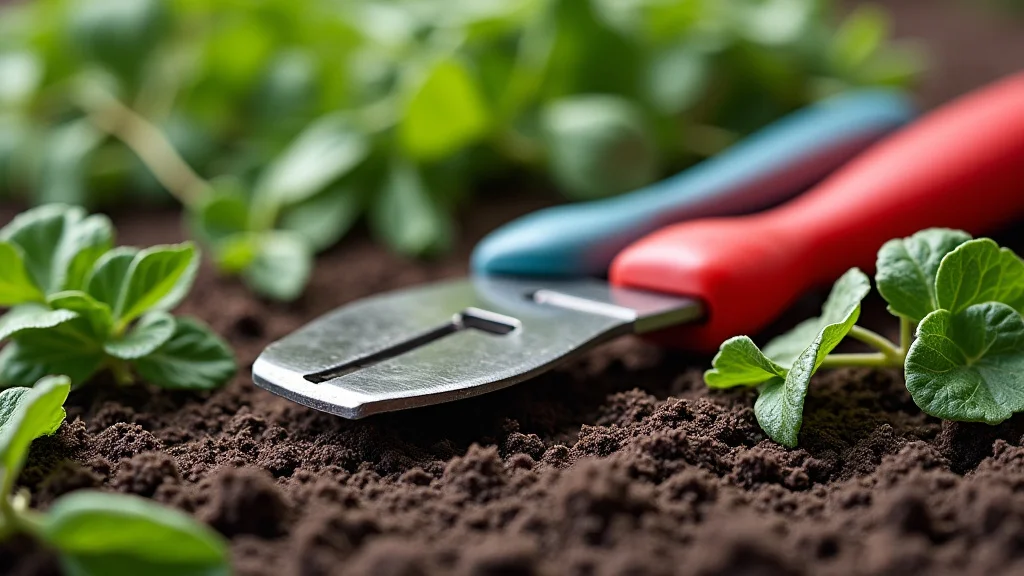
Remember that time you tried to plant some flowers, armed with nothing but a spoon and a dream? Yeah, we’ve all been there. Trying to get your hands dirty in the garden without the right equipment can be frustrating, to say the least. This guide is for those who are new to gardening and want to find out what basic gardening tools are truly essential to get started. You’ll learn what each tool is for, how to use it safely, and what to look for when you buy your own. This will help you get started on the right foot and enjoy your gardening experience right from the beginning, without confusion or overwhelm.
Key Takeaways
- Discover the essential basic gardening tools needed for starting a garden.
- Understand the function of each tool and how it helps in gardening tasks.
- Learn about the materials and features to consider when selecting tools.
- Get tips on the proper care and storage of your gardening tools for longevity.
- Find out about optional tools that can enhance your gardening experience.
- Gain a sense of confidence in starting and maintaining a thriving garden.
Getting Started with Your Basic Gardening Tools
Gardening can be a deeply rewarding hobby, but it can also seem like a lot to take on. Before you even think about seeds and soil, you need the right tools. Think of your basic gardening tools as your gardening companions. They make the job easier, safer, and much more enjoyable. This section breaks down the must-have tools for any beginner, explaining what they do and why they’re important. We’ll explore the main uses for each tool, so you know exactly how to use them and what tasks they are perfect for. You will gain a strong foundation, setting the stage for a successful and enjoyable gardening experience.
The Hand Trowel: Your Planting Buddy
The hand trowel is likely the most used tool in any gardener’s arsenal. It’s a small, handheld scoop that’s perfect for a variety of tasks. You’ll find yourself reaching for it constantly, whether you’re planting small seedlings, transplanting flowers, or digging small holes for bulbs. The trowel’s small size allows you to work in tight spaces, such as between existing plants or in containers. It typically has a curved blade, designed to easily scoop up soil and move it around. Its compact design is comfortable to hold, making it great for extended use.
-
Planting Small Seedlings: The hand trowel is the perfect size for digging a small hole, dropping in a seedling, and gently filling the space with soil. This makes it ideal for starting new plants.
This is where the hand trowel shines, providing precise control as you place delicate seedlings into the soil. Choose a trowel with a pointed tip to easily penetrate the soil and make clean holes. This minimizes damage to the plant’s roots, giving them the best chance to flourish. After placing the seedling, you can use the trowel to gently pack the soil around the base, ensuring good contact and stability.
-
Transplanting Flowers: If you need to move a plant from one spot to another, the hand trowel is perfect for carefully digging it up and replanting it.
Transplanting is made easy with a hand trowel, allowing you to loosen the soil around the roots of the plant. Carefully lift the plant out and relocate it. Prepare the new spot by digging a hole with the trowel, big enough to fit the roots. Place the plant in the hole, fill with soil, and gently pack it down. Make sure you water it regularly for healthy growth.
-
Digging Small Holes for Bulbs: Planting bulbs, like tulips or daffodils, is much easier with a hand trowel.
When planting bulbs, use your trowel to dig a hole that is three times as deep as the bulb’s height. Place the bulb in the hole with the pointed end facing up. Then, cover it with soil, and gently press the soil down. With the hand trowel, you have complete control over the depth and size of the hole, making the planting process quick and easy.
-
Weeding: While not specifically designed for weeding, a hand trowel can be effective for removing small weeds.
You can use your trowel to carefully dig around weeds, loosening the soil and making it easier to pull them out. This is most effective for weeds with shallow roots. Dig the trowel down beside the weed, scoop underneath the roots, and then gently pull the weed out from the ground. Be careful not to damage the surrounding plants.
The Hand Fork: Loosening and Aerating
The hand fork is another essential tool for any gardener. It is smaller than a garden fork, and made for working in tight spaces. Its primary function is to loosen and aerate the soil. This helps improve drainage and allows plant roots to grow more easily. Its compact size and curved tines make it perfect for turning over the soil in small areas, like raised beds or containers. This tool also helps you remove debris. Hand forks are typically made of metal and are designed to be durable, and able to withstand the tough conditions in the garden.
-
Loosening Compacted Soil: Hand forks are great at breaking up soil that has become packed down, making it easier for roots to grow.
Over time, soil can become compacted, making it difficult for water, nutrients, and air to reach plant roots. The hand fork is perfect for breaking up this compacted soil. Simply insert the tines into the soil and gently lift and turn. Doing this regularly ensures that the soil remains loose, creating a healthy environment for your plants. A hand fork will help keep the soil healthy and well aerated.
-
Aerating Soil for Improved Drainage: By creating small pockets and channels in the soil, the hand fork helps with drainage, preventing waterlogging.
Poor drainage can lead to root rot. When you use a hand fork to aerate the soil, it creates tiny channels that allow excess water to drain away. This is particularly important for plants that are sensitive to overwatering. Proper drainage helps plants get enough oxygen, promoting healthy root growth and preventing a lot of issues that arise from excess water.
-
Removing Debris: The hand fork is useful for removing small rocks, weeds, and other debris from the soil.
The tines of the hand fork can effectively sift through the soil, picking up any unwanted materials. This ensures a cleaner soil environment, free of obstacles that could hinder plant growth. You can gently rake through the soil to remove debris, leaving behind a clear and healthy space for your plants to thrive.
-
Mixing Compost or Amendments: If you add compost or other soil amendments, a hand fork can help mix them evenly into the soil.
When you add amendments to your soil, it’s vital to mix them thoroughly to ensure the nutrients are distributed. A hand fork helps blend in compost, fertilizer, or other amendments. This even distribution helps the plants to get all the resources they need for healthy growth. It is an excellent way to prepare the soil before planting.
The Garden Hoe: Weed Wacker for the Soil
The garden hoe is a long-handled tool with a flat, blade-like head. Its main job is to remove weeds, and prepare soil for planting. Its shape is perfect for scraping across the soil surface, cutting off weeds at the roots. It is also good at breaking up clumps of soil and creating planting rows. The long handle makes it easier to work in a standing position, which can be easier on your back. Garden hoes come in different shapes and sizes, each designed for particular tasks.
-
Weeding: The primary function of a garden hoe is to slice off weeds at the soil surface, preventing them from growing back.
Using a garden hoe for weeding is often very effective. The flat blade of the hoe is perfect for cutting off weeds right below the surface of the soil. When done early in the weed’s life cycle, you can prevent new weeds from growing back. Regular hoeing is a great way to control weeds without using chemicals. Make sure the soil is dry when you hoe, for best results.
-
Soil Preparation: A garden hoe can be used to break up clumps of soil and create a smooth planting bed.
Before planting, a garden hoe can be used to break up clumps of soil, creating a well-prepared area for planting. This is especially helpful if your soil is heavy or compacted. The blade of the hoe is designed to slice into the soil, breaking it apart and creating a fine, workable texture. Making sure the soil is well prepared will provide a better environment for your plants to thrive.
-
Creating Planting Rows: The garden hoe can be used to create neat rows for planting seeds or transplants.
When planting seeds, a garden hoe is great for creating straight, evenly spaced rows. You can drag the blade along the surface of the soil to make a shallow furrow. Once the seeds are sown, the hoe can be used to gently cover them with soil. This method helps to maintain order in your garden and make sure the plants receive sunlight.
-
Hill Up Plants: The garden hoe can be used to draw soil around plants to support growth.
Hilling up is when you use the hoe to draw soil around the base of plants. This is often done with crops like potatoes or tomatoes. It helps to stabilize the plant, protects the roots, and can encourage the development of additional roots along the stem. The hoe’s blade helps in gathering and shaping the soil, ensuring the plant has enough support and better soil contact.
The Garden Fork: Turning Over the Earth
The garden fork is a larger tool than the hand fork, with long tines that are designed for digging and turning over soil. It’s an important tool for preparing soil, turning compost, and breaking up tough clumps. The size of the garden fork makes it suitable for larger gardens and more demanding tasks. Garden forks are made of steel, and the handles are typically made of wood or fiberglass, offering strength and durability.
-
Turning Over Soil: The garden fork is used to turn over the soil in preparation for planting, incorporating organic matter, and improving aeration.
Turning over soil is important to loosen it, which is the act of mixing the top layer with the deeper layers. This process helps to aerate the soil, allows air and water to penetrate more deeply, and gets the nutrients into the root zones. Insert the tines of the fork into the soil, and lift and turn over the soil, mixing in any organic matter such as compost or manure. This creates a good growing environment.
-
Breaking Up Clods: Garden forks are great for breaking up large clumps of compacted soil, improving texture.
Hard, compacted soil makes it hard for plant roots to penetrate and can cause drainage issues. The garden fork is ideal for breaking up these clods. Use the tines to pry apart and break down soil clumps, which results in a smoother, more workable texture. This step is particularly helpful in heavy clay soils. Breaking up the soil before planting will lead to healthier root development.
-
Turning Compost Piles: The garden fork is used to turn compost piles, providing air and speeding decomposition.
Turning your compost pile is important for providing air, promoting the breakdown of organic material. Insert the garden fork into the pile, lift, and turn the compost. This helps the microorganisms within to thrive and do their job. Regularly turning your compost pile will make the process faster and result in a nutrient-rich compost in less time.
-
Removing Rocks and Debris: You can use the garden fork to pick out rocks, roots, and other debris from the soil.
The tines of the garden fork are useful for separating and removing unwanted materials from the soil. This can significantly improve soil quality. Use the fork to sift through the soil, removing any large rocks, roots, or other unwanted material. This helps to prepare a clean, healthy bed for your plants, ensuring they have the best chance to grow and thrive.
The Garden Hose and Watering Can: Staying Hydrated
Watering your garden is essential, and this requires two main tools: the garden hose and the watering can. The garden hose is ideal for large areas, offering the convenience of a continuous water supply. The watering can is perfect for watering individual plants or small areas, and gives a more gentle water flow. These two tools provide versatility in how you can keep your garden hydrated, ensuring that plants get the right amount of water in the most efficient ways.
-
Watering: Both the hose and watering can deliver water to your plants, but with different methods.
The main function of both the hose and watering can is to supply water to plants. The choice between the two depends on the size of the garden, the type of plants, and your preference. The hose is best for larger areas, allowing you to cover more ground quickly. The watering can is good for small gardens, containers, or plants that require careful watering. Both provide an easy method of ensuring your plants receive enough water.
-
Hose Nozzles for Controlled Water Flow: Different hose nozzles allow you to adjust the water flow from a gentle shower to a powerful stream.
A nozzle is a very useful addition to your garden hose. Nozzles provide multiple water flow options. You can choose a gentle shower setting for delicate plants, like seedlings or flowers. The powerful stream setting is ideal for rinsing off debris from paving or for targeted watering. The adjustability allows for greater control when watering, which ensures the plants get the appropriate amount of water.
-
Watering Cans for Precision: Watering cans are perfect for focused watering, allowing you to reach individual plants.
Watering cans offer precision, particularly for plants that need specific amounts of water. You can direct the water flow directly to the soil, ensuring that the leaves stay dry. This helps prevent diseases. The watering can is a good option for container gardens and areas where the water must be delivered carefully. It is also good for small gardens where you need to water each plant in detail.
-
Consider Water Conservation: Choose the right watering method to conserve water, depending on the size of your garden.
It is important to conserve water. If you have a larger garden, a hose with a water-efficient nozzle can be helpful. For smaller areas, a watering can helps you to control the amount of water dispensed. Another good option is to water your plants in the morning, which reduces water loss through evaporation. Mulching around your plants also helps retain moisture in the soil, which reduces the need for frequent watering. Your actions will benefit the environment.
Choosing Your Basic Gardening Tools: Material Matters
When you’re choosing your basic gardening tools, you’ll find that different materials will affect their durability, usability, and your overall gardening experience. The best materials tend to be durable and make the tools last for years. Understanding these materials helps you make informed choices that fit your gardening needs. This section explores the key materials used in basic gardening tools, helping you find the right tools for a long time.
Handles: Wood, Metal, or Plastic?
The handles of your basic gardening tools are what you hold, so the material makes a big difference. They affect the feel, weight, and lifespan of the tool. You’ll find tools with handles made from wood, metal, or plastic. Each material has its own benefits and drawbacks. Knowing these differences will help you choose the best tools for your gardening needs.
-
Wood: Often made from ash or hardwood, wood handles are known for their comfort and shock-absorption.
Wood handles provide a comfortable grip and can absorb some of the shock when working with the tool, which reduces strain. Wooden handles are usually lightweight, which makes them easy to work with for long periods. The natural look of wood can be appealing to many gardeners. Wooden handles require maintenance, like cleaning and oiling, to maintain their condition, to prevent splinters and cracking.
-
Metal: Steel and aluminum handles are known for their strength and durability, and they can withstand a lot of wear.
Metal handles are very durable and can handle tough tasks. They are very sturdy and won’t break easily. Steel handles can be heavy and may transmit vibrations. Aluminum handles are lightweight and do not rust, but can be less strong than steel. Metal handles need less maintenance than wood handles. These metal handles offer good options for long-term gardening tools.
-
Plastic: Plastic handles are lightweight and often inexpensive, but can vary greatly in quality and durability.
Plastic handles are lightweight and usually affordable, making them a good option for people on a budget. However, not all plastic is created equal. Low-quality plastic can crack or break with use. High-quality plastic handles are designed to be weather-resistant and are a low-maintenance option. Make sure you check the quality of the plastic before you buy. Consider tools that have a good grip.
Blades and Tines: Stainless Steel or Carbon Steel?
The blades and tines of your tools take the brunt of the work. They’re what cuts, digs, and turns the soil. The material they’re made from has a big effect on sharpness, durability, and resistance to rust. You’ll often find blades and tines made from stainless steel or carbon steel. Each material has its own good and bad points. Knowing these things can help you make a good choice when you buy your tools.
-
Stainless Steel: Stainless steel is known for its resistance to rust and corrosion, making it a low-maintenance option.
Stainless steel blades and tines do not rust easily, which makes them ideal for environments where moisture is always present. They are easy to clean and often maintain their sharpness for a long time. Stainless steel is often very durable, although it may not be as strong as some other types of steel. If you garden in wet conditions, stainless steel is a great choice.
-
Carbon Steel: Carbon steel is very strong and can hold a sharp edge, but it needs to be protected from rust.
Carbon steel tools are strong and can hold a sharp edge, allowing for more precise cutting and digging. However, carbon steel is prone to rust if not cared for properly. Regularly cleaning and oiling carbon steel tools is essential to keep them in good condition. Carbon steel tools are good when you need tools with extra strength and cutting ability.
Ergonomics: Comfort and Design
The design of your basic gardening tools affects comfort and efficiency, especially if you spend hours in your garden. Ergonomic tools are designed to reduce strain and make gardening easier. From the shape of the handles to the balance of the tool, every part should work to minimize physical stress. When you choose your tools, consider how they feel in your hands and how they help you work. This is good for your body and your gardening experience.
-
Handle Shapes and Grips: Look for handles that fit well in your hand and provide a comfortable grip.
The shape of the handle can make a huge difference in how comfortable the tool is to use. Some handles have a contoured shape to fit the natural curves of your hand. Rubber or textured grips can prevent your hand from slipping. It is important to find tools with handles that feel good in your hand and that let you work without fatigue. A good grip will let you work with control and comfort.
-
Weight and Balance: A well-balanced tool reduces strain and makes it easier to control the tool during use.
When selecting a tool, its weight and balance are essential for reducing strain and improving the tool’s effectiveness. Tools that are balanced correctly are easier to maneuver and require less effort to use. Heavy tools can cause fatigue, while tools that are not balanced properly can be hard to control. The weight of the tool should be appropriate for the task and the user. A well-balanced tool will make your gardening experience more enjoyable.
-
Adjustable Features: Tools with adjustable features allow for customization.
Some tools come with adjustable handles. These can be helpful if you need to adjust the height of the handle to match your height and reduce the need to bend over. Adjustability also lets you change the tool for different tasks. This can increase comfort and make it easier to work for long periods. These features can add a lot of value and comfort to your tools.
Taking Care of Your Basic Gardening Tools
Proper care of your basic gardening tools increases their lifespan, and ensures they are ready to go when you need them. Regular maintenance and proper storage are easy ways to protect your tools from damage and keep them working well for many seasons. This section provides the tips you need to keep your tools in excellent condition. This not only preserves your tools but also keeps them safe to use and makes gardening a more pleasant experience.
Cleaning Your Tools
After each use, take a few minutes to clean your tools. This prevents rust, buildup, and the spread of diseases. Cleaning your basic gardening tools is an important part of the care process. Here’s what you need to know to clean them effectively, keeping them ready for action and in great condition for a long time.
-
Removing Dirt and Debris: Wipe off soil, plant matter, and other debris after each use.
Start by removing any dirt or plant material from the blades, tines, and handles. Use a brush or a cloth to wipe away any soil or debris that has accumulated. This removes any initial buildup and makes the tool easier to clean thoroughly. Removing the debris prevents it from drying and hardening on the tool, making it harder to remove later. This is the first step in cleaning your tools, and it makes all the other steps easier.
-
Washing with Water and Soap: Use soap and water to remove stubborn dirt.
After you remove the loose debris, use warm water and soap to wash your tools. A mild soap will be fine, and you can scrub them with a brush or a cloth. This removes any remaining dirt, sap, and other substances. Rinse the tools very well to make sure all soap is removed. Washing your tools will help prevent rust and keep them looking their best. Always dry your tools very well after washing.
-
Disinfecting to Prevent Disease: Periodically disinfect tools to prevent the spread of diseases between plants.
To prevent spreading diseases between plants, disinfect your tools, especially if you are working with sick plants. You can use a solution of water and bleach (a 1:9 ratio). After cleaning, soak the blades and tines in this solution for a few minutes. Make sure to rinse the tools thoroughly. This is essential for protecting the health of your plants. It prevents the spread of pathogens that could harm your garden.
-
Drying Thoroughly: Make sure your tools are dry before you put them away.
Drying your tools is the final and very important step in the cleaning process. Moisture is a friend of rust. Dry them with a clean cloth or let them air dry completely. Storing tools while wet can encourage rust. Drying the tools thoroughly after cleaning ensures they are ready for their next use. It also keeps your tools in great shape for a longer time.
Sharpening and Oiling
Sharpening and oiling your tools keeps them efficient and protects them from rust. Sharpening keeps the blades sharp, allowing for easy cuts, and oiling protects the tools from moisture. Here is how to keep your basic gardening tools in great condition for years.
-
Sharpening Blades: Sharpen blades regularly to maintain cutting efficiency.
Sharpening the blades of your tools is important for cutting efficiency. Dull blades require more effort and can damage your plants. Use a file or a sharpening stone to sharpen blades. Follow the original angle of the blade, and move the file along the cutting edge. Sharpening should be done regularly, especially if you use the tool a lot. A sharp blade makes gardening easier and more enjoyable.
-
Oiling to Prevent Rust: Apply oil to metal parts to prevent rust and corrosion.
Oiling metal parts protects them from rust, which extends the life of the tools. Use a lubricant specifically designed for tools. Wipe the tool clean before applying the oil. Apply a thin layer of oil to all metal parts, especially the blades and tines. This process should be done regularly. Oiling protects your tools from rust and keeps them performing at their best for a long time.
-
Proper Storage: Store your tools in a dry place to prevent moisture.
Proper storage is important to keeping your tools in good condition. Store your tools in a shed, garage, or other dry area, out of the elements. If you store them in a garage or shed, be sure to keep them off the ground. A good storage method prevents the build-up of moisture, which can lead to rust. Make sure you store the tools neatly, for easy access. Proper storage increases the life of your tools, so they are always ready to use.
-
Regular Inspections: Inspect your tools regularly for damage.
Inspect your tools regularly for any signs of damage, such as cracks, loose handles, or rust. Fixing problems early prevents further damage and keeps your tools safe to use. If you see something wrong, address the issue quickly. Tighten loose handles, repair broken blades, or replace damaged tools. Regular inspections keep your tools in excellent condition, allowing you to garden safely and efficiently.
Optional Tools for Enhanced Gardening
While the tools mentioned earlier are the basics, adding a few more tools to your collection can improve your gardening experience and make it much more fun. These additional tools help to increase efficiency, and broaden the range of tasks you can do in your garden. With the right tools, you will be well prepared to take on any gardening project.
-
Weed Puller: Perfect for easily removing weeds.
A weed puller is designed to remove weeds by the roots, which minimizes the chance of them coming back. These tools are very effective at getting rid of weeds in lawns or between plants. This reduces the time and effort needed for weeding, making your garden neat and tidy.
-
Garden Cart: It helps you move soil, plants, and tools.
A garden cart is a very useful tool for moving heavy items such as soil, mulch, plants, or tools. It reduces the need for heavy lifting and makes it easier to transport things around the garden. Garden carts come in different sizes, so you can choose the best one for your gardening needs.
-
Pruning Shears: Cut through small branches and stems easily.
Pruning shears, or hand pruners, are great for trimming shrubs, cutting flowers, and pruning small branches. They make clean cuts, which helps the plants to heal quickly. These can extend the life of many plants and improve the look of the garden. They come in different sizes and designs.
-
Kneeling Pad: Makes gardening more comfortable.
A kneeling pad helps to protect your knees and makes gardening much more comfortable. It is especially useful for tasks that require you to be on your knees for a long time, such as planting or weeding. A kneeling pad will make your gardening more comfortable, so you can spend more time enjoying it.
Frequently Asked Questions
Question: What are the absolute must-have basic gardening tools for a beginner?
Answer: The essential tools are a hand trowel, a hand fork, a garden hoe, a garden fork, a garden hose, and a watering can. These tools cover most of your basic gardening needs.
Question: What’s the best material for tool handles?
Answer: Wood handles are comfortable and absorb shock, while metal handles are durable. Consider the type of material, its comfort and how it will work for the tasks you are planning.
Question: How do I keep my tools from rusting?
Answer: Clean and dry your tools after each use, sharpen blades, and apply oil to metal parts regularly. Store your tools in a dry place.
Question: Should I sharpen my tools, and how often?
Answer: Yes, sharpening your tools keeps them performing at their best. Sharpen them regularly, depending on how often you use them. Dull tools are less effective and more difficult to use.
Question: Are there any tools that make gardening easier?
Answer: Yes, a weed puller, a garden cart, pruning shears, and a kneeling pad can enhance your gardening experience by making it easier and more comfortable.
Final Thoughts
Knowing what basic gardening tools to have is a great first step. Having the right tools makes the process easier, more enjoyable, and sets you up for success. You learned about the hand trowel for planting, the hand fork for loosening soil, the garden hoe for weeding, and the garden fork for larger tasks. You now know about the importance of water, and the different options for keeping your plants hydrated. Understanding the materials and design of your tools allows you to make informed decisions and create a gardening tool kit that suits your needs. Remembering to keep your tools clean, sharpened, and stored properly extends their life and keeps them ready for use. With these tools and guidelines, you are ready to start growing your own garden. Now, get out there, grab your tools, and watch your garden flourish!