
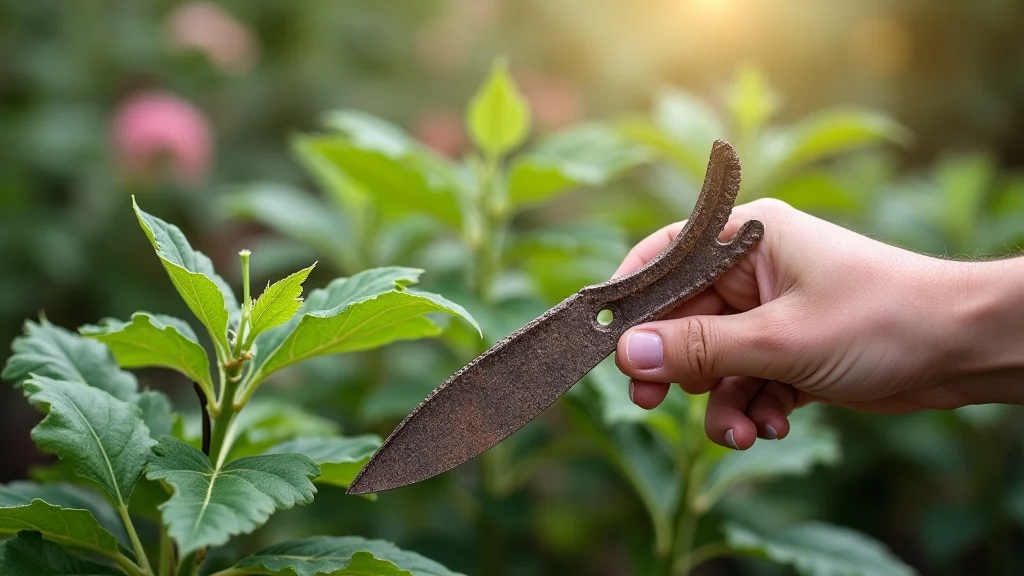
Remember that time you tried to prune your rose bushes with dull shears? It was a disaster! The branches were mangled, and instead of a clean cut, you were left with a ragged mess. Trust me, I’ve been there. Using sharp tools in the garden is essential for the health of your plants and, frankly, your sanity. This post will guide you through the process of how to sharpen gardening tools, ensuring your plants get the best care and your gardening experience is a pleasure, not a chore. You’ll learn the techniques to keep your tools in top condition, which saves you money, and time. Prepare to transform your garden into a flourishing paradise!
Key Takeaways
- Learn the different types of tools that need sharpening in your garden.
- Discover the best tools and techniques to use for sharpening gardening tools effectively.
- Understand the importance of regular maintenance for tool longevity and plant health.
- Explore safety precautions to protect yourself while sharpening.
- Find out how to identify when your tools need sharpening.
- Gain knowledge on the ideal angles for sharpening different tool types.
Why Sharpening Gardening Tools Matters
Sharp tools are the gardener’s best friend. Think of it like this: a sharp knife slices cleanly, while a dull one tears and rips. Similarly, when you use a dull pair of pruning shears, you’re not making a clean cut. Instead, you’re crushing stems, which can make your plants vulnerable to disease and pests. Plus, using dull tools requires a lot more effort, making gardening a tiresome experience. On the other hand, well-maintained tools make gardening easier, more efficient, and more enjoyable. They also help plants heal faster, leading to healthier growth and better blooms. Maintaining sharp tools isn’t just about ease; it’s about the well-being of your plants and the overall success of your garden.
Recognizing When Your Tools Need Attention
Knowing when your tools need sharpening gardening tools is the first step toward a thriving garden. The signs are usually pretty obvious, but sometimes they sneak up on you. Watch out for these indicators: Do your pruning shears struggle to cut through stems, requiring extra force or leaving a chewed-up edge? Does your shovel have difficulty penetrating the soil, making it hard to dig? If so, you’re probably working with dull tools. Also, pay attention to the sound your tools make. If your clippers are crunching instead of slicing, or your saw is binding, it’s time to sharpen. Regular visual inspections are also key. Look for nicks, dents, or rounded edges on blades. Catching the need for sharpening early can save you time and effort down the line.
- Difficulty Cutting: If your pruners, loppers, or knives struggle to slice through stems or other materials.
- Damaged Plant Material: Look for torn or crushed stems after pruning.
- Increased Effort: Gardening tasks feel harder and more time-consuming.
- Visual Inspection: Check for nicks, rust, or rounded edges on the blade.
When you use dull tools, the pressure required to make a cut increases dramatically. This leads to ragged cuts that damage plant tissues. Clean cuts heal faster and are less susceptible to disease. A sharp blade, on the other hand, glides through the material with ease, making a clean, healthy cut. It also prevents the tool from slipping and causing injury.
Dull tools are more likely to tear and crush plant tissues instead of providing a clean cut. This can damage the plant’s vascular system, making it vulnerable to pathogens and reducing its ability to heal. Ragged edges also create more surface area for moisture loss, which can stress the plant further. Clean cuts promote healthy growth, reduce the risk of infection, and improve the overall appearance of your plants.
Using dull tools takes a lot more energy. Instead of gliding through your work, you will have to apply more force and make multiple attempts to achieve your goal. This added effort can lead to fatigue, frustration, and even potential injuries, making your gardening experience less enjoyable. Sharp tools reduce the physical strain and make tasks more efficient and pleasurable.
Regular visual inspections are a simple way to identify when your tools require attention. Look for any visible damage to the cutting edges, like chips, dents, or rounded areas. Rust, if not addressed, can also affect the tool’s performance and potentially spread to plants, causing harm. If you spot these issues, it is time to sharpen your tools.
Essential Tools and Supplies for Sharpening
To successfully sharpen gardening tools, you’ll need a few essential items. Fortunately, you don’t need a lot of specialized equipment. The right tools and supplies will make the process easier and more effective. You’ll need some kind of sharpening tool, a file, or whetstone. The best choice depends on the type of tool and its current condition. You may also need a grinder for seriously damaged blades. Safety glasses are a must to protect your eyes from flying metal shards. Additionally, a vise is incredibly helpful for holding tools securely. Finally, a little bit of oil for lubrication is also necessary. With these tools and a bit of know-how, you can restore your dull tools to their prime.
- Sharpening Stone or File: The core of your sharpening kit.
- Whetstone Oil or Water: Lubrication for your sharpening stone.
- Vise: Helps to secure your tools during the sharpening process.
- Protective Gear: Safety glasses and gloves.
Sharpening stones, also known as whetstones, come in various grits, ranging from coarse to fine. A coarser grit is used to remove a lot of material and repair damaged blades, while a finer grit is for refining the edge. Files are useful for quickly removing material and are available in different shapes and sizes to fit various tools. Choosing the right one depends on the tool and its condition. When selecting, consider the hardness of the tool steel, as well as the amount of damage that needs to be addressed.
The role of oil or water is crucial during the sharpening process, as it serves to lubricate the stone and prevent the metal from clogging the pores. This, in turn, allows the abrasive particles in the stone to work more efficiently and produce a sharper edge. When sharpening with oil, use a honing oil designed for this purpose. Water can be used on water stones. Use it liberally to keep the stone clean and prevent the metal from overheating. Always follow the manufacturer’s instructions for the stone.
A vise holds your tools securely in place, allowing you to use both hands to sharpen them properly. This stability is very helpful for precise work and for reducing the risk of injury. A vise also frees up one hand to hold the tool, while you can carefully move the file or stone along the blade. Choose a vise with jaws that won’t damage the tools.
Safety is a priority, so always protect your eyes and hands. Safety glasses shield your eyes from flying metal shards, which are common when sharpening. Gloves protect your hands from cuts and abrasions. Always prioritize safety gear before starting any sharpening task. Using eye protection will help prevent eye injuries from metal shavings.
Sharpening Different Types of Gardening Tools
The techniques for sharpening gardening tools vary depending on the type of tool. You wouldn’t sharpen a pair of pruning shears the same way you’d sharpen a shovel. Understanding the specific methods for different tools is key to achieving optimal results. Some tools, like pruning shears and loppers, require an angled sharpening to achieve a clean cut. Others, such as shovels and hoes, may need the edge re-established. Proper technique ensures that each tool functions correctly and efficiently. Let’s delve into the specific methods for some of the most common garden tools.
Sharpening Pruning Shears and Loppers
Pruning shears and loppers need a special sharpening approach because of their cutting action. These tools are designed to cut at an angle, so the sharpening process should reflect this. You’ll typically only sharpen the beveled side of the blade. The goal is to restore the sharp cutting edge without changing the angle or removing too much material. Regular sharpening is key to prevent rust. You can use a file or a sharpening stone to remove any small nicks or burrs, keeping the blade’s original angle. It’s also important to clean and lubricate the tool after sharpening to keep it in prime condition. Proper maintenance not only ensures clean cuts, but it also extends the life of your pruning tools.
- Disassembly and Inspection: Check for any damage.
- Sharpening the Bevel: Maintaining the correct angle for a clean cut.
- Deburring: Remove any burrs from the blade’s edge.
- Reassembly, Testing, and Oiling: Make sure the tool works smoothly.
Before you begin, carefully take apart your pruning shears or loppers. Inspect each part for damage, such as bent blades or loose screws. A good visual inspection before starting the sharpening process can help you identify any areas that require more attention. Clean away any dirt, sap, or rust. This is a crucial step to ensure efficient sharpening and to extend the life of your tool.
Typically, only one side of the blade has a beveled edge. This is the side that requires sharpening. Holding the blade at the correct angle is important to maintain the tool’s original design and effectiveness. Use a file or sharpening stone and move it along the bevel in a consistent motion, working away from the blade’s edge. This approach will restore the sharp cutting edge and ensure your pruners make clean, healthy cuts. If you’re unsure about the angle, try to match the existing bevel.
After sharpening, a burr may form on the opposite side of the blade. This is a very thin strip of metal, and it can interfere with cutting. You can remove it by using a fine stone or a file at a very shallow angle. Gently run the stone or file along the flat side of the blade, removing any burrs. Remove burrs to ensure a smooth, clean cut and to prevent the tool from catching or snagging. Removing the burr ensures a smooth, clean cut and prevents the tool from catching or snagging.
After sharpening, reassemble your pruning shears or loppers and test them on some scrap wood or plant stems. Ensure that the blades cut cleanly and smoothly. If the tool is working well, then apply a light coat of oil to the blades and pivot points. This will help prevent rust, reduce friction, and keep the tool in good working condition. Make sure to wipe off any excess oil before storing.
Sharpening Shovels, Hoes, and Other Bladed Tools
Sharpening shovels, hoes, and other bladed tools involves re-establishing the cutting edge. Unlike pruning shears, these tools need a robust, durable edge that can withstand the rigors of digging and chopping. Using a file or grinder is often the best approach to removing any nicks or dents. The goal is to create a sharp, functional edge that is capable of cutting through soil and weeds. Regular sharpening makes these tools more effective, which leads to better gardening results. Safety is very important, so wear protective gear and always work in a well-ventilated space.
- Preparing the Tool: Cleaning and assessing the blade’s condition.
- Angle of Sharpening: Re-establishing the correct angle for cutting.
- Using a File or Grinder: Techniques for efficient sharpening.
- Testing the Edge: Ensure the tool cuts effectively.
Start by removing any rust, dirt, or debris from the blade’s surface. A thorough cleaning not only improves the sharpening process but also helps you to spot any damage. Inspect the blade for any major dents or damage, as these may require more aggressive sharpening. Using a wire brush or sandpaper, you can remove any existing rust or corrosion. This will prepare the blade for sharpening and increase its lifespan.
Shovels and hoes typically have a beveled edge that is sharpened at an angle. To ensure effectiveness, maintain this angle during sharpening. Use a file to move along the beveled edge, removing material until a sharp edge is formed. The sharpening angle can vary based on the tool and the type of soil or material you are working with. A steeper angle provides a more durable edge, while a shallower angle is better for easier cutting. The correct angle ensures the tool cuts effectively without unnecessary effort.
A file is very effective for removing material and creating a sharp edge. Hold the file at the correct angle and move it along the blade, applying even pressure. A grinder can also be used, but it requires care and precision. Using a grinder can quickly remove material, but it can also overheat the blade and ruin its temper. Work slowly and apply water or oil to prevent overheating. Whether you use a file or a grinder, the goal is to create a sharp, functional edge for your gardening tasks.
After sharpening, test the edge to ensure that it cuts effectively. For shovels, you can push the blade into the soil. For hoes, use the tool to chop at weeds. The tool should cut cleanly and easily. If it does not, repeat the sharpening process until the desired sharpness is achieved. You can also use a small piece of wood to test the sharpness. Make sure your tools are properly sharpened before using them to prevent injury.
Safety Precautions to Keep in Mind
Sharpening gardening tools involves working with sharp blades and potentially high-speed machinery. Prioritizing safety is non-negotiable. Always wear the right protective gear, like safety glasses to protect your eyes from metal shards, and gloves to protect your hands from accidental cuts. Make sure you are in a well-lit area, so you can see what you are doing. Proper safety practices reduce the risk of injuries and make the process safer and more enjoyable. These are essential for anyone who regularly sharpens their gardening tools.
- Protective Gear: Safety glasses and gloves are must-haves.
- Secure the Tool: Use a vise or clamp to hold the tool steady.
- Proper Lighting and Ventilation: Ensure a safe work environment.
- Be Aware of Your Surroundings: Prevent accidents.
Safety glasses shield your eyes from flying metal fragments that can occur when filing or grinding. Gloves offer protection against cuts, abrasions, and splinters. Choosing the correct protective gear ensures that your hands and eyes are protected at all times. Always make sure to wear the proper protective gear before handling any tools.
A vise keeps your tool securely in place, freeing both hands to perform the sharpening task. This provides stability, prevents slippage, and reduces the risk of injury. A securely held tool will not move during the sharpening process, ensuring you can concentrate on your work. This is especially useful when working with a file or a grinder, where precision is important.
Work in a well-lit area where you can clearly see the blade and the sharpening process. Good lighting prevents mistakes and reduces the likelihood of accidents. Make sure that your working area has proper ventilation, especially if you are using a grinder. It ensures that any dust or fumes are safely removed. A safe work environment is key for a successful and injury-free sharpening session.
Pay attention to your surroundings and be aware of any potential hazards. Keep children and pets away from your work area. Always clean up tools and materials after use to avoid tripping hazards. A safe and organized workspace leads to fewer accidents. Always ensure that the area around your is free of clutter. This will prevent accidental injuries.
Maintaining Your Sharpened Tools
Regular maintenance is key to keeping your sharpening gardening tools in prime condition for a long time. It involves more than just sharpening; it’s about keeping them clean, lubricated, and stored correctly. Proper storage prevents rust and damage. Maintaining your tools ensures that they are always ready to use, which helps extend their life. Maintenance is an investment in your gardening tools, saving you money in the long run. Let’s delve into the techniques for maintaining your tools.
- Cleaning After Use: Removing dirt and debris.
- Lubrication: Preventing rust and friction.
- Proper Storage: Storing the tools safely to prevent damage.
- Regular Inspection: Catching problems early on.
After each use, clean your tools to remove dirt, sap, and other debris. This prevents corrosion and makes the sharpening process easier. You can use a brush, water, and mild soap to clean the blades. Remove any dirt or plant material that can stick to the tool. A clean tool is easier to sharpen and will perform better. This will extend the life of your tools.
Lubricate the blades and moving parts with oil after cleaning. This prevents rust and reduces friction, which makes the tools work more efficiently. Apply a thin coat of oil to the blades and pivot points, wiping away any excess. This protects your tools from moisture, prolonging their lifespan. This will ensure smooth operation and prevent rust.
Always store your tools in a dry place. This will prevent rust and keep the blades in good condition. You can hang your tools on a rack, store them in a toolbox, or use a tool shed. Cover the blades or store them in a way that protects the cutting edges. Secure storage will protect them from damage and ensure they are always ready for use.
Inspect your tools regularly for any signs of wear, damage, or rust. This helps you identify problems early on, before they become worse. By spotting small issues before they become major problems, you can take action. This will help maintain your tools’ performance. Make time for a quick visual inspection before each use and after cleaning.
Real-Life Examples of Sharpening Success
The proof of good tool sharpening is always in the results. Here are some real-life examples that show the impact of using sharp tools in the garden. These experiences showcase the immediate benefits of properly sharpening gardening tools, from improved plant health to making gardening tasks a breeze. Seeing the practical impact can inspire you to prioritize tool maintenance and experience the same level of success in your garden. The stories illustrate the difference between dull and sharp tools.
- Case Study 1: Sarah’s rose bushes had a disease problem.
- Case Study 2: Mark’s vegetable garden was labor intensive.
Sarah, a homeowner, struggled with the health of her rose bushes, as her shears were dull, and the cuts were always jagged. After sharpening gardening tools, she noticed a dramatic improvement. The pruning was cleaner, and she was surprised by the results, as she could see her rose bushes flourish.
Mark found that his vegetable garden was tough work due to dull tools. With his tools now sharpened, the tasks were simpler, quicker, and more efficient. He could easily dig, weed, and prune with minimal effort. This made his gardening experience less of a chore and more enjoyable.
Ideal Angles for Sharpening Different Tools
Achieving the right sharpening angle is as important as the sharpness itself. The ideal angle varies based on the type of tool and its function. Choosing the right angle helps the tool perform its best. Understanding these angles is key to keeping your tools sharp and effective. This will help you achieve the cleanest cuts, the most efficient digging, and the best results in your garden. Knowing these angles ensures that the tools function properly and efficiently.
- Pruning Shears: The ideal angle is between 20 to 30 degrees.
- Shovels and Hoes: The sharpening angle is about 25 to 30 degrees.
- Knives and Hand Saws: The angle ranges from 15 to 20 degrees.
This angle allows for a clean, precise cut. It ensures that the blades slice through stems and branches without crushing them. This angle helps the tool function correctly and efficiently. When sharpening your pruning shears, try to match the existing bevel angle. This will keep the tool’s original design and performance.
This angle provides a good balance between durability and cutting efficiency. It ensures that the blade can dig through soil and chop through weeds. This angle enables the tool to withstand the force. The edge should be sharp but robust enough to handle the wear and tear of gardening tasks.
This angle is optimal for a sharp, clean cut. This makes it perfect for fine work like trimming plants. This angle works well for slicing through plant material. This makes it easier to work.
Frequently Asked Questions
Question: How often should I sharpen my gardening tools?
Answer: It depends on how frequently you use them and the type of tools. As a general rule, sharpen your tools after every few uses or when you notice they are becoming dull.
Question: Can I use a regular file to sharpen my tools?
Answer: Yes, files are a very effective option, especially for tools like shovels and hoes. However, for more delicate tools, a sharpening stone may be preferred.
Question: Is there a specific type of oil I should use for lubricating my tools?
Answer: Yes, use a light machine oil or a specific tool lubricant. This will help prevent rust and keep your tools working smoothly.
Question: What’s the best way to remove rust from my tools?
Answer: Use a wire brush, sandpaper, or a rust remover. Make sure to clean and dry the tool completely before sharpening or storing.
Question: What should I do if my tool gets damaged beyond repair?
Answer: If a tool is severely damaged, consider replacing it. Sometimes, the damage is too extensive to fix, and buying a new tool is the best option.
Final Thoughts
Taking care of your gardening tools may seem like a small detail, but the impact of sharp tools is very significant. The journey from dull, frustrating work to a productive gardening experience begins with a simple act of sharpening gardening tools. With the right techniques and a little practice, you can transform your tools and your garden. The benefits extend far beyond just clean cuts; it’s about giving your plants the care they deserve and making the process easier. Start by examining your tools and identifying any that need attention. Then, gather your supplies, review the techniques for each tool, and get to work. Remember to prioritize safety, clean and maintain your tools, and they’ll serve you for many years. With every sharpened blade and every successful cut, you’ll be well on your way to a thriving, beautiful garden. Happy gardening!