
The sun is out, the birds are singing, and your garden is calling! Remember last spring when your overgrown weeds practically took over? This year, you’re ready to reclaim your outdoor space and cultivate a beautiful garden. But where do you start? The right tools make all the difference. That’s why exploring the range of Mitre 10 gardening tools is your first step. This guide will take you through the essential equipment, helping you choose the best tools for your needs, ensuring a productive and enjoyable gardening experience. Get ready to transform your backyard into an oasis! This article will explain everything you need to know about the Mitre 10 gardening tools range, so that you can find the correct tools for the correct jobs.
Key Takeaways
- Discover the essential Mitre 10 gardening tools every gardener should own.
- Learn about the different types of tools available, from hand tools to power tools.
- Understand how to choose the right tools for your specific gardening tasks and needs.
- Get tips on maintaining and caring for your Mitre 10 gardening tools to extend their lifespan.
- Explore the different price points and brands available at Mitre 10.
- Find out how to maximize your garden’s potential with the correct equipment.
Essential Hand Tools for Your Garden
Every gardener, from beginner to expert, needs a solid foundation of hand tools. These tools are your direct connection to the soil and plants, providing the precision and control needed for many gardening tasks. Mitre 10 offers a wide array of hand tools, catering to various gardening needs and preferences. From digging to weeding, planting to pruning, having the right hand tools makes gardening easier and more enjoyable. These tools are the building blocks of a thriving garden, enabling you to nurture your plants and create a beautiful outdoor space.
Digging and Cultivating Tools
Digging and cultivating are fundamental gardening activities. These tasks prepare the soil, plant seedlings, and maintain a healthy environment for plant roots. Digging tools are used for breaking ground, turning over soil, and creating planting holes. Cultivating tools, on the other hand, are designed to loosen the soil, remove weeds, and improve aeration. Choosing the right tools in this category can save you time and effort while improving your garden’s health. Mitre 10 provides a selection of tools to meet these needs, ensuring gardeners have what they need to start their gardening jobs.
- Spades: A spade is a must-have for digging, turning soil, and transplanting plants.
- Shovels: Perfect for scooping, moving materials like compost, or shaping edges.
- Hand Trowels: Ideal for planting seedlings and small plants.
- Hand Forks: Useful for breaking up soil and removing weeds in tight spaces.
Spades are designed to easily penetrate and lift soil. They usually have a flat, blade with a sturdy handle, making them ideal for digging trenches, moving soil, and dividing perennials. Spades are perfect for planting small trees, shrubs, or bulbs. The flat blade and sharp edge cut through soil and roots, helping to create a clean planting hole. The ergonomic design also reduces strain on the back and shoulders, especially during extended use. Different spades have different blade shapes and handle lengths for various tasks.
Shovels excel at scooping and moving loose materials. With a curved blade, they can efficiently move soil, compost, mulch, or gravel. Shovels are the best tools for filling wheelbarrows, creating raised beds, and shaping garden edges. The curvature of the blade helps to gather and retain material. The handle design is important for comfortable use, especially when working with heavier loads. Consider a shovel with a D-grip handle to make it easier to lift and maneuver.
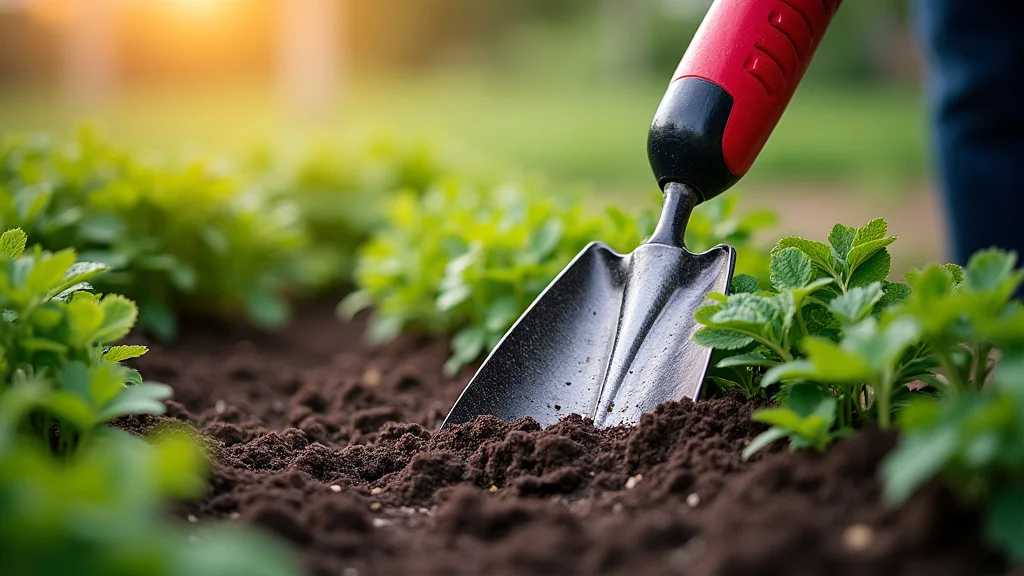
Hand trowels are essential for planting seedlings and working in small spaces. The small, curved blade allows you to dig precise holes, plant seedlings, and work around existing plants without causing damage. Trowels are perfect for transplanting smaller plants or bulbs. The ergonomic handle is good for comfortable use and the smaller size makes them ideal for container gardening. Selecting a trowel with a durable blade and a comfortable grip will ensure you enjoy it for several seasons.
Hand forks are designed to loosen and aerate the soil. With multiple tines, they’re perfect for breaking up compacted soil, removing weeds, and aerating the soil around established plants. Hand forks are especially useful in tight spaces. They’re also suitable for working in raised beds or containers where a larger tool might be too bulky. Select one with sturdy tines and a comfortable handle for efficient weeding. The hand fork’s design avoids the need to bend over.
Weeding and Pruning Tools
Weeding and pruning are crucial for maintaining a healthy and visually appealing garden. Weeding tools remove unwanted plants that compete for resources, and pruning tools help shape plants, encourage growth, and remove dead or diseased branches. Mitre 10 offers a range of tools to tackle these important tasks efficiently. Having the right tools makes weeding less labor-intensive and helps you get your pruning tasks done properly. Correct weeding helps plants get nutrients, and pruning helps plants grow well.
- Weeders: Different types are available, from hand weeders to long-handled versions.
- Pruning Shears: Essential for cutting stems and branches.
- Loppers: For cutting thicker branches.
- Pruning Saws: For cutting larger branches.
Weeders are designed to remove weeds from your garden, making the job much easier. They come in various styles, from small hand-held tools to longer-handled versions for standing work. The hand weeders are useful for detailed work. The long-handled tools can remove weeds without bending over, reducing strain on your back. There are weeders with specialized blades and forks to cut through roots, reducing the chance of weeds growing back. Selecting a weeder that fits your garden’s specific needs and your comfort level is key.
Pruning shears, or secateurs, are fundamental for trimming and shaping plants. They are used for cutting stems and smaller branches. There are bypass shears, which provide a clean cut by slicing past each other like scissors, and anvil shears, which cut down onto a flat surface. Bypass shears are best for green, living wood, while anvil shears can handle dead, tougher branches. A sharp pair of pruning shears ensures clean cuts that promote plant health and faster healing. Regular sharpening and maintenance will help you to get a lot of use out of them.
Loppers are long-handled pruning tools used to cut thicker branches. The extended handles provide extra leverage to cut through branches. Loppers come in both bypass and anvil styles, and the best choice depends on what you’re cutting. Bypass loppers cut smoothly, while anvil loppers are made for tougher, dead wood. The longer handles mean you can reach branches higher up in trees or shrubs. Choosing loppers with a comfortable grip will make your pruning tasks easier and more efficient.
Pruning saws are used for cutting larger branches that loppers can’t handle. These saws are designed with curved or straight blades to easily cut through wood. They usually have a curved blade to cut on the pull stroke, which gives a cleaner cut. Pruning saws are essential for removing dead wood, shaping trees, and controlling the size of shrubs. When selecting a pruning saw, look for a sharp, durable blade and a comfortable handle. The best saws have teeth that are designed for quick and efficient cutting.
Power Tools for the Modern Gardener
Power tools can transform your gardening tasks, making them faster and easier. Mitre 10 offers a range of power tools designed to assist the modern gardener. Whether you’re dealing with a large lawn or want to speed up planting and digging, power tools can be a real help. From lawn mowers to hedge trimmers, these tools can save you time, effort, and physical strain, allowing you to enjoy your garden more. Using them properly ensures safety and effective results.
Lawn Care Tools
Lawn care is a key part of maintaining a healthy and attractive garden. Power tools make this task more manageable, from mowing the grass to edging the borders. Mitre 10 has a range of tools that cater to lawn care needs, ensuring that your lawn stays healthy and neat. Choosing the right power tools ensures you’re able to handle your lawn care efficiently and effectively.
- Lawn Mowers: Available in electric, petrol, and battery-powered models.
- String Trimmers/Whipper Snippers: Used for edging lawns and trimming around obstacles.
- Hedge Trimmers: Electric or battery-powered options for shaping hedges and shrubs.
Lawn mowers are the backbone of lawn care. They come in electric, petrol, and battery-powered models. Electric mowers are good for smaller yards, offering ease of use and reduced noise. Petrol mowers are ideal for larger areas. Battery-powered mowers combine the convenience of electric models with cordless freedom. Choosing the correct type depends on the size of your lawn, your preference for noise, and convenience. Consider features like adjustable cutting heights and mulching capabilities. You should also ensure that any mower meets safety standards.
String trimmers, also known as whipper snippers, are designed to trim grass in hard-to-reach areas. They’re perfect for edging lawns, trimming around trees, and navigating borders. They use a rapidly spinning nylon string to cut grass. They come in electric and petrol models, and cordless versions give you greater freedom of movement. When selecting a string trimmer, consider the power output, the size of the cutting area, and the comfort of the handle. Always wear safety glasses to prevent eye injuries from flying debris.
Hedge trimmers are perfect for shaping hedges and shrubs. They come in both electric and battery-powered versions. Electric hedge trimmers are good for smaller gardens, but battery-powered trimmers are better because you have greater freedom of movement. Always select a trimmer with a blade length that fits the size of your hedges. Consider features like adjustable blade angles and ergonomic handles for comfort. Safety is key; always wear safety glasses and gloves, and carefully follow all safety instructions.
Soil Preparation and Cultivation
Preparing and cultivating the soil is important for a productive garden. Power tools make these tasks faster and easier. Mitre 10 provides tools to help you prepare the ground for planting, aerate the soil, and maintain a healthy garden. This includes rotavators and cultivators.
- Rotavators/Cultivators: For turning and aerating soil.
- Leaf Blowers/Vacuums: Helpful for clearing debris from lawns and pathways.
Rotavators and cultivators are power tools used to break up soil and improve its structure. They’re great for preparing planting beds. A rotavator uses rotating blades to dig into and turn the soil, while a cultivator uses tines to loosen the soil. Choose the one that suits your garden’s size and needs. Consider the power, working width, and ease of use. These tools can turn hard-packed soil into a well-aerated seedbed in less time than manual methods. Ensure that you follow the safety guidelines for operation.
Leaf blowers and vacuums are perfect for clearing leaves and debris from your garden. They can be electric or petrol-powered, with many models offering both blowing and vacuuming functions. Leaf blowers use a stream of air to move leaves and debris quickly, while vacuums collect debris into a bag. Choose the correct tool depending on the size of your garden and the amount of debris you need to manage. When selecting a leaf blower or vacuum, consider the power, airspeed, and weight. Many have features to reduce noise and vibration.
Choosing the Right Tools: A Practical Guide
Selecting the right gardening tools is crucial for both efficiency and enjoyment. With the various options at Mitre 10, it’s easy to get what you need, making your gardening experience a success. By following a thoughtful approach, you can ensure that you’re investing in tools that will serve you well for many seasons. The best tools will suit your gardening requirements and budget, so you can enjoy growing plants and flowers.
Assessing Your Gardening Needs
Before buying any tools, assess your gardening needs. Start by taking stock of your garden’s size, your existing plants, and the types of gardening tasks you’ll be doing. Identifying these needs will ensure you choose tools that fit your space and your gardening goals. Determine what you plan to grow in your garden and how much time you want to spend on gardening activities.
- Garden Size: Smaller gardens may require fewer tools than larger ones.
- Type of Plants: Different plants require different tools for care.
- Gardening Tasks: Consider the tasks you’ll be performing regularly.
The size of your garden significantly impacts the tools you’ll need. If you have a small garden or a balcony garden, you’ll need fewer tools and smaller, more compact ones. In a large garden, you’ll benefit from a wider array of tools, including power tools like lawn mowers and hedge trimmers. Consider your ability to move and store tools, and select accordingly. The goal is to choose tools that make it manageable and enjoyable to care for your specific outdoor space.
The types of plants in your garden greatly influence your tool choices. For example, if you have many shrubs and hedges, pruning shears and hedge trimmers will be essential. If you grow vegetables, you’ll need tools for planting, weeding, and harvesting. If you have a lawn, a lawn mower and string trimmer are a must. The more diverse your garden, the more variety you’ll need in your tool selection. Tailor your selection to the needs of the plants you grow.
Think about the gardening tasks you’ll do most frequently. If you spend time planting, you’ll want hand tools like a trowel and a transplanting spade. If weeding is a major chore, a good hand weeder and possibly a long-handled weeder will be helpful. If you plan to maintain a neat lawn, a lawn mower and string trimmer are essential. List the tasks you anticipate doing, and select tools accordingly. Prioritize tools that will make your most frequent tasks easier and more efficient.
Considering Tool Features and Quality
Once you know your gardening needs, focus on the features and quality of the tools. Consider the materials, design, and ergonomics of each tool, and choose tools that are durable, comfortable, and efficient. Spending time on selecting high-quality tools that are a pleasure to use will pay off in the long run.
- Materials: Look for tools made from durable materials.
- Design and Ergonomics: Choose tools that are comfortable to use.
- Brands and Reviews: Research different brands and read reviews.
Tool materials greatly impact the tool’s lifespan and performance. Look for tools made from durable materials like stainless steel, high-carbon steel, or fiberglass. Stainless steel resists rust and corrosion. High-carbon steel is strong and holds a sharp edge. Fiberglass handles are strong and weather-resistant. Avoid tools made from flimsy materials, as they may break quickly. Investing in good materials gives a longer-lasting performance.
The design and ergonomics of a tool impact how it feels in your hand and your physical comfort. Look for tools with comfortable grips, well-balanced designs, and handles that fit your hand size. Ergonomic handles can reduce strain on your hands, wrists, and back, particularly when you’re working for extended periods. When you are buying tools, hold them and make sure they feel right. A well-designed tool will make gardening more enjoyable and less tiring.
Researching different brands and reading reviews helps you select tools that have good reputations for quality and performance. Popular brands such as Spear & Jackson and Fiskars are known for their durable and reliable tools. Reading online reviews from other gardeners provides insights into a tool’s performance, durability, and ease of use. Check out multiple reviews to get a balanced view of the tool’s performance. By investigating brands and gathering feedback, you can make better choices and avoid buying tools that might disappoint you.
Budgeting for Your Gardening Tools
Setting a budget helps you make informed choices about your tool purchases. There are tools available at different price points at Mitre 10, catering to all budgets. By planning your purchases and focusing on quality, you can create a well-equipped garden without overspending. Prioritize your essential tools first and add other tools as your budget allows.
- Setting a Budget: Determine how much you’re willing to spend.
- Prioritizing Essential Tools: Buy essential tools first.
- Comparing Prices: Check prices at different stores.
Before you begin shopping, set a realistic budget for your gardening tools. Decide how much you’re willing to spend overall, and then allocate that budget among different tool categories. This may help you make the best use of your money. Setting a budget helps you focus on what you need, avoid overspending, and ensure that you’re getting value for your money. Think about how much you need to spend to create a well-equipped garden without overextending your finances.
When you have a limited budget, prioritize the essential tools you need to get started. These include basic hand tools like a trowel, hand fork, pruning shears, and a spade or shovel. Once you have these basics, you can add other tools as your budget allows. Prioritizing essential tools ensures that you can begin gardening and then expand your tool collection as your needs grow. This strategy helps you make the most of your budget while building a complete set of gardening tools.
Before buying any tools, compare prices at different stores. Mitre 10 is usually a good starting point, but other local gardening stores or online retailers can also have competitive prices. Look at reviews to see how the tools compare. Don’t base your decision solely on the price. By doing your research, you will ensure you get the best value for your money. Price comparisons help you make the correct decisions.
Caring for Your Mitre 10 Gardening Tools
Proper care and maintenance of your Mitre 10 gardening tools will extend their lifespan and ensure they function properly. Regular cleaning, sharpening, and storage will help prevent rust, corrosion, and damage. By following a few simple steps, you can keep your tools in good condition for years, saving you money and making your gardening experience more enjoyable.
Cleaning and Maintenance
Regular cleaning is necessary to maintain your tools and keep them functioning properly. Clean the tools after each use to remove dirt, sap, and other debris. Sharpening the blades of pruning shears, shovels, and other tools will ensure they perform at their best. By taking good care of your tools, you can ensure they work well and last for years.
- Cleaning Tools: Clean tools after each use to remove debris.
- Sharpening Blades: Keep blades sharp for efficient cutting.
- Lubricating Moving Parts: Lubricate moving parts to prevent sticking.
Clean your tools after each use to remove soil, sap, and plant debris. Use a stiff brush or a putty knife to remove dirt. Wash the tools with soap and water if necessary, and ensure they are thoroughly dry. Cleaning your tools after each use will prevent corrosion and rust. Regular cleaning will extend the tools’ lifespan and keep them in good condition for all your gardening needs.
Regularly sharpen the blades of pruning shears, shovels, and other tools for effective cutting. Use a file or sharpening stone. Sharpen blades at the correct angle. Sharp blades cut more efficiently and reduce strain. Sharpening blades also improves plant health by ensuring clean cuts. Maintain your cutting tools sharp for a better gardening experience.
Lubricate the moving parts of tools like pruning shears and loppers to prevent sticking and ensure smooth operation. Apply a few drops of lubricating oil at the pivot points and along the blades. Lubricating moving parts reduces friction and wear. It also helps prevent rust. Apply lubricant regularly, especially before storing your tools for the winter. This will keep them working properly.
Storage and Protection
Proper storage protects your tools from weather damage and theft. Protect your tools during the off-season. By following some storage tips, you can protect your tools and ensure they are ready for the next gardening season. Proper storage keeps your tools safe and accessible.
- Storing Tools: Store tools in a dry place.
- Protecting Blades: Cover blades to prevent damage.
- Off-Season Care: Prepare tools for storage during the off-season.
Store your tools in a dry place, such as a shed, garage, or tool rack. This will protect them from moisture and prevent rust. Avoid storing tools outdoors, where they may be exposed to the weather and prone to damage. Using a tool rack or hanging your tools can keep them organized and easy to access. Storing your tools will make them last longer and ensures they are always ready to use.
Protect the blades of your tools, such as pruning shears and shovels, to prevent damage. You can do this by using blade covers, sheaths, or tool wraps. These protective measures will help prevent nicks, scratches, and dulling. Always wear safety glasses when working with tools with sharp blades. Protecting the blades will help your tools last longer and keep them in safe condition for future use.
At the end of the gardening season, prepare your tools for off-season storage. Clean and sharpen all tools, and apply a protective coating of oil to prevent rust. Store tools in a dry, covered area. Inspect tools for damage, and repair or replace any worn parts. Preparing tools properly ensures they’re ready for the next gardening season.
Maximizing Your Garden’s Potential with Mitre 10 Tools
With the right Mitre 10 gardening tools, you can transform your garden. Whether you’re starting a new garden or upgrading your existing one, the tools available at Mitre 10 will help you achieve your goals. From preparing the soil to planting, watering, and maintaining your plants, the correct tools are key. By following the best practices, you can create a beautiful, thriving garden.
Creating the Right Conditions for Plant Growth
Creating the correct environment for plant growth begins with the soil. Your soil, location, and the correct gardening tasks make a difference. By considering these factors and using the right tools, you can ensure your plants get the nutrients they need.
- Preparing the Soil: Use tools to improve soil quality.
- Choosing the Right Plants: Select plants suitable for your climate and location.
- Watering and Fertilizing: Provide adequate water and nutrients.
Use tools like spades, shovels, and rotavators to prepare your soil. Improve the soil by turning over and aerating the soil. You can also add compost and organic matter. Improving your soil gives your plants what they need to thrive. Preparing the soil correctly is an important step towards a successful garden.
Choosing the correct plants for your climate and location is crucial for their success. Research plants that thrive in your area and consider the amount of sunlight, water, and soil conditions they need. Select plants that are known to thrive in your location, and consider the size and growth habits of each plant. This step will help your garden bloom.
Provide your plants with adequate water and nutrients. You can use watering cans, hoses, or irrigation systems to water your plants. Use fertilizers and compost to provide nutrients. Water plants at the base. You can fertilize your plants according to their needs. Proper watering and fertilization ensure that your plants get everything they need to flourish and produce beautiful results.
Maintaining and Enhancing Your Garden
Maintaining and enhancing your garden requires ongoing care and attention. Regular tasks such as weeding, pruning, and pest control help to keep your plants healthy. Using the right tools for these tasks helps you get everything done efficiently and helps to ensure that your garden will bloom.
- Weeding Regularly: Use weeders to remove unwanted plants.
- Pruning and Shaping Plants: Use pruning shears and loppers to shape plants.
- Pest and Disease Control: Monitor and manage pests and diseases.
Weed your garden regularly. Use hand weeders or long-handled weeders to remove weeds. Weeding is essential to prevent weeds from competing with your plants for nutrients, water, and sunlight. Weeding frequently helps to keep your garden neat and healthy. By removing weeds, your plants can thrive without having to compete for resources, leading to a more beautiful and productive garden.
Prune and shape your plants to encourage healthy growth and a pleasing appearance. Use pruning shears and loppers to remove dead, diseased, or overgrown branches. Pruning stimulates new growth and promotes better air circulation. Regularly pruning plants keeps them in good health and helps them to thrive, resulting in a more attractive garden.
Monitor your plants for signs of pests or diseases. Use pest control and disease-control methods. Identify and treat problems early to prevent them from spreading. Inspect your plants often, so that you know if there is a problem. Regular monitoring and care will help protect your garden from damage, helping your plants to grow strong and healthy.
Frequently Asked Questions
Question: What are the essential hand tools I need to start gardening?
Answer: A trowel, hand fork, spade or shovel, pruning shears, and a watering can are excellent starting points.
Question: How do I choose the right size lawn mower for my yard?
Answer: Consider the size of your lawn; a smaller mower is good for smaller yards, while a wider mower is more efficient for larger areas.
Question: How do I maintain my gardening tools to ensure they last?
Answer: Clean tools after each use, sharpen blades, lubricate moving parts, and store them in a dry place.
Question: What are the benefits of using power tools in gardening?
Answer: Power tools save time, reduce physical effort, and often offer more efficient solutions for tasks like mowing and soil preparation.
Question: Where can I find a good selection of Mitre 10 gardening tools?
Answer: Mitre 10 stores and their online platform offer a wide range of gardening tools, accessories, and expert advice.
Final Thoughts
Choosing the correct Mitre 10 gardening tools is your first step toward creating the garden you’ve always wanted. You can make an enjoyable experience by taking some time to assess your gardening needs. From the fundamental hand tools like spades and pruning shears to the power tools like lawn mowers and hedge trimmers, Mitre 10 provides everything you need to succeed. Remember to consider the quality, ergonomics, and budget when selecting your tools, and never overlook the importance of proper care and maintenance. By following these guidelines, you’ll be well on your way to enjoying a beautiful and thriving garden. So, gather your tools, get outside, and start transforming your garden space into your own personal haven!