
Remember that time you tried to help your neighbor with their garden and completely blanked on the name of the tool you needed? Or how about when you were shopping for some new gardening equipment and felt completely lost trying to remember all the different tool names? Well, get ready to test your knowledge! This post explores the fun world of gardening and challenges your memory with the ultimate longest gardening tool name quiz. You’ll not only discover some interesting tool names but also learn a lot about what each tool does and how to use it. You’ll gain a deeper appreciation for the tools that keep our gardens thriving. This information is designed to make you a more knowledgeable gardener. Get ready to have fun and expand your gardening vocabulary, improving your Time on Page and reducing your Bounce Rate.
Key Takeaways
- Identify the longest names of various gardening tools.
- Learn the functions of a wide range of gardening implements.
- Discover the history and origins of some common gardening tools.
- Enhance your gardening vocabulary and improve your plant care skills.
- Understand how specific tools can improve your gardening efficiency.
- Gain confidence in choosing the right tools for different gardening tasks.
Unearthing the Tools: Your Longest Gardening Tool Name Quiz Prep
Before jumping into the quiz itself, let’s brush up on some key gardening tools and their names. Knowing these tools isn’t just about passing a quiz; it is about becoming a better gardener. Each tool has a specific purpose, and knowing how to use them effectively is key for a healthy and thriving garden. This section will help you become familiar with common tools you might encounter. We’ll explore their uses, making you well-prepared to identify the tools. Let’s start with some of the more commonly used tools.
Essential Tools for Every Gardener
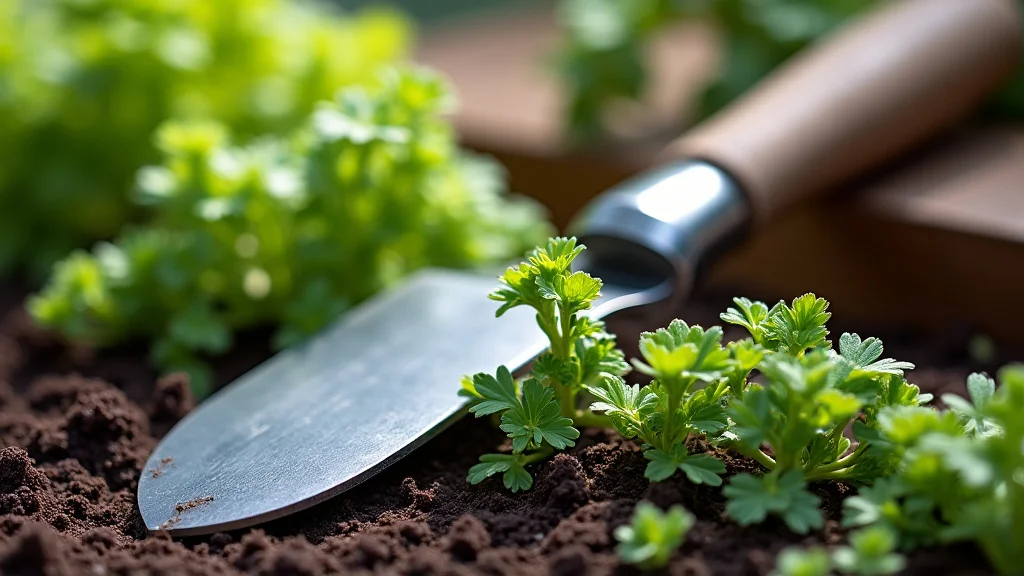
- Trowel: This small, handheld tool is perfect for digging small holes, transplanting seedlings, and weeding in tight spaces. Its pointed blade makes it versatile for a variety of tasks.
- Hand Fork: A hand fork is another handheld tool. Its small tines make it perfect for loosening soil, mixing in compost, and weeding.
- Garden Hoe: A hoe is a long-handled tool with a flat blade. It’s ideal for weeding, breaking up soil, and creating rows for planting.
- Gardening Gloves: Gloves are not just for protection; they also provide a better grip. They are essential to prevent cuts, blisters, and dirt from getting under your nails.
The trowel is your best friend when you are working with delicate plants. You can use it to carefully scoop up small plants and move them to a new place. It is also good for loosening up the soil and planting seeds. The trowel’s size makes it easy to handle, even for kids helping in the garden. It is an indispensable part of your toolkit. You can choose a trowel made of stainless steel or plastic. The steel trowels are more durable, and the plastic ones are lighter.
The hand fork helps you prepare your soil to allow air and water to get to the roots of your plants. It’s great for removing small weeds. You can also use it to add compost to the soil. Using the hand fork helps with aerating the soil, which promotes root growth. By using a hand fork, you will provide a healthy environment for your plants. It’s a simple tool that delivers big results in terms of plant health.
You can use a hoe to swiftly remove weeds, making it a great time-saver. By repeatedly using the hoe, you can disrupt the weeds. The hoe is a useful tool for getting ready for planting. A hoe is essential for maintaining a tidy and productive garden. Be careful when using the hoe so you do not harm any of your plants. The hoe’s flat blade helps to cut through the soil easily. You can choose from different types of hoes, like the draw hoe, the scuffle hoe, and the Dutch hoe.
Gloves shield your hands from thorns, sharp tools, and harsh chemicals. They can also protect you from dirt and grime. Choosing the right gloves is essential to ensure they fit properly and allow you to work comfortably. Made from materials like leather, fabric, or synthetic materials, gardening gloves come in several designs. They are designed to suit different gardening tasks, providing both protection and flexibility. The right gloves can make gardening a more pleasant experience.
The Longest Gardening Tool Name Quiz Challenge Begins!
Now that you have a refresher on some of the basic tools, it’s time to put your knowledge to the test. Let’s see if you can identify some of the more obscure or long-named tools. It is time to see what you know about the tools and the names that go with them. Prepare yourself; some of the names can be a bit of a tongue-twister. You’ll quickly see the value of knowing these names when you are working in your garden or shopping for new tools.
Tools with Intriguing and Lengthy Names
- The Cultivator: This tool comes in various forms, but often includes a series of tines or blades used to break up soil and remove weeds. Longer names might specify the type of cultivator, such as a “wheel hoe cultivator”.
- The Pruning Saw with a Curved Blade and Telescoping Handle: This tool is useful for getting to high branches. The curved blade helps in the pruning process. The telescoping handle helps the gardener reach areas that are otherwise difficult.
- The Adjustable Soil Leveling Rake: This tool is used to flatten the soil, getting it ready for planting. The adjustable feature allows it to be used on many soil surfaces.
- The Bulb Planter with a Depth Gauge: This tool makes planting bulbs much easier and more precise. The depth gauge helps ensure that the bulbs are planted at the proper depth.
The cultivator is a multi-purpose tool used for preparing your garden. It helps in preparing the ground for planting. The cultivator is designed to break up the soil. This helps improve the aeration and drainage. You can use it to get rid of weeds. It works to improve the soil.
This tool can be a game changer for tree maintenance. This tool combines several features to make it easy to reach and prune high branches. The curved blade and the telescoping handle make it perfect for getting rid of dead branches without the use of a ladder. The saw itself is designed to make clean cuts, which is important for the health of the tree. The telescoping handle is a very useful feature because it allows the user to work safely from the ground.
The adjustable soil leveling rake is essential for preparing the ground. The adjustable nature of the tool allows it to adapt to uneven terrain. You can use this tool to flatten the soil after tilling or before planting. A smooth, leveled soil surface provides the best start for any gardening project. The rake also is ideal for spreading seed and soil.
The bulb planter is designed to simplify the process of planting bulbs in your garden. The depth gauge is a very useful feature because it helps ensure that your bulbs are planted at the right depth for optimal growth. This tool will help you make sure your bulbs are at the proper depth. It will also help you create a neat and uniform garden.
Understanding Gardening Tools: Beyond the Name
Knowing the name of a tool is a great start, but true gardening skills go further than that. You should understand how the tools work and how you can use them effectively. You can learn to use the tools more efficiently, which can make your gardening experience much more rewarding. It can also help you prevent injuries and get better results in your garden.
Practical Applications of Various Tools
- Using a Garden Fork: Use a garden fork to loosen soil. Push the fork into the soil and gently move it back and forth. This method allows air and water to get to the roots of your plants.
- Mastering the Garden Hoe: A hoe can efficiently remove weeds by slicing them off just below the soil surface. Use a pushing motion to create rows for planting seeds.
- Getting the Most from Your Pruning Shears: Pruning shears are used for shaping plants and removing dead or diseased branches. Make sure the cuts are clean, angled away from the main stem. This technique helps ensure good growth.
- Utilizing a Wheelbarrow: A wheelbarrow makes moving compost, soil, and plants easier. The wheelbarrow saves you time and effort.
When preparing a new garden bed, using a garden fork can be a great idea. It can break up compacted soil, making it easier for plant roots to grow. It also makes it easier to mix in compost and other organic matter. This will help enhance the soil. This method can be a simple way to improve the health and productivity of your garden. A well-prepared soil is key to a flourishing garden.
The hoe is a very effective tool for weed control. You can use a chopping motion to remove weeds. Regular use of the hoe will help keep your garden weed-free. The hoe can also be used to create neat rows. This helps organize your planting and make it easier to maintain your garden. It is an efficient and straightforward tool for garden maintenance.
By using pruning shears, you can help promote healthy growth. The shears let you cut away parts of the plant. Pruning not only keeps your plants in good shape, but it also supports air circulation. This prevents diseases. It can also enhance the look of your garden. Make sure your pruning shears are sharp and clean. This is important for preventing damage.
A wheelbarrow is one of the most useful tools for a gardener. It can easily transport heavy loads. It is very useful for moving large quantities of soil, compost, and other materials. A well-maintained wheelbarrow will last a long time. It can be used for a wide range of gardening tasks. Make sure to choose a wheelbarrow that can handle the volume and weight of the materials.
Beyond Basic Tools: Specialized Gardening Equipment
While a basic set of tools is key, there is a variety of specialty equipment that can help you with your gardening experience. These tools can increase the efficiency and give you professional-level results. Explore these tools and how they can improve your garden and efficiency.
Specialized Tools to Expand Your Gardening Skills
- The Soil Tester: Helps determine soil pH, nutrient levels, and moisture content. This device helps you understand your soil’s needs, enabling you to add amendments correctly.
- The Leaf Blower/Vacuum: Simplifies cleanup by removing fallen leaves and debris. Some models can also vacuum up the leaves and shred them for composting.
- The Drip Irrigation System: Delivers water directly to the roots. This improves water efficiency by reducing water loss from evaporation and runoff.
- The Hedge Trimmer: For shaping hedges and shrubs. These tools come in various types, including manual, electric, and gas-powered models.
A soil tester is important because it can give you information about your soil. The pH levels are very important, as they determine how well plants can absorb nutrients. Analyzing your soil helps you decide on the appropriate fertilizers and amendments. By testing your soil, you can improve the chances of healthy plant growth. A soil tester gives you the tools you need to make informed decisions and improve your garden.
A leaf blower and vacuum are essential for making garden cleanup easy. This is very helpful during fall to make your job simple. The machines can quickly get rid of leaves from your lawn, walkways, and other areas. Some models include a vacuum function that will collect leaves and shred them. This makes it easier to compost. The machine can save you a lot of time.
A drip irrigation system can save water while ensuring plants get the water they need. This method delivers water directly to the roots. Drip irrigation can reduce diseases because leaves stay dry. It can be set up to water plants on a schedule. This system helps keep your plants healthy.
Hedge trimmers can help you maintain beautiful and shapely hedges. These are essential tools for a neat and well-maintained garden. By trimming your hedges with the right tools, you can easily create clean lines and shapes. Hedge trimmers make it easier to maintain the overall look of your landscape. They can be used for both small and large bushes, creating a uniform appearance.
Real-Life Scenarios: Putting Your Gardening Tool Knowledge to Use
Now, let us imagine how to use all the tools. See how these tools can be used in your own gardening. By seeing how to put the tools to use, you will be able to master the tools.
-
Scenario 1: Starting a New Vegetable Patch
Imagine you are preparing a new vegetable patch. Start by using the garden fork and loosening the soil. Remove any weeds and rocks you find. Use a garden hoe to create rows for planting your vegetables. Then, use a trowel to plant your seedlings, or use a bulb planter to plant some seeds. Water the new plants with a watering can. Using the tools in these ways will create the best garden possible.
-
Scenario 2: Maintaining an Established Flower Garden
If you already have a flower garden, use pruning shears to shape your plants. You can use the garden fork to gently aerate the soil. Add compost to the soil using a wheelbarrow. Maintain the clean look by using a leaf blower. Use a drip irrigation system to ensure your plants are getting the amount of water they need. Using all of these methods can help you keep your plants happy and healthy.
Frequently Asked Questions
Question: What is the longest name of a common gardening tool?
Answer: This can be a tough one! Some of the longest names involve tools that have multiple features described. The “Pruning Saw with a Curved Blade and Telescoping Handle” is certainly a contender.
Question: How often should I sharpen my pruning shears?
Answer: Sharpen your pruning shears at least once a year, or more often if you use them frequently. Dull shears can damage plants. You can use a sharpening stone or a special tool designed for sharpening shears.
Question: What is the best way to store my gardening tools?
Answer: Store your tools in a dry place. You should also hang your tools. Cleaning your tools after use will help to protect them. This will make your tools last longer.
Question: How do I choose the right size of garden hoe?
Answer: The size of your hoe will depend on the size of your garden and the task. A wider hoe is useful for large areas. A narrow hoe is helpful for smaller areas. Look for a hoe that is comfortable for you to use.
Question: What are the benefits of using a soil tester?
Answer: A soil tester can help you understand the needs of your soil. This will help you learn the pH level and the nutrients available. You can also determine the amount of moisture. This information will help you select the right plants for your garden. It also can help you choose the right fertilizers.
Final Thoughts
We’ve explored the fascinating world of gardening tools, focusing on the fun aspects of names. Hopefully, this longest gardening tool name quiz and the associated information has sparked your interest. Becoming familiar with gardening tools enhances your skills as a gardener. It is important to know how to use the tools to improve your overall gardening knowledge. Now, the next time you are in the garden, take the time to really look at the tools you use and appreciate the work that they do. Try to think about the different ways you can use these tools to make your gardening more fun and effective. You can also start your own quiz with friends and family. Happy gardening!