
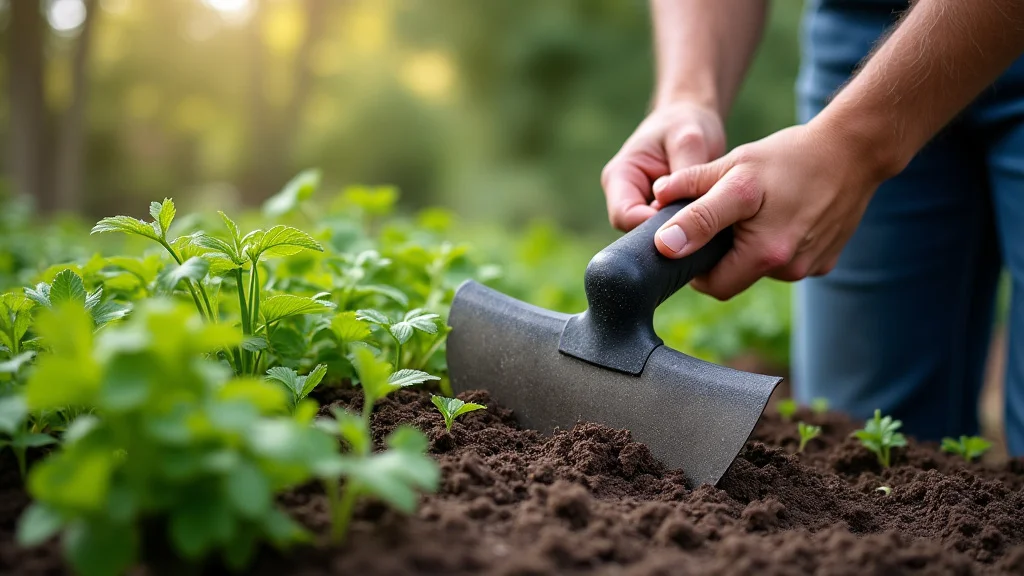
Remember that time you tried to clear those fallen leaves with your hands? It wasn’t fun, was it? We’ve all been there, wishing for an easier way. That’s where the humble gardening tools rake comes in. This post will explore everything you need to know, from choosing the right type of gardening tools rake for your yard to keeping it in tip-top shape. You’ll get practical advice to improve your gardening experience and save time and effort. You’ll also discover how the right tools can make gardening more enjoyable, increasing your engagement with your garden and reducing your frustration.
Key Takeaways
- Learn about different types of rakes and their specific uses.
- Discover the best materials for your needs.
- Find out how to properly use a rake for various gardening tasks.
- Get tips on maintaining your rake for longevity.
- Understand the importance of choosing the right rake for your garden.
- Gain insights into common gardening problems solved by a rake.
Selecting the Right Gardening Tools Rake
Choosing the correct gardening tools rake is vital for efficient yard work. A well-chosen rake simplifies tasks like leaf removal, soil leveling, and debris clearing, making your gardening experience more enjoyable. Before purchasing a rake, consider the size of your garden, the types of tasks you’ll be performing, and the materials the rake is made of. Thinking about these factors ensures that you select a rake that is both suitable and built to last. A poorly chosen rake can lead to extra effort and potential damage to your lawn or garden beds.
Types of Rakes and Their Uses
Different types of rakes are built for specific tasks. Selecting the right type is critical for efficiency and preventing damage. The best type of rake depends on what you plan to do in your garden.
- Leaf Rakes: These rakes are designed for gathering leaves, grass clippings, and other light debris. Their wide, fanned-out tines make it easy to cover a large area, and the flexible tines prevent snagging on the ground.
- Garden Rakes: These rakes, often called landscape rakes, are suitable for soil preparation, leveling, and spreading mulch or gravel. They typically have metal tines and a more rigid design, making them durable for tougher tasks.
- Thatch Rakes: Thatch rakes are designed to remove thatch, which is a layer of dead grass and organic matter that can build up on your lawn. They have sharp, angled tines that penetrate the thatch and pull it up.
Leaf rakes typically feature plastic or bamboo tines and are relatively lightweight, which makes them ideal for large lawns and gardens. Their primary function is to gather loose materials without damaging the underlying surface. The wide head allows for efficient coverage, reducing the amount of time needed to clear debris.
The sturdy construction of garden rakes makes them suitable for breaking up soil clumps and creating a smooth, level surface. The shorter, stronger tines can handle heavier materials, which is why these are perfect for projects that require a firmer touch. Garden rakes are very beneficial for creating the ideal seedbed for new plantings.
Using a thatch rake helps promote healthy turf by allowing air, water, and nutrients to reach the roots of the grass. They are typically made with metal tines and a strong handle, providing the necessary strength to remove thatch effectively. Regular use of a thatch rake can dramatically improve the health and appearance of your lawn.
Materials to Consider
The materials a rake is made from impact its durability, weight, and suitability for different tasks. It is wise to review the materials used when you begin shopping for a gardening tools rake.
- Tine Materials: The tines, or teeth, of a rake can be made of plastic, metal, or bamboo. Plastic tines are lightweight and flexible, excellent for leaf raking, while metal tines are more durable and suitable for tougher tasks like soil leveling. Bamboo tines offer a balance of flexibility and strength.
- Handle Materials: Rake handles are usually made of wood, fiberglass, or metal. Wood handles are traditional and offer good shock absorption but can be prone to splintering. Fiberglass and metal handles are more durable and weather-resistant.
- Durability and Weight: Consider the balance between durability and weight. A heavier rake is more suited for demanding tasks, but a lighter one is easier to handle for extended periods. The durability of the materials ensures that your rake will perform well for a long time.
Plastic tines are less likely to damage delicate surfaces but might not withstand heavy use. Metal tines, on the other hand, are durable and can handle rougher conditions but can be heavier. Bamboo is a sustainable option that combines flexibility and durability.
Wood handles provide a classic feel and are usually comfortable to grip. Fiberglass handles are lightweight and resistant to the elements, making them a low-maintenance option. Metal handles offer the greatest durability and are built to last.
The right balance depends on your specific needs. If you have a large area, a lighter rake might be preferable to avoid fatigue. If you need to level soil or break up clumps, a more durable and possibly heavier rake is better.
Proper Techniques for Using a Gardening Tools Rake
Using a gardening tools rake correctly boosts efficiency and prevents both injury and damage to your garden or lawn. Proper technique varies based on the task, but the basic principles of posture and movement remain constant. Knowing the best methods ensures your gardening efforts are both effective and safe.
Leaf Raking Techniques
Leaf raking is a common chore, and using the right technique can make it less tiring and more productive.
- Posture: Stand upright with your feet shoulder-width apart. Keep your back straight, and bend at the knees to maintain good posture. This helps to prevent strain.
- Raking Motion: Use a sweeping motion, pulling the rake towards you. Avoid sudden jerks, which can strain your muscles. Overlap your strokes slightly to ensure thorough coverage.
- Collecting Leaves: Once you’ve gathered leaves, move them to a collection point, such as a compost pile or trash bag. Use the rake to guide the leaves, or use a scooping motion.
Good posture minimizes the stress on your back and allows you to use your body’s strength efficiently. Avoid hunching over, as this can lead to discomfort and potential injuries. Keeping your weight balanced also improves control.
A smooth, consistent sweeping motion covers more ground with less effort. Overlapping strokes prevents missing any areas and ensures all leaves are gathered. Pace yourself to prevent fatigue and maintain control.
Efficient collection is key to completing the task quickly. Guiding the leaves with your rake can reduce the need to bend over. Proper disposal of the leaves prevents them from re-entering your garden.
Soil Leveling and Preparation
Soil leveling is essential for preparing garden beds. This process sets the stage for planting and promotes healthy growth. Here’s how to do it effectively.
- Breaking Up Clumps: Use the tines to break up soil clumps before leveling. This loosens the soil and makes it easier to work with.
- Leveling the Surface: Drag the rake across the soil surface to create a smooth, even surface. Remove any stones, roots, or debris that the rake uncovers.
- Spreading Mulch: After leveling, you can spread mulch using the rake. This helps retain moisture, suppress weeds, and add nutrients to the soil.
Breaking up soil clumps improves aeration and allows roots to penetrate the soil more easily. This helps to create a favorable environment for plant growth. Using the rake to break up clumps eliminates the need for more specialized tools.
Leveling the surface ensures even water distribution and prevents water from pooling. This also provides an ideal seedbed for new plants. Removing debris prevents interference with plant growth.
Spreading mulch evenly using the rake makes the process faster. Mulch provides additional benefits for your garden, supporting plant health and reducing the need for watering.
Raking for Lawn Care
Raking is not just for leaves; it’s a vital task for lawn care and lawn health. Regular raking can improve the appearance and health of your grass.
- Removing Thatch: Use a thatch rake to remove the layer of dead grass and organic matter from your lawn. This improves air circulation and allows water and nutrients to reach the roots.
- Aerating the Lawn: Raking can help aerate your lawn by creating small holes in the soil, improving air and water penetration.
- Preparing for Overseeding: Before overseeding, use a rake to loosen the soil and remove any debris. This creates an ideal environment for grass seeds to germinate and grow.
Thatch buildup prevents the grass roots from receiving the resources they need to thrive. Removing thatch helps create a healthier and more vibrant lawn. This process is very beneficial for encouraging healthy grass growth.
Aeration improves the overall health of your lawn by reducing soil compaction and promoting root growth. This is particularly useful in areas with heavy foot traffic or clay soil. By creating holes in the soil, the grass can breathe easier.
Loosening the soil allows the grass seeds to make better contact with the soil. Removing debris ensures the seeds are not blocked from sunlight and water. This is a very beneficial process to give seeds their best opportunity to grow.
Maintenance and Care for Your Gardening Tools Rake
Proper maintenance ensures your gardening tools rake will last and perform well over time. Taking good care of your rake is simple but essential. The small actions you take today will pay dividends, keeping your tool in excellent condition for many seasons. Regular care keeps the rake in good working order.
Cleaning Your Rake
Cleaning your rake after each use is an easy way to extend its life and performance.
- Removing Debris: After each use, remove any leaves, soil, or debris that are stuck in the tines. This prevents rust and corrosion.
- Washing the Rake: Wash the rake with water and soap to remove any remaining dirt and grime. Rinse thoroughly and let it dry before storing.
- Checking for Damage: Inspect the tines and handle for any damage, such as cracks, bends, or splinters. Repair any damage immediately to prevent further issues.
Removing debris immediately after use is the simplest way to maintain your rake. This will stop the accumulation of dirt and prevent problems in the future. Regular cleaning makes the rake easier to use and maintain.
Washing your rake with soap and water removes any accumulated materials that may not be visible. Proper drying prevents the buildup of rust and damage to the wood or metal parts of the rake. By washing your rake, you can ensure it remains in its best condition.
Checking for damage before storing the rake is helpful. Small damage can turn into larger problems if left unattended. Quickly repairing issues will prevent them from compromising the tool’s performance and safety.
Storage Tips
Storing your rake correctly protects it from the elements and extends its life.
- Upright Storage: Store the rake upright in a shed or garage to prevent the handle from warping.
- Protecting the Tines: If possible, hang the rake to keep the tines off the ground. This helps to prevent bending or damage.
- Avoiding Sunlight and Moisture: Store the rake in a dry, shaded area. Direct sunlight and moisture can damage the handle and tines.
Storing your rake upright ensures that the handle does not become damaged by excessive pressure. Storing the rake in a secure and dry location keeps it safe from the elements. Protect your investment by selecting the proper storage spot.
Hanging your rake protects the tines from damage and keeps them in good condition. Tines on the ground are much more susceptible to damage. You will also improve their longevity.
Choosing the right storage environment for your rake will increase its life and help it to remain in good working order. Moisture and direct sunlight can damage both the handles and the tines, but a dry, shaded area protects your gardening tool rake from the elements.
Sharpening and Repair
Sometimes, a rake needs a bit more attention. Here’s how to sharpen and repair it.
- Sharpening Metal Tines: Use a file to sharpen the metal tines if they become dull. This makes them more effective at breaking up soil.
- Repairing Handles: Replace or repair the handle if it becomes cracked or splintered. This is important for safety and comfort.
- Maintaining Wooden Parts: Apply a wood preservative to the handle to protect it from the elements. This helps to prevent rot and decay.
Sharpening metal tines ensures they continue to perform well. Over time, the tines may lose their sharpness, making it harder to accomplish tasks. Restoring the sharpness is critical to ensure proper function. Check your tines regularly and sharpen them as needed.
Handle damage can make your rake unsafe and uncomfortable to use. Replacing or repairing the handle immediately ensures that it does not become a more serious problem. A well-maintained handle ensures the rake is safer to use.
Wood is susceptible to damage from moisture and the sun. Applying a wood preservative on the wooden handle adds protection and significantly extends its lifespan. This will keep the wood in good condition.
Common Gardening Problems Solved with a Rake
A gardening tools rake helps with a range of gardening tasks beyond the simple tasks. It’s a key tool for solving problems and creating a thriving garden.
Dealing with Thatch and Lawn Health
Thatch buildup is a common issue that can hinder the health of your lawn. A rake is a beneficial tool to address this and improve lawn health.
- Removing Excess Thatch: Use a thatch rake to remove excess thatch that can prevent water and nutrients from reaching the roots of your grass.
- Improving Aeration: Raking can help aerate your lawn by creating small holes in the soil, which improves air and water penetration. This is important in compacted soils.
- Promoting New Growth: By removing dead organic matter and aerating the soil, raking stimulates new growth and a thicker, healthier lawn.
Thatch buildup creates a barrier. This prevents water and nutrients from reaching the soil. Regular removal allows your lawn to get the resources it needs. Using a thatch rake will improve lawn health.
Improving aeration is very beneficial. It allows roots to grow more effectively, promoting a stronger and healthier lawn. Aeration solves a range of problems, and raking is one step.
Removing thatch and aerating the soil creates an environment that encourages new growth and is beneficial for overall lawn health. The grass receives the nutrients it needs to thrive.
Managing Soil and Surface Issues
Rakes are essential for managing soil and surface issues, ensuring you have the right base for your garden.
- Leveling Uneven Ground: Use a garden rake to level uneven ground, which is essential for planting and creating a smooth surface.
- Removing Debris: A rake is a very helpful tool to remove rocks, roots, and other debris that can interfere with planting and growth.
- Preparing Seedbeds: Before planting, use a rake to prepare seedbeds by breaking up clumps and creating a smooth, even surface for planting seeds.
Leveling uneven ground ensures consistent water distribution and avoids water pooling. This provides an ideal surface for planting and a more visually appealing garden.
Removing debris prevents interference with roots and seeds, ensuring healthy plant growth. Clear debris makes it easier to work the soil and create a suitable environment for planting.
Preparing seedbeds improves the chances of germination and the uniform growth of seedlings. You will create the best possible conditions for your seeds. You can create an ideal seedbed for new plantings.
Weed Control and Mulching
Rakes also play a role in weed control and mulching, contributing to a healthier and more beautiful garden.
- Controlling Weeds: Use a rake to remove weeds and their roots, helping to keep your garden free of unwanted plants.
- Spreading Mulch: Use a rake to spread mulch evenly across your garden beds, which helps to suppress weeds, retain moisture, and regulate soil temperature.
- Improving Soil Quality: Raking can help incorporate organic matter and compost into the soil, improving its structure and fertility.
Removing weeds with a rake can greatly reduce competition for nutrients and sunlight. You can maintain a healthier garden with less effort. Eliminating weeds also allows the desired plants to flourish.
Mulch helps conserve water. It regulates soil temperature and helps in weed prevention. Spreading mulch with a rake makes the process fast and even, ensuring that your plants receive the support they need.
Incorporating organic matter and compost improves soil quality, which leads to stronger and more robust plants. A healthy soil structure supports better drainage, aeration, and nutrient retention. This can also lead to a more successful garden.
Frequently Asked Questions
Question: What is the best type of rake for removing leaves?
Answer: A leaf rake with flexible plastic or bamboo tines is best for removing leaves.
Question: How often should I sharpen my rake’s metal tines?
Answer: Sharpen your metal tines as soon as they start to feel dull.
Question: Can I use a garden rake on my lawn?
Answer: Yes, you can use a garden rake on your lawn for soil preparation and leveling, but a thatch rake is more suitable for thatch removal.
Question: How do I store my rake to make it last longer?
Answer: Store your rake upright in a dry, shaded area, and if possible, hang it to keep the tines off the ground.
Question: What is the difference between a leaf rake and a garden rake?
Answer: A leaf rake has flexible tines for gathering leaves, while a garden rake has sturdy tines for soil leveling and other tasks.
Final Thoughts
Using the right gardening tools rake for the job can make all the difference. From choosing the correct type to applying effective techniques, this tool becomes an ally in creating and maintaining your dream garden. Mastering these skills will transform how you approach your gardening tasks, making them easier, more efficient, and, most importantly, more enjoyable. Remember to care for your rake through regular cleaning and proper storage, ensuring it remains a reliable part of your gardening tool kit for years to come. With the right rake and a little know-how, you’ll be well on your way to a thriving, beautiful garden, ready to handle any gardening challenge that comes your way. Get out there and rake like a pro!