
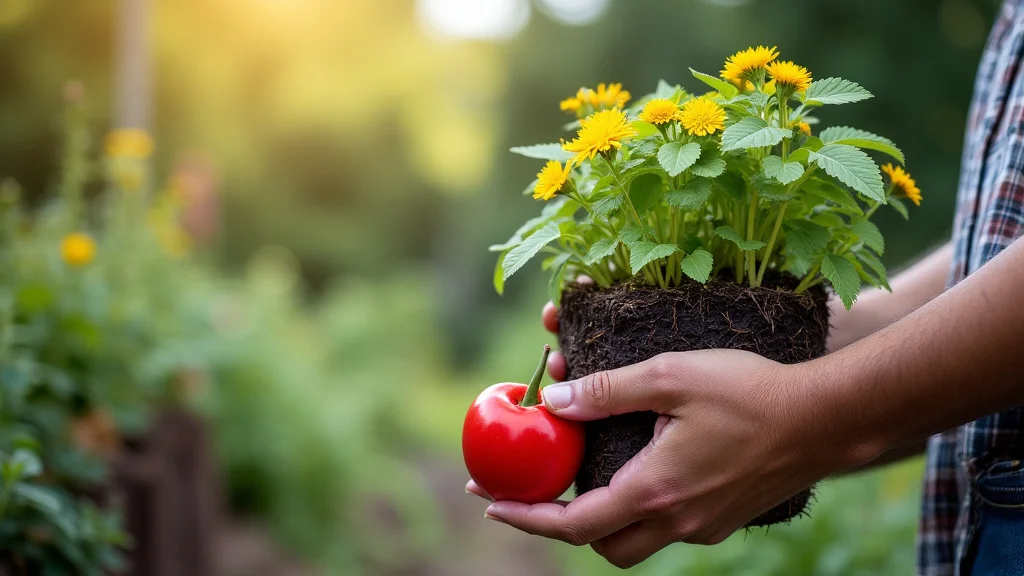
Picture this: It’s a sunny Saturday, and you’re finally ready to start that vegetable garden you’ve been dreaming about. You head out to your shed, only to find your trowel has vanished and your gloves are worn thin. Sound familiar? Finding the right gardening tools nearby can seem like a chore in itself. This guide helps you easily locate the tools you need, whether you’re a seasoned gardener or just starting. You’ll learn where to look, how to choose the best tools for your needs, and how to make the most of your gardening efforts. This post will transform your frustration into a fun and productive experience, ensuring you’re ready to get your hands dirty with confidence and ease.
Key Takeaways
- Discover various places to locate gardening tools nearby, from local shops to online retailers.
- Learn about the essential tools every gardener should own, regardless of experience.
- Gain insights into selecting quality tools that will last through seasons of use.
- Understand the benefits of supporting local businesses when purchasing your supplies.
- Find tips on comparing prices and getting the best value for your budget.
- Get ideas on storage and maintenance to keep your tools in excellent condition.
Locating Gardening Tools Nearby
The quest to find gardening tools nearby begins with knowing where to look. Gone are the days when you’re restricted to a single hardware store. The choices available are now vast, offering convenience and the opportunity to support local businesses. Knowing your options beforehand helps you make the best decision based on your individual needs. The beauty of this is that convenience doesn’t necessarily mean sacrificing quality or value. With a bit of exploration, you can find exactly what you’re looking for, no matter your experience level or the project’s size.
Local Hardware Stores and Nurseries
Your first stop should be local hardware stores and nurseries. These establishments are usually staffed by people who are passionate about gardening and can offer valuable advice. They often have a wide selection of tools, from basic hand tools like trowels and hand rakes to larger items like shovels and hoes. Local stores provide a personal touch and a chance to get hands-on with tools before purchasing. They understand the local climate and common gardening challenges, often carrying tools specifically suited to your area. Plus, supporting them strengthens your community.
- Expert Advice: Staff members frequently have significant gardening knowledge. They can guide you in picking the proper tools for your garden’s soil and needs.
- Hands-On Experience: You can physically examine the tools, assess their weight, feel, and durability before committing to a purchase.
- Community Support: Spending at local stores helps keep the money in your community, boosting its economy.
- Specialized Selection: Local shops may stock tools or products specifically designed for the local climate and the unique challenges you face.
For example, if you live in an area with particularly heavy clay soil, a local nursery can suggest tools designed to work efficiently with that soil type. They may also be able to advise you on how to prepare the soil to make your gardening efforts more effective. This personalized advice and selection go a long way.
Big Box Retailers
Big-box retailers like Home Depot and Lowe’s are another convenient option when searching for gardening tools nearby. These stores typically have a broad selection, competitive prices, and convenient operating hours. You often can find a comprehensive range of tools and accessories under one roof, making it a one-stop-shop for all your gardening requirements. These stores are known for their volume discounts and promotions, making them a suitable option if you need to buy in bulk or if you are on a tight budget. They can also provide a warranty or satisfaction guarantee on their products.
- Competitive Pricing: Big-box stores regularly offer sales and discounts, potentially lowering your overall expenses.
- Wide Selection: They carry various tools, so you can often find everything you need in a single location.
- Convenience: Stores are usually open long hours, making it easy to shop when it suits you.
- Brand Variety: They sell tools from various brands, giving you more choices.
Many people find this particularly useful when comparing tools. For instance, if you are planning a large landscaping project, the cost savings can be significant, allowing you to maximize your budget for other items. However, the personalized service and expertise you find in smaller, local shops might be absent.
Online Retailers and Marketplaces
If you’re comfortable shopping online, you have a wealth of options for finding gardening tools nearby or at least nearby in terms of shipping. E-commerce platforms like Amazon, eBay, and specialized gardening websites offer an extensive selection and often competitive pricing. Online shopping allows you to compare tools from various suppliers easily, check reviews from other customers, and enjoy the convenience of home delivery. This is perfect if your time is limited, or if you prefer to research options carefully before making a purchase.
- Vast Selection: You’ll have access to tools from many different brands and sellers, improving your choices.
- Convenience: Shopping from home and having your tools shipped directly to your door is very convenient.
- Price Comparison: You can effortlessly compare prices from different vendors to find the best deal.
- Customer Reviews: Read real-world feedback on a product’s performance before deciding.
Consider the scenario of someone starting a raised garden bed. They might search on Amazon for specific tools, read reviews on the comfort and efficiency of a particular shovel, and then purchase a whole toolset suited to the task, all without leaving home. However, make sure to consider shipping costs and delivery times. Furthermore, the absence of an ability to physically inspect the tools before buying can sometimes be a drawback.
Flea Markets, Yard Sales, and Community Sales
Don’t dismiss the possibility of finding gardening treasures at flea markets, yard sales, and community sales. You can often find used tools at very reasonable prices. It’s a great opportunity to get a bargain, especially if you’re not overly concerned with the latest models. This is also an excellent option if you are conscious of sustainable living and want to give previously used items a new life. While you might not find everything you need, you can stumble upon some surprisingly excellent deals and unique items. These events can also be a fun outing in your local area.
- Cost Savings: Used tools are significantly cheaper than new ones, letting you save money.
- Unique Finds: Discover older, possibly higher-quality tools or specialized items no longer available in stores.
- Community Interaction: These events provide a chance to connect with people from your community.
- Sustainable Choice: Buying used tools reduces waste and gives items a second life.
For example, you might come across a sturdy, vintage spade at a yard sale that would cost much more at a hardware store. Or you might find a set of hand tools at a bargain price, which is perfect if you are just beginning to garden. Always examine used tools carefully for any damage before buying. Look at the handle for cracks, check the blades for sharpness, and inspect the overall condition.
Essential Gardening Tools for Every Gardener
Now that you know where to look, what tools do you need? Having the right tools makes gardening more enjoyable and productive. Whether you’re a beginner or an experienced gardener, some tools are essential. Investing in quality tools will save you time, effort, and money. They will also improve the overall success of your gardening projects. Here’s a list of essential tools, and how to choose each one.
Hand Trowel and Hand Fork
The hand trowel and hand fork are probably the most used hand tools in a garden. They are perfect for planting seedlings, transplanting small plants, and working with the soil in tight spaces. A trowel is essentially a small, hand-held shovel, useful for digging, scooping, and moving soil. A hand fork is a small, three or four-pronged tool used for loosening soil, removing weeds, and aerating the ground. These tools are the foundation for planting and maintaining plants in pots, small garden beds, or anywhere space is limited.
- Trowel Uses: Ideal for digging small holes for planting, transplanting seedlings, and scooping up soil.
- Fork Uses: Helps loosen compacted soil, remove weeds, and work fertilizer into the soil around plant roots.
- Material Matters: Look for trowels and forks with stainless steel or carbon steel blades for durability. Handles made from hardwood or a comfortable, non-slip material are best.
- Ergonomics: Consider the shape and size of the handle. A comfortable grip lessens strain, especially if you have a lot of work to do.
For example, if you’re planting a row of herbs in a container garden, a trowel is perfect for precisely digging each planting hole. The hand fork helps in loosening the soil before you place the plants. This ensures proper aeration and root growth. The right tools also make the process more enjoyable and efficient.
Hand Rake
A hand rake, sometimes called a garden rake, is indispensable for preparing soil, leveling surfaces, and removing debris like leaves and small stones. It typically has a series of tines (teeth) that can easily gather materials, making soil preparation quicker and more efficient. The hand rake is smaller and more maneuverable than larger landscape rakes. It is perfect for use in raised beds, small gardens, and between rows of plants, making it a vital tool for all garden sizes. It is very useful throughout the growing season.
- Soil Preparation: Use the hand rake to break up clumps of soil and make it ready for planting or seeding.
- Debris Removal: Excellent for removing fallen leaves, twigs, and other small items, maintaining a clean garden bed.
- Leveling: Evenly distribute soil and compost across the planting area.
- Selection: Look for durable materials such as stainless steel tines and a solid wooden or fiberglass handle for longevity. Consider the weight of the rake, a lighter rake reduces fatigue.
One instance might be preparing your garden beds in the spring. You can use the rake to break up the winter-hardened soil, removing any old leaves or debris. Doing this ensures the planting bed is ready for sowing seeds or starting seedlings. This tool allows for precision and control in preparing the soil for optimal growth. It is also good for small tasks.
Garden Hoe
A garden hoe is a versatile tool used primarily for weeding, cultivating soil, and creating planting furrows. It has a flat blade that you can drag or push across the ground to cut weeds at the soil’s surface. A hoe can also be used to create shallow trenches for planting seeds, allowing for neat and orderly rows in your garden. There are various types of hoes, including the classic draw hoe, which is pulled toward you, and the push hoe, which is pushed away. Choosing the right hoe depends on your needs and the type of soil you have.
- Weeding: Quickly and efficiently remove weeds from garden beds.
- Soil Cultivation: Loosen and aerate the soil around plants to improve air and water penetration.
- Furrow Creation: Create shallow furrows to plant seeds or transplant seedlings.
- Considerations: Select a hoe with a sharp blade that is easy to sharpen. A long handle reduces the need to bend over. Choose a type suited for your garden’s size and the way you work, either push or draw.
Consider a situation where you are dealing with a vegetable garden where weeds are quickly growing. A hoe allows you to swiftly eliminate weeds, keeping your crops healthy and making for a better garden. By loosening the soil, the hoe also helps to aerate the soil and improves water penetration, which are essential for healthy plant growth. The right garden hoe is an investment that enhances the efficiency of your gardening efforts. It also helps to prevent weeds from taking over.
Gardening Gloves
Gardening gloves protect your hands from dirt, scratches, blisters, and potential irritants such as thorns and chemicals. They are essential to prevent cuts and scrapes. They also help improve grip when working with tools. Gloves come in various styles, materials, and sizes, so you can pick the ones that suit your gardening needs. Investing in good gloves enhances the gardening experience, making it more pleasant and safer.
- Protection: Shields your hands from dirt, thorns, and potential irritants, preventing cuts and scrapes.
- Grip: Improves your grip on tools, making gardening tasks easier.
- Material: Choose gloves made from durable, breathable materials like leather, latex, or synthetic blends.
- Fit: Get the right size for comfort. Ensure they have reinforced fingertips and palms for added protection.
Imagine working with thorny rose bushes. Quality gloves protect you from scratches and allow you to work more safely. If you handle compost or work in areas with chemicals, gloves are vital for preventing skin irritation. Proper hand protection lets you enjoy your gardening while minimizing the risk of injury. Furthermore, gloves keep your hands clean.
Choosing the Right Tools for Your Needs
Choosing the right gardening tools depends on several factors, including the size of your garden, the type of soil you have, and the type of gardening you intend to do. Understanding these aspects before you shop ensures that you buy tools that are effective, comfortable to use, and meet your gardening requirements. Here’s a guide to help you select tools that are perfect for your specific needs.
Assessing Your Gardening Space and Type
The size and type of your gardening space are critical in determining the tools you need. A small container garden requires a different set of tools than a large backyard vegetable garden. The type of gardening you plan to do also matters. Are you growing flowers, vegetables, or both? Are you starting from scratch, or are you maintaining an established garden? Answers to these questions will influence your tool choices. For example, a small balcony garden might require compact hand tools and a watering can, while a large plot may demand larger tools like a shovel and garden fork.
- Small Spaces: Container gardens, balcony gardens, and raised beds may only require hand tools like a trowel, hand fork, and small watering can.
- Medium Spaces: Larger garden beds and borders might benefit from a wider range of tools, including a hoe, rake, and pruners.
- Large Spaces: Large vegetable gardens, flower gardens, or lawns require tools like a shovel, garden fork, wheelbarrow, and possibly a lawnmower.
- Garden Type: If you’re growing vegetables, a hoe is essential for weeding. If you’re growing flowers, pruners are vital for maintenance.
Consider someone who is starting a small herb garden on their windowsill. They will need a small trowel, a hand fork, and maybe a small watering can. In contrast, someone with a large vegetable garden needs a wider variety of tools, including a hoe, a shovel, a garden fork, and a wheelbarrow. Knowing your gardening space and the type of gardening helps you pick tools that are most efficient and suitable for your needs.
Soil Type and Tool Selection
Your soil type strongly influences the types of tools you should use. Different tools are suited for various soil types. For instance, if you have clay soil, which is heavy and tends to compact easily, you’ll need sturdy tools that can break up the soil effectively. In contrast, sandy soil is lighter and drains well. You may need fewer tools for breaking up the soil. Knowing your soil’s composition allows you to choose the most efficient tools for the job. You can get a soil test done or check your local extension office for advice.
- Clay Soil: Requires strong tools like a garden fork and a sturdy spade or shovel. Consider a broadfork to aerate deeply.
- Sandy Soil: Generally requires less soil preparation but benefits from tools to improve water retention and nutrient content.
- Loamy Soil: This is an ideal soil type that works well with most tools.
- Testing: Knowing your soil type helps select appropriate tools for cultivating it and preparing it for planting.
Imagine someone with a garden with a large clay soil. A garden fork is an essential tool. It helps break up the clumps and improve drainage and aeration. Without the right tools, working with clay soil can be hard. Knowing your soil type guides your tool selection and makes the gardening task easier.
Material and Quality Matters
The materials your tools are made of greatly affect their durability and performance. Quality tools are an investment. They’ll last longer and work better. Look for tools made from durable materials like stainless steel or carbon steel for the blades, which resist rust and corrosion. Handles made from hardwood or fiberglass offer a comfortable grip and durability. Pay attention to the construction of the tools; solid construction is an indicator of long life. Consider the balance and weight of the tool. A well-balanced tool reduces fatigue and makes gardening tasks easier. Spend a little more for better tools that will hold up over time. These small investments can make your gardening experience far more enjoyable.
- Blade Materials: Stainless steel and carbon steel blades are rust-resistant and durable.
- Handle Materials: Hardwood, fiberglass, or steel handles are strong and long-lasting.
- Construction: Inspect the tool’s construction. Look for strong joints, comfortable grips, and overall sturdy design.
- Ergonomics: Consider the tool’s balance and weight. Ensure it is comfortable to use.
Suppose you are buying a shovel. If you are going for a cheap one, you might have to
Tool Ergonomics and Design
The design of your gardening tools greatly affects comfort and efficiency. Ergonomics is the science of designing tools to fit the human body, reducing strain and improving performance. Tools with ergonomic designs have handles that are angled, shaped, and padded to minimize stress on your wrists, arms, and back. Consider the weight of a tool. Lighter tools are easier to handle for extended periods. The grip should be comfortable. It should provide a secure hold, even when wet. Good design reduces fatigue and lets you garden longer, enjoying the process without physical discomfort. When choosing tools, always consider ergonomics.
- Handle Design: Look for angled or curved handles, and those with ergonomic grips to reduce wrist strain.
- Weight: Lighter tools are often easier to manage, decreasing the amount of effort needed.
- Grip: Ensure that the grip fits well, is comfortable, and provides a secure hold, even when wet.
- Testing: Test tools in the store if possible. Check the handle shape, balance, and general feel.
Imagine someone using a digging fork with an ergonomic handle. The angled grip reduces the strain on their wrist and hand as they work in the garden. This small design detail can significantly improve the gardening experience and prevent discomfort. Tools that are well-designed and easy to use make the gardening process more enjoyable.
Maintaining and Storing Your Gardening Tools
Keeping your gardening tools nearby in good condition extends their lifespan and ensures they work effectively. Proper maintenance and storage are essential for preserving the quality and usefulness of your tools. Regular cleaning, sharpening, and proper storage help protect them from the elements and wear and tear. Make these maintenance tasks part of your routine. These practices save money. They also make gardening more efficient and satisfying. Taking care of your tools is an investment in your gardening success.
Cleaning Your Tools
Regular cleaning is a basic but essential part of tool maintenance. After each use, wipe off any dirt, mud, and plant debris from your tools. This prevents the buildup of organic matter, which can cause rust and corrosion, and it prevents the spread of diseases. A simple cleaning routine will greatly extend the life of your tools. You can use a wire brush to remove stubborn soil and a damp cloth to wipe the tool. You might also want to soak them in a bucket of soapy water. Then, rinse them and let them dry completely before storing them. These simple steps ensure your tools are ready for their next use.
- After Each Use: Wipe off soil, mud, and plant debris after each gardening session.
- Cleaning Tools: Use a wire brush for hardened soil, soapy water for soaking, and a damp cloth for wiping.
- Rust Prevention: Remove any rust and corrosion promptly, which can weaken the tools and cause them to fail.
- Preventing Disease: Cleaning tools stops the spread of diseases, ensuring the health of your plants.
Think about someone pruning rose bushes. Regularly cleaning the pruning shears will eliminate sap and plant debris from the blades. This prevents rust, keeps the blades sharp, and stops the spread of diseases. This routine helps your gardening tools last for a long time.
Sharpening and Repair
Regular sharpening of cutting tools, such as pruners, shears, and hoes, is essential for efficiency. Sharpening keeps them cutting smoothly. Dull tools require more effort and can damage plants. Use a sharpening stone or file to sharpen cutting edges regularly. Inspect your tools for wear and tear. Any loose handles or bent blades should be repaired or replaced promptly. Applying a lubricant to moving parts, such as the hinges of pruning shears, will ensure smooth operation and prevent corrosion. Regular sharpening and repairs not only enhance efficiency but also prolong the useful life of your tools.
- Cutting Tools: Pruners, shears, and hoes need to be sharpened regularly for efficiency and ease of use.
- Sharpening Methods: Use a sharpening stone or file to maintain the sharpness of cutting edges.
- Repairs: Inspect for any wear and tear. Fix any loose handles or bent blades promptly.
- Lubrication: Use lubricants on moving parts, such as the hinges of pruning shears.
Consider a gardener using pruners to shape a hedge. Regularly sharpening the blades makes for a cleaner cut. This also protects the plant. If they identify a loose handle on a tool, they should immediately repair it. By taking care of your tools, you can ensure they are always in good working order.
Proper Storage
Storing your gardening tools correctly protects them from the elements and extends their lifespan. Store your tools in a dry, covered place, such as a shed, garage, or tool rack. This protects them from the rain, sun, and temperature changes. Hang tools whenever possible. This keeps the blades off the ground. It also prevents rusting. Consider organizing your tools. Label storage areas to quickly identify the tools you need. By providing proper storage, you will maintain the tools in top condition and readily access them when you need them.
- Dry Location: Store tools in a shed, garage, or tool rack to protect them from weather.
- Shelving: Elevate the tools from the ground to prevent rust and damage from moisture.
- Organization: Keep your tools organized and accessible.
- Weather Protection: This keeps tools in top condition and readily accessible when needed.
Picture a gardener after a long day in the garden. They ensure all their tools are wiped clean and placed in a dry shed. They might hang the shovels and rakes on a rack. This ensures the blades stay in shape. By taking these steps, they’re protecting their tools for the next gardening season.
Frequently Asked Questions
Question: What are the must-have gardening tools nearby for a beginner?
Answer: For a beginner, a hand trowel, a hand fork, a hand rake, gardening gloves, and a watering can are excellent starters.
Question: How often should I sharpen my pruning shears?
Answer: You should sharpen your pruning shears after every few uses or when you notice they are starting to crush stems instead of making clean cuts.
Question: What is the best way to clean rusty tools?
Answer: You can remove rust with a wire brush, sandpaper, or by soaking the tool in vinegar or a commercial rust remover.
Question: How do I choose the right size gardening gloves?
Answer: Measure your hand from the base of your palm to the tip of your middle finger, then compare that measurement to a glove size chart.
Question: Where is the best place to store my gardening tools?
Answer: Store your gardening tools in a dry, covered area like a shed or garage, ideally hanging them to protect the blades.
Final Thoughts
Locating gardening tools nearby should not be difficult. There are several options available to get you started, from local hardware stores and big-box retailers to online marketplaces and even yard sales. Remember to consider your garden size, soil type, and the types of plants you will be growing when selecting tools. Prioritize quality tools made from durable materials, and don’t neglect ergonomics. Furthermore, make it a habit to clean, sharpen, and store your tools to keep them in good condition for many seasons. By keeping these points in mind, you will create a well-equipped toolkit. This will make gardening more enjoyable. Now, it’s time to find your tools and start growing.