
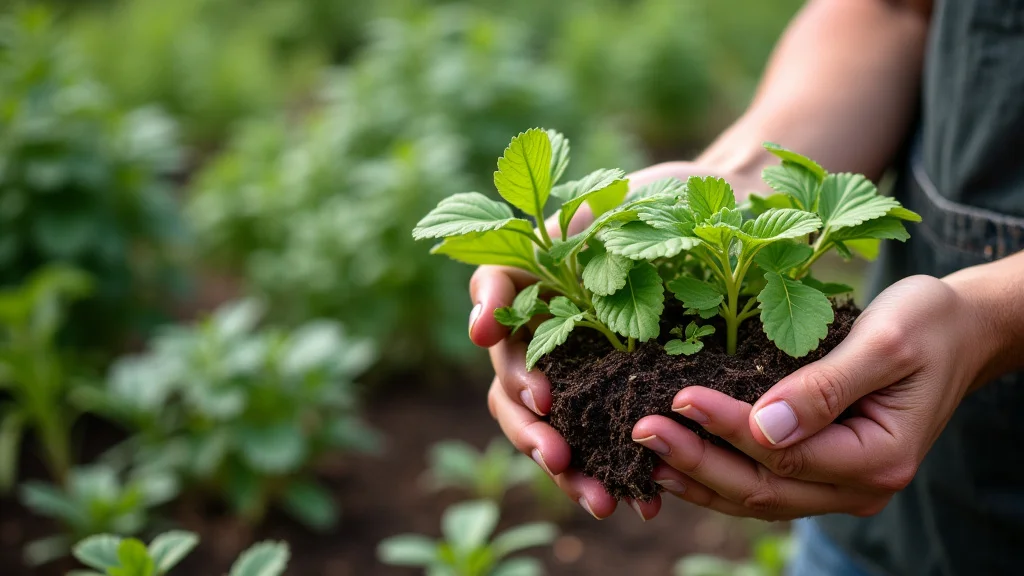
Remember that time you tried to help Mom with her roses, and all you had was a giant adult shovel that was way too big? It’s a common experience! Kids often want to participate in gardening, but using the wrong tools can be frustrating. This guide explores the best gardening tools for 10 year-olds, making the experience enjoyable and successful. You’ll learn what to look for, how to choose the right tools, and even some fun project ideas. By the end, you’ll be equipped to help the young gardeners in your life grow their own little oases, fostering a love for plants and nature. We’ll explore the best tools, safety tips, and fun activities to keep those young hands busy and engaged.
Key Takeaways
- Learn about essential gardening tools for 10 year-olds and their uses.
- Discover how to choose the right size and type of tools for children.
- Understand the importance of safety when gardening with kids.
- Find fun gardening projects that will keep children engaged and learning.
- Gain tips on how to foster a love for gardening in young children.
- Explore the benefits of gardening for children’s development.
Essential Gardening Tools for Kids
Selecting the correct gardening tools for 10 year-olds is important for their success and enjoyment. It’s not just about tiny versions of adult tools, but tools that are appropriately sized, light, and easy to handle. This creates a positive and encouraging experience, nurturing a lifelong appreciation for gardening. Consider the type of projects they’ll be involved in, and choose tools that match those activities, from planting seeds to weeding and harvesting.
Hand Trowel
A hand trowel is one of the most fundamental tools for any young gardener. This small, shovel-like tool is perfect for digging small holes, transplanting seedlings, and scooping up soil. It’s often used for planting flowers, herbs, and small vegetables. Look for a trowel made from durable materials like stainless steel or coated metal, as these are more resistant to rust and can withstand the wear and tear of enthusiastic use. The handle should be comfortable to grip, with a design that fits well in a child’s hand. Rubberized handles are great to prevent slippage.
- Ergonomic Design: Prioritize trowels with ergonomic handles, contoured to fit small hands, minimizing strain and maximizing comfort during extended use. This encourages continued participation.
- Durable Materials: Choose trowels made from stainless steel or powder-coated metal, which resist rust and withstand rough handling, ensuring a longer lifespan.
- Proper Size: The trowel’s blade should be proportionally sized, easy to maneuver in small spaces, such as plant pots or raised garden beds. A shorter handle also provides better control.
- Safety Features: Consider trowels with rounded edges to reduce the risk of injury, especially with younger children or those just starting to garden.
Hand Rake
A hand rake is a handy tool, useful for smoothing soil, gathering leaves, and removing small debris from the garden. Its small size makes it easy for kids to handle, allowing them to take on tasks that contribute to maintaining a tidy garden space. The rake’s teeth should be strong enough to withstand light raking but not so rigid that they damage delicate plants or scratch surfaces. Look for a lightweight model with a comfortable handle, made from materials like wood or sturdy plastic. This will prevent hand fatigue and allow the child to work for longer periods.
- Lightweight Construction: Opt for hand rakes made from lightweight materials, like aluminum or strong plastic, to reduce fatigue and allow for easier handling by children.
- Tooth Design: Select rakes with flexible tines, which gently collect debris without damaging the plants or the soil surface. Consider plastic or rubber tines for added flexibility.
- Handle Length: Choose a handle that is appropriately sized for a child’s height, ensuring that they can reach the ground without bending over too far. A shorter handle provides more control.
- Durability: Ensure the rake is made from durable materials that can withstand repeated use and exposure to the elements, preventing premature wear and tear.
Hand Fork
A hand fork is useful for breaking up clumps of soil, turning compost, and gently lifting plants. Its small size makes it manageable for children. The hand fork is ideal for loosening soil around plants to help them grow and can be used to aerate the soil. It is also good for removing weeds. Look for a hand fork with sturdy tines, preferably made from stainless steel or a coated metal to prevent rusting. The handle should be designed to fit comfortably in a child’s hand. The fork should be sturdy enough to handle light digging but not so powerful that it could cause damage.
- Tine Strength: Select a hand fork with sturdy tines, resistant to bending or breaking, even when dealing with compacted soil or small roots.
- Comfortable Grip: The handle should provide a secure and comfortable grip, allowing for efficient use and minimizing strain on the child’s hand.
- Size Considerations: The hand fork should be proportional to the child’s size, ensuring that they can manage the tool effectively, without straining or overreaching.
- Safety Features: Look for forks with rounded tines to minimize the risk of injury while working in the garden, especially when children are nearby.
Watering Can
A small, lightweight watering can is a crucial tool. It gives children the opportunity to learn about watering plants properly. Encourage your child to fill the can, carry it, and pour the water gently around the plants. Choose a watering can made of durable plastic or galvanized metal that is easy to fill and carry. The spout should provide a gentle flow of water to avoid washing away soil or damaging delicate plants. This can cultivate a sense of responsibility and foster a deeper connection with the plants.
- Lightweight Materials: Select a watering can made from lightweight plastic or a similarly easy-to-carry material, reducing strain for children as they water plants.
- Size Appropriateness: Choose a watering can that is appropriately sized for children to carry and maneuver, ensuring that it is not too large or heavy to manage.
- Spout Design: Look for a spout design that gently distributes water, preventing soil erosion or damage to delicate plants. Consider a rose attachment for even watering.
- Durability: Opt for a watering can constructed from robust materials, which can resist wear and tear, and accidental drops, increasing the lifespan of the tool.
Gardening Gloves
Gardening gloves are a must-have item. They protect young hands from dirt, thorns, and potential irritants. Choose gloves specifically designed for children, often made from comfortable, breathable materials. Look for gloves with reinforced fingertips and palms for added durability. The gloves should fit snugly, allowing the child to grip tools comfortably. Gloves are available in various sizes and fun designs, which can make gardening a more appealing activity. Ensure that the gloves fit properly to provide effective protection without hindering movement.
- Proper Fit: Ensure that the gloves fit correctly, allowing for full finger movement and a comfortable grip on tools without being too loose or tight.
- Durable Materials: Choose gloves made from durable, puncture-resistant materials, like reinforced fabric or coated materials, providing long-lasting hand protection.
- Breathability: Look for gloves made from breathable materials, such as cotton or fabric blends, to keep hands cool and prevent excessive sweating during gardening tasks.
- Ease of Use: Select gloves with easy-to-use closures, such as Velcro straps or elastic cuffs, that are simple for children to put on and take off independently.
Kid-Friendly Shovel
A small shovel is perfect for digging larger holes, moving soil, and creating planting areas. A child-sized shovel is lighter and more manageable than an adult-sized one. Look for a shovel with a sturdy handle and a durable blade, made from materials like metal or strong plastic. The blade should be wide enough to move a good amount of soil but not so large that it’s difficult for a child to handle. A good shovel makes the experience safer. The handle should have a comfortable grip to prevent slipping. This tool helps expand their gardening capabilities.
- Appropriate Length: Select a shovel with a handle length suitable for the child’s height, allowing them to comfortably reach the ground without strain.
- Blade Material: Choose a blade made from durable materials like metal or strong, sturdy plastic, able to withstand digging and moving soil.
- Handle Grip: The handle should provide a secure, ergonomic grip, improving control and minimizing hand fatigue during extended use.
- Weight Considerations: Opt for a shovel that is lightweight, facilitating easier maneuvering and reducing strain on the child while digging or moving soil.
Choosing the Right Tools for Your Child
Choosing the right gardening tools for 10 year-olds involves more than just selecting tools, it’s about choosing the right fit for the child’s size, strength, and interests. Taking into account the size and weight of each tool can significantly affect a child’s experience. A tool that is too heavy or too large will likely lead to frustration and may discourage them from gardening. Consider the child’s comfort and ease of use. A comfortable, easy-to-use tool will make gardening a more enjoyable experience. The design should be appealing, and the tools should be durable enough to withstand regular use.
Consider Size and Weight
When selecting tools, the size and weight are very important. The tools need to be proportioned to fit a child’s frame. This ensures they can handle the tools safely and effectively. Choose lightweight materials like aluminum or strong plastic for handles and blades. This reduces fatigue. The handles should be long enough for the child to reach the ground comfortably without bending excessively. Too short a handle requires the child to crouch, and a handle that is too long will make it awkward to use. The shovel and rake heads should be appropriately sized as well, not too large or cumbersome for the child to maneuver. This also helps prevent injuries and makes the gardening tasks more enjoyable.
- Handle Length: Ensure the tool’s handle is appropriately sized for the child’s height, allowing for comfortable reach and control.
- Tool Weight: Select tools made from lightweight materials, reducing fatigue and making it easier for children to handle them for extended periods.
- Blade/Head Size: The shovel and rake heads should be sized proportionally to the child’s strength, preventing strain and promoting effective use.
- Ergonomic Design: Prioritize tools with ergonomic grips or handles, designed for smaller hands, increasing comfort and control.
Prioritize Safety Features
Safety is key when selecting gardening tools. Look for tools designed with safety features like rounded edges, sturdy construction, and non-slip handles. Rounded edges minimize the risk of cuts and scrapes, especially for young gardeners who are still developing their coordination. Ensure that the tools are made from durable, non-toxic materials. Teach children about safe tool handling, including proper storage, usage, and supervision. Always supervise them, especially when they are first learning. Safety glasses can be beneficial when working with certain tools, such as the hand rake.
- Rounded Edges: Select tools with rounded edges to minimize the risk of cuts or injuries, particularly for younger gardeners still learning the basics.
- Durable Materials: Choose tools made from sturdy, non-toxic materials to ensure their durability and the safety of the children using them.
- Non-Slip Grips: Opt for tools with non-slip handles or grips to enhance control and reduce the risk of accidents, especially in wet conditions.
- Protective Gear: Consider providing safety glasses, gloves, and other protective gear to safeguard children from potential hazards.
Consider Tool Materials
The materials that make up the tools will influence how long the tools last. Look for tools made from durable materials that can withstand regular use and exposure to the elements. Stainless steel is a popular choice for trowels and hand forks because it resists rust. Handles made from wood or strong, non-toxic plastic are durable and easy to grip. Tools made from quality materials will last longer. Metal tools are generally more durable than plastic, but ensure that the metal is coated to prevent rust. Consider the handle materials: rubberized grips provide a secure hold, and ergonomic designs make it easier for children to use the tools effectively and safely.
- Stainless Steel: Opt for tools with stainless steel blades or heads, as they are rust-resistant and provide durability, perfect for outdoor use.
- Sturdy Plastic: Choose tools with handles or parts made from sturdy, non-toxic plastic, ensuring they are strong enough to withstand regular use.
- Wood Handles: Select tools with wooden handles, often made from hardwoods, offering a comfortable grip and a classic, durable feel.
- Rubberized Grips: Consider tools with rubberized grips or handles to provide a secure and comfortable grip, enhancing control and reducing hand fatigue.
Focus on Age Appropriateness
When selecting gardening tools for 10 year-olds, it’s very important to keep in mind their age and abilities. Tools suitable for this age group should be proportional and easy to handle. This includes lightweight materials, smaller sizes, and ergonomic designs, which make gardening tasks more manageable. Prioritize tools with safety features, such as rounded edges and non-slip grips. This will minimize the risk of injury. Encourage them to choose tools with colors and designs that they find appealing. This increases their interest in the activity. Always provide guidance and supervision, especially when they are learning to use new tools or engaging in more complex gardening activities.
- Proportional Sizing: Select tools that are appropriately sized for a child’s height and hand size, ensuring comfortable and effective use.
- Lightweight Design: Choose tools that are lightweight, reducing the strain and making them easier for children to handle and maneuver.
- Ease of Use: Opt for tools with simple designs and user-friendly features, allowing children to learn and use them independently.
- Safety Features: Prioritize tools with rounded edges and non-slip grips, enhancing safety and reducing potential risks.
Gardening Projects for Kids
Gardening isn’t just about the tools; it’s about the experiences. By working on specific projects, kids gain a deeper understanding of the natural world. These projects provide a chance to learn, get hands-on experience, and have fun. These activities should be tailored to their age group to be both educational and engaging. Consider the season and available space. A small, manageable garden bed is ideal for beginners. Provide clear instructions and demonstrate the steps. Remember to encourage creativity and celebrate their efforts.
Starting a Seedling Tray
Starting seeds indoors is a great way to introduce gardening to children. This allows them to witness the complete life cycle of plants. It also gives them a head start on the growing season. It starts with a seedling tray, filled with seed-starting mix. The child can plant seeds of their choice, such as herbs, flowers, or small vegetables. Provide clear instructions on spacing, planting depth, and watering. A small greenhouse or sunny windowsill is a good location. As the seedlings grow, children can monitor the growth, water the plants, and keep an eye out for pests or diseases. The seed trays should be in an area where they receive adequate sunlight or grow lights.
- Gather Supplies: Gather a seedling tray, seed-starting mix, seeds of choice, a small trowel, a watering can, and a spray bottle.
- Fill the Tray: Fill each cell or section of the seedling tray with seed-starting mix, leaving about a half-inch of space at the top.
- Plant the Seeds: Follow the seed packet instructions for planting depth and spacing, using the trowel to create small holes and carefully placing the seeds.
- Water and Care: Gently water the soil, using a watering can or spray bottle. Place the tray in a warm, sunny location, and ensure the soil stays moist but not waterlogged.
- Transplant: Once seedlings have developed a few sets of true leaves, they can be transplanted into larger pots or directly into the garden.
Creating a Mini Herb Garden
A mini herb garden is an excellent project for children. It’s easy to set up and maintain, and provides a fresh supply of herbs. Start with a small container, such as a pot, window box, or even a repurposed container. Fill it with potting soil. Select herbs that are easy to grow, such as basil, mint, chives, and parsley. Provide a sunny location and regular watering. The herbs are low maintenance, but the child can observe how they grow and care for them. Children will also enjoy learning about how to use the herbs in cooking or other creative projects, such as making potpourri or natural crafts.
- Choose a Container: Select a small container, such as a pot or window box, that will serve as the mini herb garden.
- Add Soil: Fill the container with high-quality potting soil, ensuring that there is good drainage.
- Plant Herbs: Choose herbs that are easy to grow, such as basil, mint, chives, or parsley, planting seeds or small starter plants.
- Water and Sunlight: Place the herb garden in a sunny location and provide regular watering, keeping the soil moist but not waterlogged.
- Harvest and Enjoy: Encourage the child to harvest the herbs as needed, using them in cooking, crafts, or simply enjoying their aroma.
Building a Small Raised Garden Bed
Building a raised garden bed can be a satisfying project that teaches children about construction and gardening. This can be as simple as using wooden planks, bricks, or even recycled materials. The size should be manageable for the child to handle and maintain. Ensure that the bed is in a location that gets plenty of sunlight. Fill the bed with a good quality soil mix. Guide the child to plant various flowers, vegetables, or herbs in the bed, ensuring they space the plants properly. This project teaches skills in planning, construction, and maintaining a garden. The child should learn about the plants and how they should be cared for.
- Choose a Location: Select a sunny spot in the yard where the raised garden bed will be placed, away from large trees or structures.
- Gather Materials: Gather wooden planks, bricks, or recycled materials to construct the bed, along with the necessary tools, such as a measuring tape, saw, and screws.
- Build the Bed: Help the child assemble the bed according to the chosen design, ensuring the corners are square and the structure is stable.
- Fill with Soil: Fill the raised bed with a high-quality soil mix, ensuring it is well-drained and suitable for planting.
- Plant and Maintain: Plant flowers, vegetables, or herbs in the bed, providing regular watering, weeding, and other care to promote healthy growth.
Composting
Composting teaches children about recycling and the importance of sustainability. The child learns how to turn food scraps, yard waste, and other organic materials into nutrient-rich compost. This compost can then be used to enrich the soil in their garden. It starts with a compost bin, which can be purchased or built from recycled materials. Explain which items can and cannot be composted. The child can then add materials like fruit and vegetable scraps, coffee grounds, and leaves. They can help turn the compost pile regularly. Composting fosters an appreciation for natural processes, the benefits of reducing waste, and improving the health of their garden. Composting teaches children about the importance of reducing waste and environmental sustainability.
- Gather Supplies: Obtain a compost bin, which could be a store-bought model or built using recycled materials, along with a shovel and gloves.
- Choose a Location: Select a well-draining spot in the yard, preferably shaded and easily accessible for adding and turning compost.
- Add Materials: Teach the child about the types of materials suitable for composting, such as fruit and vegetable scraps, leaves, and grass clippings, and add them to the bin.
- Turn the Compost: Guide the child in turning the compost pile regularly using a shovel to aerate it and speed up the decomposition process.
- Use the Compost: Once the compost is ready, teach the child how to use it to enrich garden soil, promoting healthier plants and reducing the need for synthetic fertilizers.
Safety and Supervision
Gardening tools for 10 year-olds require safety precautions. The first step to ensuring a safe gardening experience is adult supervision. Always be present to oversee activities and provide guidance. Children should wear appropriate protective gear, such as gloves, eye protection, and closed-toe shoes. Before any gardening activity, teach children about the safe handling of tools. This includes how to use each tool properly, how to carry them safely, and how to store them. Children should never be left alone with tools. Keep tools stored safely, away from areas where children play or where they could accidentally hurt themselves.
Supervision and Guidance
Supervision is vital when children are gardening. Always be present to guide and support the child’s activities. This allows you to monitor their use of tools and offer assistance when needed. Discuss safe tool handling. This ensures children know how to use each tool correctly, reducing the risk of accidents. Provide clear instructions for each task and demonstrate how to perform them. Explain the importance of working at a slow, steady pace, rather than rushing through the activity. Give the child encouragement and praise to build confidence. Create a fun and positive environment to improve the learning experience. Provide positive feedback and celebrate achievements to build their confidence. This will promote a positive association with gardening.
- Constant Oversight: Always supervise children, providing direct oversight and guidance during all gardening activities.
- Tool Demonstrations: Demonstrate proper tool handling, showing children how to use each tool safely and effectively.
- Task Guidance: Provide clear instructions and guidance for each gardening task, breaking down complex tasks into smaller, more manageable steps.
- Positive Reinforcement: Offer encouragement and praise, creating a positive and supportive environment for the children as they garden.
Protective Gear
Protective gear is a necessity. Appropriate clothing will protect children from potential hazards. Provide gardening gloves to protect their hands from dirt, thorns, and other irritants. Safety glasses are useful to protect their eyes. A hat and sunscreen will protect their skin from the sun’s rays. Encourage them to wear closed-toe shoes to protect their feet. Review the importance of hygiene, such as washing hands after gardening, to reduce the risk of infections. The use of protective gear ensures that children are safe and comfortable. This also promotes a positive and secure gardening experience, making it easier for children to engage in and enjoy their gardening activities.
- Gardening Gloves: Provide and encourage the use of gardening gloves to protect hands from dirt, thorns, and potential irritants.
- Eye Protection: Offer safety glasses or goggles to safeguard eyes from dirt, dust, and potential projectiles during various gardening tasks.
- Sun Protection: Encourage the use of hats, sunscreen, and long sleeves to shield skin from harmful sun rays during outdoor gardening activities.
- Appropriate Footwear: Instruct children to wear closed-toe shoes or boots to protect their feet from injuries and provide a sturdy base during gardening.
Safe Tool Handling
Teaching safe tool handling is a vital part of gardening with children. Start by explaining the purpose of each tool and demonstrating how to use it correctly. Show children the right way to hold and carry each tool, and emphasize the importance of maintaining a safe distance from other people. Teach them how to store tools properly after use. Ensure they are kept in a designated, secure location, out of reach of children or pets. Regularly inspect tools for damage. If they discover a damaged tool, it should be repaired or replaced immediately. Encourage them to clean tools regularly, removing dirt or debris to prevent accidents. Explain to them that safety is very important.
- Proper Use Demonstrations: Show children how to use each tool correctly, emphasizing proper techniques and safety precautions.
- Safe Carrying Methods: Teach children how to carry tools safely, ensuring they hold them away from their bodies and handle them with care.
- Storage Guidelines: Instruct children on proper tool storage, including keeping tools in a designated area away from play zones.
- Regular Inspection: Encourage children to inspect tools for damage, reporting any issues promptly and ensuring tools are kept in good condition.
Frequently Asked Questions
Question: What are the best gardening tools for a 10-year-old?
Answer: A hand trowel, hand rake, hand fork, watering can, gardening gloves, and a child-sized shovel are excellent choices to start with.
Question: How can I choose the right size tools for my child?
Answer: Look for tools that are proportional to their size. The handles should be easy to grip and not too long or heavy for them to manage comfortably.
Question: Why are gardening gloves important for children?
Answer: Gardening gloves protect young hands from dirt, thorns, and potential skin irritations, allowing them to garden safely and comfortably.
Question: What are some safe gardening practices to teach children?
Answer: Always supervise children, teach them how to use tools properly, and ensure they wear protective gear like gloves and eye protection.
Question: What are some fun gardening projects for kids?
Answer: Starting a seedling tray, creating a mini herb garden, building a small raised bed, and composting are all engaging and educational activities.
Final Thoughts
Selecting the right gardening tools for 10 year-olds is an investment in their development. By providing them with appropriately sized, safe, and engaging tools, you can create a positive gardening experience. Remember to prioritize safety, provide clear guidance, and choose tools that match their interests and abilities. The projects themselves can instill a sense of accomplishment, and a lasting appreciation for nature. By introducing them to gardening, you will give them a chance to learn about responsibility. Provide a positive and supportive environment, and celebrate their small successes, and you’ll foster a love of gardening that can last a lifetime. Get out there, get your hands dirty, and enjoy the adventure of gardening with a young one!