
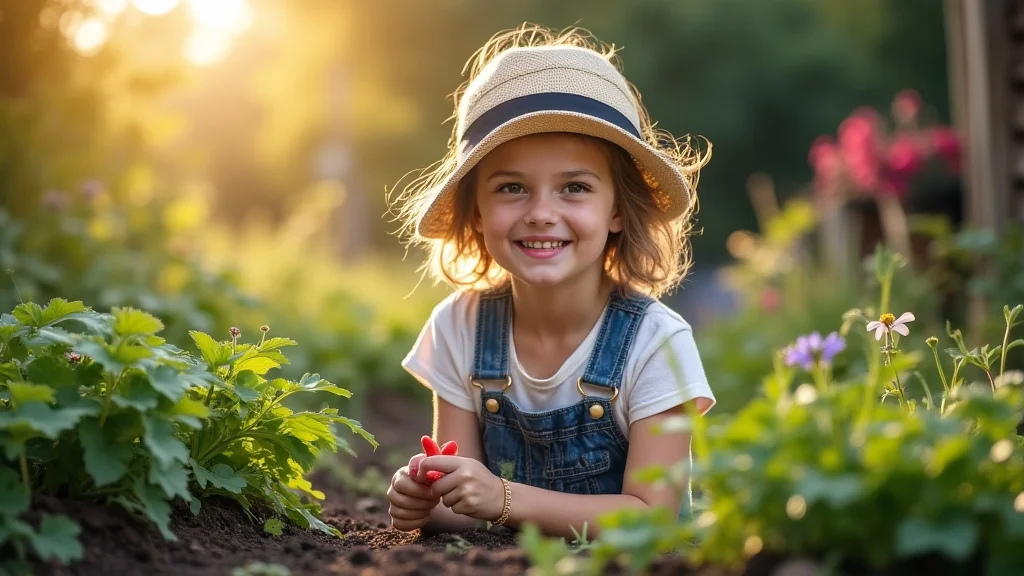
Remember that time your little one insisted on helping with the weeding, only to hand you a handful of uprooted, but healthy, carrot seedlings? Gardening with kids is like that – a blend of giggles, lessons, and the occasional surprise. But with the right gardening tools for 10 year olds, you can turn those gardening adventures into something truly rewarding! This guide will provide you with the information needed to select safe, age-appropriate, and engaging tools, helping your budding botanist cultivate a lifelong love of nature. You’ll learn what to look for, what to avoid, and how to make the whole experience fun. By the end, you’ll feel confident equipping your young gardener and sharing the joy of growing things.
Key Takeaways
- Choosing the right gardening tools for 10 year olds makes gardening safer and more fun.
- Safety features like rounded edges and appropriate sizes are essential.
- Lightweight and durable tools are easier for kids to handle.
- Tools that encourage creativity, like planting pots, enhance the experience.
- Teaching children how to use tools teaches them responsibility and how to care for plants.
- Selecting tools that suit the types of gardening will help your child learn.
Choosing the Right Gardening Tools for 10 Year Olds
The first step in cultivating a love for gardening is equipping young hands with the right tools. It’s more than just providing shovels and hoes; it’s about making sure those tools are safe, easy to use, and spark their interest. The wrong equipment can lead to frustration or, worse, injury. This section explores the key characteristics to look for when selecting gardening tools for 10 year olds.
Safety First: Features to Look For
Safety should be your top priority. Look for tools specifically designed for children, bearing features that minimize risks. Sharp edges on shovels, rakes, or trowels are hazards, so check for rounded edges to reduce the chance of cuts. Lightweight, yet durable materials such as aluminum or sturdy plastic are preferable to heavier metal tools. The absence of small, detachable parts helps prevent choking hazards. Ergonomic handles are important; they help kids hold the tools correctly and minimize strain on their small hands. Always supervise children during their gardening activities, even when using safe tools, and teach them the correct way to handle each tool to promote a safe environment.
- Rounded Edges: Tools with rounded edges greatly reduce the risk of cuts and scrapes.
- Lightweight Materials: Aluminum or strong plastic tools are easier for children to maneuver.
- Ergonomic Handles: These make it easier for small hands to grip tools comfortably.
- Durable Construction: Tools that can withstand the wear and tear of enthusiastic young gardeners.
Consider the age and experience of your child when choosing tools. A beginner might start with a simple hand trowel, a small watering can, and some child-safe gloves. As their skill develops, you can introduce more complex tools. Always assess the tools regularly for wear and tear, and replace any damaged items promptly. Prioritize safety by educating your child about the proper use of each tool, highlighting potential hazards and how to avoid them.
Size and Weight Matters
The size and weight of gardening tools are very important when selecting gardening tools for 10 year olds. Adult-sized tools can be difficult for children to manage, leading to frustration and increasing the risk of accidents. Smaller, lighter tools are easier for young gardeners to lift, control, and maneuver. They can also provide a more comfortable and engaging gardening experience. A small-handled shovel and a lightweight rake, for example, allows them to dig and rake without undue strain. The weight of the tool should be appropriate for the child’s strength and build, preventing fatigue and promoting a positive experience.
- Appropriate Length: Handles that are too long can make tools difficult to control.
- Manageable Weight: Choose tools that are light enough for children to lift and swing easily.
- Easy to Handle: Tools should be easy for a child’s hands to grip and use.
- Child-Sized Dimensions: Look for tools specifically made for children to ensure proper fit.
Think of it like choosing the right-sized bicycle for a child. A bike that’s too big is difficult to control; a tool that’s too big is equally challenging. When in doubt, it’s best to err on the side of smaller and lighter tools. This provides a more enjoyable gardening experience, and it encourages children to explore different gardening tasks. Before purchasing, have your child try holding and using the tools to ensure they fit comfortably. This hands-on approach will help you select the ideal tools to match their skills and physical capabilities.
Durable Materials: Investing in Longevity
Durability is key for gardening tools for 10 year olds because kids can be rough on their equipment. When selecting tools, look for materials that can withstand the demands of active gardening. Stainless steel tools, for instance, are strong and rust-resistant, making them a good option for outdoor use. Strong plastic tools, though lighter, can also provide good durability. Investing in sturdy tools reduces the need for frequent
- Stainless Steel: Offers strength, rust resistance, and durability.
- Hardened Plastic: Lightweight, weather-resistant, and cost-effective.
- Wood Handles: Solid wood handles are usually durable if kept dry and clean.
- Quality Construction: Check for well-attached handles and sturdy joints.
Beyond materials, examine the build quality. Well-made tools will hold up better over time than cheaply made ones. Consider the handle attachment. A handle securely fastened to the tool head will withstand the pressure of digging and other tasks. The best tools will last for years, providing good value and promoting a long-lasting interest in gardening. By choosing durable tools, you invest in your child’s gardening future and reduce waste.
Essential Gardening Tools for a Young Gardener
Equipping a young gardener with the right tools is essential for a fun and educational experience. A basic set of gardening tools for 10 year olds should include a variety of items that allow them to perform essential gardening tasks. These tools should be safe, age-appropriate, and designed to foster their enthusiasm for gardening. This section explores a selection of essential tools that every budding gardener needs.
The Basics: Trowels, Hand Rakes, and More
A hand trowel is a versatile tool for planting, transplanting, and digging small holes. A hand rake is perfect for smoothing soil surfaces, removing debris, and gently raking around plants. A small hand fork is good for breaking up soil, weeding, and aerating the earth around plant roots. These three tools form the foundation of any young gardener’s tool kit. Selecting these tools made for children helps ensure that the tools are both the correct size and easy to use.
- Hand Trowel: Ideal for planting small plants and transplanting seedlings.
- Hand Rake: Used for smoothing soil and removing small stones and weeds.
- Hand Fork: Great for loosening soil around plants and weeding.
- Gardening Gloves: Protects hands from dirt, thorns, and possible irritants.
Consider the material and design of these basic tools. Trowels and forks made from stainless steel are a good choice because they resist rust and are durable. The handles should be easy for a child’s hands to grip and should be ergonomically designed to reduce strain. Gloves are essential for protecting the gardener’s hands. Choose gloves that fit well and are made of a durable, yet flexible material. By selecting a high-quality set of basic tools, you set your child up for a fulfilling and safe gardening experience.
Watering Tools: Nurturing Growth
Water is essential for plant growth, and having the right watering tools makes the process fun and easy for kids. A small watering can that is lightweight and easy to carry is ideal. The size of the watering can should be appropriate for the child’s size and strength so they can comfortably fill it and maneuver around the garden. A gentle spray nozzle on the watering can helps prevent damage to delicate seedlings and allows for precise watering. Hoses and sprinklers are also options.
- Watering Can: Encourages kids to carry water and carefully water plants.
- Hose Nozzle: Provides controlled water flow to prevent damage to plants.
- Sprinkler: Great for watering larger areas and adding fun.
- Water Timer: Adds convenience and teaching opportunities.
A child’s love for gardening is nurtured through a sense of responsibility. When they are in charge of watering, they learn to observe the needs of their plants and develop a routine. A watering can that is designed well can enhance their experience and make them happy to fulfill their watering duties. Ensure the watering can is easy to clean and store. A water timer can introduce them to water conservation, and a sprinkler can add an element of fun. Selecting the right watering tools not only supports the plants’ health but also cultivates a sense of connection and care in young gardeners.
Specialty Tools: Expanding Gardening Horizons
As a young gardener’s interests grow, specialty tools can add variety and expand their gardening horizons. A small garden hoe can be used for weeding and creating rows for planting. A bulb planter simplifies the process of planting flower bulbs and small plants. A soil scoop helps make planting easier, particularly in containers. These tools introduce new gardening techniques and increase the complexity of the tasks. They allow the child to have more control and learn about specialized gardening practices.
- Garden Hoe: Helps with weeding and preparing rows for planting.
- Bulb Planter: Makes planting bulbs easier and more precise.
- Soil Scoop: Used to transfer and measure soil.
- Plant Labels: Helps keep track of planted seeds and varieties.
Specialty tools can be a great way to introduce your child to new gardening techniques, like vegetable gardening, container gardening, or flower gardening. Consider including child-sized pruning shears and a small garden kneeler. These specialty tools contribute to the child’s growing knowledge of gardening practices. Selecting these tools allows children to get more involved and deepen their interest in gardening. This encourages their growing understanding of the various aspects of gardening.
Creating a Kid-Friendly Gardening Space
Creating a kid-friendly gardening space enhances the gardening experience, making it more engaging and exciting. The space should be safe, accessible, and designed to capture their interest. It’s also important to make the area welcoming and suitable for their needs. This section discusses how to set up a dedicated garden area that allows young gardeners to learn, explore, and enjoy their gardening activities.
Location, Location, Location: Choosing the Right Spot
The location of your gardening area impacts your child’s experience. A sunny spot is the best place for most plants because it gives them access to enough sunlight to grow. The spot should also be easily accessible from the house, so it’s simple for them to visit and care for their plants. If space is limited, consider a container garden on a deck or patio. A designated area where they can grow their plants, free from interference by pets and other activities, is important. A safe location minimizes the risk of accidents and allows children to concentrate on their gardening tasks.
- Sun Exposure: Choose a location that gets plenty of sunlight.
- Easy Access: Should be easy for children to reach from the house.
- Safety: Select an area away from potential hazards, such as walkways.
- Space for Growth: Ensure there is enough space for plants to grow.
Consider the soil conditions in the chosen spot. Ensure that the soil drains well and is rich in nutrients. Consider adding compost or other amendments to improve the soil quality. If the soil is poor, raised garden beds can be a good solution because they provide better soil conditions. The ideal spot will invite your child to spend time outdoors, learning about plants and enjoying nature. You can also build an environment that encourages them to nurture their plants.
Designing a Fun and Functional Garden
Designing a fun and functional garden space will transform gardening into a fun activity. Create defined planting beds, perhaps using raised beds or borders. Raised beds are good because they are easy to reach and make it easier to maintain the soil. Incorporate pathways that are wide enough for kids to move around easily. Provide a small potting bench for them to plant seeds and transplant seedlings.
- Defined Beds: Create separate areas for planting different types of plants.
- Accessible Pathways: Ensure easy movement around the garden.
- Potting Bench: Provides a dedicated space for planting and transplanting.
- Themed Gardens: Create an area for herbs, vegetables, or flowers.
Include fun elements to boost their engagement. A fairy garden can spark imagination. A bug hotel promotes observation. A small seating area encourages them to spend time in the garden, and maybe even write about it. Involve your child in the design process to make them feel like they own the space. This sense of ownership will increase their interest and their commitment to gardening. A kid-friendly garden space is a space for learning, exploration, and enjoyment, which fosters a long-term love of gardening.
Planting for Success: Choosing the Right Plants
Selecting the right plants helps make gardening a success. Choose plants that are easy to grow, fast-growing, and fun. Sunflowers, radishes, and beans are all good options because they grow fast and provide a quick sense of achievement. Herbs like basil and mint are simple to grow and can be used for cooking. Consider plants with interesting features, like colorful flowers or unique leaf shapes. Starting with seeds is a rewarding experience for children, so choose plants that can be easily started from seeds.
- Fast-Growing: Radishes, beans, and sunflowers offer quick results.
- Easy to Grow: Herbs such as basil and mint are low-maintenance.
- Colorful: Choose plants with bright flowers or unique foliage.
- Kid-Friendly: Consider plants like pumpkins and strawberries.
When selecting plants, consider the child’s interest and the gardening conditions. Do some research together to discover what grows well in your area. Avoid plants with toxic parts or thorns. Choose a variety of plants to promote learning about different plant types. Involving children in the selection process helps them take ownership of their garden. Choosing the right plants is a great first step.
Gardening and Education: Lessons in the Soil
Gardening provides many learning opportunities, teaching children about science, responsibility, and the natural world. It involves practical skills, scientific ideas, and important life lessons. This section explores how gardening can be integrated into educational activities to enhance the learning experience.
Science in the Garden: A Hands-On Laboratory
Gardening is an effective way to teach science concepts. Introduce the life cycle of plants, observing how seeds germinate, grow into seedlings, flower, and produce fruit. Explain the role of photosynthesis. Investigate soil composition. Conduct simple experiments, such as comparing the growth of plants in different soil types or with different amounts of water. Use a magnifying glass to observe the details of leaves, stems, and flowers.
- Plant Life Cycles: Teach about seed germination and growth.
- Photosynthesis: Explain how plants make food from sunlight.
- Soil Science: Explore soil composition, water absorption, and drainage.
- Experimentation: Conduct experiments involving plant growth conditions.
Gardening provides a practical way to understand scientific concepts. Observing the life cycle of plants allows children to see biology in action. Exploring soil composition allows them to discover the importance of nutrients and drainage. Encouraging children to conduct experiments enhances their understanding of the scientific method. Gardening is a fantastic way to develop an understanding of scientific principles, and it also encourages critical thinking. Learning about the science of gardening is not only educational but also engaging and rewarding for young gardeners.
Responsibility and Care: Nurturing a Gardener’s Traits
Gardening teaches valuable life lessons about responsibility and care. Children learn the importance of regular care by watering plants, weeding, and protecting plants from pests. They understand the effects of their actions and the importance of perseverance. The satisfaction of nurturing a plant and watching it grow instills a sense of pride and accomplishment. It teaches patience, as plants require time and care to develop.
- Regular Care: Teach children to water, weed, and protect plants.
- Consequences: Show the effects of care or neglect.
- Patience: Emphasize the time needed for plant growth.
- Pride: Experience the joy of nurturing plants to fruition.
Gardening promotes self-reliance and teaches kids the importance of setting goals and working toward them. They learn about the need for perseverance as they watch their plants grow from seeds to plants. By taking care of their plants, they learn about the consequences of their actions. These skills are important for personal development. Gardening teaches children to be responsible, and it promotes traits that will benefit them for their entire lives.
Engaging Activities: Making Learning Fun
Turn gardening into a fun activity with creative projects and games. Create a garden journal to record observations, sketch plants, and note growth. Plant a pizza garden, growing ingredients for homemade pizzas. Build a scarecrow to protect the garden. Make seed bombs. Organize a plant swap. Set up a scavenger hunt in the garden. These activities encourage exploration, boost engagement, and make learning an entertaining experience.
- Garden Journal: Encourage recording observations and drawing.
- Themed Gardens: Pizza or butterfly gardens are good choices.
- Craft Projects: Build a scarecrow or design garden markers.
- Gardening Games: Play plant identification games.
Engaging activities turn gardening into an exciting learning experience. These activities help children connect with their plants and the natural world. Create a garden journal, encouraging them to track their plants’ progress through words and pictures. Building a scarecrow provides fun while teaching them to protect their plants. Incorporating fun games and projects makes gardening an engaging and long-lasting hobby. These activities boost learning while making memories.
Frequently Asked Questions
Question: What is the best age to start gardening with a child?
Answer: Children can begin simple gardening tasks, such as planting seeds and watering plants, as young as 3 or 4 years old. However, they can actively use gardening tools for 10 year olds and engage in more complex activities.
Question: Are there any gardening tools to avoid?
Answer: Avoid tools with very sharp edges or points, or those that are too heavy or large for a child to handle safely. Always supervise children with tools.
Question: How can I make gardening fun for my child?
Answer: Incorporate fun elements like themed gardens, creative projects, and hands-on activities. Let your child choose the plants they want to grow and provide a dedicated gardening space.
Question: What are the benefits of gardening with kids?
Answer: Gardening teaches children about science, responsibility, and the natural world. It promotes healthy eating habits, outdoor activity, and a love for nature.
Question: How do I store gardening tools safely?
Answer: Store tools in a secure, dry location out of the reach of children. Tools can be stored in a shed, garage, or tool rack. Clean tools after each use and keep them in good condition.
Final Thoughts
Equipping your young ones with the right gardening tools for 10 year olds is a fantastic investment in their future. It isn’t just about buying shovels and trowels; it’s about providing the right tools to inspire their creativity and instilling a love for the outdoors. Choosing safe, manageable, and fun tools can create a positive and rewarding experience. From rounded-edge trowels and easy-to-carry watering cans to learning about plants and responsibility, you’re nurturing their curiosity. This guide helps you navigate the world of children’s gardening equipment. Get out there, get your hands dirty, and share the joy of growing things. It’s time to plant those seeds and watch your young gardener and garden grow!