
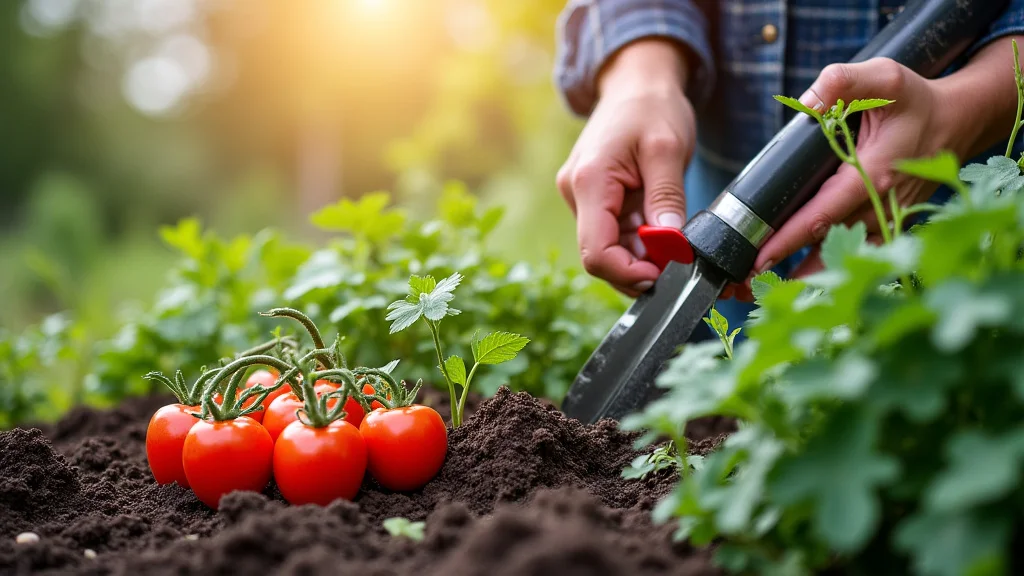
Remember that time you tried to plant a rose bush with a flimsy plastic trowel? It ended. poorly. The soil was tough, the trowel snapped, and you were left with a bruised thumb and a half-planted flower. Choosing the right gardening tools examples can make all the difference between a frustrating gardening experience and a rewarding one. This post explores essential tools, showing how each one works and when to use it, so you can transform your garden from a chore into a joy. You’ll gain a better grasp of what tools you truly need and feel confident choosing the right ones. This will help reduce your gardening time and boost your overall gardening success, leading to less frustration and more beautiful blooms!
Key Takeaways
- Learn about the main types of tools used in gardening.
- Understand the purpose and use of hand tools.
- Discover various types of long-handled tools and their applications.
- Find out how to choose the right tools for your specific gardening needs.
- Know how to maintain and care for your gardening equipment.
- Explore the specialized tools and accessories that can enhance your gardening.
Essential Gardening Tools for Beginners
Getting started in gardening can seem overwhelming, especially when you walk into a garden store and see aisles of equipment. However, the basics are simpler than you think. The core set of gardening tools examples is a great starting point for any garden enthusiast. These tools tackle most everyday gardening tasks, from preparing the soil to planting and maintaining your plants. Having these fundamental tools ready means you’re prepared for the majority of gardening work without spending a fortune on gadgets you might not need. As your experience grows, you can expand your collection to match your specific gardening requirements.
Hand Tools: Your Close-Up Companions
Hand tools are the workhorses of the garden, allowing you to get up close and personal with your plants. They are perfect for detailed work like planting seedlings, weeding, and working around existing plants. These tools are typically lightweight, easy to handle, and give you excellent control. They’re essential for anyone who enjoys the tactile experience of gardening, feeling the soil between their fingers, and tending to each plant with care. Their compact size makes them great for smaller gardens, containers, and raised beds.
- Trowel: A small, scoop-shaped tool, perfect for digging small holes, planting seedlings, and transplanting flowers. Its size is ideal for container gardening or working in tight spaces.
- Hand Fork: A small, multi-pronged tool for loosening soil, removing weeds, and aerating the ground around plants.
- Weeder: Used for removing weeds at their roots.
- Hand Rake: For smoothing soil, removing debris, and preparing seedbeds.
A trowel is a small hand tool with a curved, scoop-like blade and a handle. Think of it as a miniature shovel for your hand. It’s usually made from stainless steel, carbon steel, or durable plastic. The primary function of a trowel is to dig small holes for planting seeds and seedlings. It is also great for transplanting small plants, scooping soil, and weeding in confined areas where larger tools won’t fit. The curved shape makes it easy to scoop up soil, while the handle provides a comfortable grip. When choosing a trowel, consider the handle material (wood or plastic) for comfort and the blade material (stainless steel is rust-resistant).
A hand fork is a small tool with several tines or prongs attached to a handle, resembling a miniature pitchfork. Its main uses are to loosen compacted soil, gently cultivate around plant roots without causing damage, and remove weeds by lifting them from the ground. Compared to a trowel, the hand fork is better for working in established beds. It is designed to work in the top few inches of the soil. The tines easily break up clumps of soil and allow air and water to penetrate. It’s often made of forged steel with a wooden or plastic handle, ensuring durability. Look for a hand fork with slightly curved tines for better soil penetration.
A weeder is a specialized hand tool designed specifically to remove weeds from your garden efficiently. Weeders come in various shapes and designs, but they all share the common purpose of grabbing the weed below the surface and pulling it out, ideally including the entire root system. There are different types like the “hula hoe” that are ideal for wide-open areas. These are used to slice through weeds at the soil surface, preventing them from growing further. Then there are specialized weeders with a narrow blade or fork designed to reach deep into the soil to remove taproots. When choosing a weeder, consider the types of weeds in your garden and the soil conditions. Weeds are best removed when the soil is moist. Weeders are essential for maintaining a tidy garden.
A hand rake is a small, versatile tool with a head of teeth attached to a handle. It is ideal for a multitude of tasks that prepare your soil and maintain its quality. Typically, the hand rake is best for light-duty chores. The primary functions of a hand rake are smoothing the soil surface, breaking up small clumps, and removing debris like leaves, twigs, and small rocks. It can also be used for spreading mulch evenly or for lightly covering seeds after planting. The teeth are usually made of metal or hard plastic. When purchasing a hand rake, consider the size of your gardening space and the types of tasks you perform. A rake with closely spaced teeth is good for finer work, like smoothing a seedbed, while a rake with wider teeth works well for moving larger debris.
Hand Tool Scenario Example
- Imagine you’re planting a small herb garden in a raised bed. You will use the trowel to dig small holes for the seedlings. You will then use the hand fork to gently loosen the soil around the roots before backfilling with the trowel.
- Now, consider a bed of newly planted petunias. You notice a few weeds popping up. You will use a hand weeder to carefully remove the weeds, pulling them out by the roots.
Long-Handled Tools: Reach and Power
While hand tools offer precision, long-handled tools provide the leverage and reach needed for larger tasks. These tools help you work with less bending and strain. They are essential for preparing large areas of soil, planting, weeding, and managing your garden’s overall landscape. With long handles, these tools allow you to cover more ground with ease. They are a great addition to your gardening tools examples list.
Long Handled Tools
- Shovel: A shovel is useful for digging, moving soil, and transplanting larger plants.
- Spade: The spade is a similar tool to the shovel. It is designed for edging beds, turning over soil, and dividing plants.
- Garden Fork: For turning compost and breaking up compacted soil.
- Rake: The rake is used for leveling the ground, removing debris, and spreading mulch.
A shovel is a tool with a broad blade attached to a handle. It is designed for digging, lifting, and moving materials like soil, gravel, or compost. The blade can be flat (for scooping and leveling) or slightly curved (for digging and moving bulk materials). The handle can be straight or D-shaped (for better grip). The blade is typically made of steel. There are many different types of shovels, including digging shovels for penetrating the soil, round-point shovels that are great for general use, and square-point shovels for moving bulk materials like mulch or soil. When selecting a shovel, consider the soil conditions in your garden. For rocky or compacted soil, a digging shovel is ideal. A lightweight shovel will work well if you work with raised beds.
A spade is a tool with a flat, rectangular blade and a handle. It is used for digging, edging, and moving soil. Unlike a shovel, the spade’s blade is designed to be pushed into the ground to cut through roots, slice sod, and create neat edges. The flat blade makes it good for leveling surfaces and working in tight spaces. You can use it for dividing perennials. A spade’s blade is made of steel. The handle is often made of wood or fiberglass. When purchasing a spade, consider the size of your garden and the tasks you typically perform. A sharp, well-maintained spade is essential for tasks like creating clean edges around garden beds and borders, while a digging spade is ideal for moving soil and compost.
A garden fork is a long-handled tool with several tines or prongs. It is used for turning over soil, lifting compost, and aerating the soil. Compared to a shovel, a garden fork is better for breaking up clumps of soil and for mixing compost or manure into the soil. The tines penetrate the soil and allow you to loosen it without overly compacting it. A garden fork is made of steel with a wooden or fiberglass handle. When choosing a garden fork, consider the size of your garden and the types of soil you have. A fork with curved tines is ideal for turning compost, while a fork with straight tines is better for breaking up heavy clay soil. It also makes for an excellent alternative to a shovel.
A rake is a long-handled tool with a head of teeth. It is used for leveling soil, removing debris like leaves and twigs, and preparing seedbeds. It can also be used for spreading mulch, compost, or other materials evenly over the soil. The head can have metal or plastic teeth. There are different types of rakes for various gardening tasks, including a leaf rake for gathering leaves, a soil rake for grading and leveling soil, and a thatching rake for removing dead grass from a lawn. When selecting a rake, think about the kind of work that you do in your garden. The materials you work with will determine the features of the rake. The size of your garden and the type of work you do will determine the type of rake.
Approximately 35% of people use a rake to clear their lawns in the fall. The rake is a popular choice for light-duty work.
Long-Handled Tool Scenario Example
- Consider a situation where you need to create a new garden bed. You would use a shovel to dig out the initial area, removing the top layer of grass and soil. Next, a garden fork helps break up any compacted soil.
- Imagine your lawn is covered in fallen leaves. A leaf rake quickly gathers the leaves for easy disposal or composting.
Specialized Gardening Tools and Accessories
Beyond the essential hand tools and long-handled tools, several specialized tools and accessories can make gardening tasks easier and more enjoyable. These tools often solve specific problems or enhance efficiency. From watering systems to pruning tools, these additions offer unique benefits and support your garden’s overall health and appearance. Understanding these tools helps you optimize your gardening approach.
Specialized Tools
- Pruning Shears: Used for trimming small branches and stems.
- Loppers: For cutting thicker branches.
- Hedge Shears: Used for shaping hedges and shrubs.
- Watering Can/Hose: For providing water to your plants.
Pruning shears, also known as hand pruners or secateurs, are hand-held tools designed for trimming small branches, stems, and shoots of plants. They are essential for shaping plants, removing dead or diseased growth, and encouraging new growth. There are two main types of pruning shears: bypass and anvil. Bypass shears have two blades that pass each other in a scissor-like action. They are best for making clean cuts on live wood. Anvil shears have a single blade that comes down onto a flat surface. They are better for cutting dead wood. A good pair of pruning shears is made with high-carbon steel blades for sharpness and durability, and handles that are comfortable to hold. Choose the right size and type of pruning shears for the plants in your garden.
Loppers are long-handled tools used to prune thicker branches and stems. They are similar to pruning shears but are larger, with longer handles to provide extra leverage. Loppers come in two main types: bypass and anvil. Bypass loppers have two blades that cut like scissors, providing clean, precise cuts that promote faster healing. Anvil loppers have one blade that presses against a flat surface. They are best for dead or dry wood. The long handles of loppers let you reach higher branches and apply more force to cut through thicker stems. Loppers are essential for maintaining the health and shape of trees and shrubs. When selecting loppers, consider the size and type of branches you will be cutting. Loppers made with high-carbon steel blades are a good choice for durability. They should have a comfortable grip.
Hedge shears are a pair of long-bladed scissors used for shaping and trimming hedges and shrubs. They have long blades that are typically serrated. Hedge shears are designed to cut across multiple stems and branches at once, allowing for large-scale trimming. They are essential for maintaining the shape and appearance of hedges and creating formal garden designs. Hedge shears come in manual and powered (electric or gas-powered) versions. Manual hedge shears require physical effort. Powered shears offer convenience and speed. The blade of hedge shears is usually made from carbon steel. The handles are often made with a rubber grip. When choosing hedge shears, consider the size of your hedges, the amount of trimming required, and your personal preference for manual or powered tools.
A watering can is a container with a handle and a spout, designed for manually watering plants. Watering cans come in various sizes, shapes, and materials, from classic metal cans to lightweight plastic ones. They provide controlled watering, allowing you to direct the water precisely to the base of plants. Watering cans are great for container gardening, small gardens, and indoor plants. A garden hose is a flexible tube used to deliver water to plants in a garden. Garden hoses can be made from rubber, vinyl, or a combination of materials. They come in different lengths and diameters, and some have adjustable nozzles that allow you to change the water flow. Hoses are more efficient than watering cans for larger gardens and lawns. They provide quick access to large volumes of water. When using either, it is best to water early in the morning, which reduces water loss due to evaporation.
Accessories
- Gloves: Protect your hands from dirt, thorns, and blisters.
- Kneeling Pad: For comfort while working on the ground.
- Wheelbarrow/Cart: For transporting tools, soil, and plants.
Gardening gloves protect your hands from dirt, thorns, and potential injuries. They are typically made from durable materials like leather, synthetic fabrics, or a combination of both. Gloves come in various styles. Some offer full coverage for maximum protection, while others are designed for flexibility and dexterity. The correct gloves are vital for comfortable and safe gardening. When selecting gloves, consider the tasks you will be performing and the level of protection needed. Leather gloves are ideal for heavy-duty work like pruning and digging. Lightweight gloves are good for delicate tasks like planting. Gloves with a waterproof coating will protect your hands from moisture. Make sure your gloves fit properly. Gloves that are too loose can get in the way, while gloves that are too tight can cause discomfort.
A kneeling pad is a cushion designed to provide comfort and support while kneeling in the garden. It protects your knees from hard surfaces and reduces strain. Kneeling pads are typically made from foam, rubber, or other cushioning materials. The pads can vary in thickness and density depending on the level of support. They come in different shapes and sizes. Some are designed as simple pads, while others have handles for easy carrying. Using a kneeling pad allows you to work longer in the garden without discomfort. It reduces the risk of knee pain and allows you to work more comfortably. When selecting a kneeling pad, think about the frequency of use and the surface you garden on. A thicker pad provides more cushioning. Look for a pad made of durable, weather-resistant materials.
A wheelbarrow or garden cart is a small vehicle with a single wheel or multiple wheels, designed for transporting tools, soil, plants, and other materials in the garden. Wheelbarrows usually have one wheel and a large bucket-like bed. They are great for navigating narrow paths. Garden carts have two or four wheels and a flat bed or a large container. They offer more stability and can carry heavier loads. Both wheelbarrows and carts are essential for moving heavy materials and saving physical effort. They help to make your gardening tasks more efficient and less taxing. When choosing between a wheelbarrow and a cart, think about the size of your garden and the types of materials you will be transporting. Wheelbarrows are good for navigating tight spaces, while carts are better for larger loads. Check the weight capacity and build quality.
Choosing the Right Tools for Your Needs
The right tools can significantly affect your gardening success. The correct choices depend on several factors, including the size and type of your garden, the plants you grow, and the amount of time you have to invest. Deciding on the appropriate gardening tools examples means thinking about your unique gardening situation and choosing tools that will support your goals. Consider these tips to make sure you’re well-equipped.
- Assess Your Garden Size: For small gardens, hand tools might be sufficient. Larger gardens may need long-handled tools and power equipment.
- Consider Your Gardening Style: What kind of plants will you be growing? Do you plan to plant a lot of flowers, vegetables, or shrubs?
- Think About Your Physical Capabilities: Choose tools that are comfortable to use and won’t strain your body. Consider ergonomic designs.
- Evaluate Storage Space: Choose tools that are easy to store and organize, especially if you have limited space.
- Set a Budget: Determine how much you are willing to spend and prioritize your purchases.
The size of your garden greatly impacts the tools you’ll need. If you have a small space, like a balcony garden or a few raised beds, hand tools might be all you need. They are easy to maneuver, store, and provide the precision needed for smaller projects. For bigger gardens, hand tools are still important, but you’ll likely want to add long-handled tools for planting, weeding, and other larger tasks. You will also want to consider powered equipment, like lawnmowers or tillers, if you have a lawn or a large planting area. Measure your space, considering the overall square footage and the specific layout.
The type of plants you intend to grow impacts the tools you should have. If you are growing a flower garden, you will want to focus on tools like trowels, hand forks, and pruning shears. If you will be growing vegetables, consider tools like shovels, hoes, and rakes. For a garden that includes shrubs and trees, you’ll want loppers and hedge shears to manage their growth. Think about the specific needs of each plant. For example, roses require pruning shears for deadheading. Vegetables require shovels for planting and weeding. Make a detailed list of the plants you plan to grow to ensure you have the correct tools.
Prioritize tools that are comfortable and easy to use. Gardening can be physically demanding, so selecting tools that fit well and are designed for comfort is vital. Consider tools with ergonomic handles. These often have a curved or textured design that fits well in your hand. Look for tools that have padded grips, which can reduce strain on your hands and wrists. Consider the weight of the tools. Opt for lightweight options when possible. If you have limited mobility, choose tools with extendable handles. This can help reduce the need to bend and reach. Always try out the tool before you purchase it. Hold it and see if it feels comfortable and easy to use.
Think about where you will store your tools. Your available storage space will dictate which tools you can realistically purchase. If you have a small shed or garage, you should prioritize tools that can be stored compactly. Consider a tool rack or a wall-mounted organizer. This will help you keep your tools organized and accessible. If space is really limited, consider multi-purpose tools. Also, think about the size and shape of your tools. Long-handled tools are best hung on hooks or stored in a tall container. Small tools can be stored in a toolbox or a storage bin. Group similar tools together. Labeling your storage areas will make it easier to find what you need.
Before you make any purchases, it is wise to set a budget. You don’t have to purchase all of your tools at once. Focus on the essential tools and then slowly add to your collection. Think about your long-term goals. Decide what tools you will use the most. Tools can be costly, so you should focus on quality rather than quantity. Higher-quality tools will be more durable and last longer. You might consider purchasing tools gradually. Shop around and compare prices. Check out garden centers and online retailers. You can often find sales and discounts. If you do not have much cash on hand, consider used tools. Used tools can save you money.
Maintaining Your Gardening Tools
Good care helps gardening tools examples last longer. Maintaining your tools ensures they work correctly and remain safe. Properly maintained tools will perform their jobs efficiently and safely. By doing the right thing, you can extend the life of your equipment and avoid the frustration of dealing with broken or rusty tools when you are ready to use them. Regular maintenance is a simple investment in the success of your garden. Here’s how to keep your tools in top shape:
- Clean Your Tools After Use: Remove dirt and debris with a brush or a cloth. This prevents rust and corrosion.
- Sharpen Blades Regularly: Sharp blades make cleaner cuts and are safer to use. Use a file or sharpening stone.
- Lubricate Moving Parts: Apply oil to hinges and moving parts to keep them working smoothly.
- Store Tools Properly: Store tools in a dry place to prevent rust. Consider using a tool rack or a toolbox.
Make a habit of cleaning your tools every time you use them. This is the simplest yet most effective way to extend their life. After each use, wipe off dirt, mud, and plant debris. Use a stiff-bristled brush or a cloth. For tools with blades, like pruning shears or shovels, make sure to clean them thoroughly. For especially stubborn dirt, you can use a solution of warm water and soap. Avoid storing dirty tools. Any debris can attract moisture and lead to rust. A clean tool is always more effective and enjoyable to use.
Keep the blades of your tools sharp. Sharp tools require less force and give cleaner cuts, which promotes faster healing for your plants. This is especially important for pruning shears, loppers, and knives. Dull blades can tear and damage plant tissue. Use a file or a sharpening stone to sharpen blades. The frequency with which you sharpen your tools will depend on how often you use them. You should sharpen blades when they start to feel dull. Take care while sharpening. Use protective gloves to avoid injuries. For tools with more complex blades, such as hedge shears, you might need to use a sharpening service.
Lubrication is vital for the smooth operation of tools with moving parts. Hinges on pruning shears and loppers benefit from regular lubrication. A small amount of oil prevents friction and wear, making the tools easier to use. You can use a general-purpose oil, such as WD-40 or a specialized tool lubricant. Apply a small amount of oil to the hinges and other moving parts. Then, open and close the tool several times. This distributes the oil evenly. Lubricate your tools at least twice a year. If you use the tools often, you might need to lubricate them more frequently. Regular lubrication can prevent rust and corrosion.
The correct storage helps protect your tools from damage and extends their life. Always store your tools in a dry place. Exposure to moisture is a primary cause of rust. Consider a shed or a garage. Using a tool rack or a toolbox can help you keep your tools organized. This makes it easier to find what you need. Place long-handled tools on a rack. Hang up hand tools. Store sharp tools in a way that protects the blades. Use blade protectors or store them in a secure container. Keep all tools away from direct sunlight, which can damage wooden handles or handles made from plastic.
Frequently Asked Questions
Question: What are the essential hand tools for gardening?
Answer: The essential hand tools include a trowel for planting, a hand fork for loosening soil, a weeder for removing weeds, and a hand rake for smoothing soil.
Question: What is the best way to clean my gardening tools?
Answer: Clean tools after each use by removing dirt and debris with a brush or cloth. Rinse with water if necessary, and dry thoroughly to prevent rust.
Question: How often should I sharpen my pruning shears?
Answer: Sharpen your pruning shears when they begin to feel dull. The frequency depends on use, but regular sharpening maintains their effectiveness.
Question: What’s the benefit of lubricating gardening tools?
Answer: Lubricating hinges and moving parts keeps tools operating smoothly, reduces wear, and prevents rust, enhancing their lifespan and efficiency.
Question: How do I choose the right size shovel for my garden?
Answer: Consider your garden’s size and the tasks you’ll perform. A smaller garden may do well with a standard shovel, while larger gardens may require more specialized sizes.
Final Thoughts
Choosing the right gardening tools examples can transform your gardening experience, making it easier and more enjoyable. We’ve explored the essential tools for every gardener, from hand tools for precision work to long-handled tools for reaching and power. We’ve talked about specialized tools that can improve particular tasks, such as pruning, and given you the information you need to select the right tools for your specific garden. Maintaining your tools properly is essential for ensuring they remain in good condition. By implementing these suggestions, you’ll be well-prepared to tackle any gardening project. So, take the knowledge you’ve gained, choose your tools wisely, and get ready to create a garden you can be proud of! Embrace the process, and enjoy the beauty of a garden that thrives under your care.