
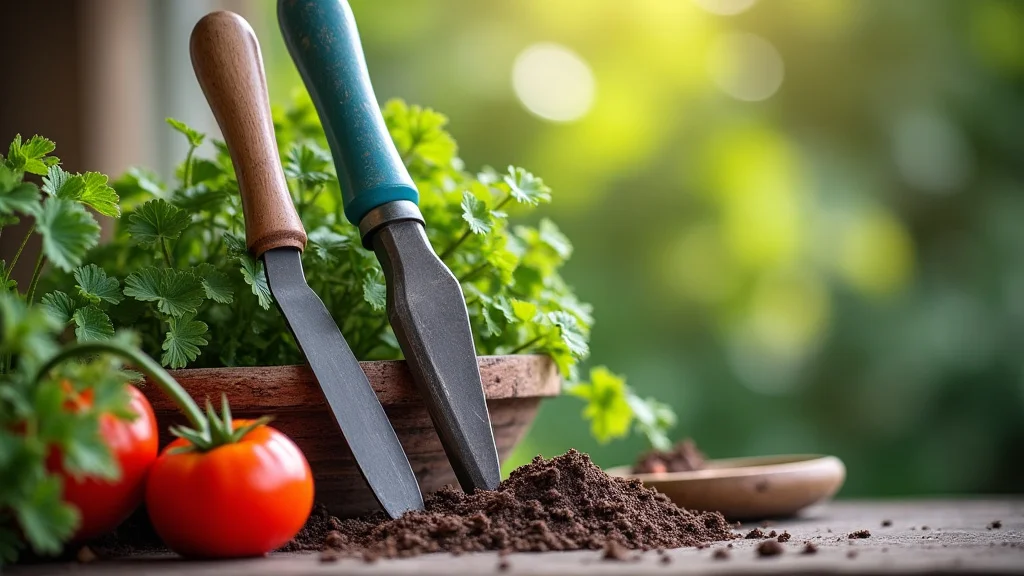
Remember that time you tried planting a rose bush with a rusty spoon? Yeah, let’s just say it wasn’t pretty. We’ve all been there – staring at a mound of dirt, armed with the wrong tools, and wondering why our garden looks more like a weed patch. This guide is here to change all that. We’ll explore the essential gardening tools and their uses, ensuring you’re equipped for success, whether you’re a seasoned gardener or just starting out. Get ready to transform your outdoor space and learn how to maintain a thriving garden. By the end, you’ll know exactly what gardening tools you need and how to use them, saving you time, effort, and frustration.
Key Takeaways
- Learn about the fundamental gardening tools and their uses.
- Discover the importance of soil preparation and the tools involved.
- Understand the different types of tools for planting, weeding, and pruning.
- Get tips on choosing the right tools for your specific gardening needs.
- Find out how to properly care for and maintain your gardening tools.
- Explore some of the newest innovations in garden tool design and technology.
Essential Tools for the Budding Gardener
The foundation of any successful garden begins with the right tools. Investing in quality equipment that suits your specific needs will make gardening more enjoyable and effective. This section focuses on the basic gardening tools and their uses, providing a solid start for all gardening enthusiasts.
Hand Trowel and Hand Fork
The hand trowel and hand fork are probably the two most used hand tools in the garden. They are great for small tasks, like planting seedlings, transplanting small plants, or loosening soil. A hand trowel is like a small shovel, perfect for digging holes and scooping soil. The hand fork, on the other hand, is used for turning over the soil, removing weeds, and aerating the soil around plants. Both tools should be made of durable materials like stainless steel or carbon steel, to ensure a long life. The handles are often made from wood or plastic for comfort and grip.
- Hand Trowel’s Utility: The hand trowel excels at digging small holes for seedlings, bulbs, and bedding plants. Its pointed, scoop-like shape makes it easy to scoop soil and deposit it around the roots. Choose a trowel with a comfortable handle and a blade that’s strong enough to handle different soil types, from loose soil to compact clay. A good hand trowel is a cornerstone of a functional toolkit.
- Hand Fork’s Utility: The hand fork helps to loosen and aerate the soil, allowing better water and nutrient absorption by plant roots. It’s also effective for removing small weeds. Use the fork to gently lift weeds, especially in tight spaces where a larger tool wouldn’t fit. Consider a fork with sturdy tines and an ergonomic handle, particularly if you have a lot of weeding to do.
- Material Matters: Look for trowels and forks made from rust-resistant materials. Stainless steel and powder-coated steel are great choices because they’ll withstand the elements and the rigors of gardening. Handles made of hardwood or well-designed plastic offer a good grip, making these hand tools comfortable to use, even during extended gardening sessions.
Consider purchasing a hand trowel and hand fork set. The coordinated design will give you tools that perform well together. When purchasing, make sure you know what types of plants you will grow in your garden to better guide your selection.
Gardening Gloves
Gardening gloves aren’t just for fashion; they’re essential for protecting your hands from dirt, thorns, and potential irritants. Choosing the right gloves is important to match the tasks. They come in various materials, each offering different levels of protection and dexterity. Properly chosen gloves will make a big difference, preventing blisters, cuts, and keeping your hands clean. When choosing gloves, think about the type of gardening work you’ll be doing most often.
- Types of Gloves: Different gardening tasks call for different glove types. For example, leather gloves are perfect for general gardening and provide excellent protection against thorns and rough surfaces. Nitrile gloves are a great choice for finer work like planting seeds, as they offer good dexterity. Breathable gloves will help you avoid sweaty hands during warmer gardening days.
- Material Selection: The material of your gloves determines how long they last, how comfortable they are, and how much protection they offer. Leather gloves are sturdy and great for tough jobs. Nitrile and other synthetic materials are water resistant and allow for sensitive tasks. Fabric gloves provide breathability. Select gloves based on the type of gardening work you perform.
- Sizing and Fit: The best gloves offer a snug fit without restricting movement. Your gardening gloves should enable you to work comfortably. To choose the right size, measure around your palm (excluding the thumb). Review the size charts available to determine your size. Too large, and you’ll lose dexterity; too small, and they’ll be uncomfortable.
Gloves also protect against allergens that might be present in the soil or on plants. When selecting your gloves, look for reinforced palms and fingertips to increase durability. Taking the time to choose the right gardening gloves will enhance your gardening experience.
Watering Can or Hose with a Nozzle
Water is life, and the method by which you deliver it to your plants is important. A watering can is perfect for smaller gardens and for targeting specific plants. A hose with a nozzle offers more reach and volume, ideal for larger areas. The choice depends on the size of your garden, the type of plants you are growing, and your personal preferences. Both are crucial gardening tools and their uses.
- Watering Can Features: A watering can helps you control where and how much water you apply. Choose a can with a comfortable handle and a rose head (the sprinkler head). The rose head delivers water gently, avoiding soil erosion and damage to delicate seedlings. Different sizes are available, from small ones for indoor plants to larger ones for outdoor use.
- Hose Nozzle Selection: A hose with an adjustable nozzle provides control over the water flow. Look for nozzles with different spray patterns, like a gentle shower, a focused stream, or a flat spray. This flexibility lets you adapt your watering to the needs of different plants. Many nozzles come with ergonomic handles and locking mechanisms for easy use.
- Watering Strategies: The best time to water your plants is in the morning, which lets the leaves dry before nightfall. This reduces the chance of fungal diseases. Water deeply, soaking the soil, but avoid overwatering, as this can lead to root rot. Observe your plants to determine when they need water, looking for signs such as wilting leaves or dry soil.
Proper watering practices are essential for healthy plant growth. Consider installing a rain barrel to collect rainwater for your garden; it is a sustainable, cost-effective way to water your plants.
Tools for Soil Preparation and Planting
Healthy soil is the foundation of a thriving garden. Preparing your soil correctly is important to ensure your plants thrive. This section explores gardening tools and their uses for soil preparation and planting, from breaking up hard soil to creating perfect planting holes. Proper preparation will ensure a great start for your plants.
Garden Hoe
The garden hoe is a versatile tool for various soil preparation tasks. It is great for breaking up soil, removing weeds, and creating furrows for planting. Choose the right type of hoe for the work. Its long handle allows you to work standing up, reducing strain on your back. There are many types of garden hoes, each designed for a different purpose.
- Types of Hoes: The common types include the draw hoe (used for chopping and moving soil), the scuffle hoe (for slicing weeds at the surface), and the weeding hoe (for getting rid of weeds around plants). Choose the right hoe to meet your particular needs. The draw hoe is excellent for breaking up hard soil, while the scuffle hoe is great for weeding between rows.
- Hoeing Technique: Proper technique is key to using a hoe effectively. When using a draw hoe, pull it towards you, chopping the soil. When using a scuffle hoe, push it back and forth just below the surface of the soil to sever weeds. Regular hoeing will keep your garden tidy and the soil ready for planting.
- Care and Maintenance: Keep your hoe sharp and clean. Sharpening the blade will make it more effective. Clean your hoe after each use and store it in a dry place to prevent rust. An oiled blade will protect it. If properly maintained, a good hoe will provide years of service.
The right hoe can save you a lot of time and effort in the garden. For small gardens, a hand hoe might be sufficient; for larger gardens, a longer-handled hoe will be more practical.
Spade and Shovel
Spades and shovels are essential tools for digging, moving soil, and planting. While they look similar, their shapes and functions are different. A spade is best for digging and cutting through soil, while a shovel is better for moving loose materials. These are among the most versatile gardening tools and their uses.
- Spade’s Utility: The spade has a flat blade and is used for digging trenches, transplanting plants, and edging garden beds. Its design allows you to cut through soil and create clean lines. A well-designed spade has a comfortable handle and a sturdy blade to withstand the demands of digging.
- Shovel’s Utility: The shovel has a curved blade that is excellent for moving soil, compost, and other loose materials. It can also be used for digging holes for planting. A shovel’s curved blade is designed to scoop and carry more material. It is more suited for shifting piles of dirt and mulch.
- Choosing the Right Tool: When selecting a spade or shovel, consider the length of the handle and the material of the blade. A long-handled tool helps to prevent back strain. The blade should be made of durable material, such as carbon steel or stainless steel. A good shovel and spade are valuable assets to your gardening toolkit.
These tools are important for almost any gardening activity, from preparing soil to planting trees. Quality spades and shovels are worth the investment. Consider buying both. If you have limited storage space, focus on getting the most versatile tools.
Rake
A rake is a tool for smoothing soil, collecting leaves and debris, and spreading mulch. Its design helps you prepare the soil surface for planting. Various rake types are available. Choosing the right rake will make your gardening tasks more manageable. Rakes are vital for good soil.
- Types of Rakes: The different types include the leaf rake, for gathering leaves and light debris; and the garden rake, for leveling soil and breaking up clumps. The leaf rake usually has flexible tines, while the garden rake has rigid tines for working the soil. Consider getting both to tackle different gardening tasks.
- Raking Techniques: When raking, use a sweeping motion to collect leaves and debris. For leveling soil, drag the rake across the surface, breaking up clumps and creating a smooth seedbed. It is important to rake in the same direction, to move any materials with you.
- Rake Care and Storage: After use, clean the rake and store it in a dry place. This protects the tines from damage. If the tines are made of metal, you may want to oil them to prevent rust. Rake maintenance will make your tool last longer.
A good rake will make your gardening work much easier. Consider the size of your garden and the type of tasks you perform when selecting your rake. A good quality rake can improve your gardening activities.
Tools for Weeding and Pruning
Weeding and pruning are essential tasks in every garden. Weeding helps to remove unwanted plants that compete with your plants for resources. Pruning helps to maintain the health and shape of your plants. This section provides an overview of the tools that support those tasks. These are important gardening tools and their uses that help to maintain a clean and healthy garden.
Weed Puller
A weed puller is specifically designed for removing weeds, especially those with long taproots. It is a handheld tool that reduces bending and makes weed removal easier. Several designs are available, each offering a unique approach to weed removal. Weed pullers are a great choice when looking for gardening tools and their uses.
- Types of Weed Pullers: There are many types. Some have a claw to grab the weed, while others have a forked end to lift the weed and its roots. Some weed pullers have long handles, allowing you to remove weeds without bending over. Choose a type that is comfortable and effective for your soil conditions and the types of weeds you have.
- Using a Weed Puller Effectively: Place the weed puller over the weed. Press the tines into the ground around the weed. Pull the handle to lift the weed and its roots out of the soil. Remove the weed, shaking off any excess soil. Proper use can help you remove weeds effectively.
- Weed Puller Maintenance: Clean the weed puller after each use. Remove any soil or debris from the tool. Store it in a dry place to prevent rust. Regular cleaning and maintenance will ensure that your weed puller lasts a long time and remains effective.
A weed puller will help you minimize back strain and improve weeding efforts. Experiment with different weed puller designs to find the one that best suits your needs.
Pruning Shears
Pruning shears, also known as hand pruners or secateurs, are used for cutting stems, branches, and flowers. They are important for maintaining the shape and health of plants. Using the right pruning shears will make the task easier and prevent plant damage. Pruning shears are among the most essential gardening tools and their uses.
- Types of Pruning Shears: There are two main types: bypass pruners and anvil pruners. Bypass pruners have blades that pass each other, making clean cuts. Anvil pruners have a blade that cuts against a flat surface. Bypass pruners are better for making clean cuts. Anvil pruners are often used for deadwood.
- Pruning Techniques: Prune at a slight angle, just above a bud or branch union. This prevents water from collecting and causing disease. Remove dead, damaged, or diseased branches. Thin out crowded branches to improve air circulation and sunlight exposure.
- Shear Maintenance: Keep your pruning shears clean and sharp. Sharpen the blades regularly. Clean the blades with rubbing alcohol after each use to prevent disease spread. Store your shears in a dry place. Proper maintenance will help to extend the life of your shears.
Correct pruning practices are crucial for the health of your plants. Use sharp shears to make clean cuts, and always prune at the right time of year for your plants.
Loppers
Loppers are long-handled pruning tools used for cutting thicker branches. The extra leverage provided by the handles makes it easier to cut through larger branches than with hand pruners. Loppers are a key part of gardening tools and their uses.
- Lopper Types: There are bypass loppers and anvil loppers, similar to pruning shears. Bypass loppers provide a cleaner cut. Anvil loppers are often stronger. Choose loppers based on the size and type of branches you need to prune. Longer handles provide more leverage for cutting larger branches.
- Lopping Techniques: Position the loppers around the branch. Use a squeezing motion to cut through the branch. Make clean cuts. Remove branches flush with the main stem or trunk. When pruning large branches, consider using the three-cut method to prevent tearing the bark.
- Lopper Care: Regularly clean and sharpen the blades. Lubricate the pivot points to keep the loppers moving. Store them in a dry place. Clean loppers ensure you get clean cuts and will last for years.
Loppers are an essential tool for maintaining the health and appearance of trees and shrubs. They make pruning larger branches easier. Use loppers in conjunction with pruning saws for larger jobs.
Choosing the Right Tools for Your Garden
Selecting the right gardening tools and their uses depends on your garden’s size, the type of plants you are growing, and the tasks you need to perform. Choosing the proper tools for the job will help to make your gardening more enjoyable and effective. Careful selection of your gardening tools and equipment will help you get the most from your garden.
Garden Size and Type
Your garden’s size is a key factor. For a small balcony garden or a few containers, a basic set of hand tools might be sufficient. Larger gardens may require long-handled tools for efficiency. The type of plants will also play a role. Different tools are suited for flower beds, vegetable gardens, and lawns.
- Small Gardens: For small spaces, such as balconies or patios, choose compact tools. Hand trowels, hand forks, and small watering cans are ideal. Consider a multi-tool that combines several functions. Prioritize tools that can be easily stored.
- Large Gardens: In larger gardens, you’ll benefit from the efficiency of long-handled tools, like hoes, spades, and rakes. Wheelbarrows are valuable for transporting soil, compost, and other materials. Invest in a good watering system to water large areas.
- Plant Type Considerations: For flower beds, you’ll need pruning shears for deadheading and shaping plants. In a vegetable garden, hoes are important for weeding and soil preparation. Lawns require a lawnmower, a spreader for fertilizer, and other lawn care tools.
Think about the tasks you will perform and select tools that suit your garden’s needs. Choose versatile tools that can handle various tasks and consider storage space when making your selections. Plan your purchase wisely for the best results.
Tool Quality and Materials
The quality of your gardening tools affects their durability, performance, and your gardening experience. Invest in tools made from high-quality materials to ensure that they last for many years. Quality tools are much more important. Proper selection of the tools you need makes the job so much easier.
- Material Matters: Look for tools made from rust-resistant metals, such as stainless steel or carbon steel, as these are long-lasting. Handles made of hardwood or fiberglass offer good strength and comfort. Avoid tools with cheap plastic handles, as these can break easily.
- Construction: Tools that are well-constructed are built to last. Check the welds and connections of tools. The handles should be attached securely. Quality tools typically feature riveted or bolted handles.
- Ergonomics and Comfort: Select tools with comfortable handles. An ergonomic design will reduce strain and improve your gardening experience. Look for tools with padded grips. This makes the job less tiring and more enjoyable.
Investing in quality tools, even if they cost more upfront, will provide long-term value. Quality tools will last longer. They will make gardening easier, more enjoyable, and reduce fatigue.
Storage and Organization
Proper storage is essential to protect your tools and keep them organized. It also prolongs their life. Storing tools properly helps to keep them in good working order for longer. Consider how much space you have. Good organization reduces the chances of damage.
- Tool Shed or Storage Box: A dedicated tool shed or storage box provides a safe and dry place to store your tools. Protect your tools from the elements. This is especially important during the off-season.
- Hanging and Racks: Hanging tools on a wall or using racks will help to keep them organized. It will save space and make it easier to find the tools you need. Organize your tools by type or use.
- Cleaning and Maintenance: Before storing your tools, clean them. Wipe off any dirt and debris. Consider sharpening blades and applying oil to metal parts. This extends the life of your tools and keeps them in great shape.
Implementing a storage system will make your gardening more efficient and easier. Regular tool care will help extend their life. Taking care of your tools is important. A good storage system can help you stay organized and protect your equipment.
Caring for and Maintaining Your Gardening Tools
Proper care and maintenance will ensure that your gardening tools last for many years. Regular maintenance helps to maintain their effectiveness and prevent premature wear and tear. This section will walk you through the proper way to care for your gardening tools and their uses.
Cleaning Your Tools
Cleaning your tools after each use is vital. Removing dirt, sap, and other debris prevents rust and keeps tools in working condition. Cleaning your tools will prevent the spread of disease. It will also extend the life of your tools.
- Removing Soil and Debris: After use, wipe off soil and debris with a brush or cloth. If you are working in clay soil, it is particularly important to remove any build-up on your tools. Use a putty knife or scraper for stubborn dirt.
- Washing with Soap and Water: Wash tools with warm, soapy water to remove any remaining dirt and debris. Rinse well. Use a mild dish soap. This prevents corrosion.
- Disinfecting Blades: Disinfect blades to prevent the spread of plant diseases. Use rubbing alcohol or a commercial plant disinfectant. This is especially important if you are pruning diseased plants.
Maintaining the cleanliness of your gardening tools will help to keep your garden healthy. Always clean your tools after each use.
Sharpening Blades
Sharpening the blades of your tools is important for efficient cutting and pruning. Dull blades require more effort. They can damage your plants. Regular sharpening ensures clean cuts and reduces plant damage.
- Using a Sharpening Tool: Use a sharpening stone, file, or sharpening tool specifically designed for gardening tools. Sharpening stones are great for regular maintenance. Files are good for more aggressive sharpening.
- Sharpening Technique: Hold the blade at the correct angle and move the sharpening tool along the blade. Maintain a consistent angle. Work in the direction of the blade edge.
- Frequency of Sharpening: Sharpen blades regularly. The frequency depends on use. Dull blades should be sharpened when you notice they are not cutting cleanly. Sharp blades make tasks easier.
Keeping your blades sharp will improve the efficiency and effectiveness of your gardening tasks. Regular sharpening will extend the life of your tools.
Storage and Rust Prevention
Proper storage is important to protect your tools from the elements. This prevents rust and corrosion. Storing your tools will make them easier to access. A good storage system will help keep your tools in excellent condition.
- Dry Storage: Store your tools in a dry place. A tool shed, garage, or storage box is best. Moisture can cause rust. Avoid storing tools outdoors, exposed to the elements.
- Rust Prevention: Apply a light coat of oil to metal parts to prevent rust. Vegetable oil or a commercial tool oil works well. Wipe off excess oil.
- Handle Protection: Store your tools with their handles protected. This protects the handles. A storage system, such as a pegboard or tool rack, will keep your tools organized.
Proper storage practices will help you keep your tools in great shape for many seasons. Maintenance and storage are important steps. Consistent care will extend the life of your tools.
Frequently Asked Questions
Question: What’s the best way to clean sap from pruning shears?
Answer: Use rubbing alcohol or a specialized sap remover. Rubbing alcohol works by dissolving the sap, making it easy to wipe away. Apply the alcohol to the shears and wipe with a clean cloth.
Question: How often should I sharpen my pruning shears?
Answer: Sharpen your pruning shears whenever they start to struggle with clean cuts. This could be every few weeks, or more often if you are doing a lot of pruning. You should sharpen them at least once a year.
Question: What’s the best type of watering can for a small garden?
Answer: A watering can with a rose head is best. The rose head produces a gentle spray that is great for seedlings and delicate plants. Select a size that is comfortable to carry and matches the needs of your garden.
Question: How do I remove rust from my gardening tools?
Answer: Use a wire brush or fine-grit sandpaper to remove rust. For light rust, a vinegar soak can also work. After removing the rust, dry your tools thoroughly and apply oil to prevent future rust.
Question: Can I use household bleach to disinfect my gardening tools?
Answer: Yes, you can. A diluted bleach solution (1 part bleach to 9 parts water) is effective for disinfecting tools. Always rinse your tools thoroughly after disinfecting and allow them to dry before storage.
Final Thoughts
Mastering gardening tools and their uses is the key to creating and maintaining a beautiful garden. From the essential hand trowel and fork to the more specialized loppers and weed pullers, each tool has a purpose that contributes to your garden’s health and vitality. Choosing the correct tools for your garden’s size, your plants, and your gardening style will make your work easier and more enjoyable. Remember that the quality of your tools matters; invest in durable, well-made tools that will last. Prioritizing proper care, including cleaning, sharpening, and storage, helps to prolong the life of your equipment. With the right tools and a little know-how, you can transform your outdoor space into a thriving, verdant paradise. So, step outside, get your hands dirty, and enjoy the fruits – and flowers and vegetables – of your labor. Your garden, and your sanity, will thank you.