
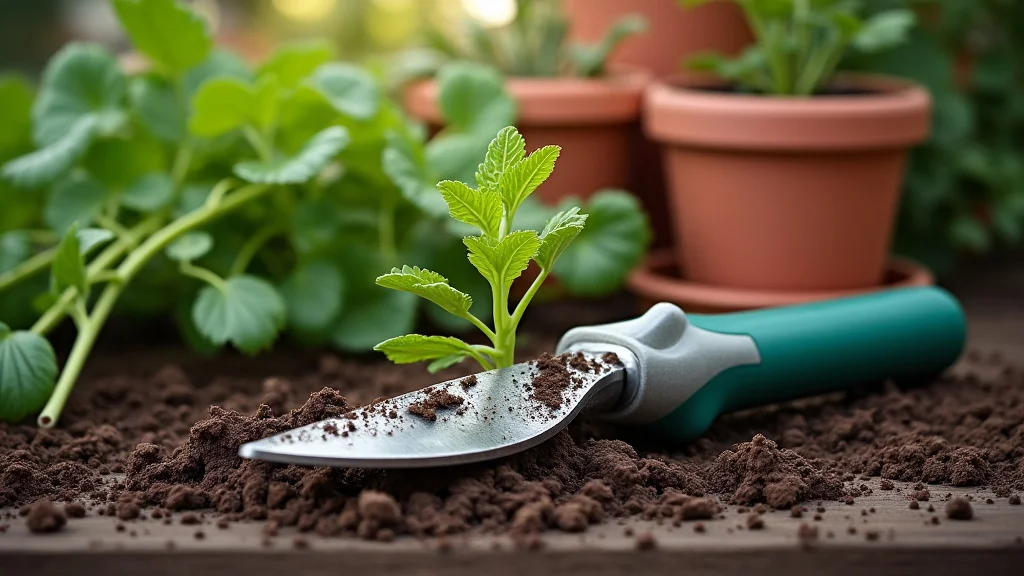
Remember that time you tried to plant a few flowers with a flimsy plastic trowel that snapped in half? Yeah, we’ve all been there. Getting started with gardening can feel a bit overwhelming, especially when you’re faced with a seemingly endless array of tools and equipment. But don’t worry! This guide will break down the essential gardening tools and equipment list you actually need, not just the ones that look fancy. You’ll explore what each tool does, how to use it, and what to look for when you’re buying. By the end, you’ll be able to confidently choose the right gear for your garden and avoid common beginner mistakes, helping you save money and enjoy a thriving garden. Prepare to become a successful gardener!
Key Takeaways
- Discover the essential tools needed to start and maintain a garden.
- Learn about the different types of tools and their specific purposes.
- Understand the importance of choosing the right tools for your garden.
- Get tips on how to care for your tools to keep them in good condition.
- Find out how to maximize efficiency and enjoyment in your gardening tasks.
- Acquire knowledge for selecting the most appropriate gardening tools and equipment list for your garden.
Essential Gardening Tools
Every gardener, from the newbie to the seasoned veteran, needs a core set of tools. These tools are the backbone of all gardening tasks, from preparing the soil to harvesting your crops. Having the right equipment makes the work easier, more enjoyable, and ultimately, more successful. This section will introduce you to these essential tools and explain how each one contributes to the health and beauty of your garden.
Hand Tools for Planting and Weeding
Hand tools are your close companions in the garden. They allow for precision and control, making them ideal for tasks like planting seeds, weeding between plants, and working in small spaces. These tools are generally affordable, easy to use, and require minimal storage space. They are the perfect starting point for any gardening enthusiast. Choosing the right hand tools can save you time and energy, allowing you to focus on the joy of watching your garden grow.
-
Trowel: A small, hand-held tool with a scoop-shaped blade, perfect for digging small holes for planting seedlings and transplanting small plants. The size and shape make it ideal for working in tight spaces.
Trowels come in various materials, including stainless steel, carbon steel, and plastic. Stainless steel trowels are a popular choice because they are rust-resistant and durable. The blade’s width often ranges from 2 to 4 inches. Using a trowel helps to loosen the soil, creating a favorable environment for root growth. Consider the handle material for a comfortable grip; wooden or rubber handles are good choices.
-
Hand Fork: A small, three- or four-pronged tool used for loosening soil, removing weeds, and mixing compost into the soil. It’s excellent for working around established plants without disturbing their roots.
Hand forks are typically made of metal and can withstand tough use. Their tines, the prongs of the fork, are spaced to allow for easy soil penetration and weed removal. Look for a hand fork with a comfortable handle, such as a wood or rubber grip, to reduce hand strain during longer gardening sessions. The hand fork is used to aerate the soil, which increases oxygen flow to plant roots.
-
Weeder: Designed specifically for removing weeds, a weeder usually has a forked or hooked end to help you grab weeds by the root. Weeding by hand is often the best approach for removing weeds completely, preventing them from returning.
There are different types of weeders: a “U-shaped” weeder is great for levering weeds out of the ground; a “knife” weeder helps to slice weeds just below the surface; a “claw” weeder will grab a weed from all sides. Choose a weeder that feels comfortable in your hand and fits your gardening style. Regular weeding is a crucial part of maintaining a healthy garden, ensuring that your plants get the nutrients and sunlight they need.
-
Hand Rake: A small rake used for smoothing soil surfaces, gathering leaves, and removing small debris. It is a smaller version of a standard rake.
These rakes are frequently made of steel or plastic, with the tines (the teeth of the rake) arranged to gather loose materials efficiently. Hand rakes are great for preparing seedbeds and cleaning up after planting. You can also use them to create a fine layer of mulch. Look for a lightweight model that won’t tire your arms during use.
Long-Handled Tools for Larger Tasks
While hand tools are great for close work, long-handled tools make larger tasks like digging, raking, and moving soil much easier and faster. These tools help to reduce strain on your back and make gardening a more comfortable experience, particularly when working in larger areas. These tools are the powerhouses of your gardening arsenal.
-
Spade: A flat-bladed tool used for digging, turning over soil, and edging. The flat blade makes it great for slicing through sod and making neat planting beds.
Spades are available in various sizes and shapes, with different blade designs suitable for various tasks. A pointed blade is ideal for digging, while a square blade is better for moving soil. The handle materials typically include wood or fiberglass, with fiberglass being more durable. The design of the spade facilitates easier soil penetration and removal.
-
Fork: A tool with long tines used for turning and aerating soil, as well as lifting and moving compost or manure. Forks are often preferred for their ability to break up compacted soil without disturbing soil structure too much.
Forks, like spades, can be designed with a straight or D-shaped handle to improve comfort and control. Garden forks help to aerate the soil and break up clumps of earth. They’re a valuable tool for amending soil with compost and other organic matter. The best choices are made of stainless steel or carbon steel for durability. Using a fork reduces the effort needed for soil preparation.
-
Rake: Used for leveling soil, gathering leaves, and removing debris over larger areas. A basic rake typically has metal or plastic tines.
Rakes are essential for preparing seedbeds and clearing garden areas. The tines (the teeth) of the rake are carefully spaced to collect leaves, grass clippings, and other debris efficiently. Rake handles often come in wood or lightweight metal, and it is a good idea to select one that fits your height. For efficient use, start at the edge and sweep in toward the center.
-
Hoe: A versatile tool with a blade that is used for weeding, cultivating soil, and creating rows for planting. The blade can have several shapes, each suitable for a different purpose.
There are several types of hoes, including the draw hoe, the scuffle hoe, and the Dutch hoe. The draw hoe is used by pulling it toward the user. The scuffle hoe is pushed and pulled along the surface, and the Dutch hoe cuts weeds below the surface. A hoe is a vital tool for both weed control and soil maintenance. Keeping the blade sharp is important for efficient work.
Watering Equipment and Irrigation Systems
Water is life for plants, so having the right tools for watering is essential. Whether you’re watering by hand or using an automated system, the right tools will make the task easier and more efficient. Proper watering ensures that your plants receive the right amount of water at the right time, promoting healthy growth and preventing common problems. Let’s look at the variety of watering options available for your gardening tools and equipment list.
Watering Cans and Hoses
These are the workhorses of the watering process, offering simple, direct ways to deliver water to your plants. From traditional watering cans to versatile hoses, the choice depends on your garden’s size and the plants’ specific needs. These are the tools that will keep your garden lush and green.
-
Watering Can: A simple tool for carrying and dispensing water, suitable for small gardens, containers, and spot watering. They are available in various sizes, from small ones for indoor plants to larger ones for outdoor use.
Watering cans come in plastic and metal, and some include a detachable rose, a sprinkler head that provides a gentle shower. Consider the size and weight when choosing a watering can, especially if you have a lot of plants to water. A good watering can will be balanced when full and comfortable to carry. They are great for watering seedlings.
-
Garden Hose: Provides a more extensive reach and is useful for watering larger areas. Hoses are available in various lengths and materials.
Hoses are essential for any garden. When choosing a hose, consider the length, material, and diameter. Longer hoses work well for large gardens. Rubber hoses are often the most durable. The diameter determines the water flow. Hoses can be paired with nozzles and sprayers for more versatile watering options. Proper storage, usually on a reel, helps prolong the life of the hose.
-
Nozzles and Sprayers: Attachments that control the water flow from your hose. They include adjustable spray patterns for various watering needs.
Nozzles and sprayers add versatility to your watering routine. They allow you to control the water pattern, ranging from a gentle shower to a powerful jet. Some nozzles offer settings like mist, fan, and jet. Brass nozzles are generally the most durable. A good nozzle will help you water your plants more efficiently, reducing water waste and preventing damage to delicate foliage.
Irrigation Systems
For more hands-off watering, consider irrigation systems. These automated systems offer precise water delivery, saving you time and ensuring your plants get the right amount of water. These systems range from simple soaker hoses to complex sprinkler systems, helping to create an efficient and sustainable watering process.
-
Soaker Hoses: Porous hoses that slowly release water along their entire length. These are ideal for watering flower beds, vegetable gardens, and other planted areas.
Soaker hoses are buried under mulch or laid directly on the soil surface. They deliver water slowly and steadily, which helps to minimize water waste and promote healthy root growth. The gradual release of water also reduces the chance of fungal diseases. Soaker hoses are typically made of recycled rubber and are easy to set up. Using a timer can automate the process.
-
Sprinkler Systems: Systems that simulate rainfall, delivering water over a wide area. Sprinklers can be fixed or oscillating.
Sprinkler systems are perfect for lawns and larger garden areas. They come in many different types, including impact sprinklers, oscillating sprinklers, and rotary sprinklers. When setting up a sprinkler system, consider the water pressure, coverage area, and the needs of your plants. A properly designed system provides consistent watering, preventing under- or overwatering. Using timers can automate the watering schedule.
-
Drip Irrigation: A highly efficient system that delivers water directly to the plant roots. It minimizes water loss through evaporation and runoff.
Drip irrigation is the most water-efficient method. This system uses tubes and emitters to deliver water directly to the root zone of the plants. It’s great for vegetable gardens, raised beds, and container plants. Drip irrigation reduces water waste, inhibits weed growth, and prevents the leaves from getting wet, thus reducing the risk of fungal diseases. Regular maintenance includes checking for clogs and leaks.
Soil Preparation and Cultivation Equipment
Healthy soil is the foundation of a thriving garden. Soil preparation and cultivation equipment helps to improve soil structure, add nutrients, and create an environment where plants can thrive. These tools are crucial for preparing your garden beds, ensuring your plants have the best possible start. From loosening compacted soil to enriching it with organic matter, these tools are important in the gardening tools and equipment list.
Soil Testing and Amendment Tools
Before you plant, it’s wise to know your soil’s condition. Soil testing tools provide vital information about the soil’s pH and nutrient levels, allowing you to choose the right plants and add the necessary amendments. This proactive approach helps to maximize plant growth and avoid common problems.
-
Soil Test Kit: Used to determine the pH level and nutrient content of your soil. This knowledge helps you select plants that will thrive in your soil.
Soil test kits are available at most garden centers. They typically include the supplies and instructions to measure pH, nitrogen, phosphorus, and potassium levels. Understanding your soil composition allows you to make informed decisions about soil amendments and planting choices. Test kits can range from simple, quick tests to more thorough laboratory analyses. Testing your soil is a proactive step toward a thriving garden.
-
Wheelbarrow: Used for moving soil, compost, mulch, and other heavy materials around the garden. They come in different sizes and materials.
A wheelbarrow simplifies the movement of materials such as soil, mulch, and compost. Wheelbarrows make it easier to distribute materials across your garden. Choosing a wheelbarrow with a sturdy frame, durable bed, and comfortable handles will improve usability. A well-built wheelbarrow will be a long-lasting and valuable tool in your gardening kit. Look for models with pneumatic tires for a smoother ride.
-
Soil Amendment Spreaders: Used to distribute soil amendments, such as compost, manure, and lime, evenly across the garden bed. This guarantees a consistent layer of amendments.
Soil amendment spreaders ensure that soil amendments, like compost and lime, are distributed evenly. This even distribution helps to improve soil structure and nutrient levels across the garden. There are various types, from small hand-held spreaders to larger push-behind models. Spreaders save you time and ensure even coverage, preventing nutrient imbalances. Regular use of spreaders makes soil maintenance easier.
Cultivation and Aeration Equipment
Cultivating and aerating the soil helps to improve air circulation, water drainage, and root growth. This process involves loosening the soil and breaking up any compaction, creating a healthier environment for your plants. Proper cultivation is essential for optimal plant growth and vigor.
-
Garden Cultivator: Used for breaking up soil, removing weeds, and aerating the soil. This helps to create a favorable environment for plant roots to grow.
A garden cultivator breaks up soil, removes weeds, and aerates the soil, which helps improve the health of your soil and makes gardening easier. Cultivators are available in various styles, from hand-held models to those with long handles. The tines or blades of a cultivator loosen the soil, allowing water and air to move more freely. Use a cultivator regularly to maintain healthy soil and control weeds.
-
Aerator: A tool used to improve air circulation in the soil, which promotes healthy root growth. Aerators can be manual or motorized.
Aerators create small holes in the soil, allowing air, water, and nutrients to penetrate the root zone. Aeration helps to break up compacted soil. Aeration prevents water from pooling on the surface. Manual aerators are easy to use for small gardens, while motorized aerators are more appropriate for large lawns. Aeration can be combined with other soil improvement practices, such as adding compost.
-
Rototiller: A motorized tool used for breaking up soil, mixing in amendments, and preparing garden beds. It is great for larger gardens.
Rototillers are mechanical powerhouses for garden preparation. They have rotating blades that dig and turn over the soil quickly and efficiently. Rototillers are excellent for preparing large areas for planting. Their powerful engines break up compacted soil and mix in organic matter, saving time and effort. Select a rototiller according to the size of your garden and the power needed.
Pruning and Harvesting Tools
Pruning and harvesting are essential tasks for maintaining healthy plants and enjoying the fruits (and vegetables!) of your labor. The right tools will make these jobs easier and more efficient, promoting healthy growth and helping to ensure a bountiful harvest. Having these tools will help maximize the value of your gardening tools and equipment list.
Pruning Tools
Pruning is the art and science of shaping and maintaining plants. These tools help to remove dead, damaged, or overgrown branches, which improves plant health and encourages new growth. From small hand pruners to large loppers and saws, the correct tools are important for a healthy and beautiful garden.
-
Hand Pruners (Secateurs): Small, hand-held tools used for cutting stems and small branches. They are great for deadheading flowers and pruning small shrubs.
Hand pruners are essential for making precise cuts. They come in two main types: bypass pruners, which make a clean cut, and anvil pruners, which press against a flat surface. Bypass pruners are better for live branches. Choose pruners with a comfortable grip and a sharp, durable blade. Regular sharpening and cleaning will extend the life of your pruners. They are ideal for trimming rose bushes.
-
Loppers: Long-handled pruners used for cutting thicker branches that are difficult to reach. Loppers provide extra leverage.
Loppers have long handles that offer more leverage for cutting thicker branches. They are ideal for pruning fruit trees and larger shrubs. Loppers are available in bypass and anvil styles. Consider the length of the handles and the cutting capacity when choosing loppers. Regular cleaning and sharpening will maximize their effectiveness. Loppers make it easy to reach high branches.
-
Pruning Saw: A saw with a curved or straight blade, used for cutting larger branches. They are useful for removing dead or diseased limbs.
Pruning saws are necessary for removing larger branches. They have sharp teeth designed to cut through thick wood. Saws with curved blades make for easier and more efficient cutting. Always choose a saw with a comfortable handle and a safety sheath. Regular cleaning and sharpening are vital for the saw’s effectiveness. Proper use of a pruning saw is important for tree health.
Harvesting Tools
Harvesting is the moment when all your hard work pays off. The right tools can make this task easier and more enjoyable, whether you’re picking vegetables, fruits, or flowers. These tools will ensure that you can gather your produce quickly and efficiently.
-
Harvesting Knife: A small knife with a curved or straight blade, designed for cutting fruits and vegetables. They are excellent for cleanly separating produce from the plant.
Harvesting knives are useful for picking vegetables and fruits. They have sharp blades that make precise cuts. Harvesting knives come in various shapes and sizes. Choose a knife that feels comfortable in your hand and has a sharp, durable blade. A good harvesting knife will help prevent damage to your crops. Clean your knife after each use.
-
Fruit Picker: A tool with a basket or jaws on the end of a pole, designed for picking fruit from high branches. They allow you to collect fruit without climbing.
Fruit pickers make it easier to harvest fruits from tall trees. These tools have a basket or jaws attached to a long pole. Use the picker to gently grasp the fruit and detach it from the branch. They are designed to prevent the fruit from falling. Choose a fruit picker with a sturdy pole and a basket that won’t damage the fruit. Fruit pickers make harvesting much easier.
-
Harvesting Baskets and Containers: Used for collecting and transporting your harvest. Select lightweight, easy-to-carry containers.
Harvesting baskets and containers help to transport your harvest efficiently. Choose baskets or containers that are the correct size and weight. Plastic baskets are good for vegetables and fruits. A well-designed harvesting container will keep your produce intact and fresh. Select containers that are easy to clean and store. Consider containers that provide air circulation.
Storage and Safety Equipment
Having a safe and organized workspace is crucial for any gardener. Proper storage will protect your tools and keep them in good condition. Safety gear will help you to prevent injuries while gardening. These tools and equipment will help you practice safe and productive gardening tools and equipment list methods.
Storage Solutions
Keeping your tools stored properly will protect them from the elements and extend their lifespan. From simple tool racks to spacious sheds, proper storage is a must for any gardener, no matter their experience level. Organizing your tools makes it easier to find what you need and makes gardening more enjoyable.
-
Tool Rack: A simple device for storing hand tools, such as trowels, hand rakes, and hand forks. Tool racks can be freestanding or wall-mounted.
Tool racks provide an organized storage system for your hand tools. They are great for keeping your tools out of the way. Tool racks can be positioned in a garage or shed. They typically have slots or hooks that fit different tool sizes. A well-organized tool rack will make it easier to access tools. It also saves space.
-
Tool Shed: A larger structure for storing all your gardening equipment, including tools, pots, and supplies. Sheds protect your tools from the weather.
A tool shed offers comprehensive storage for your gardening equipment. Sheds keep your tools safe from the weather and theft. Choose a shed with enough space for all your tools and supplies. Sheds come in various sizes and materials, such as wood, metal, or plastic. A well-designed shed will include shelves and racks for organization. Keep the shed clean and well-ventilated to avoid mold.
-
Tool Cart: A wheeled cart designed to move tools and supplies around your garden easily. They increase efficiency.
A tool cart improves convenience and efficiency in your garden. They allow you to move tools and supplies with ease. Carts come in many shapes and sizes, from small carts to larger wagons. Consider carts with multiple compartments and a comfortable handle. Tool carts make it easier to work in different parts of your garden. Select a cart with sturdy wheels for easy navigation.
Safety Gear
Gardening can involve physical work and potential hazards. Safety gear protects you from injury and helps to ensure a safe and enjoyable gardening experience. Investing in proper safety gear is an important part of any gardener’s gardening tools and equipment list.
-
Gloves: Protect your hands from dirt, thorns, and blisters. They are available in various materials.
Gardening gloves are an essential part of any gardener’s gear. They shield your hands from dirt, thorns, and blisters. Gloves come in various materials, including leather, cotton, and synthetic materials. Choose gloves that fit well and allow you to work comfortably. Durable gloves protect your hands. Gloves also help to improve your grip on tools.
-
Eye Protection: Sunglasses or safety glasses will protect your eyes from sun exposure, flying debris, and other hazards.
Eye protection shields your eyes from hazards. It is important when you’re using tools or working in windy conditions. Safety glasses and sunglasses will prevent injury. Consider styles that wrap around your eyes for complete coverage. Ensure that the eye protection is comfortable and doesn’t obstruct your vision. Regular eye protection makes gardening safer.
-
Knee Pads: Provide cushioning for your knees, making it more comfortable to work on the ground. They’re especially important for people who enjoy gardening for extended periods.
Knee pads make it more comfortable to work on the ground for prolonged times. They protect your knees from hard surfaces and reduce strain. There are various types, including strap-on and slip-on pads. Knee pads can extend the amount of time you spend working in your garden. This can help with your focus on your plants.
Choosing and Maintaining Your Tools
Selecting the right tools and maintaining them properly will extend their life and improve your gardening experience. Considering the right tools for your specific needs will make your gardening journey smoother and more successful. This section will guide you through the process, helping you find the perfect tools and keep them in top condition.
Selecting the Right Tools
Not all tools are created equal, and the best ones for you will depend on your gardening style and the types of plants you plan to grow. Taking your time to choose the correct tools for your needs will help you avoid wasted money and make gardening more enjoyable. Here are key things to look for when selecting your gardening tools and equipment list items.
-
Quality and Durability: Choose tools made from high-quality materials, such as stainless steel and durable wood. Well-made tools will last longer.
High-quality tools are an investment that pays off over time. Look for tools made from durable materials. Stainless steel is a popular choice for metal parts because it is rust-resistant. Wood handles can absorb shock. Always examine the construction of the tool for sturdy joints and secure connections. These qualities will ensure that your tools will withstand regular use and last for years.
-
Comfort and Ergonomics: Look for tools that fit well in your hand and have comfortable handles. Ergonomic designs reduce strain during use.
Comfort and ergonomics are essential for reducing strain and ensuring that you can work in your garden for extended periods. Choose tools with comfortable handles, such as rubber or padded grips. Consider the size and weight of the tool. Ergonomic designs, such as curved handles, will reduce stress on your wrists and hands. Comfortable tools make gardening more enjoyable and prevent injury.
-
Tool Size and Weight: Consider the size and weight of the tool and whether it suits your physical abilities and the types of tasks you will be doing. Select appropriately sized tools.
Choosing the correct tool size and weight is essential for ease of use and safety. If you have mobility issues, a lightweight tool will reduce strain. For people of larger stature, a longer handle may be the better choice. The size and weight of your tools will greatly impact your ability to work comfortably and efficiently. Try out tools if you can, to make sure they are a good fit for you.
Tool Care and Maintenance
Taking good care of your tools will extend their lifespan and keep them performing their best. Regular maintenance is a small investment that will save you money and ensure your tools are always ready to go. The proper care will help maintain the value of your gardening tools and equipment list.
-
Cleaning Tools: Clean your tools after each use to remove dirt, sap, and other debris. Clean tools prevent the spread of disease.
Cleaning your tools after each use is a simple but important task. Dirt, sap, and other debris can accumulate on your tools and harbor diseases. Clean tools with water and a brush. For sticky residues, use a solvent. Be sure to dry tools thoroughly to prevent rust. Clean tools will work more efficiently and last longer. Regular cleaning helps to maintain the hygiene of your garden.
-
Sharpening Blades: Sharpen blades regularly to ensure they cut cleanly and efficiently. Dull blades can damage plants.
Sharpening the blades of your tools is essential for making clean, precise cuts. Dull blades require more effort and can damage plants. Use a file or sharpening stone to keep blades sharp. Sharpen your tools at least once or twice per gardening season. Sharpening can be done at home or you can use a sharpening service. Sharp blades will make your gardening tasks more efficient and reduce fatigue.
-
Storing Tools Properly: Store tools in a dry place to prevent rust and damage. Consider using a tool rack or shed for organization.
Storing your tools properly will protect them from the elements and extend their life. Keep them in a dry place to prevent rust. Consider using a tool rack or a shed for organization and easy access. Protecting your tools from moisture will prevent rust and decay. Proper storage makes gardening easier and prolongs the life of your equipment. It is important to keep tools organized to avoid accidents.
Frequently Asked Questions
Question: What are the absolute must-have tools for a beginner gardener?
Answer: For a beginner, a trowel, hand fork, hand rake, and a watering can are the essential tools. These will cover most basic planting, weeding, and watering tasks.
Question: How often should I sharpen my pruning shears?
Answer: Sharpen your pruning shears at least once or twice per gardening season, or more frequently if you use them often. This will help maintain clean cuts and prevent damage to plants.
Question: What is the best way to store my garden tools during the winter?
Answer: Clean and dry your tools thoroughly before storing them. Then, store them in a shed, garage, or another dry place, away from direct moisture, to prevent rust and corrosion.
Question: What’s the difference between a spade and a shovel?
Answer: A spade has a flat blade and is used for digging and turning over soil, while a shovel has a curved blade that is more suited for moving loose materials like soil or mulch.
Question: How can I choose the right size of watering can?
Answer: Choose a watering can that is comfortable to carry when full and that is appropriate for the size of your garden and the amount of watering you need to do. Smaller cans are good for container gardens, while larger ones are better for beds.
Final Thoughts
Congratulations, you’ve now explored the essentials of a comprehensive gardening tools and equipment list! You now have a good starting point to explore the world of gardening. By selecting the right tools, caring for them properly, and understanding their purpose, you’re well on your way to a successful and enjoyable gardening experience. Remember that gardening is a learning process, so don’t be afraid to experiment, adapt, and refine your tool collection over time. Start small, focus on the basics, and most importantly, enjoy the process. Grab your gloves, get out there, and start creating your dream garden!