
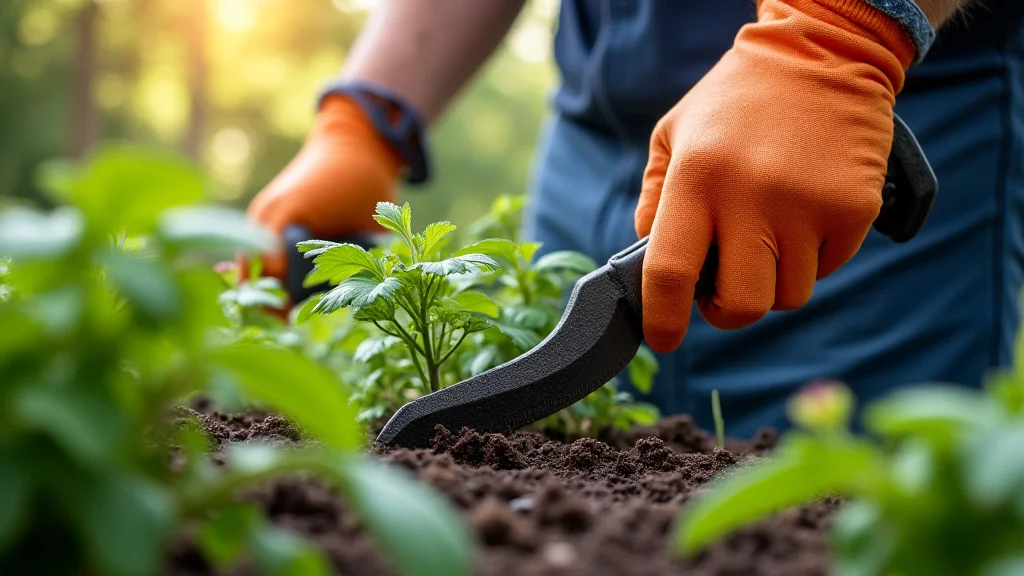
Remember that frustrating afternoon when you tried to dig a hole for a new rose bush, but your shovel just wouldn’t cooperate? Or maybe you spent ages wrestling with a tangled vine, wishing for a better way to trim it? We’ve all been there. Choosing the right gardening tool can make all the difference between a relaxing afternoon in the garden and a battle with nature. This post will help you explore the essential gardening tools, so you can pick the best ones for your needs. You’ll learn what to look for and how to use them, transforming your gardening experience. Prepare to feel empowered to create the garden of your dreams!
Key Takeaways
- Learn about essential gardening tools and their uses.
- Discover how to select high-quality tools that fit your gardening style.
- Understand the different types of tools available, from hand tools to larger implements.
- Explore tips for maintaining your tools to ensure their longevity.
- Find out which tools are must-haves for beginners and experienced gardeners.
- Get advice on where to purchase tools and compare prices.
Essential Gardening Tools for Every Gardener
Every gardener, from the newbie with a small herb garden to the experienced grower with acres of land, starts somewhere. The foundation of any successful gardening endeavor lies in the right equipment. This initial investment in quality gardening tools sets the stage for a rewarding experience. Knowing the purpose of each item and how to use it correctly is vital for efficient and enjoyable gardening. This first section will explore the core tools, explaining their specific roles, to help you build a solid toolkit.
Hand Tools: The Gardener’s Best Friends
Hand tools are the workhorses of any garden. These tools are designed for smaller tasks and are typically held in one hand. Their compact size and simple design make them easy to use, providing the precision needed for tasks like planting, weeding, and transplanting. From the delicate work of seed starting to the more demanding needs of cultivating the soil, hand tools offer the control required to make your plants thrive. They come in various shapes and sizes, and selecting the right ones for your garden will enhance both efficiency and your enjoyment.
-
Trowel: This small, scoop-shaped tool is ideal for digging small holes for planting seedlings and transplanting. It is also suitable for scooping soil and working in tight spaces.
A trowel, often crafted from stainless steel or durable plastic, is a must-have for every gardener. Its small size allows for precision when planting, ensuring that delicate roots are handled carefully. Choosing a trowel with a comfortable handle and a sturdy blade is essential. A good trowel should resist bending when used in various soil conditions. The best trowels often have measurements etched onto the blade, helping you to plant at the correct depth. Using a trowel can prevent damage to the surrounding plants by allowing controlled digging.
-
Hand Fork: A hand fork is used for loosening soil, removing weeds, and aerating the soil around plants. Its tines are excellent for digging among the roots without causing too much damage.
The hand fork is characterized by its short handle and three to five tines. It is an excellent tool for breaking up compacted soil and integrating compost or other soil amendments. The tines allow the gardener to easily lift weeds out of the ground, including their roots. When selecting a hand fork, consider the spacing of the tines; closer tines are perfect for finer tasks, while wider ones are better for general soil cultivation. Always maintain your hand fork clean after use to prevent the spread of diseases.
-
Hand Rake: Perfect for leveling soil, removing small debris, and preparing seedbeds. Its tines are typically made of metal or plastic.
The hand rake comes in handy for tasks like smoothing the surface of the soil before planting seeds or leveling off the soil after digging. Its small size makes it easy to maneuver in raised beds or small gardens. Selecting a hand rake involves choosing the right width and spacing of the tines. A narrower rake works well for delicate tasks, such as smoothing the soil in a seedbed. A good hand rake should have a comfortable handle that allows for easy grip and control. Be sure to clean the rake after use to keep the tines rust-free.
-
Weeder: This specialized tool removes weeds. Designs vary, but they often have a forked end or a sharp blade for getting under the weed’s roots.
The weeder is a critical tool in the fight against unwanted plants in the garden. It is specifically designed to remove weeds by either cutting them at the soil level or digging out their roots. Various types of weeders exist, including those with a forked head for levering weeds out of the ground and those with a sharp blade for slicing through roots. When choosing a weeder, consider the types of weeds you’re dealing with. For deep-rooted weeds, a weeder that digs beneath the roots is essential. The weeder’s handle should be comfortable and the head should be durable for efficient use.
Larger Gardening Implements: For Larger Tasks
As your garden grows, so will your need for larger implements. These tools are designed to handle larger areas, making tasks like soil preparation, weeding, and harvesting significantly easier. Often, these tools have longer handles, providing leverage for moving and working the soil. Consider this the upgrade, where you move from delicate tasks to substantial endeavors. Proper use and storage of these tools is a factor of their longevity.
-
Shovel: Used for digging, moving soil, and transplanting larger plants. Shovels come in various forms, including round-point for digging and flat-point for moving materials.
A shovel is a versatile tool. It’s used for everything from digging holes for trees and shrubs to moving piles of soil, compost, or mulch. A shovel’s effectiveness depends on the blade shape and handle length. Round-point shovels are ideal for digging, while square-point shovels are best for scooping and moving materials. When choosing a shovel, consider the quality of the blade and handle material. A strong, long handle offers greater leverage. A well-maintained shovel should last many seasons of use. Proper storage is a key to keeping it in good condition.
-
Spade: Similar to a shovel, but with a flat, squared blade, perfect for edging, cutting through roots, and creating clean lines in the garden.
The spade, with its flat blade, is perfect for edging lawns, cutting through tough roots, and moving soil. It is great for creating neat borders around beds and walkways. A spade’s blade shape makes it excellent for slicing into the soil to lift turf or separate plants. When selecting a spade, consider the material of the blade and handle. A sturdy handle and a sharp blade will make your work more efficient. Storing your spade in a dry location will prevent rust and prolong its lifespan.
-
Garden Fork: Used for turning compost, aerating soil, and lifting root crops. Its tines are strong enough to break up compacted soil.
A garden fork is designed for turning compost piles, aerating the soil, and lifting root vegetables like potatoes. It is stronger than a hand fork and designed for larger tasks. The tines of a garden fork are sturdy and can handle heavy work. Garden forks come with different tine shapes and handle lengths. When selecting one, consider the type of soil you have and the tasks you perform most often. A long handle will give you more leverage for digging and lifting. Regular maintenance, such as cleaning and sharpening the tines, keeps the fork in peak condition.
-
Hoe: A versatile tool used for weeding, soil cultivation, and creating furrows for planting. Various hoe heads are available, including draw hoes and scuffle hoes.
The hoe is essential for weeding and preparing soil for planting. Different head designs are available. The draw hoe is used for pulling the soil towards you, while the scuffle hoe slices weeds at the surface. Consider the type of tasks you perform in your garden when choosing a hoe. A sharp, durable blade is important for efficient weeding. Proper handle length ensures comfortable use, and you’ll want to choose a hoe that’s suited for your soil conditions and garden size. Maintain the blade’s sharpness for optimal performance. Clean the hoe after use to avoid rust and to keep it in good condition.
Materials and Features to Consider
Choosing the right gardening tool is not just about having something to dig with; it is about investing in quality. The materials used, as well as the design features, significantly impact the tool’s effectiveness, longevity, and overall user experience. Understanding these aspects will help you pick tools that are best suited to your needs and gardening style. It also helps you avoid products that may be prone to premature wear and tear.
Metal Components: Blades, Tines, and More
The metal components of a gardening tool are its core. These parts directly interact with the soil and plants, so their durability and performance greatly influence the tool’s usefulness. These components are usually made of steel. The type of steel can influence rust resistance, strength, and ease of sharpening. Selecting a tool with high-quality metal components is essential for a longer life and better performance. This part will examine the different metals used, their characteristics, and what to look for when selecting tools.
-
Stainless Steel: Highly resistant to rust and corrosion, making it a great choice for tools that come into contact with water and moisture. It is also easy to clean.
Stainless steel is a perfect option for gardeners. Its resistance to rust means that tools made from it will last longer. Because stainless steel is easy to clean, it maintains its sharpness and effectiveness over time. Tools made from stainless steel are ideal for humid environments or for those who spend a lot of time working near water. The smooth surface of stainless steel helps prevent soil from sticking, making the tool easier to use.
-
Carbon Steel: Strong and durable, but it may rust if not properly maintained. Carbon steel is often used in tools that require a sharp edge, as it can be sharpened easily.
Carbon steel is an option for tools that require a sharp edge, like hoes and pruning shears. Tools made from carbon steel need extra care to prevent rusting. This involves cleaning and oiling them after each use. Carbon steel is typically less expensive than stainless steel, making it a budget-friendly option. This type of steel holds an edge exceptionally well, allowing precise cuts and efficient work. It is essential to store tools made of carbon steel in a dry place to avoid rust.
-
Forged Metal: This method strengthens the metal by shaping it under high heat. Forged tools are typically more durable than those made from stamped metal.
Forged metal is made when the steel is heated and shaped using a hammer, which makes the tools stronger. Forged tools can withstand significant stress, making them ideal for tough gardening tasks. Look for forged blades or tines. When choosing a tool, see if it is forged, as this is a sign of high-quality construction. Forged tools offer superior durability and can last a very long time, offering an excellent investment for your gardening needs.
Handle Materials: Comfort and Control
The handle of a gardening tool plays a major role in its overall usability. The material and design of the handle impact the tool’s comfort, grip, and the amount of control you have while working. The best handle material will be durable, provide a secure grip, and offer a balanced feel to reduce fatigue. When selecting your tools, always consider the handle materials and designs. This section will explore the various handle materials, their advantages, and how they affect your gardening experience.
-
Wood: Traditional and natural, wooden handles are known for their shock-absorbing qualities. They can be comfortable to grip but may require maintenance to prevent splintering or rotting.
Wooden handles are a classic selection for gardening tools. They are comfortable to grip and provide a natural feel. Wood is known to absorb shock, making it easier on the hands and arms when digging or chopping. Wooden handles often require more care, such as regular oiling to prevent drying and cracking. Common types of wood used include ash, hickory, and oak. Well-maintained wooden handles can last for many years and provide an excellent traditional aesthetic.
-
Fiberglass: Lightweight and strong, fiberglass handles are weather-resistant and require little maintenance. They are less prone to breaking or splintering than wood.
Fiberglass handles are a modern choice, offering a great combination of strength and low maintenance. They are weather-resistant and do not rot or splinter like wood. They are also lightweight, reducing fatigue during extended use. Fiberglass handles often come with ergonomic grips for increased comfort and control. These handles are ideal for wet conditions, as they do not absorb water. Fiberglass provides a great balance of durability, making it perfect for your gardening needs.
-
Metal: Metal handles are durable and provide a strong, stable platform for gardening tasks. However, they may be colder to the touch and can be more prone to rusting if not treated.
Metal handles, often made from steel or aluminum, offer exceptional strength and durability. They are less likely to break or bend during heavy use. Metal handles often have a coated finish to prevent rust and corrosion. Some metal handles may have rubber grips to provide better comfort and control. When choosing a metal handle, consider its weight and the type of finish. They are a good choice for tools that will face rough use. With proper care and maintenance, metal handles can provide years of reliable service.
Techniques for Gardening Tool Maintenance
Proper maintenance is key to keeping your gardening tools in good condition, extending their lifespan, and ensuring they perform effectively. Regular care prevents rust, corrosion, and damage. By maintaining your tools, you’ll save money on replacements, and improve your gardening experience. Here are some tips on maintaining your tools.
Cleaning and Sharpening: Keeping Tools in Top Shape
Cleaning and sharpening are the fundamental components of tool maintenance. Regular cleaning removes dirt, debris, and sap that can build up over time, hindering performance and promoting corrosion. Sharpening keeps cutting tools in top condition. This involves keeping your tools clean and sharp to improve their efficiency, safety, and longevity. This section will walk you through the proper methods and the best practices for cleaning and sharpening your tools.
-
Cleaning: Remove dirt and debris after each use to prevent corrosion. Use a brush or scraper and warm, soapy water. Rinse thoroughly and dry completely.
Cleaning your gardening tools after each use is vital. This is done to remove soil, sap, and other debris that can lead to corrosion. Use a brush or scraper to remove any dirt or plant matter, then wash the tools with warm, soapy water. Rinse them thoroughly and let them dry completely before storing. Cleaning is essential for preventing rust and ensuring that tools perform well. A good cleaning also reduces the spread of diseases from plant to plant.
-
Sharpening: Keep cutting tools sharp to ensure clean cuts and reduce effort. Use a file or sharpening stone for blades, and consider professional sharpening for larger tools.
Sharpening your blades is critical for efficient gardening. Sharp blades cut cleanly through plant material, reducing damage. A dull blade can tear and bruise plants, making them more susceptible to diseases. Using a file or sharpening stone to sharpen your tools is key. If you have the need, hire a professional sharpening service for larger tools like pruners and loppers. Regular sharpening ensures your tools operate at their best and prolongs their useful life.
-
Oiling: Apply a thin coat of oil to metal parts after cleaning and drying to prevent rust. Use a rust-inhibiting oil for best results.
Oiling your tools protects them from rust, especially those made from carbon steel. After cleaning and drying your tools, apply a thin coat of oil to the metal parts. Use a rust-inhibiting oil to protect against corrosion. Oiling your tools prevents them from rusting and keeps them in good condition. This simple step can add years to the life of your tools. Remember that regular oiling is part of a comprehensive maintenance routine that includes cleaning and sharpening.
Storage Strategies: Protecting Your Tools
How you store your gardening tools has a significant impact on their lifespan. Storing tools in a way that protects them from the elements and prevents damage is crucial. Improper storage can expose your tools to moisture, which leads to rust. It can also cause them to be damaged, which can require you to replace them. This section will walk you through strategies for proper storage.
-
Dry Location: Store tools in a dry place to prevent rust. A shed, garage, or storage rack is suitable.
Keeping your gardening tools in a dry area is paramount to prevent rust. A shed, garage, or even a covered storage rack works. Storing tools in a damp environment can accelerate corrosion and reduce their lifespan. By providing a dry area, you protect your tools from moisture, which is the primary cause of rust. Choosing a location that is out of the weather will help keep your tools in excellent condition.
-
Hanging Tools: Hang tools with long handles to save space and prevent damage. This also keeps the blades off the ground.
Hanging your gardening tools is an effective way to maximize storage space and keep them organized. Hanging tools with long handles keeps blades off the ground, reducing the risk of damage. It also prevents the handles from being exposed to moisture. Hooks, racks, or pegboards work well for hanging tools. Proper storage prevents damage. This also helps keep your tools organized and ready for use.
-
Protective Covers: Use covers for tools that are stored outdoors to protect them from the elements. Consider blade guards for sharp tools.
When you store your tools outdoors, protective covers are extremely useful. Protective covers, such as blade guards for sharp tools, can help protect them from the elements, as well as prevent accidents. Blade guards also reduce the risk of injuries. Proper storage ensures your tools remain in good condition. Use these covers to keep your tools dry and protected.
Choosing the Best Tools for Your Needs
Every garden is different, with specific soil types, plant varieties, and personal preferences. Selecting the right gardening tools is a highly personalized process. Consider the size of your garden, the types of plants you plan to grow, and your physical abilities when picking tools. This section will guide you through the process, helping you pick the tools that fit your unique situation.
Assessing Your Garden and Gardening Style
The size and scope of your garden play a major role in determining which tools you need. If you have a small space, you probably need a minimalist approach. For larger gardens, you will need a more comprehensive set of tools. Your gardening style also plays a factor. Your preferred approach to gardening is unique to you. The plants you choose can dictate the tools you need.
-
Garden Size: Small gardens require fewer, smaller tools, while large gardens benefit from a wider array of implements, including larger tools.
The size of your garden is a key factor in choosing your tools. If you have a small garden, a few essential hand tools may be enough. As your garden grows, you may need larger implements, such as a shovel or hoe. Also, consider the accessibility of your space. Consider this factor when deciding which tools to select.
-
Plant Types: Different plants require different tools. For example, a rose garden needs pruning shears and gloves.
The types of plants you grow significantly influence your tool selection. If you specialize in roses, you’ll need pruning shears and protective gloves. Vegetable gardens require tools for soil preparation, weeding, and harvesting. Perennial gardens require tools like trowels and hand forks. Consider the specific needs of the plants you grow. Your chosen plants should guide your decisions.
-
Physical Abilities: Choose tools that are comfortable to use and easy to handle, especially if you have physical limitations.
Your physical abilities are important when selecting tools. Choose tools with comfortable handles and ergonomic designs. The size and weight of the tool are also factors. If you have trouble bending, consider tools with longer handles. The main thing is to pick what is comfortable for you. Proper selection ensures your gardening is enjoyable.
Must-Have Tools for Beginners
Starting a garden can be exciting, but it can also be a little overwhelming. If you are starting out, you can get a good start by choosing the right basic tools to get you started. It’s best to invest in quality from the start. This allows you to avoid unnecessary purchases. This section will guide you through the essential tools needed for beginners.
-
Trowel: Essential for planting seedlings and transplanting.
A trowel is a vital tool for any gardener. It is used for planting seedlings and transplanting small plants. The trowel’s small size allows precise planting. The quality of the trowel can make all the difference. Choose a sturdy trowel with a comfortable handle for the best results.
-
Hand Fork: Excellent for loosening soil and removing weeds.
A hand fork is a versatile tool for beginner gardeners. It is used to loosen the soil and remove weeds. It allows you to dig among plant roots without causing much damage. When selecting a hand fork, consider the spacing of the tines. This tool is a fundamental addition to your gardening tool collection.
-
Hand Rake: Ideal for leveling soil and preparing seedbeds.
A hand rake is a must-have for preparing seedbeds. It’s used for leveling the soil and removing small debris. The rake will help create a smooth surface for planting seeds. Choose a hand rake with a comfortable handle and durable tines. With this tool in hand, you’ll be well-prepared for any gardening task.
-
Watering Can or Hose: Essential for watering plants.
A watering can or hose is essential for any beginner’s gardening toolkit. It is critical for watering your plants and ensuring their growth. When choosing, consider the size and material. A watering can is perfect for smaller gardens. A hose may be more efficient. Either way, this is a must-have tool.
Expanding Your Toolkit: Advanced Tools for Experienced Gardeners
As you gain more experience, your gardening needs will change. Your existing toolkit will benefit from a few extra pieces. Experienced gardeners often deal with more complex projects and larger areas. Consider these additional tools to expand your toolkit, providing greater versatility. Consider your specific gardening needs and preferences when adding to your collection.
-
Shovel: Necessary for digging and moving soil.
The shovel is an essential tool for all gardeners. This is used for digging holes, moving soil, and transplanting larger plants. Choosing the right shovel can increase its effectiveness. A good quality shovel should last. Also, it will help you accomplish your gardening tasks with ease.
-
Garden Fork: Useful for turning compost and aerating soil.
A garden fork is a versatile tool for the seasoned gardener. This is used for turning compost, aerating soil, and lifting root crops. It is stronger than a hand fork, with tines designed for tougher work. This is a must-have tool. A durable garden fork will last and support your gardening needs.
-
Pruning Shears: Essential for trimming and shaping plants.
Pruning shears are critical for maintaining healthy plants. These tools are used for trimming and shaping plants. Choose shears with sharp blades. Proper maintenance will ensure your pruning shears last for years.
-
Wheelbarrow: Perfect for transporting soil, compost, and other materials.
A wheelbarrow is an excellent addition for experienced gardeners. This is used for transporting soil, compost, and other materials. When choosing a wheelbarrow, consider the size and load capacity. This is a worthwhile investment. This helps with heavy work. You’ll find it an invaluable tool.
Frequently Asked Questions
Question: What’s the best way to clean rusty gardening tools?
Answer: Mix vinegar and baking soda to make a paste. Apply the paste to the rusty areas and scrub with a wire brush.
Question: How often should I sharpen my pruning shears?
Answer: Sharpen your pruning shears at least twice a year, or as needed, depending on the frequency of use.
Question: What’s the best handle material for durability?
Answer: Fiberglass handles are known for their durability and low maintenance, making them an excellent choice.
Question: How can I prevent tools from rusting during storage?
Answer: Clean and dry your tools after each use, then apply a thin coat of rust-inhibiting oil before storing them in a dry place.
Question: What’s the difference between a shovel and a spade?
Answer: A shovel is used for digging and moving soil, with a curved blade. A spade has a flat, squared blade for edging and cutting through roots.
Final Thoughts
Choosing the right gardening tool 5 letters is an investment that can significantly change your gardening experiences. From the basic trowel to the heavy-duty shovel, each tool has a specific role, working to help you create and maintain a thriving garden. Remember to consider the materials, handle design, and maintenance needs when selecting your tools. This is key to ensuring their longevity and efficiency. Keep your tools clean, sharp, and properly stored. If you follow these guidelines, you will create a collection of tools that not only meet your immediate needs but also support your long-term gardening goals. The best part? The joy of watching your garden flourish!