
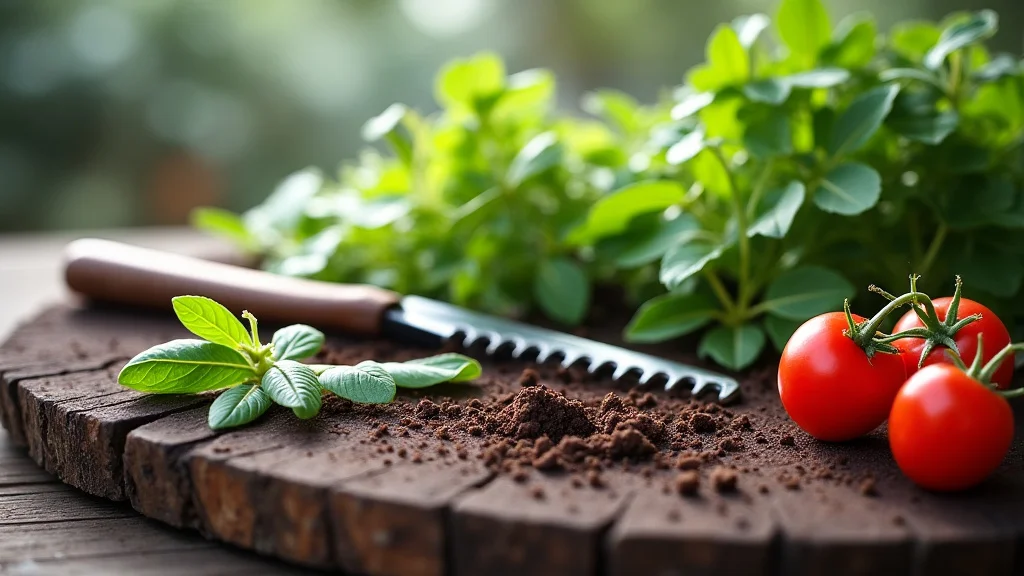
Picture this: you’re strolling through a sun-drenched Japanese garden, the air filled with the scent of blossoming flowers. You envision creating your own peaceful oasis. But before you can plant even a single seed, a question pops into mind: How much will it actually cost to get started? This guide explores the cost of gardening tools in Japan, helping you prepare your budget and start your gardening adventure. You’ll gain valuable insights into different tool options, potential expenses, and ways to find the best deals. This will help you plan your budget accordingly and make informed decisions on which tools will be right for you and what it might cost.
Key Takeaways
- You’ll discover the average prices of essential gardening tools.
- You’ll learn about different tool materials and their impact on cost.
- You’ll understand the factors that influence the price of gardening tools in Japan.
- You’ll learn where to buy affordable gardening tools in Japan.
- You’ll find tips for budgeting and saving money on your gardening tools.
- You will gain insight into the ongoing costs of maintaining your tools.
Understanding the Price of Gardening Tools in Japan
Starting a garden in Japan can be a rewarding experience. However, before you break ground, it’s essential to have a clear idea of the expenses involved, particularly the cost of gardening tools in Japan. Various factors influence these prices, from the type of tool to its quality and where you purchase it. Explore the different tools and associated expenses for your budding garden.
Types of Gardening Tools and Their Costs
The core tools are crucial for any gardening project. These form the base of your toolkit and are used for various tasks. Here’s a breakdown of some fundamental tools and a general idea of what they could cost. Knowing the basics helps you get a good start.
- Hand Trowel: This is a small, handheld tool perfect for planting seedlings, transplanting small plants, and digging in tight spaces. You can generally find a good quality hand trowel for around ¥500 to ¥1,500.
- Hand Rake: Used for smoothing soil, removing debris, and leveling surfaces, a hand rake is a versatile tool. Expect to pay between ¥800 to ¥2,000 for a decent one.
- Gardening Gloves: Protecting your hands is vital. Gardening gloves come in different materials and levels of protection. Expect to pay from ¥300 to ¥2,000, depending on the material and features.
- Watering Can: Keeping your plants watered is very important. Watering cans range in size and material. Prices vary between ¥1,000 and ¥4,000.
- Hand Fork: Great for loosening soil, removing weeds, and aerating the ground, a hand fork is a must-have. You’ll likely find a good one between ¥700 and ¥1,800.
A hand trowel is like your personal spade, great for small, targeted jobs. Made with either stainless steel, carbon steel, or plastic, the price depends on the material, the handle, and the build quality. Stainless steel trowels may be more costly due to their rust resistance, while plastic trowels are the most budget-friendly, but might not be as durable.
Hand rakes come in different widths and tooth designs. Plastic rakes are lightweight and often the most affordable, but may break easily, so they are not recommended. Metal rakes are usually sturdier and longer lasting. Consider the rake’s size and weight. A wider rake helps cover more ground, but a lighter rake is easier to manage.
Gloves prevent blisters, cuts, and scrapes. There are several types to choose from: leather gloves, which are strong but can be stiff; fabric gloves, which are flexible but not as waterproof; and nitrile gloves, which are waterproof and chemically resistant. Some gloves have added features, like reinforced palms or longer cuffs.
Watering cans come in plastic, metal, or even ceramic, each with its own advantages and disadvantages. Plastic cans are lightweight and cheap, but they may crack. Metal cans are more durable but can be heavy. Consider the size of your garden and how much water you will need to carry each time. Features like a long spout or a rose head can improve the watering experience.
A hand fork is a small, versatile tool with tines for digging and lifting. It is often made of steel and is used for turning soil, breaking up clumps, and forking out weeds. Consider the number and shape of the tines. A fork with more tines is better for breaking up compacted soil. Also, the handle material affects comfort and longevity.
Material Matters: The Impact on Price
The materials used to make gardening tools significantly impact their price. From the handle material to the blade, understanding these differences helps you make informed choices. The materials used determine the quality and cost, impacting your overall cost of gardening tools in Japan.
- Steel: Steel is a popular material for gardening tools due to its strength and durability. However, the type of steel used affects the price and performance.
- Wood: Wooden handles are common on larger tools, like shovels and rakes. The type of wood and the quality of construction influence the price.
- Plastic: Plastic is often used for handles and smaller parts of gardening tools due to its lightweight and affordable nature.
- Aluminum: Aluminum is used to make tools lightweight and resistant to rust.
Steel tools are generally robust and can withstand heavy use. Stainless steel is resistant to rust, making it a good choice for tools that will be exposed to moisture, but it often comes with a higher price tag. Carbon steel is also strong but needs more care to prevent rusting. High-carbon steel is very strong and retains a sharp edge. It is frequently used in pruners, shears, and other cutting tools.
Wood handles provide a comfortable grip and absorb shock. Ash and hickory are popular choices for their strength and flexibility. The type of joint used to connect the handle to the tool head also matters. Look for handles securely attached to the tool’s head for safety and durability. Regular maintenance, such as oiling the wood, can extend the life of wooden handles.
Plastic tools are typically less expensive. They are often lightweight and easy to handle. However, they may not be as durable as metal or wood tools. Be careful when choosing plastic, as low-quality plastic tools can break easily, especially if exposed to sunlight. Plastic tools are best suited for lighter gardening tasks.
Aluminum tools are good choices for gardening in wet conditions. They’re strong and corrosion-resistant. They are frequently used in rakes, shovels, and garden hoes. Aluminum tools are usually more expensive than plastic ones, but they are still more affordable than stainless steel tools.
Factors Influencing Tool Costs in Japan
Multiple factors affect the price tags on your gardening essentials. Understanding these elements will help you make smarter decisions and get the best value for your money. These can impact the overall cost of gardening tools in Japan.
- Brand Reputation: Well-known brands often charge more for their tools because of their reputation for quality and durability.
- Tool Quality: Higher-quality tools use better materials and construction techniques, leading to higher prices.
- Features and Design: Tools with specialized features, like ergonomic handles or rust-resistant coatings, cost more.
- Retail Location: Where you buy your tools impacts the price. Large retailers, specialty gardening stores, and online shops all have different pricing strategies.
Established brands have built up trust with customers. They frequently use higher-quality materials and have better quality control processes. Though these tools cost more upfront, they often offer better performance and last longer. However, there are many smaller, less expensive brands that offer great quality.
Consider the build quality of each tool. Look at the materials, the handle’s attachment to the blade, and the overall construction. Durable tools can withstand regular use. Cheap tools may break easily, resulting in replacing them often, which raises your long-term costs.
Tools designed to improve ease of use can boost the price. Ergonomic handles can reduce hand strain during prolonged use, while rust-resistant coatings increase tool longevity. Consider features relevant to your needs. A good design also increases the tool’s performance and efficiency.
Different retailers have different overhead costs. Large retailers can often offer lower prices because they buy in bulk. However, specialty stores might provide more expert advice. Online stores can offer price comparisons and a wide selection. Look at prices from several sources before making your final purchase.
Finding Affordable Gardening Tools in Japan
You can manage your gardening expenses without compromising on quality. Here are some options for finding affordable tools and reducing the overall cost of gardening tools in Japan.
Where to Shop for Budget-Friendly Tools
The marketplace offers several places to look for gardening tools at various price points. Exploring your options can lead to budget-friendly finds.
- 100-Yen Shops: These stores offer basic gardening tools at very low prices.
- Home Improvement Stores (DIY Stores): Stores like Cainz, Komeri, and DCM offer a wide selection of tools at competitive prices.
- Online Marketplaces: Websites like Amazon Japan and Rakuten offer a wide selection of tools, and you can easily compare prices.
- Used Goods Stores: Shops like Hard Off sometimes have used gardening tools at lower prices.
100-Yen shops are a great place to begin. Though the tools are generally simple, they can be great for quick tasks and trying out the tools. Look for essentials such as small trowels, hand rakes, and plant pots. You’ll find these at prices far below what you’d expect to pay in other stores.
Home improvement stores provide a large variety of gardening tools. They usually have a mix of beginner-friendly and professional-grade tools, letting you compare various brands and price points. Stores often have sales and promotions, allowing for additional savings.
Online marketplaces provide access to a vast array of vendors. This makes it easier to compare prices and read customer reviews. Be aware of the shipping costs and return policies before making a purchase. Often, you can find great deals on tools from both domestic and international brands.
Used goods stores are great for finding second-hand tools. The prices are usually much lower. Inspect the tools carefully for wear and tear, and make sure that the tools meet your needs. You might find great tools in near-new condition at a lower cost, helping you to control the cost of gardening tools in Japan.
Saving Money: Budgeting and Smart Shopping
Adopting smart shopping habits and planning can significantly cut costs. Careful planning helps you manage your budget and stay on track with your gardening goals.
- Create a Budget: Determine how much you are willing to spend on tools before you start shopping.
- Compare Prices: Check prices at multiple stores and online before making a purchase.
- Buy Used Tools: Consider purchasing used tools in good condition to save money.
- Look for Sales and Promotions: Watch for seasonal sales and special offers at home improvement stores and online.
Decide how much money you can spend without impacting your finances. This will help prevent overspending. Then make a list of the essential tools you will need to get started. By setting a budget, you make sure to keep your spending in check.
Take the time to compare prices to find the best deals. Websites and comparison shopping tools make the task easier. Look at the shipping costs, discounts, and other promotions. You might find a better price by taking a little time to compare prices.
Used tools are a budget-friendly option. Examine the tools carefully to make sure they are in good shape. Check for any damage or excessive wear and tear. Used tools, particularly hand tools, can often be restored for use.
Sign up for newsletters from the stores to stay informed about sales and promotions. End-of-season sales often have great deals on gardening tools. You can also find discounts during holidays or special events. This will lower your cost of gardening tools in Japan.
Maintaining Your Gardening Tools
Caring for your tools is an investment that helps maintain their quality and extends their lifespan. Regular maintenance reduces the need to replace tools and keep your garden working properly.
Long-Term Tool Care: Maintenance and Storage
Good tool care increases the lifespan of your tools and saves you money in the long run. Proper care reduces the total cost of gardening tools in Japan by extending the period before replacements are needed.
- Cleaning Tools: Clean tools after each use to remove soil, sap, and other debris.
- Sharpening Cutting Tools: Keep cutting tools, like pruners and shears, sharp for efficient and safe use.
- Oiling Tools: Lubricate moving parts, such as the hinges of pruners, to prevent rust and ensure smooth operation.
- Proper Storage: Store tools in a dry place to prevent rust and corrosion.
Cleaning prevents the buildup of rust and corrosion. Scrub the tools with a brush and water, then dry them thoroughly. Use a scraper to remove any stuck-on material. Clean and dry the tools thoroughly to prevent rust.
Sharpening tools regularly makes gardening tasks easier. Use a file or sharpening stone to keep cutting edges sharp. A sharp edge minimizes strain and makes the cuts cleaner. Dull blades require more effort and can damage plants.
Apply a light coat of oil to the moving parts to prevent friction and rust. This maintains smooth functionality. Regular oiling protects the tools and extends their life. This keeps the tools functioning properly and keeps costs down.
Choose a cool and dry storage location to protect tools from the elements. A shed or garage is usually great. Hanging tools on a rack keeps them organized and within reach. By keeping your tools in good condition, you can reduce repair or replacement expenses.
Frequently Asked Questions
Question: What is the average cost of a basic gardening tool set in Japan?
Answer: A basic set of essential gardening tools (trowel, hand rake, gloves, etc.) can range from ¥3,000 to ¥8,000, depending on the quality and the retailer.
Question: Are Japanese gardening tools more expensive than those in other countries?
Answer: The prices are generally comparable to other developed nations. However, the costs depend on factors like brand, materials, and where you buy them.
Question: Can I find quality gardening tools at 100-yen shops?
Answer: 100-yen shops often have basic tools that are functional for lightweight tasks, but they might not be as durable as tools from dedicated gardening stores.
Question: How can I prevent my gardening tools from rusting?
Answer: Clean and dry your tools after each use, store them in a dry place, and consider applying a light coat of oil to metal parts.
Question: Are online marketplaces a good place to purchase gardening tools in Japan?
Answer: Yes, online marketplaces offer a wide selection and allow you to compare prices. However, compare shipping costs and read reviews before making a purchase.
Final Thoughts
You now have a clearer picture of the cost of gardening tools in Japan. Remember that the price depends on the tools, the materials, and where you buy them. From hand trowels to watering cans, the expenses can vary widely. There is no one-size-fits-all, and careful budgeting is key. Choosing quality materials and finding affordable retailers are important considerations. By taking care of your tools and buying smart, you can set up your garden without breaking the bank. So, gather your tools, prepare your soil, and start growing your Japanese dream garden!