
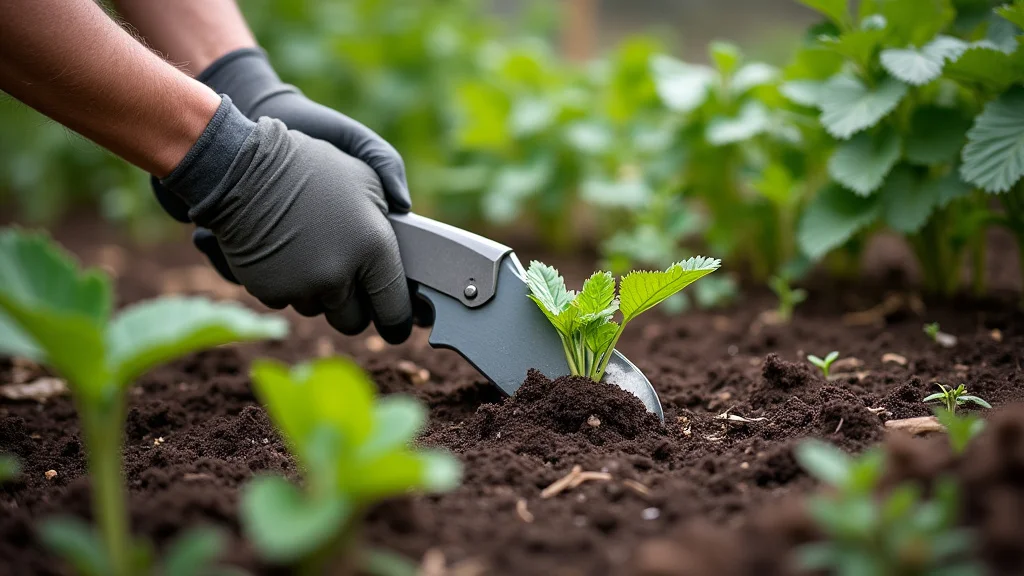
Picture this: a sunny Saturday, you’re finally ready to tame that overgrown patch in your backyard. You grab your tools, ready to transform your wilderness into a vibrant garden. But, wait! Are you using your bill jack gardening tools the right way? And, more importantly, are you keeping yourself safe? This post will answer these questions and more. You’ll learn the best ways to use various bill jack gardening tools, along with crucial safety tips. We’ll explore tool maintenance, common hazards, and strategies to prevent injuries. By the end, you’ll be equipped with the knowledge to garden safely and effectively.
Key Takeaways
- You will learn the main uses of different types of bill jack gardening tools.
- You will understand how to handle these tools safely to avoid injuries.
- You will become aware of the importance of maintaining your tools for longevity.
- You will get informed about common gardening hazards and how to deal with them.
- You will be able to choose the right tool for the gardening job.
- You will know the proper way to store your gardening tools.
Essential Bill Jack Gardening Tools and Their Uses
Before you even begin digging, planting, or pruning, it’s vital to know the purpose of each tool. The bill jack gardening tools available are designed for a multitude of tasks, and using the right one will make your job easier and safer. Whether you’re a seasoned gardener or just starting out, knowing which tool to grab for a specific job is the first step toward efficient and enjoyable gardening. This section will introduce you to several essential tools and how they are typically utilized.
Hand Tools: The Foundation of Gardening
Hand tools are the workhorses of the garden, allowing for precision and control. They’re excellent for smaller tasks, delicate work, and getting up close and personal with your plants. These tools are manageable, easy to store, and perfect for various gardening projects. From planting seedlings to weeding, hand tools offer the control you need. Their size and flexibility make them ideal for navigating tight spaces and working on raised beds or containers.
- Trowel: A small, hand-held tool with a curved blade, primarily used for digging small holes for planting seedlings, transplanting small plants, and scooping up soil.
- Hand Fork: A small, three or four-pronged tool used for loosening soil, removing weeds, and aerating the soil around plants.
- Hand Cultivator: Used for breaking up soil clods, mixing in compost or fertilizer, and preparing soil beds.
- Weeder: Designed for removing weeds from garden beds.
The trowel is your go-to tool when working with delicate plants or in containers. Its size allows for precise planting without disturbing nearby plants. It also helps in adding fertilizer or making small adjustments to the soil around your plants.
The hand fork is essential for weeding and soil preparation. Its prongs are designed to loosen compacted soil, making it easier for plant roots to grow. It is also good at removing weeds without disturbing the surrounding plants.
The hand cultivator is like a mini-rake for your hand, ideal for preparing soil beds before planting. It breaks up clumps of soil and ensures a good mix of compost or fertilizer to help your plants grow strong.
There are different types of weeders, each with a specific design to tackle various weed types. They help you remove weeds close to the root, preventing them from coming back.
Long-Handled Tools: Power and Reach
Long-handled tools are essential for tasks requiring more reach and power. These tools help to reduce strain on your back and make it easier to work over a larger area. They’re great for tasks like turning soil, moving compost, and pruning larger plants. With long-handled tools, you can cover more ground and handle heavier tasks with less effort. They make it easier to maintain larger gardens and complete tasks efficiently.
- Spade: A flat-bladed tool used for digging, turning soil, and edging.
- Fork: A tool with multiple tines (prongs) used for turning over soil, aerating, and mixing in compost.
- Rake: Used for leveling soil, removing debris, and gathering leaves.
- Hoe: Used for weeding, cultivating soil, and creating furrows for planting.
The spade is your go-to tool for tasks that require digging or turning soil. It’s strong and versatile, allowing you to dig trenches, edges, and clear areas of your garden.
The fork is essential for loosening and aerating soil in larger areas. It’s great for preparing garden beds, mixing in compost, and generally improving soil health.
Rakes are invaluable for managing the garden surface, leveling soil, gathering debris, and preparing seedbeds. They help you maintain a clean and tidy garden.
A hoe is ideal for weeding and cultivating soil. It helps keep weeds in check and allows you to create furrows for planting, simplifying various gardening tasks.
Pruning Tools: Shaping and Maintaining Plants
Pruning tools are designed to shape plants, remove dead or diseased branches, and encourage growth. Proper pruning is essential for maintaining the health and appearance of your plants. These tools range from small hand pruners to larger loppers and saws, each designed for a specific task. Regular pruning will improve the health and appearance of your plants. It also helps to encourage new growth and flowering.
- Hand Pruners (Secateurs): Used for cutting smaller branches and stems.
- Loppers: Used for cutting thicker branches that are too large for hand pruners.
- Pruning Saw: Used for cutting larger branches and limbs.
- Hedge Shears: Used for trimming hedges and shrubs.
Hand pruners are the go-to tool for light pruning tasks, such as removing dead leaves, cutting back flowers, and trimming small branches. They’re compact, easy to use, and perfect for detailed work.
Loppers are perfect for cutting branches that are too thick for hand pruners. The longer handles provide extra leverage, making it easier to cut through thicker stems.
When you encounter a branch too large for loppers, a pruning saw is the tool to reach for. Its toothed blade is designed to make clean cuts, preventing damage to the plant and ensuring it can heal properly.
Hedge shears are designed for shaping and trimming hedges and shrubs. They have long blades to give you a straight, clean cut across the surface.
Safety First: Handling Your Bill Jack Gardening Tools
Using bill jack gardening tools safely is just as important as knowing what tool to use. Injuries can happen quickly if you’re not careful. From cuts and scrapes to more serious incidents, prioritizing safety should always be your top concern. This section will guide you through the essential safety tips. These tips will help you work in your garden and ensure you stay safe and injury-free. Keep safety in mind at all times.
Protective Gear: Your Essential Shield
Wearing the right protective gear is the first line of defense against gardening injuries. Protective gear is designed to create a barrier between you and potential hazards. Safety equipment can significantly reduce the risk of injury. From sturdy gloves to eye protection, each piece of gear plays a vital role in keeping you safe while gardening.
- Gloves: Protect hands from cuts, scrapes, and blisters.
- Eye Protection: Goggles or safety glasses to shield eyes from flying debris.
- Closed-Toe Shoes: Protecting feet from sharp objects and falling tools.
- Long Sleeves and Pants: Protect skin from scratches, sun, and insect bites.
Gardening gloves are a must-have. They protect your hands from thorns, rough surfaces, and sharp edges of tools. They also keep your hands clean.
Always wear eye protection when using tools that can throw debris. This includes when using a string trimmer or any time you are digging, pruning, or working with potentially hazardous materials.
Sturdy, closed-toe shoes are essential for foot protection. They will protect your feet from sharp tools, rocks, and any other hazards in the garden.
When gardening, wear long sleeves and pants to protect your skin from scratches, cuts, sun exposure, and bug bites. This can reduce the risk of irritation.
Proper Techniques: Avoiding Accidents
Knowing how to use your bill jack gardening tools correctly minimizes the risk of accidents. Proper techniques include understanding how to hold the tools, how to apply the right amount of force, and how to maintain a safe working distance. Good technique means you can work with confidence, efficiency, and less risk of injury.
- Maintaining a Safe Stance: Keeping your feet stable and balanced while using tools.
- Using Sharp Tools: Cutting efficiently and minimizing the force needed.
- Swinging Tools Away from the Body: Preventing accidental injury.
- Being Aware of Surroundings: Checking for people and obstacles before using tools.
Always stand with your feet apart for stability. This position helps you maintain balance and gives you greater control over your tools.
Using sharp tools is key for reducing the risk of accidents. Sharp tools cut cleanly, requiring less force and reducing the chance of slipping.
When swinging or using tools, always make sure the swing is away from your body and other people. This is especially true for tools like hoes and axes.
Always be aware of your surroundings before you start gardening. Keep an eye out for people, pets, or any obstacles that could cause an accident.
Handling and Storage: Keeping Tools Safe
The way you handle and store your bill jack gardening tools plays a big part in your safety. A tool left lying on the ground is an accident waiting to happen. The proper storage of tools is crucial for both their longevity and your safety. This includes cleaning your tools after each use and storing them in a designated area. A place to store tools helps to prevent accidents and keeps your workspace organized.
- Cleaning Tools After Use: Preventing rust and maintaining functionality.
- Inspecting Tools Regularly: Checking for damage or wear and tear.
- Storing Tools Safely: Keeping tools out of reach of children and pets.
- Proper Disposal: Making sure old tools are recycled or disposed of properly.
Clean your tools after each use to prevent rust, corrosion, and the spread of plant diseases. This will help them last longer.
Regularly inspect your tools for any damage, such as loose handles, bent blades, or rust. This helps you identify and repair problems before they lead to an accident.
Store your tools in a safe, dry place, out of reach of children and pets. Consider using a shed, a garage, or a tool rack to keep them organized and accessible.
When tools are beyond repair, dispose of them safely. Check with your local waste management services about recycling options.
Common Hazards and Prevention Strategies
Even with the best tools and techniques, gardening can present certain hazards. Knowing about these common dangers allows you to take steps to mitigate the risks. From insect bites and poisonous plants to sun exposure and slips and falls, a bit of awareness can make your gardening experience safer and more enjoyable. Taking these preventative measures is important for your overall well-being.
Dealing with Sharp Objects and Falling Hazards
Sharp objects and falling hazards are two of the most significant risks in a garden. This includes anything that can cut, stab, or otherwise injure you. It also includes objects that could fall and cause injury. Careful attention to these hazards helps you avoid injuries. This includes being careful when handling sharp tools and maintaining your garden to reduce falling hazards.
- Using Tools with Care: Preventing cuts and punctures.
- Clearing Pathways: Preventing trips and falls.
- Wearing Appropriate Footwear: Protecting feet from injury.
- Securing Tools When Not in Use: Avoiding accidental injuries.
When handling sharp tools, always focus on where you are cutting. Be careful not to hold your other hand in the path of the tool. Keep tools pointed away from yourself and others.
Keep pathways clear of tools, hoses, and other obstacles. This reduces the risk of tripping and falling while you are working. Be aware of uneven surfaces, such as holes and loose stones.
Sturdy, closed-toe shoes are essential in the garden. They protect your feet from sharp objects, such as broken glass or sharp tools.
Never leave tools lying around where someone could accidentally step on or trip over them. When you aren’t using a tool, put it in a safe place, such as your toolbox or shed.
Protecting Against Environmental Dangers
The outdoor environment itself can present a variety of dangers, from the sun’s harsh rays to the threat of insect bites. Protection against these elements is critical to enjoying your gardening. This can include taking breaks from the sun, using insect repellent, and knowing the plants in your garden. Preparing yourself against outdoor dangers lets you enjoy gardening safely.
- Sun Protection: Wearing sunscreen, hats, and protective clothing.
- Insect Bites and Stings: Using insect repellent and knowing how to handle bites.
- Poisonous Plants: Identifying and avoiding contact with harmful plants.
- Staying Hydrated: Drinking enough water to prevent dehydration.
Protect yourself from sun exposure by wearing sunscreen, a wide-brimmed hat, and clothing that covers your skin. Take breaks in the shade during the hottest parts of the day.
Use insect repellent to prevent bites and stings. Know what to do if you are bitten or stung. Consider keeping an antihistamine or other relevant medicine on hand.
Become familiar with poisonous plants in your area, such as poison ivy, poison oak, and poison sumac. Learn to identify and avoid touching them.
Drink plenty of water before, during, and after gardening, especially on hot days. Dehydration can lead to fatigue and other health issues.
Choosing the Right Tool for the Job
One of the keys to safe and efficient gardening is selecting the correct tool for the task. Selecting the right tool not only simplifies the job but also reduces the risk of accidents. There is no one-size-fits-all approach. Knowing the differences between various tools and their specific functions is important. Consider factors like the size of the area, the type of soil, and the task at hand. The right tool makes the job easier and is key to a successful gardening experience.
Matching the Tool to the Task
Matching the tool to the task is essential for optimal results and safety. Using a tool that is not designed for a specific task can lead to inefficiency, frustration, and increased risk of injury. Knowing the tools helps you pick the right one for the job. You can make sure you’re using the right tool and working as efficiently and safely as possible.
- Planting Seeds or Seedlings: Use a trowel or hand fork.
- Weeding Small Areas: Use a hand weeder.
- Turning Over Soil: Use a spade or fork.
- Pruning Branches: Use hand pruners, loppers, or a pruning saw.
The trowel is great for digging small holes for seedlings. The hand fork is ideal for preparing the soil for planting.
A hand weeder is perfect for removing weeds around delicate plants or in tight spaces.
A spade is great for digging or turning soil. Use a fork for turning over soil in larger areas.
Use hand pruners for small branches, loppers for medium branches, and a pruning saw for larger branches.
Considering Ergonomics and Comfort
Ergonomics and comfort are key factors when choosing bill jack gardening tools. These factors have a significant impact on your gardening experience. Choosing tools that fit your body and work style can prevent strain and injury. Make sure you can garden comfortably and safely.
- Handle Length: Ensuring proper reach and posture.
- Grip Design: Choosing comfortable and non-slip grips.
- Weight: Selecting tools that are easy to handle.
- Material: Considering the quality and durability of the tool.
Choose tools with handles that match your height and reach. This will help you maintain good posture and reduce strain on your back.
Look for tools with comfortable, non-slip grips. This will improve your control and reduce the risk of hand fatigue.
Consider the weight of the tools you are using. Lighter tools are easier to maneuver and reduce strain, particularly when working for extended periods.
Invest in quality tools made from durable materials. This means you will need to replace tools less often.
Maintenance and Longevity: Caring for Your Tools
Regular maintenance of your bill jack gardening tools ensures they remain safe and effective. It extends the life of your tools, saving you money in the long run. Proper care of your tools is a crucial part of gardening. This includes cleaning, sharpening, and storing your tools correctly. Routine maintenance prevents accidents and helps you get the most out of your tools.
Cleaning and Sharpening Your Tools
Keeping your tools clean and sharp is essential for their performance and your safety. Dirty tools can spread diseases. Dull tools require more force, increasing the risk of accidents. Sharpening is also important for reducing fatigue and improving your overall gardening experience.
- Cleaning Blades and Surfaces: Removing dirt, sap, and debris after each use.
- Sharpening Blades: Maintaining a sharp edge for efficient cutting.
- Lubricating Moving Parts: Keeping tools functioning smoothly.
- Rust Removal: Preventing corrosion and extending the life of tools.
Clean your tools with soap and water after each use. This removes dirt and debris, which can cause rust and the spread of plant diseases.
Regularly sharpen blades on pruning shears, loppers, and other cutting tools. A sharp tool requires less force and provides a cleaner cut.
Lubricate the moving parts of your tools, such as the hinges on pruning shears. This will keep them working properly.
Remove rust from metal tools to prevent corrosion. You can use sandpaper, a wire brush, or a rust remover.
Storage and Organization
Proper storage is essential for protecting your tools and keeping your gardening space organized. A well-organized space makes it easier to find the tools you need. It also keeps tools safely out of reach of children and pets. This ensures your tools are accessible and safe when you need them.
- Designated Tool Storage: Using a shed, garage, or tool rack.
- Dry Storage: Protecting tools from moisture.
- Hanging Tools: Saving space and preventing damage.
- Toolboxes and Containers: Organizing and transporting tools easily.
Store your tools in a shed, garage, or tool rack, to keep them organized and protected from the elements. This also prevents accidents.
Store your tools in a dry place to prevent rust and corrosion. Moisture can damage the tools and make them less effective.
Hang your tools on a wall or rack to save space and protect them from damage. Make sure the tools are securely hung to avoid falls.
Use toolboxes or containers to organize and transport your tools. This can help you keep track of all your tools and keep them in good condition.
Frequently Asked Questions
Question: What’s the best way to clean my pruning shears after use?
Answer: Clean the blades with soap and water after each use, then wipe them dry. You can also disinfect them with rubbing alcohol to prevent the spread of plant diseases.
Question: How often should I sharpen my shovels and spades?
Answer: Sharpen your shovels and spades at least once a year, or more frequently if you use them heavily. A dull shovel requires more effort and can be more dangerous.
Question: What should I do if I get a splinter while gardening?
Answer: Wash the area with soap and water, then carefully remove the splinter with tweezers. Clean the area again and apply a bandage.
Question: How can I protect myself from the sun while gardening?
Answer: Wear a wide-brimmed hat, sunglasses, and long sleeves and pants. Apply sunscreen with a high SPF, and take breaks in the shade.
Question: How should I dispose of old, broken gardening tools?
Answer: Check with your local waste management services for guidelines on recycling or disposal. Many tools can be recycled at specific facilities.
Final Thoughts
Mastering the uses and safety of bill jack gardening tools doesn’t need to be complicated. By understanding the function of each tool, taking the necessary safety precautions, and practicing proper tool maintenance, you can transform your gardening from a potentially hazardous chore into a safe and enjoyable activity. Start by assessing your gardening needs, choosing the correct tools, and practicing safe handling techniques. Always prioritize safety first. Remember to wear protective gear, be mindful of your surroundings, and maintain your tools regularly. Armed with this knowledge, you are ready to tackle any gardening project. Grab your gloves, grab your tools, and explore a world of vibrant plants and healthy growth. Your garden awaits!