
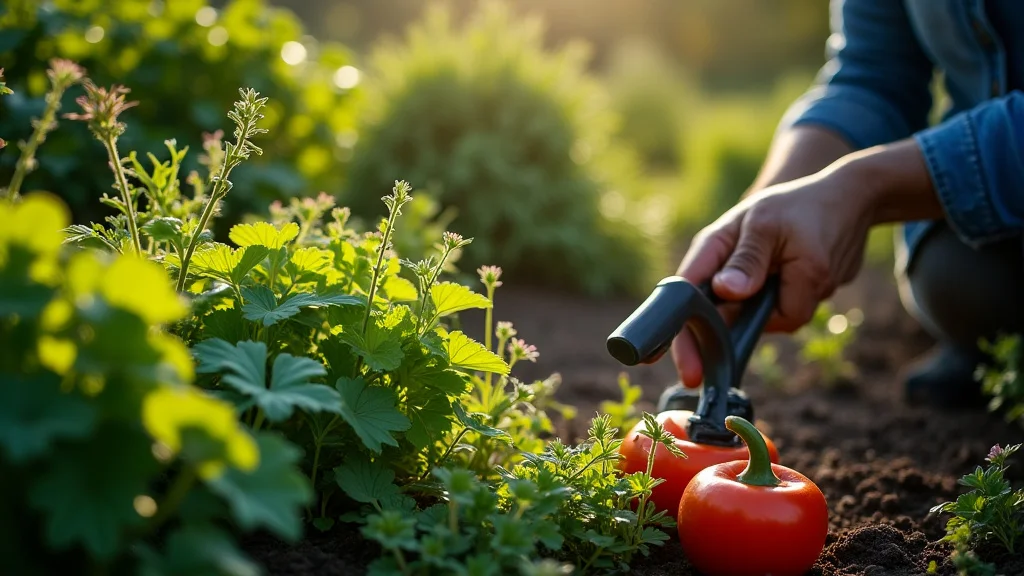
Remember that time your prized tomato plant started wilting? You tried everything—watering more, watering less—but nothing seemed to work. Turns out, the issue was your b and m gardening tools weren’t up to the task of properly aerating the soil. This can be frustrating, especially when you are putting in your hard work. This guide explores everything you need to know about b and m gardening tools, from the basic essentials to the more specialized equipment that can help you create the garden of your dreams. By the end of this article, you’ll be able to make informed decisions when you need to purchase new tools, improving your garden’s health and increasing your harvest. You will also learn about the variety of tools available, how to pick the right ones, and how to maintain them properly.
Key Takeaways
- Learn the different types of b and m gardening tools available.
- Discover how to choose the right tools for your specific gardening needs.
- Understand the importance of tool maintenance to extend their lifespan.
- Explore essential tools every gardener should own.
- Get tips on using b and m gardening tools effectively for various gardening tasks.
- Find out how to maximize your garden’s potential with the right tools.
Essential B and M Gardening Tools for Beginners
Starting a garden can be exciting, but the variety of tools can be overwhelming. Knowing which tools are necessary, and which ones are helpful extras, is key to getting started without feeling overloaded. This section introduces the core tools every beginner needs to get their garden going, from preparing the soil to planting and maintaining your plants. Think of these as your basic kit, the foundation upon which you’ll build your gardening skills.
Hand Trowel and Hand Fork
The hand trowel and hand fork are the workhorses of any garden. The trowel is a small, scoop-shaped tool perfect for digging small holes, transplanting seedlings, and scooping up soil. It’s ideal for planting, adding compost, and general soil manipulation in tight spaces. The hand fork, on the other hand, is a small, three- or four-pronged tool used for loosening soil, removing weeds, and mixing in amendments like compost or fertilizer. Together, these tools provide the basic capabilities to manage your plants. Both are relatively inexpensive and essential for any gardener. The ability to work with soil directly enhances your connection with your plants.
- The hand trowel is ideal for digging small holes for planting seedlings and bulbs.
- The hand fork helps in loosening the soil surface before planting.
- Both tools are great for weeding in small areas or containers.
- They are lightweight and easy to handle, perfect for small gardens or raised beds.
Gardening Gloves
Gardening can be rough on your hands. From digging in the dirt to handling thorny plants, your hands are exposed to all sorts of hazards. Gardening gloves are a simple but essential piece of equipment. They protect your hands from cuts, scrapes, blisters, and dirt. They also make it easier to grip tools and handle plants without damaging them. High-quality gardening gloves are typically made from durable materials like leather, canvas, or synthetic fabrics and should fit comfortably, allowing you to maintain dexterity. Gardening gloves come in various styles, from lightweight options for delicate tasks to heavier-duty gloves for more rugged work. Choose gloves that are appropriate for the type of gardening you plan to do. Look for gloves that are breathable and fit snugly but don’t restrict your movements.
- Gardening gloves protect your hands from dirt, thorns, and potential irritants.
- They improve your grip on tools and plants, making work easier and safer.
- Gloves come in different materials and styles to suit various gardening tasks.
- Choosing the right gloves can prevent blisters, cuts, and other injuries.
Watering Can or Hose with a Sprinkler
Water is life, and that’s especially true for plants. A watering can or a hose with a sprinkler is fundamental to keeping your plants hydrated. A watering can is perfect for small gardens, containers, or for watering individual plants precisely. It provides gentle watering that doesn’t disturb the soil or damage delicate seedlings. Choose a watering can with a rose head (the sprinkler head) to provide a soft, even flow of water. A garden hose is better suited for larger areas. Attach a sprinkler to water a wide area, or use a nozzle to control the water flow. Look for a hose made of durable material and a nozzle with different spray settings. Regular watering is an important part of any plant care routine.
- A watering can is suitable for small gardens and targeted watering.
- A hose with a sprinkler is efficient for watering larger areas.
- Choose a watering can with a rose head for gentle watering.
- Ensure your hose has a nozzle with multiple spray settings.
Choosing the Right B and M Gardening Tools
The right tools can significantly affect your gardening experience. Not all tools are created equal, and the best choice depends on your specific needs, the size of your garden, and the type of plants you are growing. Quality matters, and opting for tools built to last will save you money and frustration in the long run. Selecting tools that are comfortable to use and fit well in your hands makes gardening a pleasure. It will reduce fatigue and help you be more efficient in your tasks. In this section, we will explore the essential considerations when choosing tools.
Consider Your Gardening Needs
Before buying any b and m gardening tools, think about what you want to grow, the size of your space, and the types of gardening tasks you’ll be doing. A small container garden has different requirements than a large vegetable patch. If you’re focusing on vegetables, you’ll need tools for soil preparation, planting, weeding, and harvesting. If you’re into flowers, you’ll need tools for pruning, deadheading, and supporting climbing plants. Consider also the soil conditions in your garden. Heavy clay soil requires more robust tools than sandy soil. By assessing your needs beforehand, you can make a targeted list of tools, avoiding unnecessary purchases.
- Identify the types of plants you plan to grow (vegetables, flowers, etc.).
- Determine the size of your garden or planting area.
- Assess your soil conditions (clay, sand, loam).
- List the gardening tasks you’ll need to perform (planting, weeding, pruning).
The Importance of Quality
The quality of your tools directly impacts your gardening experience. Cheap tools often break quickly, leading to frustration and extra costs. Investing in quality b and m gardening tools that are made from durable materials can save you money in the long run. Look for tools made from steel, stainless steel, or fiberglass handles. These materials are built to withstand heavy use and outdoor conditions. Consider the tool’s construction: are the joints welded or bolted? Welded joints are generally stronger. Choose tools with comfortable handles that fit well in your hands. This will reduce fatigue and make your gardening tasks more enjoyable. Read reviews and seek recommendations from experienced gardeners to ensure you are selecting the best tools.
- Look for tools made from durable materials like steel or stainless steel.
- Consider the construction of the tool, paying attention to joints and welds.
- Choose tools with comfortable handles that fit your hands.
- Read reviews and gather recommendations from other gardeners.
Comfort and Ergonomics
Gardening involves physical work, so tool comfort is a key factor. Ergonomic tools are designed to reduce strain and make gardening tasks easier on your body. Look for tools with handles that are the right length for your height. This helps you avoid bending over excessively, which can strain your back. The handles should also have a comfortable grip, often made of rubber or a similar material, to prevent slipping. Consider tools with cushioned grips to reduce hand fatigue. Lightweight tools are easier to maneuver. Think about features like adjustable handles or angled heads. These can significantly affect your experience. Trying out tools before buying them, if possible, is an excellent way to determine if they feel right in your hands.
- Choose tools with handles appropriate for your height to reduce strain.
- Look for handles with comfortable grips to prevent slipping and improve control.
- Consider tools with cushioned grips to minimize hand fatigue.
- Opt for lightweight tools that are easy to maneuver.
Maintaining Your B and M Gardening Tools
Proper care and maintenance can dramatically extend the life of your b and m gardening tools, saving you money and ensuring they are always ready for use. Regular maintenance prevents rust, keeps your tools sharp, and ensures that they function properly. This section offers practical advice on cleaning, sharpening, and storing your tools, ensuring they remain in top condition year after year.
Cleaning Your Tools
After each use, take a few minutes to clean your tools. This removes dirt, sap, and other debris that can lead to corrosion and reduce performance. Start by wiping down your tools with a damp cloth or a wire brush to remove any caked-on soil. For tools with blades, like pruners and shovels, carefully wash them with soap and water. Ensure the tools are thoroughly dried before storing them. Applying a thin coat of oil after cleaning provides extra protection. Oil will prevent rust. This small step protects your tools from moisture and helps keep them in good condition.
- Wipe down tools with a damp cloth or wire brush after each use.
- Wash blades with soap and water to remove sap and other debris.
- Ensure all tools are thoroughly dried before storage.
- Apply a thin coat of oil to prevent rust.
Sharpening and Repair
Sharp tools are safer and more efficient. Over time, blades can become dull, making tasks like pruning and cutting much harder. Use a file or sharpening stone to sharpen blades like pruners, shovels, and hoes. Follow the manufacturer’s instructions, or watch online tutorials if you’re unsure how to sharpen a particular tool. Check your tools for any damage or wear and tear regularly. Loose handles can be tightened, and damaged blades can sometimes be repaired or replaced. If a tool is beyond repair, consider replacing it. A well-maintained tool works better and is safer to use. Sharpening will also extend the lifespan of your tools. Regular maintenance will help prevent accidents.
- Sharpen blades regularly using a file or sharpening stone.
- Check your tools for any damage, like loose handles or bent blades.
- Tighten loose parts or replace damaged components.
- If a tool is beyond repair, replace it to ensure safety and effectiveness.
Storing Your Tools
Proper storage protects your tools from the elements and keeps them organized. Store your tools in a dry place. A shed, garage, or tool rack is ideal. Avoid storing tools outdoors, where they can be exposed to rain and sun, which can cause rust and damage. Hang your tools on hooks or store them in a tool rack to keep them organized and prevent them from getting lost or damaged. If you don’t have a dedicated storage space, consider a toolbox or a storage container. This can keep your tools safe and make them easily accessible. Make sure your storage area is clean and well-ventilated to prevent moisture buildup.
- Store tools in a dry place, such as a shed or garage.
- Avoid outdoor storage to prevent exposure to the elements.
- Hang tools on hooks or store them in a tool rack for organization.
- Use a toolbox or storage container if you lack a dedicated space.
Advanced B and M Gardening Tools
Once you’ve mastered the basics, it’s time to explore tools that can improve your gardening and expand your capabilities. These advanced tools offer greater precision, efficiency, and versatility, helping you tackle more complex tasks and take your garden to the next level. This section delves into some advanced tools that experienced gardeners often use to improve their gardening results.
Aerate Your Soil with a Garden Fork or Aerator
Airflow to the roots is critical for healthy plant growth, particularly in compacted soil. The goal is to provide more space in the soil. Soil compaction is a frequent issue, especially in gardens with clay soil or areas where people walk frequently. A garden fork or a dedicated soil aerator is ideal for this task. A garden fork is suitable for small areas and can be used to loosen the soil manually. An aerator, whether a manual or powered version, creates small holes in the soil, allowing air, water, and nutrients to penetrate more easily. This helps the roots grow better. Choose the tool based on the size of your garden and the degree of compaction in your soil. Aerating regularly will result in healthier, more productive plants.
- The garden fork is effective for manually aerating small areas of soil.
- Aerators create small holes, improving air and water penetration.
- Choose based on garden size and soil compaction levels.
- Aerating regularly promotes healthier root development.
Pruning Saws and Shears
Pruning is essential for plant health and shaping. This includes pruning trees, shrubs, and bushes. Pruning saws and shears are used to remove dead, diseased, or overgrown branches. A pruning saw is designed for larger branches, offering a straight and efficient cut. Pruning shears, also known as secateurs, are used for smaller branches and stems. They come in different styles: bypass shears for clean cuts and anvil shears for dead or dry wood. Choose the right tool for the job. Use bypass shears for green, living growth and anvil shears for dead wood. Invest in quality pruning tools that are sharp and easy to handle. This will minimize damage to the plants and ensure clean cuts that promote healing. Proper pruning increases air circulation and light penetration.
- Use pruning saws for larger branches and pruning shears for smaller ones.
- Choose bypass shears for clean cuts on green wood.
- Use anvil shears for dead or dry wood.
- Maintain sharp tools to minimize damage to plants.
Soil Testing Kit
Healthy plants depend on the right soil conditions. A soil testing kit gives you insights into your soil’s pH level and nutrient content. This data informs you about what amendments your garden needs. The pH level affects the availability of nutrients to plants. The kit typically includes testing solutions and a set of instructions. Follow the instructions to collect soil samples, mix them with the testing solutions, and observe the results. From the results, you can determine if your soil is acidic, alkaline, or neutral. You will also learn about nutrient levels. You can then add the appropriate amendments, like lime to raise the pH, or sulfur to lower it. Regular soil testing helps you maintain the right soil conditions. It also ensures that your plants get the nutrients they need to grow strong and healthy.
- Soil testing kits provide insights into soil pH and nutrient levels.
- Test your soil to determine if your soil is acidic, alkaline, or neutral.
- Follow the kit instructions carefully.
- Use results to apply amendments like lime and sulfur.
Frequently Asked Questions
Question: What are the essential b and m gardening tools for a beginner?
Answer: The essential tools are a hand trowel, hand fork, gardening gloves, and a watering can or hose.
Question: How often should I sharpen my pruning shears?
Answer: Sharpen your pruning shears every few months, or whenever you notice the cuts are not clean or easy.
Question: How can I clean rust off my garden tools?
Answer: Use a wire brush or steel wool to remove rust, and then apply oil to prevent it from returning.
Question: What is the best way to store my b and m gardening tools?
Answer: Store tools in a dry, covered area, like a shed or garage, to protect them from the elements.
Question: What type of gloves are best for gardening?
Answer: The best gloves depend on the gardening task. Choose durable gloves for general work and lighter gloves for delicate tasks.
Final Thoughts
Selecting the right b and m gardening tools is essential for anyone looking to create a thriving garden. From the essential tools needed to get started, such as a hand trowel and gloves, to advanced equipment like aerators, the right tools can make all the difference. Maintaining your tools properly—cleaning them after each use, sharpening blades, and storing them in a safe place—extends their life and ensures they are always ready for your next project. Remember to consider your specific needs, the size of your garden, and the types of plants you plan to grow when making your choices. The best approach is to invest in quality tools that are comfortable to use, durable, and designed to make your gardening tasks easier and more enjoyable. So, gather your tools, get outside, and start growing. Happy gardening!