
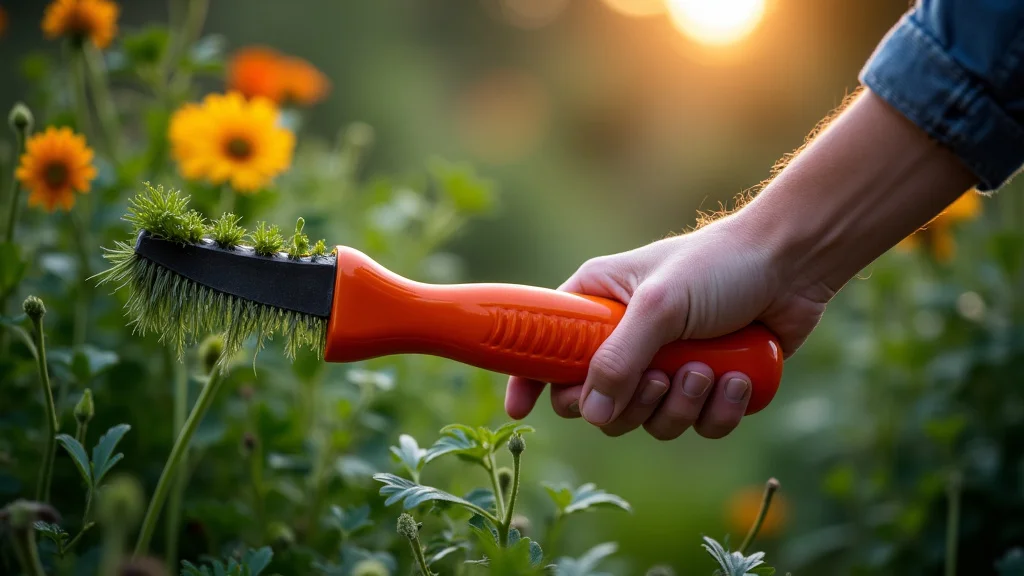
The sun is out, the birds are singing, and your garden is calling! But maybe your tools are a bit…lacking. Remember that rusty old trowel you dug out last spring? Or the flimsy hand fork that bent in half? It’s time to refresh your gardening arsenal! Choosing the right B&Q gardening tools can make all the difference between a frustrating afternoon and a rewarding one spent nurturing your plants. This guide will take you through everything you need to know, from essential tools to helpful tips, so you can transform your garden into a thriving oasis. You’ll gain valuable insights, learn how to select the correct tools, and get actionable advice to make your gardening experience easier and more enjoyable, improving your gardening skills. Get ready to bloom!
Key Takeaways
- Learn about the essential B&Q gardening tools needed for any gardener.
- Understand the features to consider when selecting tools for durability and usability.
- Discover how to care for your tools to extend their lifespan and maintain their performance.
- Explore the variety of tools available at B&Q, from basic to specialized equipment.
- Find out how to choose the right tools for different gardening tasks.
- Improve your gardening efficiency and enjoyment with the right tools.
Essential B&Q Gardening Tools for Every Gardener
Every gardener, from the newbie to the experienced, needs a core set of tools. These tools are the foundation of all gardening activities, from planting seeds to harvesting vegetables. Investing in good quality tools from the start will save you time, money, and frustration in the long run. Selecting durable and easy-to-use tools makes the gardening process enjoyable and reduces the effort required to get the job done. This section will cover the must-have B&Q gardening tools that every gardener should have in their shed.
Hand Tools: The Gardener’s First Friends
Hand tools are the close companions of any gardener, used for a variety of tasks that require precision and direct contact with the soil and plants. They’re essential for smaller areas and detailed work. Quality in hand tools is important, as you’ll be using them frequently and putting them through wear and tear. Consider the size, weight, and material of the tools when making your selection. Ergonomic designs, like rubberized handles, can improve comfort, especially during long gardening sessions. Proper storage, like hanging them up in a shed or garage, will also make it easier to locate the right tool when needed.
- Trowel: A trowel is used for planting seedlings, transplanting plants, and digging small holes.
- Hand Fork: A hand fork is used for loosening soil, weeding, and mixing in compost.
- Hand Weeder: Used to remove weeds from the soil.
- Hand Hoe: Used for weeding and lightly cultivating the soil in small areas.
The trowel is a small, hand-held tool with a curved blade and a handle, perfect for a range of tasks. Its design makes it ideal for digging small holes for planting seeds or seedlings. Additionally, it is useful for transplanting smaller plants, moving soil, and even weeding in tight spaces. Choose a trowel with a sturdy blade made from stainless steel or similar material to resist rust and wear. A comfortable handle is essential for ease of use, so look for a design that fits your hand well and provides a secure grip.
The hand fork is characterized by its small size and three or four tines, making it ideal for various garden tasks. It is excellent for gently loosening compacted soil around plants without damaging the roots. The hand fork is also beneficial for weeding small areas, removing unwanted plants with precision. In addition, it can be used for incorporating compost or fertilizer into the soil. Select a hand fork with strong tines to withstand pressure and a durable handle that provides a good grip.
A hand weeder is specifically designed to tackle weeds efficiently. It typically has a forked or claw-like head that is ideal for grasping and pulling out weeds from the root. This is an essential tool for maintaining a neat and tidy garden. The handle should be ergonomic and easy to hold. The design often allows gardeners to target weeds, minimizing disruption to surrounding plants. The tip allows you to get under the weeds and remove them, root and all.
The hand hoe is a versatile tool perfect for shallow cultivation and weed removal in beds and borders. It usually features a sharp blade perpendicular to the handle, enabling effective scraping. The design allows you to easily slice through weeds at the soil surface, preventing regrowth. Hand hoes are particularly good for working between rows of plants, making it a great choice for vegetable gardens or areas where you need to be precise. Choose one with a sturdy head and a comfortable handle for extended use.
Long-Handled Tools: Power and Reach
Long-handled tools are essential for tasks requiring greater reach and leverage, like digging, turning soil, and moving materials. These tools are invaluable for larger areas or when bending over is a concern. The length of the handles and the construction of the heads affect the efficiency of these tools. Look for sturdy materials and designs that can endure the force applied during use. The right long-handled tools can turn tough jobs into easier ones.
- Spade: A spade is used for digging, turning soil, and edging.
- Fork: A fork is used for turning soil, mixing compost, and aerating.
- Rake: A rake is used for leveling soil, removing debris, and collecting leaves.
- Hoe: A hoe is used for weeding and cultivating between rows of plants.
The spade is a fundamental tool for any gardener, designed for digging, turning over soil, and creating neat edges. Its flat blade is designed to cut through soil and roots, making it efficient for a variety of tasks. It is useful when planting, removing old plants, and preparing beds for planting. Spades come in different sizes, so choosing one that fits your height and strength is important. Consider a spade with a strong blade and a comfortable handle for leverage.
Garden forks are designed for soil aeration and turning over soil, essential for improving soil structure and introducing air. They have tines that penetrate the soil and help break up clumps, making it easier to work with. Forks are also beneficial for mixing compost into beds and borders. Forks are useful for moving piles of leaves, mulch, or other materials. Select a fork with strong tines and a sturdy handle for effective use. Consider a fork with a “D” handle for added comfort and control.
The rake is a versatile tool used for smoothing soil surfaces, gathering debris, and collecting leaves. It typically consists of a head with tines and a long handle. Rakes are valuable for leveling the soil surface before planting or laying down mulch, and for making sure everything is even. They also efficiently collect fallen leaves or grass clippings. Choose a rake that has a sturdy head and handle, which ensures it can handle the workload and the conditions. A good rake will make your garden neat and tidy.
Hoes are an essential tool for maintaining weed-free gardens and cultivating between rows of plants. They come in various shapes and sizes, with a blade designed to slice through weeds and loosen the soil’s surface. A hoe helps to remove weeds, and prevents them from establishing themselves. Consider the type of soil and the areas you need to maintain when selecting a hoe. A comfortable handle will improve your gardening experience. Using a hoe frequently will save a lot of time and effort.
Choosing the Right B&Q Gardening Tools for the Job
The right tool makes every task easier, so it’s essential to understand what each tool does and when to use it. Knowing the purpose and capabilities of each tool allows you to make informed decisions that improve efficiency and the quality of your work. Consider the types of plants, the size of your garden, and the type of soil when making your choices. Purchasing tools suited for different tasks helps reduce fatigue and make the entire gardening process more pleasurable. Having the correct tools empowers you to manage your garden effectively, resulting in beautiful and thriving plants.
Selecting Tools for Soil Preparation
Soil preparation is the foundation of a successful garden, and selecting the right tools is key. Good soil preparation involves loosening the soil, removing weeds, and adding nutrients. This process can significantly impact the health and growth of your plants. Preparing your soil correctly at the beginning increases the productivity of your garden. Proper soil preparation creates the ideal environment for plant roots to grow and thrive.
- For digging and turning over soil: Use a spade or garden fork.
- For leveling soil and removing debris: Use a rake.
- For weeding: Use a hand hoe or hand weeder.
When you’re dealing with hard-packed soil, a spade is your go-to. Its flat blade cuts through the earth with ease. For general soil turning and breaking up clumps, a fork is a good choice. Its tines allow you to aerate the soil. Use the spade to dig, and then use the fork to turn the soil over to improve drainage and air circulation. Consider the size of your garden and the soil conditions when making your selection. Both are essential for creating the best environment for your plants.
After digging and turning over the soil, a rake is essential for smoothing the surface and removing any debris, such as rocks or old roots. Using a rake ensures that your planting area is even, providing a consistent environment for your plants to grow. Consider the width and the type of tines that will work best for your needs. A good rake is an investment that will maintain your planting beds. Raking also helps to incorporate any amendments, like compost, into the soil.
To eliminate weeds, a hand hoe is ideal for larger areas, where it slices through the soil’s surface, removing weeds easily. For precise weeding in tight spaces or between plants, a hand weeder is useful. Removing weeds before planting gives your plants the resources they need. Choose the right tool for the job. Use them regularly to prevent weeds from taking over your garden. Choosing the correct tool will make your weeding more efficient.
Tools for Planting and Transplanting
Planting and transplanting are critical stages in the lifecycle of plants, and the appropriate tools can make the process simpler and easier. Whether you’re starting seeds or moving established plants, selecting the right tools helps minimize stress on the plants and increases the likelihood of their survival. You will get the best results by using the right tools to create a planting environment that encourages healthy growth.
- For digging holes: Use a trowel.
- For transplanting: Use a trowel or a spade.
- For aerating soil: Use a garden fork.
A trowel is ideal for digging holes of the appropriate size for planting seedlings, bulbs, or smaller plants. Its small blade is great for creating a hole of the right depth for the plant’s root system. A trowel allows you to place the plant carefully, ensuring that the roots are adequately covered and supported. When planting, be sure to use the trowel to backfill the hole and gently pack the soil around the plant. It’s a key tool in any gardener’s toolkit.
A trowel can be used for moving smaller plants to new locations, while a spade is useful for larger plants. The trowel is helpful when working with seedlings or small plants, where you can gently lift the root ball. When transplanting, the spade is useful for digging a larger root ball and moving a plant. The key is to take care when digging up the plant and transplanting it to a new location. This will help reduce stress on the plant and increase its chances of survival.
After planting, a garden fork helps aerate the soil around the plants without disturbing the roots. By gently inserting the tines of the fork into the soil, you can improve air circulation and drainage. Aeration prevents soil compaction, which is necessary for healthy root growth. The fork is also useful for mixing in amendments like compost or fertilizer. Proper aeration helps your plants grow strong and healthy.
Caring for Your B&Q Gardening Tools
Proper tool care is important for prolonging the life of your B&Q gardening tools and ensuring their effectiveness for years. Regular maintenance helps prevent rust, dull blades, and overall wear and tear. Proper storage and cleaning are essential practices that will make your tools always ready when you need them. Taking care of your tools is an investment that pays off over time, making your gardening experience more enjoyable and successful. It also helps to keep your tools safer to use.
Cleaning and Maintenance Tips
Regular cleaning and maintenance of your tools is necessary to keep them in good working order. Dirt, sap, and other materials can damage tools, so cleaning them after each use is a good practice. Properly maintained tools provide better performance, while also preventing the spread of diseases from plant to plant. Routine maintenance also ensures that you spot any damage early, preventing larger problems. Maintaining your tools can also make them safer to use.
- Cleaning after use: Remove soil, sap, and debris with a brush or scraper.
- Sharpening blades: Use a file or sharpening stone to keep blades sharp.
- Oiling metal parts: Apply oil to prevent rust and corrosion.
After each use, remove any dirt or plant matter that has stuck to the tools. Use a stiff brush or a scraper to clean off soil from blades, handles, and heads. This prevents the build-up of residue that can lead to corrosion and damage. Thorough cleaning after each use also removes any plant diseases, which prevents the spread of infection throughout the garden. Make cleaning a habit, and it will keep your tools in excellent condition.
Sharp blades make cutting and digging much easier, preventing unnecessary strain. Regularly sharpen blades using a file or sharpening stone to maintain the cutting edge. Remove any rust or burrs from the blade as part of the sharpening process. Properly sharpened tools are not only more efficient but also reduce the risk of accidents by providing a clean cut. Regularly sharpening blades maintains performance and extends their lifespan.
Metal tools are susceptible to rust, so oiling metal parts is essential. Apply a thin coat of oil to the blades and any moving parts of your tools. Regular oiling helps protect your tools from moisture and other elements that promote rust. Use a rust-preventative oil for the best results. Oiling metal parts not only prevents rust but also makes your tools work better, reducing friction and making them smoother to use.
Storage Solutions for Longevity
Appropriate storage is necessary to protect your tools from the elements, ensuring they are always ready to go. Proper storage protects against rust, damage, and loss. Consider storage solutions, like a shed or garage, to help you organize your tools effectively and keep them protected. Taking a little time to store your tools correctly saves money, extends their lifespan, and makes your gardening easier.
- Store tools in a dry place.
- Hang tools to prevent damage.
- Protect wooden handles.
Moisture can cause rust and corrosion, so store your tools in a dry area. A shed or garage is an ideal storage spot. If you are storing your tools outside, make sure they are covered to protect them from the rain and humidity. Proper storage protects the tools and keeps them ready for use when you need them. Storing your tools in a dry spot will keep them in good shape for years.
Storing tools on a rack or hanging them from hooks prevents damage from being knocked around or stepped on. Hanging tools also makes it easier to find and access them when you need them. This also helps to organize the storage space, keeping everything in its place. Properly storing your tools means they’re always in good condition and ready to help you with your next task.
Wooden handles can crack and rot, so it’s essential to protect them. Apply a coat of linseed oil or a wood sealant to the handles to prevent them from drying out and cracking. Proper maintenance helps to preserve the lifespan of the tools. Consider storing tools with wooden handles away from the ground to prevent damage from moisture. Protecting the wooden handles makes them more comfortable to hold and use.
Specialty B&Q Gardening Tools to Consider
Beyond the basics, specialized B&Q gardening tools can improve the efficiency and enjoyment of specific gardening tasks. These specialized tools address particular requirements, making particular gardening activities easier and more effective. If you have a passion for growing specific plants or you’re ready to explore new gardening techniques, investing in these tools might be the key to taking your garden to the next level. Specialty tools can enhance your gardening experience and help you succeed.
For Specific Gardening Tasks
Certain gardening tasks need specialized tools. These tools are designed to tackle specific jobs, making your gardening activities more efficient and rewarding. These specialty tools are often tailored to specific plants or gardening methods. From seed starting to pruning and harvesting, having the right tools makes a real difference.
- For pruning: Secateurs, loppers, and pruning saws.
- For seeding and propagation: Seed trays, dibbers, and propagators.
- For harvesting: Harvesting knives and fruit pickers.
Pruning tools are essential for maintaining the health and shape of trees, shrubs, and other plants. Secateurs are used for small stems and branches, loppers are designed for thicker branches, and pruning saws are used to cut larger branches. Pruning tools help to remove dead, diseased, or overgrown branches. Using the proper pruning tools ensures your plants look their best. Choose high-quality pruning tools to help improve the health of your plants.
If you enjoy growing plants from seed, you’ll need specialized tools. Seed trays help you start seeds indoors, and dibbers create holes for planting seeds and seedlings. Propagators create a climate-controlled environment to help seeds germinate. These tools are ideal for growing new plants. They provide the right environment for seed germination and seedling growth. Start seeds to save money, and get more plant varieties for your garden.
Harvesting tools make it easier to gather vegetables, fruits, and flowers from your garden. Harvesting knives are essential for cutting vegetables and flowers. Fruit pickers allow you to reach fruits higher up in the trees. Using harvesting tools protects the plants and makes your work more efficient. These tools help to harvest your crops quickly and cleanly. Having the proper tools makes harvesting more enjoyable.
For Specialized Gardening Techniques
If you’re interested in specific gardening methods, there are tools designed to support those techniques. These tools enable you to try new and exciting approaches to your gardening endeavors. These specialized tools will help you succeed, from organic gardening to container gardening. Understanding how to use the correct tools will help you to be a more effective gardener.
- For raised beds: Raised bed kits and corner brackets.
- For container gardening: Container pots, saucers, and potting mix.
- For organic gardening: Compost bins, compost turners, and hand cultivators.
Raised beds are an excellent way to improve drainage, control soil quality, and make gardening easier. Raised bed kits contain all the materials to quickly build beds. Corner brackets allow you to build custom-sized beds to suit your space and your gardening needs. Raised beds improve access and help you to control weeds. These beds can improve the health of your plants.
Container gardening lets you grow plants in small spaces, such as patios or balconies. Choosing the right pots, saucers, and potting mix ensures that your plants can thrive. Container gardening offers flexibility and design possibilities. Choosing the correct potting mix will provide the necessary nutrients and drainage. Container gardening makes it easy to grow plants anywhere.
Organic gardening focuses on using natural methods to improve soil health and grow healthy plants. Compost bins are used to turn food scraps and yard waste into nutrient-rich compost. Compost turners make the composting process easier. Hand cultivators help you manage weeds and aerate the soil. Organic gardening supports environmentally friendly methods. These tools will help you use methods that benefit both your plants and the environment.
Frequently Asked Questions
Question: What are the essential B&Q gardening tools for beginners?
Answer: For beginners, a trowel, hand fork, hand weeder, spade, garden fork, and a good pair of gloves are essential. These tools will cover most basic gardening tasks.
Question: How do I choose the right size of tools?
Answer: Choose tools that are comfortable to hold and use. Consider your height and the size of your garden when selecting long-handled tools.
Question: What is the best way to clean my gardening tools?
Answer: After each use, remove soil and debris with a brush or scraper. Sharpen blades regularly and oil metal parts to prevent rust and maintain performance.
Question: How can I store my gardening tools safely?
Answer: Store tools in a dry place, hang them to prevent damage, and protect wooden handles with oil or sealant.
Question: Where can I buy B&Q gardening tools?
Answer: You can buy B&Q gardening tools at B&Q stores or online at their website.
Final Thoughts
Choosing the right B&Q gardening tools is an important step in setting yourself up for success. By understanding the essentials and learning how to choose tools that fit your gardening needs, you can make your gardening experience more effective and enjoyable. Remember to select tools made from durable materials that are also comfortable to use. Take the time to care for your tools, and they will serve you well for many seasons. Whether you are planting a few herbs in pots or transforming your entire outdoor space, having the correct tools makes gardening easier and more fun. So, get out there, explore the options, and find the perfect tools to make your gardening dreams a reality. Happy gardening!