
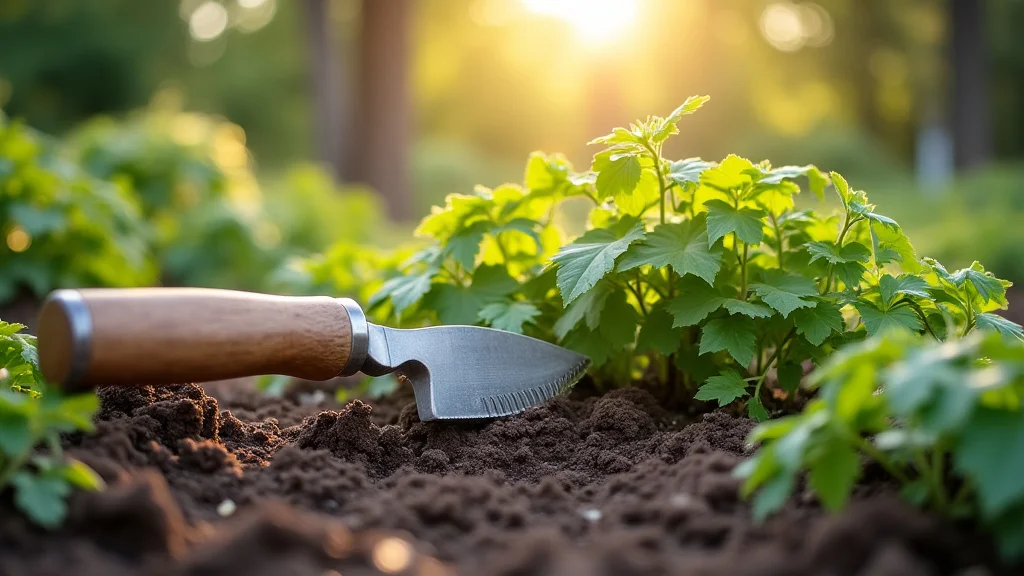
Remember that frustrating moment when your shovel bent mid-dig, or your clippers gave up on a simple stem? We’ve all been there. It’s a common experience for gardeners, whether you’re tending a tiny balcony herb garden or managing a sprawling backyard paradise. Investing in best quality gardening tools is like giving yourself a superpower. This guide will help you select the right equipment, ensuring you can tackle any gardening task with ease and enjoy a flourishing garden. You’ll gain the knowledge to identify durable tools, learn about essential equipment, and discover how to maintain them, ultimately saving you time, money, and frustration. By the end, you’ll feel empowered to choose best quality gardening tools and cultivate the garden of your dreams.
Key Takeaways
- Choosing the right tools dramatically improves gardening efficiency.
- Understanding tool materials and construction leads to better durability.
- Essential gardening tools cover a range of tasks, from planting to pruning.
- Proper tool maintenance is critical for extending their lifespan.
- Specific tools cater to different gardening styles and plant types.
- Investing in quality saves money in the long run by reducing replacements.
Choosing the Right Gardening Tools
The foundation of a successful garden lies not just in the seeds and soil, but also in the tools you use. Selecting the right equipment isn’t just about picking something up at the store. It’s about considering the tasks you’ll be performing, the materials used in construction, and your own comfort and physical needs. A well-chosen tool makes the process easier and more enjoyable. It means less strain on your body and a higher likelihood of achieving the results you desire. This section will guide you through the process of selecting tools based on their purpose, materials, and other important factors, allowing you to build a collection of gear that will last for seasons to come.
Assessing Your Gardening Needs
Before buying anything, take a moment to reflect on your specific gardening plans. What type of garden do you have or want to create? Is it a vegetable patch, a flower bed, or a combination? The answer to this question shapes your tool choices. For example, a vegetable garden typically needs tools for digging, planting, weeding, and harvesting. A flower garden might require more delicate tools for pruning and shaping. Assessing your soil type is important too. Clay soil requires tools that can handle tough conditions. Sandy soil may need different types of tools altogether. Thinking carefully about what you intend to do in your garden is the first step toward getting the right equipment.
- Consider the Size of Your Garden: A small balcony garden won’t need the same tools as a large backyard. Smaller spaces often require compact or multi-purpose tools. Larger gardens might require more specialized equipment and tools to make the job easier. Choosing the right size of tool reduces fatigue and makes it easier to navigate through your garden area.
- Think About the Type of Plants You’ll Be Growing: Different plants have different needs. If you’re growing roses, you’ll need specific pruners. If you are planting tomatoes, you’ll want tools for staking and training.
- Soil Condition: The type of soil influences the tools you use. Clay soil is dense and requires strong digging tools. Sandy soil drains easily and might need tools with broader surfaces.
- Your Physical Abilities and Comfort: Choose tools that are comfortable to hold and use. Consider your height, strength, and any physical limitations. Ergonomic handles, lightweight materials, and adjustable features can make gardening more enjoyable.
For example, if you have a raised garden bed or a small space, you probably won’t need a heavy-duty rototiller, but a small hand cultivator would be very helpful. Think about the physical effort involved in each task and select tools that fit your physical ability and garden scale.
Consider the growth habits of your plants. Tall plants might require staking or trellising tools. Plants that spread require careful weeding or edging. Understanding these requirements will influence the type and quantity of tools you’ll need. This preparation minimizes mistakes and maximizes the health and vitality of your plants.
Soil composition guides the choice of your digging tools. Heavy clay soil often benefits from a spade with a strong blade and a sturdy handle. Loose sandy soil requires tools designed for moving large volumes of material. Assess your soil type and choose tools built to cope with its specific challenges. This will help make the work easier.
Pay attention to tool weight and handle design. Tools with ergonomic handles lessen strain on your wrists and hands. Long-handled tools help prevent back pain. Make sure the tools are easy to manipulate and that you are able to use them for extended periods without fatigue. The right fit is important for a pleasant gardening experience.
Understanding Tool Materials and Construction
The materials a tool is made from directly influence its durability and performance. Cheaper tools may seem appealing initially, but they often break down more quickly, leading to higher costs over time. Understanding the materials and construction techniques helps you spot high-quality tools that offer good value. This part explores the critical materials used in gardening tools and discusses factors that contribute to their longevity and effectiveness, ensuring you can make informed choices when buying equipment.
- Blades and Tines: Look for tools with blades and tines made from hardened steel. Hardened steel is strong, resistant to wear, and can hold a sharp edge. Stainless steel offers excellent rust resistance.
- Handles: Handles are made from various materials like wood, fiberglass, and metal. Hardwood handles (ash or hickory) are strong and absorb shock. Fiberglass is lightweight and resistant to weather. Metal handles are very sturdy.
- Joints and Fasteners: The quality of joints and fasteners is important. Welded joints are stronger than bolted ones, while rivets and screws should be made from rust-resistant materials.
- Coating and Finishes: A rust-resistant coating or finish on the metal components protects against corrosion. Powder-coated tools often perform better, as they offer better protection.
The sharpness and strength of the blades are central to any tool’s performance. Tools with hardened steel blades typically withstand the stresses of digging, cutting, and slicing much better than softer materials. High-quality blades make tasks easier.
The material and design of the handle are vital for comfort and the tool’s effectiveness. Wood provides good shock absorption, while fiberglass and metal offer durability and weather resistance. Look for handles with a comfortable grip to reduce strain and prevent blisters.
Inspect how the handle connects to the blade and the general build quality. The joints and fasteners must withstand the stress of regular use. Properly constructed joints extend the tool’s lifespan.
Look for tools that have protective coatings to prevent rust and corrosion. A good coating extends the tool’s life and keeps it looking new. Check for chipping or peeling on used tools. This indicates where rust may start.
Essential Gardening Tools
Having the right tools is essential for making gardening easier and more enjoyable. These tools are the building blocks of any effective gardening setup, covering everything from soil preparation and planting to watering and harvesting. A good basic set will enable you to handle most tasks and can be expanded as your gardening interest grows. By making sure you have a basic set of equipment, you’ll be prepared to cultivate a beautiful and productive garden, whether it is vegetables or a vibrant array of flowers.
- Spade: Used for digging, turning soil, and transplanting plants.
- Hand Trowel: A small, handheld tool for planting, transplanting, and weeding.
- Hand Rake: Used for smoothing soil, removing debris, and leveling surfaces.
- Garden Fork: Designed for loosening and aerating soil. It helps with turning compost.
- Pruning Shears/Secateurs: Essential for trimming plants, removing dead branches, and shaping hedges.
- Watering Can/Hose with Nozzle: For watering plants effectively. Hoses need nozzles to control water flow.
A good spade has a sharp, sturdy blade for cutting through soil and roots. Look for a spade with a long handle to reduce bending. Consider the blade’s shape and size; a pointed blade is ideal for digging, while a square blade is useful for moving soil.
Choose a trowel that fits comfortably in your hand. The blade should be made of durable material to withstand repeated use. A hand trowel with a measurement scale helps with planting at the right depth. Look for a trowel with a wide blade for moving more soil.
The tines of the rake should be strong and set close enough together to effectively collect leaves and other debris. The handle should be long enough for comfortable use, and the rake’s head should be sturdy enough to handle regular use. A good rake makes soil preparation easier.
A garden fork helps break up compacted soil. Choose one with sturdy tines and a comfortable handle. The best forks have a good balance and are easy to use in various soil types. A garden fork is especially helpful when dealing with heavy clay soil.
Choose bypass pruners, which make clean cuts, rather than anvil pruners. Make sure the blades are sharp, and the handle fits comfortably in your hand. Sharp pruners are vital to plant health; dull ones can damage plants.
A watering can is helpful for gentle watering. Choose a hose made of durable material and a nozzle that provides a variety of spray patterns. A hose with a nozzle allows you to direct water accurately, reducing water waste.
Maintaining Your Gardening Tools
Your gardening tools are an investment, and proper care will help them last for years. Regular maintenance not only prolongs their lifespan but also ensures they perform their best when you need them. This section offers practical advice on cleaning, sharpening, and storing your tools correctly. Following these suggestions, you’ll ensure that your tools are always ready for action and make your gardening tasks easier. These simple steps ensure your equipment stays ready for anything and offers top performance.
Cleaning Your Tools
After each use, take a few minutes to clean your tools. This prevents the buildup of soil, sap, and other debris that can lead to corrosion or hinder their effectiveness. Regular cleaning is a simple step with big payoffs, ensuring your tools remain in good shape and ready for the next job. Cleaning will prevent rust and keep them working well for a long time.
- Remove Debris: Use a brush or scraper to remove soil, mud, and plant residue. For tools with sharp edges, be careful.
- Wash with Water and Soap: Wash your tools with warm, soapy water. Rinse well and dry thoroughly.
- Apply Lubricant: Apply a lubricant to moving parts to prevent rust and ensure smooth operation.
- Rust Prevention: Use a wire brush or steel wool to remove any rust. Apply a rust-preventative coating if needed.
After each use, remove any dirt or plant matter. A firm brush or a scraper can handle most debris. Ensure you get into crevices and hard-to-reach areas. This simple step keeps your tools functional and free of buildup. Remove soil promptly to prevent any damage.
Use warm, soapy water to remove any remaining dirt or grime. Rinse the tools to remove any soap residue that could cause corrosion. Proper drying is vital. Wipe your tools down with a clean towel and allow them to air dry completely before storing them.
Lubricate the joints, blades, and any moving parts. Apply a thin coating of oil or a rust-preventative spray. This lubrication will keep your tools running smoothly. Lubricating the parts will ensure they continue to operate smoothly. Consider a spray lubricant for ease of application.
Rust can damage tools quickly. Remove rust as soon as you find it. A wire brush or steel wool works well to remove rust. Apply a rust-preventative coating after removing the rust. This preventive measure will keep your tools in prime condition.
Sharpening Your Tools
Dull tools are ineffective and can cause damage to plants. Regularly sharpening your tools ensures clean cuts and efficient work. Sharpening is essential to maintain tools and improve gardening practices. A sharp blade is vital for the health of plants. Sharpening your blades makes gardening easier and more effective.
- Use the Right Tools: Use a file, sharpening stone, or a dedicated tool sharpener.
- Angle of Sharpening: Maintain the correct angle when sharpening. Too steep, and the blade becomes weaker; too shallow, and the edge will not be sharp enough.
- Sharpen Regularly: Sharpen tools regularly. Pruning shears and loppers need frequent sharpening. Digging tools can be sharpened less often.
- Professional Sharpening: For complex tools or if you’re unsure, consider professional sharpening services.
Choose the tool most appropriate for the task and the tool you are sharpening. A file is good for basic sharpening, while a sharpening stone is suitable for refining blades. Dedicated sharpeners are often easier to use for beginners. These various tools help you easily sharpen your gardening equipment.
The right angle is essential for a sharp and durable edge. Consult the tool’s manual for the correct angle. If you are unsure, aim for the angle that’s already on the blade. Maintaining the correct angle prevents unnecessary wear on your tools. The angle must be maintained.
Sharpening frequency depends on tool usage and the type of tasks. Pruning tools require more frequent attention because they are used to cut through plant material. Digging tools don’t need to be sharpened as often. Keeping tools sharp makes every gardening task easier.
If you’re unsure about sharpening yourself, consider using a professional service. Professionals have the right tools and expertise to properly sharpen your equipment. This guarantees the best results and extends the life of your equipment. Professional services will help keep your tools in excellent condition.
Proper Storage
How you store your gardening tools greatly impacts their longevity. Proper storage protects your tools from the elements, prevents rust, and makes them easy to find when you need them. This part covers practical methods for storing your equipment, ensuring your tools are safe and ready for use when you need them. The right storage methods ensure your tools are always accessible and kept in the best possible condition.
- Clean and Dry Tools: Always clean and dry your tools before storage.
- Hang Tools: Hang your tools in a shed, garage, or storage rack. Hanging keeps them off the ground and prevents them from getting damaged.
- Use a Tool Rack: Use a tool rack or wall-mounted storage system to keep tools organized.
- Cover Tools: Store tools in a shed or garage to protect them from weather. Cover them with a tarp if stored outdoors.
This is the first step in ensuring your tools are ready to use. Cleaning removes debris and dirt that can trap moisture and cause rust. Make sure all tools are completely dry to prevent any corrosion before putting them away. This process is key to preventing deterioration.
Hanging your tools is an efficient storage method. It prevents them from being exposed to damp conditions. Use hooks or a tool rack to hang your tools. This method ensures that your tools are protected and easy to find.
A tool rack or organized storage system helps keep your tools in order. Tool racks are designed to hold different types of tools neatly. This prevents damage and makes it easier to locate the tool you need. The organized storage makes everything simple.
Protect your tools from the elements. Sheds and garages offer the best protection from rain and sun. If outdoor storage is unavoidable, cover your tools with a tarp. This protective layer ensures they are protected from damage.
Best Quality Gardening Tools for Different Gardening Styles
Every garden is unique, as are the tools and methods used to tend to them. Depending on your garden’s size, style, and the types of plants you cultivate, you might need specific tools to make your tasks simpler and more efficient. Understanding how to customize your tools allows you to work better in your garden. This part discusses tools tailored for various gardening approaches, from raised beds and container gardens to traditional vegetable patches and floral arrangements. Getting the right tool makes the job easier and improves gardening outcomes.
Tools for Raised Bed Gardening
Raised beds offer unique gardening benefits, including improved drainage and easier access to plants. The right tools can make raised bed gardening more productive and less tiring. Choosing the right tool makes tasks easier and helps you get the most out of your raised beds. With the correct equipment, you will enjoy a garden that flourishes with little effort.
- Hand Cultivator: For loosening the soil, incorporating compost, and weeding.
- Hand Trowel: Essential for planting seedlings and transplanting small plants.
- Transplanting Trowel: Useful for transplanting larger plants.
- Kneeling Pad or Garden Stool: Important for protecting your knees and back.
A hand cultivator is perfect for working in raised beds. It helps with soil preparation before planting and is also useful for weeding. Choose a cultivator with strong tines and a comfortable grip. This tool makes soil care easy.
A hand trowel is essential for various tasks. Use it for planting, transplanting, and small-scale digging. Select a durable trowel with a sharp blade for easy handling. A good trowel simplifies the planting process.
A transplanting trowel is designed for moving larger plants. Its sturdy construction and larger size help move plants with care. It’s especially useful when transplanting plants in raised beds. This tool ensures plants thrive.
Since raised beds require a lot of bending, protect your body. Use a kneeling pad or garden stool to avoid strain. This makes gardening more comfortable, so you can work longer. Protect your body for long-term health.
Tools for Container Gardening
Container gardening calls for tools that are versatile and suited for confined spaces. The correct tools enable you to work efficiently and effectively. These tools ensure you can maintain your plants, resulting in a beautiful and thriving container garden. Picking the appropriate equipment enhances your gardening enjoyment.
- Hand Pruners: For trimming plants and deadheading flowers.
- Hand Trowel: Useful for planting, repotting, and general soil management.
- Small Hand Rake: For smoothing soil and removing debris.
- Watering Can with a Spout: To direct water accurately.
Sharp pruners are essential for maintaining the appearance of your plants. Use them to trim, shape, and keep your plants healthy. Select high-quality pruners for clean cuts. Good pruning is good for container gardens.
A hand trowel is versatile. Use it to plant seedlings, replant mature plants, and manage soil in confined spaces. Pick a trowel that’s easy to maneuver and constructed from strong materials. This tool works wonders.
A small hand rake keeps the soil surface neat. Use it to level the soil, eliminate debris, and improve aeration. Select a rake with strong tines. Use this tool for a tidy and healthy container garden.
A watering can with a long spout directs water to the roots of your plants. This reduces water waste. Choose a can of a reasonable size. With proper watering, your containers will flourish.
Tools for Vegetable Gardening
Vegetable gardening requires tools suitable for planting, weeding, and harvesting. The right equipment can help you create a rich harvest. Having tools designed for these specific tasks ensures your vegetable garden thrives. It makes the work enjoyable and productive.
- Hoe: For weeding and soil preparation.
- Hand Weeder: To remove weeds.
- Harvesting Knife: For harvesting vegetables.
- Garden Cart: For moving heavy loads of soil, compost, or harvested vegetables.
A hoe helps with weeding and preparing the soil for planting. Choose a hoe with a sharp blade and a comfortable handle. Use this to maintain your garden. Keep weeds at bay, and your vegetables will thrive.
A hand weeder helps you to precisely remove weeds. The design helps to pull weeds out from the roots. Select a weeder with a comfortable handle and a strong blade. By pulling weeds, your vegetables will thrive.
A harvesting knife is designed for harvesting. Choose a knife with a sharp blade and a comfortable grip. It’s a quick and easy way to harvest. The right knife makes a garden harvest easy.
A garden cart helps in transporting materials. Choose a cart with strong wheels and a durable bed. A garden cart helps in handling the heavy loads. Transporting materials is made easy with this tool.
Tools for Flower Gardening
Flower gardens often need specialized tools for pruning, shaping, and deadheading. The right tools enhance the beauty and health of your flowers. Picking the appropriate equipment increases the pleasure of flower gardening. The appropriate tools help you make a vibrant and beautiful space.
- Bypass Pruners: For trimming, pruning, and shaping.
- Deadheading Snips: For removing faded flowers.
- Hand Fork: For aerating soil and working around plant roots.
- Soil Knife: For weeding, planting, and dividing perennials.
Sharp bypass pruners are essential for keeping your flowers healthy. Use these for cutting stems, and shaping your plants. Choose high-quality pruners. Well-trimmed flowers are beautiful.
Deadheading snips help in the process of deadheading flowers. Use them to get rid of faded blooms. The right snips keep your flowers blooming longer. They also enhance the attractiveness of your flowers.
A hand fork helps in aerating the soil. Use it around delicate plant roots. Pick a sturdy hand fork. This tool helps boost your flowers’ health and beauty.
A soil knife is for a variety of tasks in your flower garden. Use it to weed, plant, and separate perennials. Choose a soil knife that is comfortable. Having this tool makes working in your garden easy.
Best Quality Gardening Tools: A Smart Investment
While the initial cost of best quality gardening tools may be higher than cheaper alternatives, the long-term benefits are substantial. High-quality tools are built to last, providing years of reliable service and often come with warranties. Choosing quality tools reduces the need for frequent replacements, saving you money in the long run. The durability and superior performance of these tools also make gardening easier, more enjoyable, and ultimately more productive, leading to a healthier and more beautiful garden. Investing in best quality gardening tools is a wise move, offering both short-term convenience and long-term financial benefits.
Cost Considerations and Value
The upfront cost of high-quality tools is often a barrier for some gardeners. However, it’s crucial to evaluate the long-term value. Cheap tools frequently fail quickly, requiring you to purchase
- Initial Investment vs. Lifespan: Evaluate the cost versus the lifespan. Cheaper tools may break quickly, necessitating replacements. High-quality tools cost more initially but last longer.
- Warranty and Guarantees: Look for tools with warranties or guarantees. This provides you with security.
- Cost of Repairs and Replacements: Factor in potential repair costs and the cost of replacing low-quality tools. High-quality tools are less likely to require repairs.
- Impact on Gardening Efficiency: High-quality tools make gardening tasks easier.
Consider the lifespan when comparing tool costs. High-quality tools made of durable materials will outlast inexpensive alternatives. The initial investment in quality tools pays off by reducing the need for repeated replacements. This is crucial for efficient spending.
Tools with warranties show the maker’s confidence in their product. A warranty means if a tool breaks due to a defect, the company will repair or replace it. Warranties also highlight tool durability. The assurance provided by a warranty offers peace of mind.
The total cost should consider repair needs. Poor quality tools may break often, leading to the cost of purchasing replacements. Quality tools have the added benefit of being more resistant to damage. Quality tools save you from extra expenses.
High-quality tools offer better performance, making gardening easier and faster. This saves time and effort. The ease of use will improve your gardening experience. Good tools make gardening more enjoyable.
Long-Term Benefits of Quality Tools
The advantages of choosing high-quality tools extend beyond the price tag. They contribute to a more positive gardening experience. They support the health of your plants and provide an enjoyable experience. High-quality tools improve not just the method of gardening but the outcomes as well. The advantages of investing in quality equipment continue to add value and enjoyment over time, making it a wise choice.
- Durability and Longevity: High-quality tools are built to withstand the rigors of gardening. Their durability reduces the need for frequent replacements.
- Improved Performance: High-quality tools perform better, making gardening easier and more effective. Sharp blades and comfortable handles reduce strain.
- Reduced Strain and Fatigue: Ergonomic designs and comfortable handles reduce physical strain. This enables you to garden for longer periods.
- Enhanced Plant Health: Sharp and well-maintained tools lead to clean cuts and promote plant health.
Quality tools are built to last. This durability saves money on replacements and decreases waste. Durability reduces the need to purchase new tools every few years. The durability makes them a good investment.
Quality tools provide superior performance, making gardening easier. Sharp, well-designed tools reduce strain. The enhanced performance will make gardening much more pleasurable. Performance also speeds up tasks.
Ergonomic designs and comfortable handles make gardening less tiring. This allows you to work longer and enjoy gardening. The reduction in fatigue is a major benefit. Gardening becomes more enjoyable when you use good tools.
Sharp tools are important for plant health. Clean cuts are less prone to disease. Quality tools will improve your plants’ health and appearance. Using quality tools will help your garden thrive.
Case Studies: Real-Life Examples
Real-world examples demonstrate the long-term benefits of investing in best quality gardening tools. These case studies show how quality equipment can improve the gardening experience. From reducing replacement costs to improving productivity and plant health, the following examples illustrate why choosing quality tools is a smart investment. The following case studies display the rewards of buying the correct tools.
- Case Study 1: The Durable Pruners. A gardener invested in high-quality pruners ten years ago. These pruners are still in good condition, and perform flawlessly. She calculated that the initial cost of the pruners was easily offset by the lack of any replacement expenses. Cheap pruners typically only lasted a season or two. This gardener’s cost savings demonstrate the long-term economic advantages.
- Case Study 2: The Efficient Garden. A gardening enthusiast who owns a small vegetable garden, was initially using cheaper, less effective tools. Because of the inferior performance of those tools, the tasks were tiring and time-consuming. After changing to high-quality tools, the gardener was able to accomplish tasks much faster. They also reported better results because of the ease of use. This led to increased productivity, less physical strain, and greater satisfaction with the gardening process.
- Case Study 3: The Plant’s Health. A gardener with a large rose garden invested in high-quality pruning shears and loppers. By using these tools, they made clean cuts. The well-pruned plants were less susceptible to disease. The roses are in much better condition because of the careful pruning. The cleaner cuts facilitated plant health.
This gardener has saved money over the years by investing in quality pruners. They are sharp, efficient, and comfortable to use. Her experience is an example of the value of investing in high-quality gardening tools. The lasting quality also reduced her workload.
The tools made the gardening more enjoyable. It also allowed them to work for longer periods without getting tired. This transformation reveals how high-quality equipment can enhance the pleasure of gardening. The tools saved them time, too.
This gardener experienced improved plant health by using quality tools. The improved cuts reduced the risk of disease and helped the plants thrive. The gardener’s experiences exemplify the value of investing in quality equipment. Clean cuts make for healthier plants. This example showed the benefits of investing in quality gardening tools.
Frequently Asked Questions
Question: What are the most important tools for a beginner gardener?
Answer: A good spade, hand trowel, hand fork, pruning shears, and a watering can or hose with a nozzle are essential for beginners. These tools cover most basic gardening tasks.
Question: How do I choose the right size of tools?
Answer: Consider your height and the size of your garden. Choose tools with handles that are comfortable for your height and grip. Smaller gardens can use compact tools.
Question: What materials should I look for in gardening tools?
Answer: Look for tools with blades and tines made from hardened steel or stainless steel. Handles should be made of hardwood, fiberglass, or metal. The joints and fasteners should be sturdy and rust-resistant.
Question: How often should I sharpen my pruning shears?
Answer: Sharpen your pruning shears regularly, especially if you use them frequently. Sharpening them after every few uses is a good practice.
Question: How can I store my gardening tools?
Answer: Clean and dry your tools after each use. Store them in a shed, garage, or tool rack. Hanging tools is best to keep them off the ground and away from moisture.
Final Thoughts
Investing in best quality gardening tools is an investment in the health and beauty of your garden. By choosing tools made from durable materials, with ergonomic designs, you’re not just acquiring equipment; you’re setting yourself up for success. Understanding your gardening needs, assessing tool materials, and properly maintaining your tools will provide long-term benefits. These advantages include enhanced performance, reduced strain, and ultimately, a more productive and enjoyable gardening experience. By embracing the principles discussed, you’ll be well-prepared to make choices that will improve your gardening.