
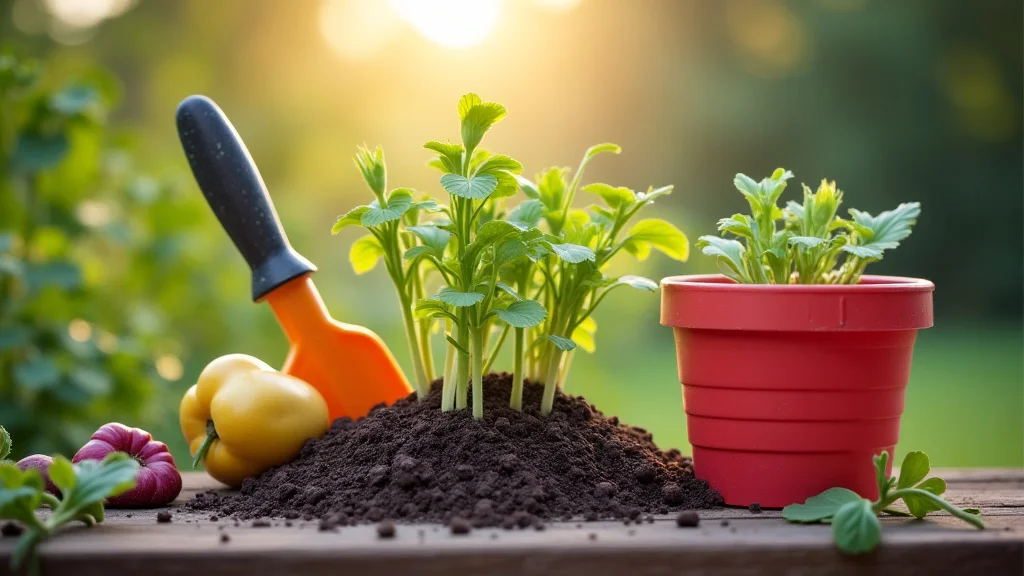
Remember those afternoons spent pretending to be a farmer, covered in dirt and brimming with excitement? That’s the feeling you can give your kids with a big w kids gardening tools set. Imagine your child’s face lighting up as they plant their first seed and watch it grow. This post explores what makes these sets ideal, what to look for, and how they foster a love for nature. You’ll gain practical advice to pick the right set for your budding gardener, plus tips on creating a fun and educational gardening experience, improving time on page and reducing bounce rate.
Key Takeaways
- Discover the benefits of introducing gardening to kids at a young age.
- Learn about the essential tools included in most big w kids gardening tools set options.
- Find out how to choose a set that’s safe, durable, and appropriate for your child’s age.
- Explore simple gardening projects perfect for kids, from planting seeds to caring for established plants.
- Understand how gardening promotes valuable skills like responsibility and patience.
- Gather tips for creating a fun and engaging gardening experience for children.
Why Gardening Matters for Children
Gardening provides a wealth of benefits for children, extending far beyond the simple act of planting a seed. It fosters a connection with nature, encouraging children to appreciate the environment and the origins of their food. From a developmental perspective, gardening helps kids learn about responsibility by caring for their plants and observing their growth. Moreover, it sparks curiosity, as they investigate the life cycle of plants, soil composition, and the influence of weather. Gardening promotes physical activity, sensory engagement, and offers a fun way for kids to step away from screens and enjoy the outdoors.
The Benefits of Outdoor Play
Outdoor play is essential for a child’s overall well-being. It provides physical activity, helping kids build strength and coordination. Being outdoors exposes children to sunlight, which is crucial for vitamin D production, essential for bone health. Outdoor environments stimulate the senses with fresh air, natural sounds, and diverse textures. This promotes creativity, problem-solving skills, and a sense of wonder. Outdoor play also encourages social interaction and cooperation when done with other children, fostering teamwork and communication skills. It is an investment in their physical and mental health.
- Improved Physical Health: Gardening involves physical activity like digging, planting, and watering, which helps kids develop gross motor skills and stay active. This active engagement contributes to a healthier lifestyle and helps prevent sedentary behavior.
- Enhanced Sensory Experience: Gardening engages all the senses, from the feel of soil in their hands to the smell of herbs and flowers. This sensory exploration can be particularly beneficial for children with sensory processing differences.
- Stress Reduction: Studies show that spending time in nature can lower stress levels and improve mood. Gardening provides a calming activity, offering a respite from the stresses of daily life, particularly for children who may experience anxiety.
- Better Sleep Quality: Regular exposure to sunlight and physical activity outdoors can improve sleep patterns. Gardening tires children out in a healthy way, which can lead to more restful and restorative sleep.
- Vitamin D Production: Being outdoors allows children to absorb vitamin D from sunlight, which is vital for bone health, immune function, and overall well-being. Sunlight helps the body produce this essential nutrient.
The Educational Value of Gardening
Gardening offers a rich learning environment that can be integrated into a child’s education, providing hands-on experience in science, math, and even art. Kids can learn about plant life cycles, the importance of sunlight and water, and the different parts of a plant, from roots to flowers. Measuring the growth of plants teaches math skills like measuring, comparing, and data collection. Moreover, gardening fosters environmental awareness and a sense of responsibility for the environment. Children develop a stronger appreciation for where their food comes from and how to protect it.
- Science Lessons: Kids can learn about photosynthesis, plant anatomy, the impact of weather on plant growth, and the role of insects in pollination. They observe how plants change and adapt to their surroundings.
- Math Skills: Measuring plant growth, calculating how many seeds to plant, and understanding the spacing between plants are all excellent ways to apply math concepts. Counting, estimating, and comparing plant sizes boost mathematical ability.
- Environmental Awareness: Gardening teaches children about sustainable practices like composting, water conservation, and the importance of biodiversity. They realize the impact of human actions on the environment.
- Responsibility and Patience: Caring for plants teaches kids about responsibility and patience as they must water, weed, and protect their plants. They learn that plants need regular care and attention to thrive.
- Healthy Eating Habits: Gardening allows kids to grow their own food, fostering a greater appreciation for fresh produce and encouraging them to make healthier food choices. Kids are more likely to eat fruits and vegetables they have helped grow.
What’s Included in a Big W Kids Gardening Tools Set?
A typical big w kids gardening tools set is designed to equip children with the essential tools needed to start their gardening adventure. These sets are often tailored for younger hands, with safety and durability as core priorities. The specific contents may vary, but there are some standard components found across most kits. By knowing what to look for in a set, you’ll be able to make a well-informed decision that supports your child’s growth and engagement.
Common Tools in Gardening Sets
Garden sets for kids usually include tools scaled down in size and weight to make them easier for children to handle. Quality materials are used to ensure the tools are not only safe but also resilient to the wear and tear associated with regular outdoor play. These tools are designed to encourage active participation and to provide children with a sense of ownership over their gardening space. Understanding the purpose of each tool helps children learn about gardening techniques.
- Hand Trowel: A small shovel used for digging, transplanting, and scooping soil. It’s essential for planting seedlings and small plants.
- Hand Fork: Used for loosening soil, removing weeds, and aerating the soil around plants. It’s perfect for preparing the soil for planting.
- Hand Rake: Helps to level the soil, remove debris, and spread mulch. It’s a handy tool for keeping the garden tidy and ready for planting.
- Watering Can: A smaller, child-friendly watering can allows children to water their plants. It’s a great tool for teaching children about the importance of water and the correct amount to use.
- Gloves: Protect children’s hands from dirt and potential irritants. Gloves help kids feel like real gardeners.
- Carry Bag or Tote: To keep all the tools organized and easy to carry from place to place. This helps teach children the importance of organization.
Material and Safety Considerations
When picking a big w kids gardening tools set, safety is the top priority. The materials used in these tools must be durable and free of any harmful chemicals. It’s also important that the tools are scaled to the appropriate size to prevent potential injuries. Look for tools that are easy for small hands to grasp and use. Additionally, rounded edges and ergonomic designs will further enhance safety. Regular maintenance, such as checking for loose parts or wear, is vital to prevent accidents and keep the tools in good condition.
- Tool Material: Look for tools made from sturdy materials like metal with wood handles or durable, non-toxic plastic. These materials withstand outdoor conditions and resist wear and tear.
- Handle Design: Handles should be comfortable and easy for children to grip. Wood or rubber-coated handles offer better grip and reduce the chance of the tools slipping.
- Sharp Edges: Tools should have rounded edges and avoid sharp points to reduce the risk of injury. The tools should be designed with safety in mind.
- Tool Weight: The tools should be lightweight enough for children to handle without strain. Overly heavy tools can be difficult for kids to maneuver and increase the likelihood of accidents.
- Durability: Choose tools that can withstand outdoor weather, including rain and sun exposure. The tools must last and handle the rough and tumble play of kids.
Choosing the Right Big W Kids Gardening Tools Set
Picking the ideal big w kids gardening tools set requires thought and consideration of your child’s needs and interests. The age of your child is a key factor, as it determines the size and type of tools that are most appropriate. Consider the types of gardening activities you plan to do, as this will influence the tools needed. Choosing a set that encourages your child’s engagement will make the gardening experience more fun and educational.
Considering Age Appropriateness
Age is a crucial factor when selecting a gardening set. Younger children need tools that are simpler and safer, while older kids might enjoy sets with more tools and added features. For instance, smaller kids will benefit from lightweight tools with rounded edges. As children grow older, they can handle tools with more complexity and sharpness, as long as appropriate supervision and guidance is provided. Matching the set to your child’s developmental stage is vital for creating a positive gardening experience.
- Ages 3-5: Choose smaller, lightweight tools with rounded edges. Look for bright colors and easy-to-grip handles. Consider sets with simple accessories, like a small watering can and gloves.
- Ages 6-8: Opt for slightly larger tools with more functionality, such as a hand trowel, fork, and rake. Include some basic gardening books or activities to promote interest.
- Ages 9+: These children can handle more advanced tools and may be interested in sets that include pruning shears or a small garden spade. They are ready to take on more complex gardening tasks and might appreciate detailed sets.
Factors to Consider Before Purchasing
To pick a great gardening set, consider the activities that your child is likely to participate in. The durability of the tools is also crucial, especially if they’re going to be used regularly. Look for sets made from high-quality, durable materials. Consider if the set provides storage options, such as a bag or toolbox. Furthermore, read reviews from other parents to gain insights into the quality and usability of the products. Taking these factors into consideration ensures you pick a set that provides a good gardening experience for your child.
- Tool Quality: Check the material and durability of the tools. Sturdy metal with wooden handles or durable plastic tools that resist wear and tear are best.
- Set Contents: Evaluate the tools included and ensure they match the gardening activities your child will engage in. Are there enough essential tools for planting, weeding, and watering?
- Safety Features: Make certain the tools have rounded edges and ergonomic handles to minimize the risk of injury. Non-toxic materials are crucial.
- Storage Options: A bag, toolbox, or tote keeps all the tools organized and easy to carry.
- Reviews: Read customer reviews to get an idea of the product’s quality, durability, and ease of use. This can provide valuable insights from other parents.
Gardening Activities for Kids
Introducing gardening activities tailored to children’s interests will make it an enjoyable and educational experience. Starting small with simple projects allows children to experience success and builds their confidence. Encouraging them to participate in the entire process – from planting to harvesting – will help cultivate a love for gardening and a sense of responsibility. Using age-appropriate projects makes gardening enjoyable and builds their gardening skills.
Easy Gardening Projects for Beginners
Starting with simple projects like planting herbs, vegetables, or flowers allows children to experience the joy of gardening without being overwhelmed. Provide guidance on planting seeds and offer tips on how to care for their plants, such as watering, sunlight, and soil. Simple projects help kids to learn the basics, build skills, and gain confidence in their gardening abilities. Encourage kids to document their progress.
- Planting Sunflowers: Sunflowers grow quickly and can be exciting for kids to observe. Plant a few seeds and track the growth daily.
- Growing Herbs: Herbs like basil, mint, or parsley are easy to grow and can be used in cooking.
- Strawberry Patch: Strawberries are easy to plant and can offer rewards for kids. Children can learn about the different stages of plant growth.
- Container Gardens: Planting flowers or vegetables in containers is perfect for small spaces and easy to maintain. Teach kids about the effects of soil, water, and sunlight.
Gardening Projects with Established Plants
Once your child has learned the basics of planting, explore activities that involve caring for existing plants. This helps them understand the ongoing maintenance required for a healthy garden. These projects teach children about plant care, as well as the importance of maintaining an eco-system. By observing these changes, kids learn the importance of planning and patience.
- Watering and Weeding: Teach kids how to water plants correctly and remove weeds. They will learn the importance of weeding and watering.
- Composting: Show kids how to compost kitchen scraps and yard waste. This will teach them about the importance of recycling.
- Harvesting: Involve children in the harvesting of fruits or vegetables. It provides immediate satisfaction for the hard work.
- Plant Identification: Teach children to identify different plants and learn about their unique characteristics. This will help them learn different types of plants.
Fostering a Love for Gardening
Cultivating a lasting love for gardening involves more than just planting a few seeds. Making gardening an enjoyable activity, offering encouragement, and integrating it into their daily lives is vital. Allowing children to take ownership of their projects and giving them the freedom to explore and experiment encourages them to appreciate the beauty and benefits of gardening. Encourage curiosity, provide support, and offer opportunities for learning and discovery.
Creating an Engaging Gardening Experience
Make gardening a pleasurable experience by making it fun. Add elements of creativity by allowing kids to personalize their gardening spaces with colorful pots, signs, and decorative elements. Make the activity interactive by reading gardening-related books or watching educational videos together. Consider involving them in every aspect of the project, including planning, planting, and harvesting. Most importantly, maintain a positive attitude and offer encouragement. Remember, learning should be fun.
- Theme Gardens: Create themed gardens, such as a pizza garden (tomatoes, basil, oregano) or a butterfly garden (plants that attract butterflies).
- Personalized Spaces: Let children decorate their gardening areas with colorful pots, signs, or painted rocks. It makes the activity special.
- Gardening Books and Videos: Read gardening books and watch educational videos together to broaden their knowledge and ignite their interest.
- Involve All Ages: Invite all family members to participate in the gardening. This helps children feel connected.
- Gardening Journal: Encourage them to keep a gardening journal, documenting plant growth and experiments. It helps build skills.
Promoting Responsibility and Patience
Gardening naturally teaches children valuable life skills, such as responsibility and patience. By having them take care of their plants, they learn the importance of routine care. Gardening teaches them that the results of their efforts take time and patience. It’s important to give them opportunities to make decisions and be accountable for their actions. Remind them that failure is a part of learning, and that every gardener faces challenges.
- Create a Schedule: Help children establish a consistent watering and maintenance schedule to foster a sense of responsibility.
- Encourage Patience: Discuss how plants grow at different rates, highlighting that patience is necessary for success.
- Acknowledge Achievements: Celebrate successes, whether it’s a blooming flower or a harvested vegetable.
- Discuss Failures: Help them understand that not every plant will thrive and that’s okay. Explain that they can learn from any mistakes.
- Encourage Independence: Allow them to make some decisions, like which seeds to plant or which flowers to select.
Frequently Asked Questions
Question: What age is suitable for a big w kids gardening tools set?
Answer: It depends on the set. Look for sets designed for ages 3-5, 6-8, or 9+ depending on the complexity of the tools and projects.
Question: Are the tools safe for kids?
Answer: Yes, good sets feature rounded edges, non-toxic materials, and are appropriately sized for children’s hands.
Question: What tools are generally included in a set?
Answer: Common tools are a hand trowel, hand fork, hand rake, watering can, and gloves.
Question: How can I make gardening fun for my kids?
Answer: Create themed gardens, let them decorate their gardening spaces, read gardening books, and encourage them to keep a journal.
Question: What do kids learn from gardening?
Answer: Gardening teaches them responsibility, patience, science concepts, environmental awareness, and healthy eating habits.
Final Thoughts
A big w kids gardening tools set is a fantastic way to introduce your children to the joys of gardening, providing a pathway to fun, learning, and outdoor adventure. By choosing the right set, considering your child’s age and interests, you’re setting them up for success. Remember, gardening is a journey, not just a task. It builds responsibility, and fosters patience while promoting a deeper appreciation for nature. Embrace the mess, celebrate the small victories, and make gardening a cherished family activity. Inspire their curiosity, nurture their green thumbs, and watch their love for the earth bloom.