
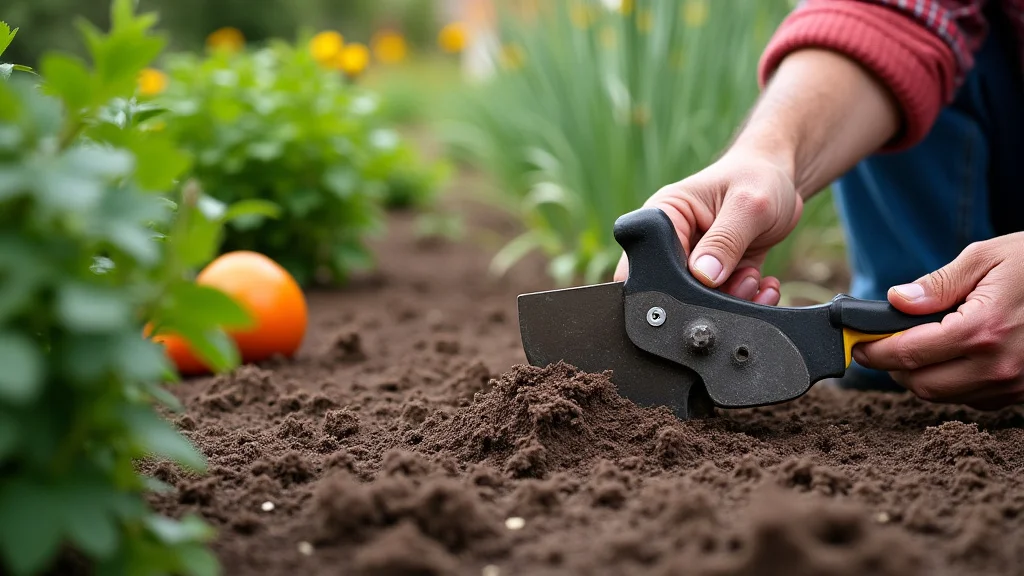
Picture this: you’ve finally decided to start that dream garden you’ve always wanted. You imagine rows of vibrant flowers and fresh vegetables ready to harvest. But then comes the reality check. Before you can even plant a seed, you need tools, and in Germany, the cost of gardening tools in Germany can be a bit of a surprise! This post will help you explore the cost of gardening tools in Germany, giving you insights into what you can expect to pay for various items, where to find the best deals, and how to stay within your budget. Get ready to bloom without breaking the bank!
Key Takeaways
- Discover the average prices for essential gardening tools in Germany.
- Learn about the different places to purchase gardening tools, from local stores to online marketplaces.
- Explore tips on how to save money on gardening tools.
- Understand the factors that influence the price of gardening equipment.
- Get a handle on the quality of tools and its impact on your investment.
- Find out about seasonal sales and discounts to maximize your savings.
Essential Gardening Tools and Their Average Costs
Starting a garden requires a collection of tools, and knowing the typical cost of gardening tools in Germany will help you plan your budget effectively. From basic hand tools to larger equipment, the prices can vary. This section will give you a general idea of what to expect when shopping for the essentials. Prices can fluctuate depending on brand, material, and where you buy the tools.
Hand Tools
Hand tools are the foundation of any garden. These are the tools you’ll use most often for planting, weeding, and general maintenance. Investing in good quality hand tools will make gardening easier and more enjoyable. These tools often range from simple trowels to more specialized items like weeding forks.
- Trowel: A small, hand-held tool used for digging, planting, and transplanting.
- Hand Fork: Used for loosening soil, removing weeds, and aerating the ground.
- Hand Rake: Great for leveling soil, removing debris, and preparing seedbeds.
- Weeder: Designed to remove weeds from the root.
- Gardening Gloves: Essential for protecting your hands from dirt, thorns, and blisters.
A basic trowel can be found for around €5-€10. Consider the material, as stainless steel trowels are more durable than those made of cheaper metals. Ergonomic handles can also improve comfort during extended use.
Hand forks usually cost between €8 and €15. The tines (the prongs) should be strong and well-spaced. A comfortable handle will make working in the garden easier.
Expect to pay about €10-€20 for a hand rake. Look for a rake with sturdy tines and a handle that suits your height. This will prevent back strain.
Weeders are usually available from €6-€12. Different types exist, such as a dandelion weeder. Choose one that feels comfortable in your hand and is effective at removing weeds.
A good pair of gardening gloves can cost €5-€20, depending on the material and features. Consider gloves made of leather or durable synthetic materials for longer wear and better protection.
Larger Tools and Equipment
As your garden grows, you might need larger tools and equipment to make tasks more efficient. These tools can be a larger investment, so it’s good to consider your needs carefully before purchasing. Some tools might be available for rent, which could save money if you only need them occasionally.
- Spade: Used for digging, turning over soil, and edging.
- Fork: Similar to a spade but with tines, used for turning over soil, especially in heavy or clay soil.
- Wheelbarrow: Essential for transporting soil, compost, and other materials around the garden.
- Watering Can or Hose: Used to water plants effectively.
- Lawn Mower: For those with lawns, a lawn mower is a must.
A sturdy spade can cost between €25 and €50. Look for a spade with a strong blade and a comfortable handle. Carbon steel blades are more durable than those made of other metals.
A garden fork will usually be priced around €30-€60. The fork should be made of durable material, and the handle should be long enough to prevent you from straining your back. Ergonomic handles also improve comfort.
Wheelbarrows can range from €50 to over €150, depending on the size and build quality. Consider the material of the tub (plastic or metal) and the load capacity.
A simple watering can is usually available for €10-€30, while a hose can range from €15 to over €50, depending on its length and quality. Hoses should be durable and resistant to kinks.
Lawnmowers are available for purchase starting from around €100 for a push mower and exceeding €500 or more for a petrol mower or robot mower. The price depends on the size of the lawn and type of mower.
Where to Buy Gardening Tools in Germany
There are many places in Germany to purchase gardening tools. Each offers advantages and disadvantages, so knowing your options can help you find the best deals and the right tools for your needs. Consider factors like price, selection, and the convenience of shopping when making your choice. Online shopping is becoming more and more popular because of its ease of access.
Local Gardening Stores
Local gardening stores are a great resource for gardeners. They offer a hands-on shopping experience, allowing you to examine tools before you buy. Staff members are often knowledgeable and can offer advice. These stores tend to provide tools of good quality, however, the cost of gardening tools in Germany from these stores tends to be a bit higher than online.
- Advantages:
- Disadvantages:
- Example:
Directly see and feel the tools, expert advice, and support local businesses.
Higher prices than online, limited selection, and often inconvenient store hours.
Specialty gardening stores. These stores will likely have a wider selection of tools than general stores.
DIY and Hardware Stores
Large DIY and hardware stores, like Bauhaus, Obi, and Hornbach, are widely available throughout Germany. They offer a vast selection of gardening tools at competitive prices. These stores can be a convenient one-stop shop for all your gardening needs, but the staff may not be as specialized as those in gardening-specific stores.
- Advantages:
- Disadvantages:
- Example:
Wide selection, competitive prices, convenient locations, and one-stop shopping.
Less personalized advice, lower quality in some cases, and may lack specialty tools.
You can purchase a spade, rake, and other items from these locations.
Online Marketplaces and Retailers
Online marketplaces and retailers like Amazon, eBay, and specialized online stores offer a vast selection of tools and competitive prices. Shopping online lets you compare prices easily and often find tools at a lower cost of gardening tools in Germany than at brick-and-mortar stores. The downside is that you can’t inspect the tools before you buy, and you must wait for delivery.
- Advantages:
- Disadvantages:
- Example:
Competitive prices, wide selection, easy price comparison, and convenience.
Cannot physically inspect tools, shipping costs, and possible delays.
Amazon, eBay, and online gardening shops.
Flea Markets and Second-Hand Shops
Flea markets and second-hand shops can be great places to find used gardening tools at significantly reduced prices. You can find some amazing deals, especially if you’re willing to do some digging. Keep in mind that the tools might need some cleaning or repairs, and you’ll want to check their condition carefully before you buy.
- Advantages:
- Disadvantages:
- Example:
Low prices, unique finds, and a chance to save money.
Tools may need repairs, limited selection, and may not have warranties.
Check local flea markets or online platforms for used tools.
Tips for Saving Money on Gardening Tools
Gardening doesn’t have to break the bank. With a little planning and smart shopping, you can save money on your gardening tools. Here are a few strategies to keep your costs down while still acquiring the tools you need to grow a flourishing garden. Considering the cost of gardening tools in Germany is a good place to start.
Buy Tools in the Off-Season
Gardening tools often go on sale during the off-season, such as late fall and winter. Retailers want to clear out their inventory, which can lead to significant discounts. Consider purchasing tools at the end of the gardening season to take advantage of these sales. This is a great way to improve your savings.
Look for Sales and Promotions
Keep an eye out for sales and promotions at your local stores and online retailers. Many stores offer discounts during holidays or special events. Subscribe to newsletters from garden centers and online stores to receive updates on sales and promotions.
Consider Used Tools
Buying used gardening tools from flea markets, second-hand shops, or online marketplaces can save you a lot of money. Inspect the tools carefully before purchasing them, and be prepared to clean or sharpen them. Often, used tools are in good condition.
Buy Multi-Purpose Tools
Choose tools that have multiple functions to minimize the number of tools you need to purchase. For example, a hoe can be used for weeding and tilling. This will help you reduce costs and the amount of storage space needed for your tools.
Compare Prices
Before purchasing any tool, compare prices from different retailers. Online comparison shopping can quickly help you find the best deals. Don’t be afraid to visit multiple stores, both online and in person, to explore your options.
Consider Tool Sharing
If you have neighbors or friends who also garden, consider sharing tools. This can reduce the cost of gardening tools in Germany significantly. This could be beneficial for less-used tools, such as tillers, so that everyone can save money.
Factors That Influence the Price of Gardening Tools
Several factors influence the price you pay for gardening tools. Knowing these factors can help you make informed decisions when shopping. Understanding these elements can improve your decisions in the gardening tool market.
Materials
The materials used to make gardening tools significantly impact their price. Tools made of high-quality materials, such as stainless steel, forged steel, and durable plastics, will be more expensive. They will also last longer and perform better than tools made of cheaper materials. For instance, a stainless steel trowel costs more, but it also won’t rust.
Brand
Well-known brands often charge a premium for their products. This is because they have a reputation for quality and durability. While brand-name tools can be a good investment, don’t overlook lesser-known brands, which may offer similar quality at a lower price. It’s often the case that you are also paying for the marketing of the name brand.
Features
Tools with extra features, such as ergonomic handles, adjustable blades, or special coatings, may be more expensive than basic models. Decide what features are essential for your gardening needs and choose accordingly. Additional features can increase both the price and the functionality of a gardening tool.
Manufacturing Location
The location where a tool is manufactured can also affect its price. Tools made in countries with lower labor costs may be less expensive. However, consider the quality and durability of the tool, regardless of where it’s made. Remember that cheaper may not always be better.
Size and Complexity
Larger and more complex tools, such as rototillers or lawn mowers, will cost more than simpler tools. The more intricate the tool, the higher its manufacturing costs. The size of the tool also often affects the price. Keep in mind your garden’s size and needs before making large tool purchases.
Example:
Let’s consider the cost of a garden fork. A basic garden fork with a wooden handle might cost around €30, while a high-quality fork with an ergonomic handle and a forged steel head could cost €60 or more. The more expensive fork may last longer and be more comfortable to use, so the higher initial cost could be worth the investment.
Maintaining and Caring for Your Gardening Tools
Proper maintenance of your gardening tools helps to ensure they last longer, perform better, and stay safe to use. Simple care practices can significantly extend the lifespan of your tools. Regular maintenance helps to avoid needing to replace your tools too often, which affects the cost of gardening tools in Germany over time. Tools that are well cared for can be useful for years.
Cleaning Your Tools
After each use, clean your tools to remove dirt, mud, and plant debris. Use a brush or scraper to remove any caked-on dirt. Wipe metal parts with a damp cloth and dry them thoroughly to prevent rust. This will also help to prevent the spread of plant diseases.
Sharpening Blades
Keep the blades of your tools sharp for efficient and safe use. Use a file or sharpening stone to sharpen blades regularly, such as those on shovels, spades, and pruners. Dull blades require more effort and can be dangerous. Sharpening blades also makes gardening easier and more enjoyable.
Lubrication
Lubricate moving parts, such as those on pruners, loppers, and shears, to prevent rust and ensure smooth operation. Apply a light oil to the hinges and pivot points. Lubrication keeps the tools functioning well.
Storage
Store your tools in a dry, protected place to prevent rust and damage. Hang tools on a wall or store them in a shed or garage. Using a tool rack can organize your tools and make it easy to grab the right tool for the job. Good storage extends the life of your tools.
Winter Storage
Before storing your tools for the winter, clean, sharpen, and lubricate them. Consider applying a coat of oil or rust inhibitor to metal parts to protect them from corrosion. Remove any dirt or debris to stop the growth of mold. This will prepare your tools for next spring. This extra care ensures your tools are ready to go when the gardening season starts.
Frequently Asked Questions
Question: What’s the best time of year to buy gardening tools at a discount?
Answer: The end of the gardening season, typically late fall and winter, offers the best deals. Retailers often have sales to clear out inventory.
Question: Where can I find used gardening tools?
Answer: Check flea markets, second-hand shops, and online marketplaces like eBay for used tools at lower prices.
Question: Are brand-name tools worth the extra cost?
Answer: Brand-name tools often have better quality and durability, but consider if the features and quality align with your needs and the price difference.
Question: How can I prevent rust on my gardening tools?
Answer: Clean your tools after each use, dry them thoroughly, and apply a light oil or rust inhibitor to metal parts.
Question: Should I consider renting gardening tools?
Answer: Renting is a great idea for tools you only use occasionally, like a rototiller or a stump grinder, to save money.
Final Thoughts
Exploring the cost of gardening tools in Germany reveals a landscape of choices. From basic hand tools to complex machinery, the prices vary greatly depending on the brand, materials, and where you buy them. By understanding the average costs, exploring various purchasing options, and employing cost-saving strategies like buying off-season or considering used tools, you can equip your garden without emptying your wallet. Remember the importance of tool maintenance to extend their lifespan, maximizing your investment. So, gather your gardening gloves, do some smart shopping, and get ready to cultivate your dream garden in Germany. Happy gardening!