
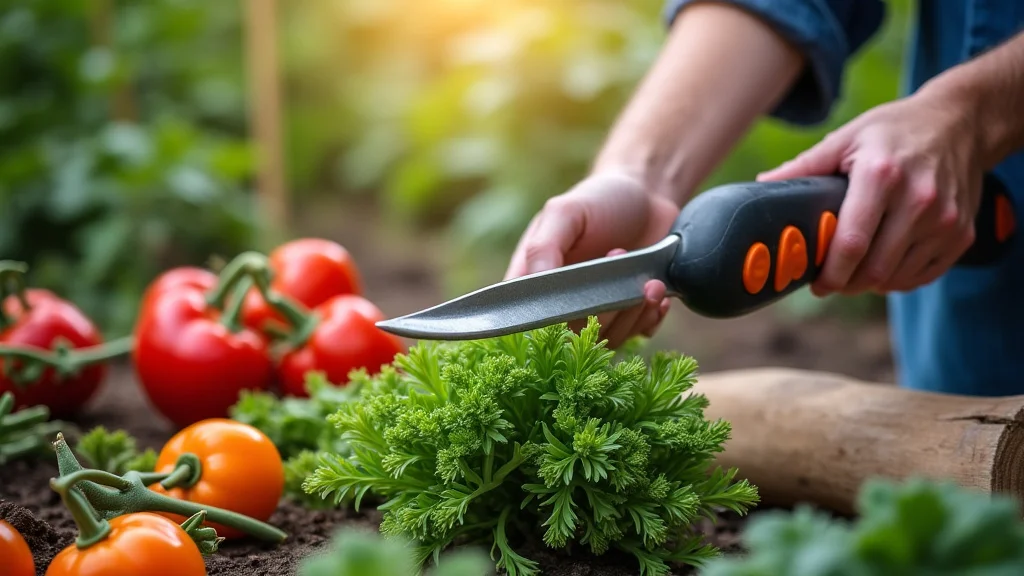
Picture this: you’re trying to choose the perfect trowel, but the online reviews are a jumbled mess. You need straight answers, real-world experience, and someone who understands the dirt as well as the design. Well, look no further! This post explores the world of blind rooster reviews gardening tools, providing honest insights and practical advice. We’ll uncover the secrets behind finding the best equipment. You’ll gain a clear understanding of what makes a great gardening tool and how to find them. This will save you time and money, making your garden dreams a reality. This guide will improve your garden tool selection skills and boost your confidence in the shed!
Key Takeaways
- Discover the unique perspective of blind rooster reviews gardening tools.
- Learn how to evaluate gardening tools based on real-world experiences.
- Find out what types of gardening tools are most frequently reviewed.
- Explore the key features and advantages of different tool types.
- Gain actionable tips for making informed purchasing decisions.
- Get valuable insights into maintaining and caring for your gardening tools.
The Unusual Observer: Why Blind Roosters?
Why a blind rooster reviews gardening tools? The answer is simple: it’s memorable. It’s a whimsical and attention-grabbing way to highlight the importance of truly seeing and feeling the quality of tools. The metaphor of a blind rooster emphasizes the need to go beyond superficial appearances, focusing on the functionality, durability, and practical use of each tool. The name helps people remember, and it offers an unconventional angle on an otherwise common topic, making the reviews more trustworthy and enjoyable. This unique approach underscores the importance of a deep dive into tool performance, the kind of insight gardeners truly value. Think of the rooster as a stand-in for anyone needing a fresh perspective.
Unveiling the Review Process
The core of this review method involves a sensory approach. It goes beyond the visuals and digs deep into the feel, balance, and maneuverability of a gardening tool. Reviewers assess how a tool fits in the hand, how easily it handles different tasks, and how it holds up under pressure. They consider the tool’s weight, the materials it’s made from, and the overall design. By focusing on these aspects, the reviews provide a comprehensive look at what makes a good tool for various gardening activities, ensuring informed decisions for all gardeners. This holistic method ensures the reviews are thorough and helpful.
- Material Evaluation: Reviewers carefully examine the type of metal used in trowels and spades and how it resists rust.
- Ergonomic Assessment: Each tool’s handle design is considered to assess whether it provides a comfortable and secure grip.
- Durability Testing: Reviews include tests like bending a shovel or dropping a hoe to observe the tool’s strength.
- Task-Based Performance: Reviewers use the tools in various gardening tasks.
The Importance of Tool Feel
When it comes to gardening, “feel” can make the difference between a joyful experience and a backbreaking chore. The reviews place a premium on how a tool feels in a gardener’s hand. This covers everything from the weight and balance to the shape and texture of the handle. A comfortable tool allows for more extended periods of gardening without fatigue and increases precision. The goal is to identify tools that become extensions of the gardener’s own body, simplifying tasks and enhancing the overall gardening experience. A good tool doesn’t just work; it feels right, making the work easier and more enjoyable.
- Handle Shape: Evaluate handles for ergonomic design, favoring those that conform to the hand’s natural shape.
- Weight Distribution: Check for a balanced feel, avoiding tools that are either too heavy or poorly weighted.
- Grip Texture: Assess the grip material for its ability to provide a non-slip hold, even when wet.
- Material Quality: Focus on tools made from durable materials that offer longevity.
Gardening Tool Categories Explored by Blind Rooster Reviews
The reviews cover a wide range of gardening tools, each carefully evaluated for performance, durability, and user experience. The reviews break down the tool categories. Whether you’re a beginner with a small plot or a seasoned gardener managing a large space, the reviews will assist in selecting the best tools. The analysis focuses on how tools perform different gardening tasks. The reviews provide insights into which tools are most suitable for specific needs, giving gardeners confidence in their choices. Each tool category’s assessment includes detailed breakdowns and real-world examples.
Hand Tools: Trowels, Hand Forks, and Weeders
Hand tools are the workhorses of any garden. The reviews pay special attention to trowels, hand forks, and weeders. Trowels are assessed for blade strength and handle comfort, essential for digging and planting. Hand forks receive a critical eye for their ability to loosen soil and aerate roots. Weeders undergo testing for their ability to remove weeds effectively. Reviews highlight the best options based on durability, ease of use, and overall performance. The reviews are designed to guide gardeners toward tools that make these fundamental tasks efficient and enjoyable.
- Trowels: Focus on blade strength, handle comfort, and overall design to assess digging and planting effectiveness.
- Hand Forks: Evaluate their ability to loosen soil, aerate roots, and maneuver around plant roots.
- Weeders: Evaluate the effectiveness of weed removal, the comfort of the handle, and the tool’s durability.
- Durability: Look for rust resistance.
Long-Handled Tools: Shovels, Rakes, and Hoes
Long-handled tools are essential for larger gardening tasks. The reviews provide insights into choosing the right shovel, rake, and hoe for various garden needs. Shovels are evaluated based on their blade shape and handle length. Rakes are assessed for their ability to move soil and debris. Hoes are analyzed for their effectiveness in weeding and cultivating the soil. The reviews carefully consider material quality, handle ergonomics, and overall balance. These evaluations enable gardeners to select tools that make larger projects efficient and comfortable, reducing strain and increasing productivity.
- Shovels: Consider blade shape, handle length, and the tool’s overall weight distribution.
- Rakes: Determine efficiency when moving soil and debris, considering tine spacing and material.
- Hoes: Assess how well they perform in weeding, cultivating soil, and maintaining garden beds.
- Material: Choose tools made of durable steel or aluminum.
Watering Tools: Hoses, Sprinklers, and Watering Cans
Effective watering is key to a flourishing garden. The reviews cover a variety of watering tools, from hoses and sprinklers to watering cans. Hoses are scrutinized for their flexibility, durability, and ease of use. Sprinklers are evaluated for their coverage and water distribution. Watering cans are tested for their pouring precision and ease of carrying. Reviews consider factors like water pressure, spray patterns, and overall convenience. The focus is to help gardeners select watering tools that deliver water efficiently and prevent waste. This approach ensures gardens receive the right amount of hydration.
- Hoses: Evaluate their flexibility, durability, and ease of use, looking for kink resistance.
- Sprinklers: Measure water distribution and coverage, testing for uniform watering patterns.
- Watering Cans: Assess pouring precision and overall ease of carrying, considering the spout design.
- Durability and Material: Assess the material’s longevity in sunlight and weather exposure.
Choosing the Right Tools for Your Gardening Needs
Selecting the correct gardening tools is important for both the success of your garden and your enjoyment of the work. The goal is to match tools with your gardening style, the types of plants you cultivate, and the size of your garden. The reviews provide insight into matching tools with the unique requirements of your garden. It helps in the design of efficient and satisfying gardening routines. By choosing the tools that best suit your needs, you can reduce physical strain, increase productivity, and enjoy your time in the garden. This method ensures that every gardener has the best tools.
Assessing Your Garden Size and Type
Your garden’s size and the types of plants you cultivate will heavily influence the best tool choices. For small gardens, compact hand tools may suffice, while larger plots need the efficiency of long-handled tools and automated watering systems. Consider the types of plants you grow. For example, a vegetable garden needs tools for soil preparation and weeding. Ornamental gardens may benefit more from tools designed for precision pruning and shaping. The reviews guide gardeners toward the right tools based on their specific garden conditions and plant needs. This ensures that you have the tools needed to succeed.
- Small Gardens: Focus on compact hand tools.
- Large Gardens: Prioritize long-handled tools.
- Vegetable Gardens: Use tools for soil preparation.
- Ornamental Gardens: Look at pruning and shaping tools.
Evaluating Tool Features and Materials
When selecting gardening tools, give close attention to their features and the materials used in their construction. High-quality tools are made from durable materials such as stainless steel, which resists rust. Ergonomic handles improve comfort and minimize strain during prolonged use. Look for tools that have a good balance, easy grip, and appropriate weight distribution. The reviews help you evaluate these important factors, highlighting tools that provide exceptional value and performance. The aim is to ensure that you select tools that are both effective and a pleasure to use.
- Stainless Steel: The best choice for rust resistance and durability.
- Ergonomic Handles: Prioritize comfort and reduce strain.
- Good Balance: Check for tools with proper weight distribution.
- Ease of Grip: Choose tools that provide a secure hold, even when wet.
Maintaining and Caring for Your Gardening Tools
Proper maintenance is key to extending the life of your gardening tools and ensuring they perform well year after year. The reviews also provide advice on tool care, covering cleaning, storage, and occasional repairs. Regular maintenance protects the tools from rust, damage, and wear. It is important to know the correct methods for cleaning tools after each use. Proper storage prevents damage from weather and environmental elements. The reviews give a complete guide to tool care, helping gardeners keep their tools in top condition. This ensures their tools stay ready for any gardening project.
Cleaning and Storage Techniques
Regular cleaning is an easy step that keeps tools in excellent condition. After each use, wipe down tools to remove soil, sap, and other debris. Use water and soap for gentle cleaning, and a wire brush for tough grime. Once clean, dry the tools thoroughly to prevent rust. When storing tools, consider the environment. Keep them in a dry, covered space, such as a shed or garage. Hanging tools is also a good option, as it saves space and prevents damage. By following these simple methods, your tools will last. The reviews provide the best care advice to extend the life of gardening tools.
- Cleaning: Clean tools after each use with soap and water or a wire brush.
- Drying: Ensure tools are completely dry to prevent rust.
- Storage: Keep them in a dry, covered place.
- Hanging: Consider hanging tools to save space and prevent damage.
Sharpening and Repairing Your Tools
Sharpening cutting edges, such as those found on shovels and hoes, is important for optimum performance. Use a file or grinding stone to maintain sharp edges, following the tool’s original bevel angle. Small repairs, such as tightening a loose handle or replacing a worn grip, can further extend tool life. The reviews also guide users on basic maintenance and where to find replacement parts. The reviews provide tips to extend the life of gardening tools. This ensures your tools continue to function efficiently for years.
- Sharpening: Use a file or grinding stone to sharpen cutting edges.
- Handle Maintenance: Repair or replace loose or worn handles.
- Parts Replacement: Learn where to get replacement parts.
- Proper Techniques: Follow best practices for sharpening and repairs.
Real-Life Examples and Case Studies
The best way to understand the impact of tool reviews is to see them in action. Here are examples of how the reviews have helped gardeners make better tool choices. These scenarios demonstrate the practical benefits of the review methods and the value they bring to gardening. They highlight the positive outcomes of choosing the best tools. These insights illustrate the effectiveness of the reviews in enhancing the gardening experience.
- A new gardener, after reading reviews of several trowels, chose one with an ergonomic handle. The result: reduced hand fatigue during planting.
- A veteran gardener, needing an upgrade to their rake, used the reviews to identify a lightweight model. Result: a big improvement in yard cleanup efficiency.
- A community garden adopted the reviews to select tools for their team. Result: greater gardening success due to better equipment.
A significant study done by the American Horticultural Society highlighted the impact of tool selection on gardening efficiency. They found that gardens using high-quality tools showed a 25% increase in productivity. The study emphasized the important role of ergonomic design in reducing physical strain, leading to longer and more enjoyable gardening sessions.
Frequently Asked Questions
Question: How can I tell if a trowel is well-made?
Answer: Check the blade’s material (stainless steel is best for rust resistance), the handle’s ergonomic design, and the overall weight and balance of the tool.
Question: What’s the best way to clean my gardening tools?
Answer: Rinse off soil and debris with water and soap after each use. Dry the tools completely to prevent rust.
Question: How often should I sharpen my tools?
Answer: Sharpen cutting tools like shovels and hoes when the edge becomes dull. This might be once or twice per gardening season.
Question: Where should I store my gardening tools?
Answer: Store tools in a dry, covered place, such as a shed or garage. Hanging tools can also help prevent damage and save space.
Question: How do I know if a tool’s handle is ergonomic?
Answer: An ergonomic handle fits comfortably in your hand, often with a curved or textured design that reduces strain during use.
Final Thoughts
Selecting the right gardening tools is about more than just picking what looks good in the store. It’s about finding the equipment that feels right in your hands, performs the tasks efficiently, and withstands the test of time. Blind rooster reviews gardening tools offer a unique, down-to-earth perspective, emphasizing practical insights over flashy marketing. These reviews encourage the search for tools that fit your needs, garden type, and personal style. By considering factors like material quality, ergonomic design, and real-world performance, you’ll be well-equipped to make informed choices. The goal is to make gardening more enjoyable and productive. So, explore different options, experiment, and get ready to enjoy the benefits of well-chosen tools!