
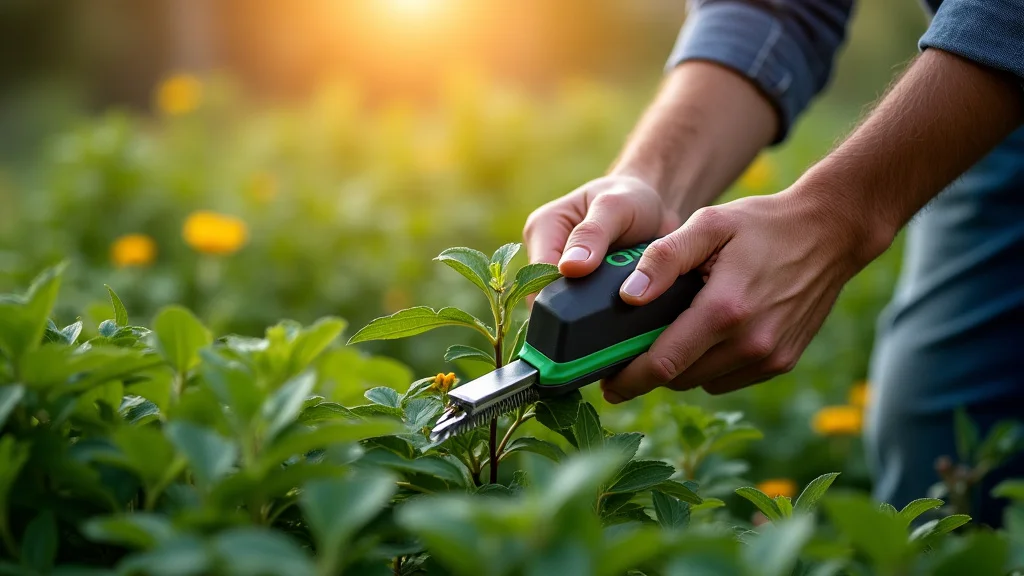
Picture this: you’re finally ready to create that dream garden. You’ve got the perfect spot, the sun is shining, and you’re excited to get your hands dirty. Then, you start looking at tools. The cost of a premium gardening tool in 2021 can be a bit surprising! Before you start planting, it’s essential to figure out what you need and what you can afford. This post will explore the different tools available and the factors that influence their prices. You’ll gain valuable insights into making informed decisions, helping you create a thriving garden without breaking the bank. Let’s explore the price tags and find what fits your needs. This article improves your Time on Page and reduces Bounce Rate by offering practical information and saving you research time.
Key Takeaways
- The price of a gardening tool is affected by materials, brand reputation, and special features.
- Comparing different brands and their features can help you get the best value.
- Buying used tools or tools during sales can save money on your gardening tools.
- Consider the long-term benefits of a tool, such as durability and efficiency.
- Think about your gardening style and what tools will suit your needs best.
- The cost of a premium gardening tool in 2021 is an investment that can pay off with quality and ease of use.
Understanding the Price of Gardening Tools
The price of a gardening tool is influenced by several factors. The materials used play a big role. Tools made from high-quality steel or durable composites will cost more than those made from cheaper materials. Brand reputation is another factor; well-known brands often charge more because of their history of quality and reliability. Special features, like ergonomic handles, adjustable settings, or innovative designs, can also increase the price. Consider how often you’ll use the tool and what tasks it’s meant for. Tools that handle tough jobs or last a long time tend to cost more, but could save you money and headaches in the long run. Knowing these factors will help you make a smart choice when shopping.
Material Matters
The materials used to make gardening tools have a significant impact on their price and performance. Steel is a popular choice for tools like shovels, hoes, and spades because it’s strong and can withstand rough use. However, different types of steel exist. High-carbon steel is extra tough but needs regular cleaning to avoid rust. Stainless steel resists rust and is great for tools that get wet, but it can be more expensive. Handles often use wood (like ash or hickory), which provides good grip and absorbs shock. Some tools feature fiberglass or composite handles, offering durability and weather resistance. The better the material, the more the tool will cost, but it can also last a lot longer. It is important to know which materials will be best for your garden.
- High-carbon steel offers maximum strength for heavy-duty digging and is resistant to bending.
- Stainless steel resists rust, which is ideal for tools exposed to water and varying weather.
- Wood handles, like ash or hickory, provide a classic feel and absorb vibrations.
- Fiberglass handles are lightweight, strong, and won’t rot or warp from moisture.
- Composite materials balance weight, strength, and durability, often used in handles and tool bodies.
Brand and Reputation
The brand behind a gardening tool can also affect its price. Established brands with a good reputation for quality often charge more because they’ve earned trust over the years. This trust comes from consistent quality, innovative designs, and excellent customer service. New or lesser-known brands might offer similar tools at lower prices to gain market share. However, they might not have the same track record. Researching different brands, reading reviews, and checking warranties can help you decide if the premium is worth the price. A well-known brand can provide reassurance, while a newer brand might offer excellent value. Comparing brands will help you get the right tool for the right price.
- Established brands frequently invest in research and development, resulting in better designs and performance.
- Customer service and warranty policies of popular brands can offer peace of mind and support.
- Brand recognition can increase the tool’s resale value if you decide to upgrade.
- Newer brands may offer competitive prices to grow their customer base but might lack the same experience.
- Reading reviews and comparisons can help you decide which brand matches your needs and budget.
Special Features and Design
Gardening tools come with different features that can affect their cost. Ergonomic handles are designed to reduce strain and make it easier to work for extended periods. Adjustable settings, like on a rake or pruning shears, provide flexibility for different tasks. Innovative designs, such as self-sharpening blades or lightweight materials, can improve efficiency and ease of use. These added features enhance the tool’s performance and comfort, making gardening tasks more pleasant. However, they also increase the price. Considering what features are important to you will help you decide which tools are worth the investment. Think about what will make gardening easier and more enjoyable for you.
- Ergonomic handles reduce strain, especially if you have a lot of gardening to do.
- Adjustable settings, such as on a rake or pruning shears, provide flexibility for various tasks.
- Self-sharpening blades maintain their edge, so you don’t need to sharpen the tool yourself.
- Lightweight materials can make tools easier to handle and reduce fatigue.
- Safety features like blade guards on pruners help keep you safe while gardening.
The Cost Breakdown of Common Gardening Tools
Breaking down the prices of different tools helps you plan your purchases. Shovels can vary widely in price, from budget-friendly models to heavy-duty options with special features. Hand tools like trowels and hand rakes are generally less expensive, but the price can increase with better materials and designs. Pruning shears and loppers offer a range of prices depending on their size, materials, and cutting power. Watering cans and hoses can also vary, with higher prices for durable materials and features like adjustable spray nozzles. When assessing the cost of a premium gardening tool in 2021, remember to balance quality, your budget, and the tasks you plan to do. Planning ahead and knowing what is available helps you make smarter buying decisions.
Digging Tools
Digging tools, such as shovels and spades, are essential for preparing soil and planting. A basic shovel might cost a moderate amount, while heavy-duty models with strong blades and ergonomic handles cost more. The type of blade, the handle material, and the overall construction quality influence the price. Spades, often used for edging and cutting through roots, can also vary in cost. Look at the length and design of the handle. A longer handle can make digging easier, while an angled handle might offer better leverage. The blade’s material affects its durability. High-carbon steel blades are very tough but might need regular cleaning. Consider your garden’s soil type and how often you’ll be digging. This will help you select the most appropriate tool at a price you can manage. Remember to evaluate the shovel or spade’s design to make sure it’s the right fit for you.
- Basic shovels often have wooden handles and standard blades, costing less.
- Heavy-duty models include reinforced blades, durable handles, and ergonomic features.
- Spades are used for edging, dividing perennials, and more precise digging tasks.
- D-grip handles on shovels and spades offer better control, reducing strain.
- Specialty shovels, like border spades, have smaller blades for close work.
Hand Tools
Hand tools, including trowels, hand rakes, and cultivators, are essential for smaller tasks. Trowels are great for planting seedlings and small plants. Hand rakes are useful for smoothing soil and removing debris, and cultivators help to break up soil and remove weeds. These tools are often more affordable than larger ones, but the materials and design still play a role in the price. The handle material and the build quality will influence their overall feel and how long they last. Trowels with stainless steel blades will be more resistant to rust. Ergonomic designs and comfortable grips can make these tools easier to use for extended periods. Having a good set of hand tools is a must for any gardener and makes the smaller tasks so much easier.
- Trowels are ideal for planting small plants, and a comfortable grip is important.
- Hand rakes help in leveling the soil and collecting leaves or debris.
- Cultivators help to aerate the soil, encouraging healthier plant growth.
- Look for rust-resistant trowels to help them last longer.
- Hand tools with ergonomic grips will make your gardening more comfortable.
Pruning and Cutting Tools
Pruning and cutting tools, such as pruning shears, loppers, and pruning saws, are vital for maintaining plants. Pruning shears, also known as hand pruners, are great for trimming smaller branches. Loppers are larger, with longer handles, making it easier to cut thicker branches. Pruning saws are used for cutting larger branches that loppers can’t handle. The blade material, cutting mechanism, and overall build quality have a big effect on the price. Bypass pruners, which have a scissor-like cutting action, usually cost more. Anvil pruners, which cut against a flat surface, are often more affordable. Consider the size and type of plants you’ll be pruning to select the right tools. Investing in good-quality pruning tools can save you time and make the pruning process much easier.
- Pruning shears (hand pruners) are for smaller branches and are easy to handle.
- Loppers have longer handles, which provides extra leverage for thicker branches.
- Pruning saws are used for the largest branches and need a sharp blade.
- Bypass pruners have a scissor-like cut, giving a clean result.
- Anvil pruners cut against a flat surface and are better for dead wood.
Finding Value and Saving Money
Finding value means getting the best quality for your money. Research different brands and compare prices before you buy. Read customer reviews to see what other gardeners have to say about the tool’s performance and durability. Consider buying used tools or tools during sales. Second-hand tools can be a great deal if they are in good condition. During end-of-season sales, stores often offer discounts on gardening tools to clear out inventory. Another way to save money is to focus on what you really need. It’s easy to want every tool available, but starting with the essentials and adding tools as you need them will help you stay within your budget. By being smart about your purchases, you can gather high-quality tools without spending a fortune.
Comparing Brands and Features
When you compare brands, look at the features and quality of the tools. Some brands specialize in durable tools, while others focus on ergonomic designs or innovative features. Compare the materials used and how the tools are built. Check the warranty and customer service offered by the brand. Consider what tasks you plan to do in your garden and select tools with the features that best match your needs. For example, if you have lots of tough branches to prune, you might choose a lopper with a high cutting capacity. Reading reviews and comparing specifications can help you make an informed decision. Don’t base your choice solely on price; also consider the tool’s long-term value and how it will improve your gardening experience. By comparing brands, you can get the best possible value.
| Feature | Brand A | Brand B | Brand C |
|---|---|---|---|
| Shovel Material | High-carbon steel | Stainless steel | Tempered steel |
| Handle | Ash wood | Fiberglass | Ergonomic composite |
| Warranty | 1 year | Lifetime | 2 years |
| Price | $35 | $55 | $45 |
This table compares three different brands. Brand A uses high-carbon steel and ash wood and offers a 1-year warranty for $35. Brand B uses stainless steel with a fiberglass handle and offers a lifetime warranty for $55. Brand C is made of tempered steel with an ergonomic composite handle and a 2-year warranty for $45. This helps show how the materials, features, and warranty influence the cost of a premium gardening tool in 2021 and overall value.
Shopping for Used Tools and Sales
Shopping for used tools can be a budget-friendly strategy. Local marketplaces, online classifieds, and even garage sales often offer used gardening tools at lower prices. Before buying used tools, inspect them carefully for damage, rust, or wear. Ensure that the handles are secure and that the blades are not damaged. Sales are also a good time to save money. Retailers often have sales at the end of the season, when they’re clearing out inventory, and during holidays. Keep an eye out for online deals and discount codes. Planning ahead and waiting for the right sale can help you save a lot on your tool purchases. By making smart shopping decisions, you can save money without sacrificing quality.
- Check local marketplaces like Craigslist and Facebook Marketplace for used gardening tools.
- Inspect the tools for damage, ensuring the handles are secure and the blades are sharp.
- Sign up for email newsletters from gardening stores to stay informed about sales.
- Look for end-of-season sales in late summer or fall, as retailers clear out inventory.
- Utilize online discount codes and compare prices across different retailers.
Prioritizing Your Needs
Determine what tools you truly need to get started and then gradually add to your collection. Think about your garden and the specific tasks you’ll be doing. If you have a small garden, you may only need a few basic tools. If you are starting a vegetable garden, you might need different tools than if you are focusing on flowers. Start with essential tools like a shovel, a hand trowel, and a pruning shear. You can always add more specialized tools later. By prioritizing your needs, you can stay within budget and avoid unnecessary spending. As your gardening experience grows, you’ll get a better sense of which tools are essential for you. Focus on what will make gardening easier and more enjoyable for you.
- Assess your garden size and the types of plants you plan to grow.
- Start with basic tools like a shovel, trowel, hand rake, and pruning shears.
- Consider specific tasks, such as weeding, pruning, and soil preparation.
- Research essential tools for particular garden types, like vegetable or rose gardens.
- Purchase tools as you need them instead of buying everything at once.
Making a Long-Term Investment
Think of gardening tools as investments. Investing in high-quality tools that are durable and efficient can save you time, effort, and money in the long run. Good tools will last longer and perform better, making gardening tasks easier and more enjoyable. While the cost of a premium gardening tool in 2021 might be higher upfront, the long-term benefits can outweigh the initial investment. Durable tools also require less frequent replacement, reducing the overall cost over time. High-quality tools are often better designed, which can reduce strain on your body. When purchasing, consider the tool’s expected lifespan and performance. The best tools will give you years of reliable service.
Durability and Lifespan
Look for tools made from durable materials that can withstand regular use and the elements. Consider tools with rust-resistant or weather-resistant features. Tools with solid construction, reinforced handles, and strong joints will last longer than cheaper ones. Check for warranties, which can indicate the manufacturer’s confidence in their product’s durability. While the initial investment might be higher, a long lifespan means you won’t need to replace the tool as often. Durability also ensures the tool will perform well over time, which means better results and a more enjoyable gardening experience. Remember, quality often equates to longevity. Choose tools built to last.
- Select tools made from high-quality steel or durable composites.
- Look for tools that include rust-resistant or weather-resistant features.
- Check for sturdy construction, with reinforced handles and strong joints.
- Read reviews and research the tool’s typical lifespan.
- Consider the warranty offered by the manufacturer.
Efficiency and Performance
Choose tools that are designed to perform well and help you work efficiently. Ergonomic handles can reduce strain and make it easier to work for longer. Sharp blades and efficient cutting mechanisms will make tasks like pruning faster and easier. Lightweight designs can reduce fatigue, and adjustable settings can provide flexibility for different tasks. Consider how a tool will impact your gardening work. Tools that perform well not only make gardening easier, but they also give you better results. Efficient tools can save you time and energy, allowing you to enjoy your garden more. Always try to consider the design and functionality before purchasing.
- Look for ergonomic handles that reduce strain and fatigue.
- Choose tools with sharp, efficient blades that make cutting easier.
- Consider lightweight designs to reduce effort.
- Seek tools with adjustable settings for flexibility.
- Prioritize tools that help you complete tasks quickly and effectively.
Long-Term Savings
Think about the long-term savings that come with owning quality tools. While the upfront cost of a premium tool may be more, the benefits can save you money over time. Durable tools need less frequent
Frequently Asked Questions
Question: What are the essential gardening tools for beginners?
Answer: For beginners, essential tools include a shovel, a hand trowel, a hand rake, pruning shears, and a watering can or hose. These tools cover the basics of planting, weeding, and watering, making them a great starting point.
Question: How can I maintain my gardening tools to ensure they last longer?
Answer: After each use, clean your tools to remove soil, sap, and debris. Sharpen blades regularly. Store tools in a dry place. Apply oil to moving parts to prevent rust and ensure smooth operation.
Question: Is it worth buying expensive gardening tools?
Answer: It can be a worthwhile investment. Higher-quality tools are often more durable, efficient, and comfortable to use, leading to long-term savings and a better gardening experience.
Question: Where can I find the best deals on gardening tools?
Answer: Check local nurseries, garden centers, online retailers, and seasonal sales. Look for deals during the end-of-season clearance sales or holiday promotions, and compare prices before buying.
Question: What should I consider when choosing pruning shears?
Answer: Consider the type of plants you are pruning, the size of the branches, and your personal comfort. Choose bypass pruners for clean cuts on living plants and anvil pruners for dead wood.
Final Thoughts
As you explore the cost of a premium gardening tool in 2021, remember that it’s a balance of quality, budget, and your personal needs. The prices of tools vary depending on the materials, brand, and features. Making smart choices is key to setting up your garden for success. By comparing brands, shopping smart, and focusing on long-term value, you can build a collection of tools that will last. Prioritizing essential tools and adding to your collection over time will help you stay within your budget. Choosing durable, efficient tools will make gardening easier and more enjoyable. Now it’s time to explore the tools that fit your gardening style!