
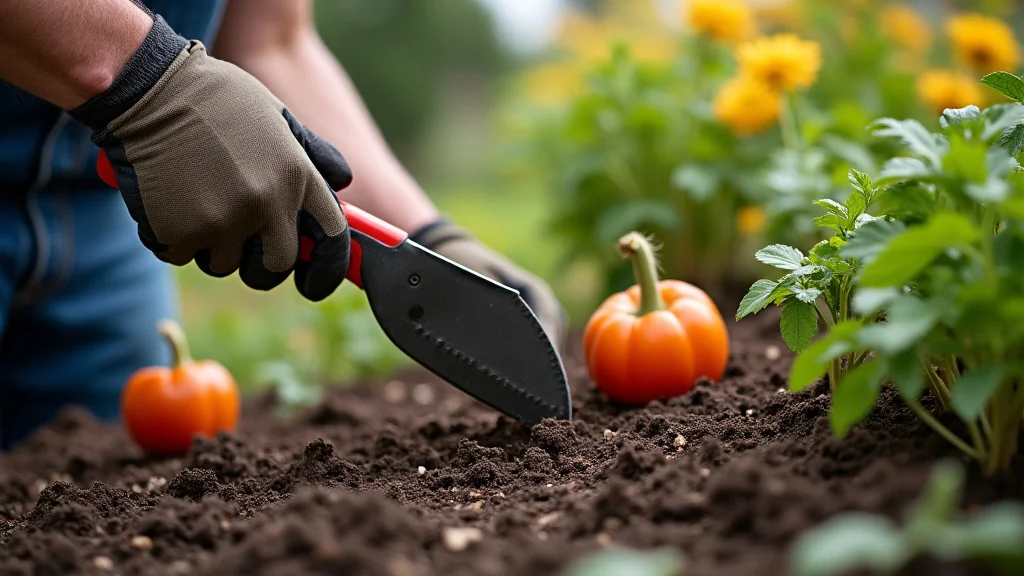
Remember that time you tried to plant a rose bush with a rusty trowel? The struggle was real! Choosing the right cost of gardening tools reviews is more important than you might think. This post will help you explore the best options, looking at price, quality, and what you really need for your gardening projects. You’ll gain a better grasp on selecting the right tools, saving money, and making your gardening experience a whole lot smoother. Get ready to explore the exciting possibilities of the best cost of gardening tools reviews to get your garden growing!
Key Takeaways
- Discover how to balance quality and price when choosing tools.
- Explore different types of tools and their uses.
- Learn about the importance of tool materials and durability.
- Find out where to look for honest reviews.
- Gain tips for maintaining your tools.
- Understand how to determine your gardening needs.
Unpacking the Essentials: Basic Gardening Tools
Getting started with gardening doesn’t mean you need to empty your wallet. The core of any successful garden lies in a few essential tools. Think of these as your basic kit, the building blocks for creating a thriving space. Focusing on these foundational items first is a wise approach. Quality here can significantly impact your enjoyment and the overall success of your garden. Careful consideration when reviewing the cost of gardening tools reviews for these essentials can help create a firm foundation.
The Trowel and Hand Rake
The trowel and hand rake are like the dynamic duo of gardening. The trowel, a small hand-held shovel, is perfect for digging small holes, transplanting seedlings, and scooping up soil. Look for a trowel made from stainless steel or a similar rust-resistant material to ensure longevity. A hand rake, often made of plastic or metal, is ideal for smoothing soil surfaces, removing small debris, and spreading mulch evenly. The handle is an important aspect of a hand rake. It should be comfortable to hold for extended periods.
- Trowel Uses: Digging small holes for seedlings, transplanting, and scooping soil.
- Hand Rake Uses: Leveling soil, removing debris, and spreading mulch.
- Material Matters: Choose trowels and hand rakes made of durable, rust-resistant materials.
- Ergonomics: Ensure handles are comfortable to grip for extended use.
Hand Pruners and Garden Gloves
Pruning is a crucial part of gardening, and a good pair of hand pruners is essential for trimming plants and shaping bushes. Look for bypass pruners, which make clean cuts. Choose garden gloves that fit properly and offer protection from thorns, dirt, and potential irritants. Consider gloves made of leather or synthetic materials to provide a balance of protection and dexterity. These tools are vital for maintaining the health and appearance of your plants and can be found in cost of gardening tools reviews.
- Hand Pruner Uses: Trimming plants, removing dead growth, and shaping bushes.
- Types of Pruners: Bypass pruners provide clean cuts for plant health.
- Garden Gloves: Protect hands from thorns, dirt, and irritants.
- Glove Materials: Select gloves that balance protection and dexterity.
Watering Can or Hose Nozzle
Water is the lifeblood of any garden, and having a reliable way to water your plants is critical. A watering can is perfect for smaller gardens and container plants, giving you control over where and how much water is applied. A hose nozzle gives you the ability to deliver water with different spray patterns, from a gentle shower to a focused stream. When considering cost of gardening tools reviews, consider the water delivery method in your choice.
- Watering Can Uses: Watering smaller gardens and container plants.
- Hose Nozzle Uses: Watering larger areas and plants with variable spray patterns.
- Watering Can Features: Look for features like a long spout for better reach.
- Hose Nozzle Features: Choose nozzles with adjustable spray settings.
Diving Deeper: Intermediate Gardening Tools
Once you’ve mastered the basics, it’s time to consider some tools that can enhance your gardening experience. These intermediate tools can make tasks easier, more efficient, and allow you to tackle a wider range of projects. Consider these tools as you look at different cost of gardening tools reviews.
A Shovel and Garden Fork
A shovel is indispensable for digging, moving soil, and planting larger plants. Choose a shovel with a strong blade and a comfortable handle. A garden fork is great for turning over soil, breaking up clumps, and aerating the soil. Look for a fork with sturdy tines that won’t bend easily. These tools are the workhorses of the garden, making larger tasks much more manageable.
- Shovel Uses: Digging, moving soil, and planting larger plants.
- Shovel Features: Strong blade and comfortable handle are important.
- Garden Fork Uses: Turning over soil, breaking up clumps, and aerating.
- Garden Fork Features: Sturdy tines are essential.
Loppers and Hedge Shears
If you have bushes or small trees, loppers are a must-have tool for cutting thicker branches that your hand pruners can’t handle. Look for loppers with long handles for added leverage. Hedge shears are ideal for shaping hedges and trimming shrubs. Choose shears with sharp blades and comfortable handles. These tools help maintain the shape and health of your larger plants, and you’ll find reviews of them in the cost of gardening tools reviews.
- Lopper Uses: Cutting thicker branches and small limbs.
- Lopper Features: Long handles provide added leverage.
- Hedge Shear Uses: Shaping hedges and trimming shrubs.
- Hedge Shear Features: Sharp blades and comfortable handles are important.
Wheelbarrow or Garden Cart
A wheelbarrow or garden cart is incredibly useful for transporting soil, mulch, compost, and other materials around your garden. A wheelbarrow is often more maneuverable in tight spaces, while a garden cart can handle heavier loads. Considering the amount of material you’ll be moving and the size of your garden can help you decide which is better for you. Both can be evaluated in the cost of gardening tools reviews to see what fits your needs.
- Wheelbarrow Uses: Transporting soil, mulch, compost, etc.
- Garden Cart Uses: Transporting heavier loads.
- Capacity: Choose a size based on your garden’s needs.
- Maneuverability: Consider the size of your garden and pathways.
Exploring Specialized Tools: For the Dedicated Gardener
For gardeners with a specific focus, some specialized tools can greatly improve results and enjoyment. These tools are often designed for particular tasks or plant types. These specialized tools show up in the cost of gardening tools reviews, and they can expand the range of what you can accomplish in your garden.
Soil Testing Kit
Knowing your soil’s composition and pH is key to growing healthy plants. A soil testing kit provides information on the nutrients available in your soil. Using a soil testing kit allows you to add the right amendments and create the perfect environment for your plants. A soil test is also the foundation to determine what you’re up against and the best approach to use for specific plants.
- Soil Testing Kit Uses: Determines soil composition and pH.
- Benefits of Soil Testing: Helps you to understand nutrient levels.
- Choosing a Kit: Look for easy-to-use kits with clear instructions.
- Frequency of Testing: Test your soil annually or as needed.
Weed Puller
Weeds can be the bane of a gardener’s existence. A good weed puller, like a dandelion weeder, helps you remove weeds at the root, making it harder for them to come back. Select a weed puller that is ergonomic and easy to use, so you can tackle weed problems more easily. The tool is designed to work in all types of soils, eliminating the need for herbicides.
- Weed Puller Uses: Removes weeds at the root.
- Types of Weed Pullers: Dandelion weeders and other specialty tools.
- Ergonomics: Choose a tool that is comfortable to use.
- Effectiveness: Aims to remove the entire weed for best results.
Seed Starting Kit
If you like to start your own seedlings, a seed starting kit is a great option. These kits typically include seed trays, soil, and sometimes a mini-greenhouse structure. They can help create the ideal conditions for seed germination. Consider the size of the trays and whether they will fit well in your space. This will assist you as you evaluate the different cost of gardening tools reviews.
- Seed Starting Kit Uses: Starting seeds indoors before transplanting.
- Components: Includes seed trays, soil, and sometimes a mini-greenhouse.
- Benefits: Provides controlled conditions for seed germination.
- Kit Features: Choose kits based on your space and needs.
Tool Materials and Durability: Getting the Most Out of Your Tools
The materials used to make gardening tools directly affect their durability, performance, and how long they will last. Understanding the different materials and choosing tools made from them can save you money in the long run. Durability is a key factor when you review the cost of gardening tools reviews.
Handles: Wood, Metal, and Composite Materials
The handle of a tool is essential for comfort and strength. Wood handles, often made from ash or hickory, are strong and provide good shock absorption. Metal handles, commonly made of steel or aluminum, are extremely durable, but can be heavier. Composite handles, made from fiberglass or other materials, combine the benefits of both, offering durability and a lightweight design. Choose handles that feel comfortable in your hands and will endure frequent use.
- Wood Handles: Good shock absorption and strength.
- Metal Handles: Durable and long-lasting.
- Composite Handles: Lightweight and durable.
- Handle Comfort: Choose handles that are easy to grip and comfortable.
Blades and Tines: Steel and Alloys
The blades and tines of your tools are where the action happens, so selecting the right material is vital. High-carbon steel is a popular choice for blades because it is strong, can be sharpened easily, and holds an edge well. Stainless steel is more resistant to rust and corrosion, making it a good choice for tools that will be exposed to moisture. Alloy steels offer a balance of strength and durability. The materials used in blades will be covered in the cost of gardening tools reviews.
- High-Carbon Steel: Strong, easily sharpened.
- Stainless Steel: Rust-resistant and durable.
- Alloy Steels: Balance of strength and durability.
- Edge Retention: Choose blades that hold an edge well.
Rust Prevention and Maintenance
No matter the material, preventing rust and keeping your tools in good condition will extend their life. After each use, wipe down your tools and store them in a dry place. Regularly sharpen blades and oil moving parts. Consider using a rust-inhibiting spray on metal tools. These are just some aspects you should consider when reviewing the cost of gardening tools reviews.
- Cleaning: Wipe tools after each use.
- Storage: Store tools in a dry place.
- Sharpening: Regularly sharpen blades.
- Oil: Oil moving parts to prevent corrosion.
Making Smart Choices: Finding and Reading Reviews
Before purchasing any gardening tool, it’s wise to do some research. Reading reviews can provide valuable insights into a product’s performance, durability, and value. Learning where to find reliable reviews and what to look for can help you make informed decisions. Using information found in the cost of gardening tools reviews can save you time and money.
Where to Find Reliable Reviews
Start your research with trusted sources. Online retailers often have customer reviews, but it’s important to look at the overall rating and read multiple reviews to get a balanced view. Gardening blogs, forums, and magazines frequently feature tool reviews. Professional review sites provide in-depth tests and ratings. Seeking different sources will provide a more complete picture of the tools being considered.
- Online Retailers: Check customer reviews.
- Gardening Blogs and Forums: Look for user experiences.
- Gardening Magazines: Find professional reviews.
- Professional Review Sites: Compare tools with data-driven tests.
What to Look for in a Review
When reading reviews, focus on specific details. Does the reviewer mention the tool’s performance in different conditions? Consider comments about the tool’s durability, ease of use, and whether it represents good value for the price. Pay attention to both positive and negative feedback to gain a well-rounded view. The cost of gardening tools reviews should guide your decision.
- Performance: How well does the tool work?
- Durability: How long does the tool last?
- Ease of Use: Is the tool comfortable and easy to handle?
- Value: Does it provide good value for the price?
Interpreting and Using Reviews
Take time to consider the different aspects of the review. The number of reviews can lend more credibility to the findings. Consider the reviewer’s experience level; a review from a professional gardener may offer different insights than a review from a beginner. Use reviews as a starting point. Compare several sources to form your own opinion. The cost of gardening tools reviews can provide a foundation for your decision-making.
- Quantity of Reviews: Consider the number of reviews available.
- Reviewer Experience: Understand the reviewer’s background.
- Multiple Sources: Compare information from different sources.
- Personal Needs: Consider your unique gardening needs.
Caring for Your Tools: Extending Their Lifespan
Proper tool maintenance is key to extending the life of your gardening tools and ensuring they perform at their best. Just like any other equipment, gardening tools need care to prevent damage. A small amount of time and effort can make your tools last for years and also prevent safety concerns. Consider these maintenance tasks when exploring cost of gardening tools reviews.
Cleaning Your Tools
After each use, clean your tools to remove dirt, sap, and other debris. Wipe off any residue with a damp cloth or brush. For tools that have soil on them, wash them with water and soap, and dry them thoroughly. Use a scraper to remove any stuck-on debris. Be mindful of moisture; it’s the enemy of tools. The cost of gardening tools reviews will often mention the need to keep them clean.
- Remove Debris: Wipe tools after each use.
- Wash with Soap and Water: For tools with soil residue.
- Dry Thoroughly: Prevent rust and corrosion.
- Scrape: Remove stubborn debris.
Sharpening and Oiling
Sharp tools are safer and more effective. Regularly sharpen blades using a file or whetstone. For pruning shears, loppers, and other cutting tools, consider using a blade sharpener. Applying oil to moving parts, such as hinges on pruners, will keep them working smoothly and prevent rust. This will increase their longevity and functionality. Be sure to include maintenance when assessing the cost of gardening tools reviews.
- Sharpen Blades: Use a file or whetstone.
- Use a Blade Sharpener: For cutting tools.
- Oil Moving Parts: Prevent rust and improve function.
- Frequency: Sharpen and oil regularly.
Storage and Organization
Proper storage is important to protect your tools. Store tools in a dry place, such as a shed or garage. Hang tools on a wall-mounted rack or organize them in a toolbox. If you have outdoor storage, consider covering your tools to protect them from the elements. Good storage makes tools easier to find and extends their use. These tips will assist you as you evaluate the cost of gardening tools reviews.
- Dry Storage: Store in a dry place.
- Organize: Use racks or toolboxes.
- Protection: Cover tools for outdoor storage.
- Accessibility: Store tools where they are easy to access.
Budgeting and Saving: Getting the Best Deals
Gardening doesn’t need to break the bank. Several strategies can help you save money on tools. Planning your purchases, considering different options, and making smart decisions will allow you to build a tool collection that meets your needs without overspending. Budgeting and saving should always be considered in the cost of gardening tools reviews.
Planning Your Purchases
Before purchasing any tools, make a list of what you need. Consider your gardening goals, the size of your garden, and the types of plants you plan to grow. Research the tools that are best suited to these tasks. Resist impulse buys and focus on essential tools first. Planning is a crucial step in budgeting. Take some time to think about what you need to create a plan.
- Assess Needs: Make a list of essential tools.
- Consider Goals: Consider the size and type of your garden.
- Research: Explore the best options for your needs.
- Prioritize: Buy essential tools first.
Comparing Prices and Brands
Compare prices from different retailers. Prices can vary significantly between stores, so it’s a good idea to shop around. Read reviews and compare the features and quality of tools from different brands. Look for sales and discounts, especially during the off-season. Checking the cost of gardening tools reviews will provide you with information to compare tools.
- Shop Around: Compare prices from different stores.
- Read Reviews: Compare features and quality.
- Look for Sales: Find discounts.
- Consider Brands: Research different brands.
Alternatives to Buying New
Consider alternatives to buying new tools. Buying used tools can save you money, and they are often available in good condition. Consider borrowing tools from friends or neighbors for occasional projects. Many community gardens and gardening organizations offer tool-sharing programs. These options are often available, and it helps cut the cost of gardening tools reviews.
- Used Tools: Buy tools in good condition.
- Borrow: From friends or neighbors.
- Tool Sharing: Use community resources.
- Rental: Rent tools for occasional use.
Frequently Asked Questions
Question: What are the essential tools for a beginner gardener?
Answer: For a beginner, the essential tools are a trowel, hand rake, hand pruners, garden gloves, and a watering can or hose nozzle.
Question: How often should I sharpen my pruning shears?
Answer: Sharpen your pruning shears before and after heavy use, or at least a few times each year.
Question: What is the best material for a shovel handle?
Answer: Wood handles offer good shock absorption, but metal and composite handles are also good choices.
Question: How do I prevent rust on my garden tools?
Answer: Clean and dry your tools after each use. Store them in a dry place. Regularly oil any moving parts and use a rust-inhibiting spray if needed.
Question: Where can I find reliable reviews of gardening tools?
Answer: You can find reliable reviews on online retailers, gardening blogs, gardening magazines, and professional review sites.
Final Thoughts
Choosing the right gardening tools can be an adventure, but it doesn’t need to be overwhelming. You’ve explored the essential tools and learned about the importance of material, durability, and reviews. From trowels to loppers, each tool plays a specific role. You can make an informed choice. It’s about finding the right balance of price and quality that matches your needs and gardening goals. Maintaining your tools will keep them in top shape for years to come. With careful consideration of cost of gardening tools reviews, you can create a collection that supports your gardening efforts and helps your garden flourish.